
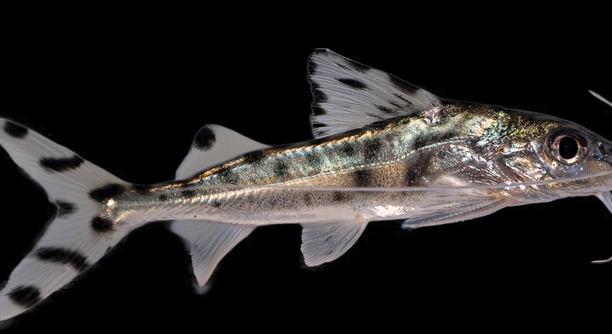
Pictus catfish are popular aquarium fish known for their active nature and striking appearance. Many owners expect to see them resting at the tank bottom, but sometimes these fish avoid that area. This behavior can be confusing for those caring for them.
Pictus catfish might avoid the bottom of the tank due to poor water quality, lack of hiding spots, or stress from tank mates. These factors can cause discomfort and make the fish seek safer or more comfortable areas in the aquarium.
Understanding why pictus catfish behave this way helps improve their environment and overall well-being in home tanks. Learning more about their needs can lead to a happier fish and a healthier aquarium.
Water Quality and Its Impact on Pictus Catfish Behavior
Poor water quality is one of the main reasons pictus catfish avoid the bottom of the tank. These fish are sensitive to changes in water parameters such as ammonia, nitrite, and nitrate levels. When these chemicals rise above safe limits, it can cause discomfort or even harm. Low oxygen levels near the bottom can also push the fish to swim higher where oxygen is more available. Additionally, dirty substrates can irritate their barbels, the whisker-like organs they use to search for food. Keeping the tank clean with regular water changes and testing the water often helps maintain a healthy environment. A clean tank allows pictus catfish to feel safe and comfortable exploring the bottom again. Proper filtration and aeration improve oxygen levels, making the whole tank a better habitat. It’s important to watch for signs like gasping at the surface, which may indicate poor water conditions.
Maintaining water quality is a simple but vital step to help pictus catfish settle at the tank bottom.
A stable, clean aquatic environment supports the natural habits of pictus catfish. When the water is fresh and balanced, these fish feel secure enough to explore and rest on the substrate. Monitoring water parameters and cleaning the tank regularly are key to preventing stress. If the water is neglected, the fish may swim away from the bottom to avoid harmful conditions. It’s also helpful to provide a substrate that is gentle on their barbels, such as smooth sand or fine gravel. This reduces irritation and encourages bottom-dwelling behavior. Good water quality not only promotes comfort but also reduces the risk of illness, helping your pictus catfish thrive over time.
Providing Hiding Spots for Comfort and Security
Pictus catfish need places to hide and feel safe, which influences where they spend their time in the tank.
Adding plants, caves, or decorations offers shelter and reduces stress.
In nature, pictus catfish often hide during the day to avoid predators and rest. Without adequate hiding spots in the tank, they may avoid the bottom because it feels too exposed or dangerous. Creating shaded areas with plants or decorations gives them secure places to retreat. This helps the fish feel more relaxed and encourages natural behavior, including resting near the substrate. When hiding spots are lacking, fish tend to swim in open water or near the surface, which isn’t ideal for their health. Offering enough cover mimics their natural habitat, helping to balance their active and resting periods. By observing your pictus catfish, you can see if they prefer certain hiding places and adjust the tank setup accordingly. This small change can make a big difference in their comfort and willingness to stay near the bottom.
Tank Mates and Stress Levels
Aggressive or overly active tank mates can make pictus catfish feel stressed and unsafe.
Stress from other fish causes pictus catfish to avoid the bottom where they may feel more vulnerable. In tanks with territorial or large fish, pictus catfish may swim higher or hide more often. Stress weakens their immune system and affects natural behavior, including resting on the substrate. Keeping peaceful tank mates helps pictus catfish feel secure and reduces stress-induced avoidance of the bottom.
Choosing compatible fish and providing enough space lowers tension in the tank. When pictus catfish have calm neighbors, they are more likely to explore and rest on the tank floor naturally. It’s important to monitor how all fish interact and adjust the community as needed to promote harmony and comfort.
Feeding Habits and Bottom Avoidance
Pictus catfish typically search for food near the bottom but may avoid it if they feel unsafe.
If food isn’t sinking quickly or is scattered, they may swim elsewhere looking for meals. Feeding habits also change if they are stressed or unwell. Pictus catfish rely on their barbels to detect food in the substrate, so any irritation or damage can affect their ability to feed properly. Ensuring the food reaches the bottom quickly and providing a gentle substrate helps them feed comfortably.
Observing how your fish feed can give clues about their comfort level and health. Adjusting feeding times and types of food can encourage them to return to the bottom. Offering sinking pellets or wafers and removing uneaten food regularly improves water quality and feeding conditions. This promotes natural behavior and reduces bottom avoidance.
Lighting Conditions and Fish Behavior
Bright lighting can make pictus catfish uncomfortable, causing them to avoid the tank bottom.
They prefer dimmer areas where they can hide and feel safe. Adjusting light levels can help them relax and explore the substrate more.
Substrate Type and Its Effect on Comfort
Rough or sharp substrates can irritate the delicate barbels of pictus catfish. This discomfort often leads them to avoid resting on the tank bottom. Soft sand or smooth gravel is better suited to their needs. Choosing the right substrate helps protect their sensitive barbels, encouraging natural bottom-dwelling behavior.
A suitable substrate reduces the risk of injury and infection. It also makes searching for food easier and less painful for them. This small change in the tank setup can greatly improve their comfort and willingness to spend time at the bottom, making for a happier, healthier fish.
Temperature and Tank Environment
Water temperature that is too high or low stresses pictus catfish, affecting their activity and location in the tank.
Maintaining a stable, moderate temperature helps keep them comfortable and more likely to stay near the bottom.
FAQ
Why do pictus catfish avoid the bottom even when the water looks clean?
Even if the water appears clean, invisible factors like ammonia or nitrite spikes may stress pictus catfish. These fish are sensitive to small changes in water chemistry. Testing the water regularly with a good kit helps catch problems early. Also, strong water currents or lack of hiding spots can make the bottom feel unsafe, so the fish may choose to stay higher in the tank.
Can poor diet cause pictus catfish to avoid the tank bottom?
Yes, an improper diet can affect their behavior. If the food doesn’t reach the bottom or isn’t suitable for them, pictus catfish may swim around searching for something better. A varied diet including sinking pellets, frozen or live foods helps keep them healthy and encourages natural feeding at the substrate.
How often should I clean the tank to make pictus catfish comfortable?
Regular maintenance is key. A 20-25% water change every week or two keeps harmful chemicals low and water clear. Cleaning the substrate gently without disturbing beneficial bacteria also matters. Over-cleaning can remove important bacteria, so balance is essential.
Is it normal for pictus catfish to hide most of the day?
Yes, they are naturally nocturnal and prefer to be active during low light. Hiding during the day is normal behavior, especially if there are enough caves or plants. This resting behavior helps them feel safe and reduces stress.
Can tank size affect where pictus catfish stay in the aquarium?
Tank size definitely matters. A small, crowded tank can increase stress and limit hiding spots. Pictus catfish do best in larger tanks (at least 30 gallons) where they have room to swim and explore. More space reduces competition and encourages natural bottom-dwelling behavior.
How do I know if my pictus catfish is stressed?
Signs include hiding excessively, rapid breathing, loss of appetite, or erratic swimming. Stress lowers immunity, so watch for dull color or illness. Fixing water quality, improving tank mates, and providing hiding spots usually helps reduce stress quickly.
What kind of substrate is best for pictus catfish?
Soft sand or fine, smooth gravel is ideal. Sharp or rough substrates can injure their barbels, which are important for sensing food and the environment. Protecting barbels helps the fish feed naturally and feel comfortable on the bottom.
Can lighting changes improve pictus catfish behavior?
Lowering bright lights or adding floating plants to create shaded areas can make pictus catfish more relaxed. They prefer dimmer lighting, especially during the day, to mimic natural conditions and reduce stress.
Should I separate pictus catfish if they avoid the bottom due to aggressive tank mates?
If other fish cause stress or bullying, separating or rehoming aggressive species may be necessary. Peaceful tank mates help pictus catfish feel safe and encourage normal behavior. Avoid overcrowding to reduce tension in the tank.
Are pictus catfish sensitive to temperature changes?
Yes, sudden or extreme temperature shifts can stress them. Keeping the water between 72-79°F (22-26°C) is best. Use a reliable heater and thermometer to maintain steady temperature and avoid stress-related behavior changes.
Final Thoughts
Understanding why pictus catfish might avoid the bottom of the tank helps improve their care and environment. Several factors can cause this behavior, including water quality, stress from tank mates, lighting, and the type of substrate. Each of these plays an important role in how comfortable the fish feel in their home. By paying attention to these details, you can create a better space where pictus catfish feel safe and natural. This, in turn, encourages them to explore and rest on the tank bottom more often.
Water quality is one of the most important factors to watch. Even if the tank looks clean, harmful chemicals can build up and cause discomfort. Regular water testing and maintenance are necessary to keep these levels in check. The right temperature and proper filtration also support their health. Stress from aggressive or large tank mates can push pictus catfish away from the bottom as they try to avoid conflict. Providing peaceful companions and enough hiding spots helps reduce stress and encourages natural behavior. Soft substrate and proper lighting complete the setup by making the environment gentle and calming.
Creating the ideal tank conditions takes some effort but is worth it for the health and happiness of your pictus catfish. These fish have specific needs that, when met, allow them to thrive and show their natural behavior. Avoiding the bottom is often a sign that something in their environment could be improved. With small changes and attention to detail, you can help your pictus catfish feel secure and at ease. This will not only improve their quality of life but also make your aquarium more enjoyable to watch.

Hello,
If you enjoy the content that we create, please consider saying a "Thank You!" by leaving a tip.
Every little bit helps us continue crafting quality advice that supports the health, happiness, and well-being of pets around the world, for pets of all shapes, sizes, and species.
We really appreciate the kindness and support that you show us!