
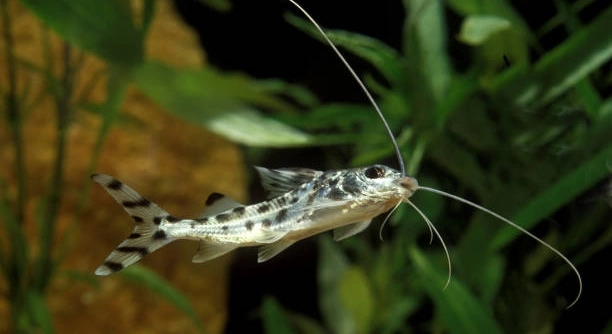
Keeping Pictus catfish in home aquariums has become increasingly popular among fish enthusiasts. These active fish are known for their playful behavior and unique appearance. Understanding their space requirements is important for any aquarist considering them for a smaller tank.
Pictus catfish require sufficient swimming space and good water quality, which a 20-gallon tank may barely provide. While it is possible to keep them in this size, a larger tank is generally recommended for their well-being and natural activity levels.
Knowing the specific needs of Pictus catfish can help ensure a healthy environment and avoid common problems related to tank size and care.
Pictus Catfish Behavior and Space Needs
Pictus catfish are active swimmers that prefer open spaces to explore. They tend to stay near the bottom of the tank but will often swim throughout the middle and upper levels. Their activity level means they need enough room to move freely without feeling cramped. In a 20-gallon tank, their movement can become limited, which may stress the fish over time. They are social animals and prefer to be kept in groups of at least three. A smaller tank can make it challenging to keep a proper group while maintaining good water quality. Additionally, they produce a moderate amount of waste, which requires frequent cleaning and efficient filtration in a limited tank size. Without adequate space and water quality, their health can decline, leading to shorter lifespans or illness.
Keeping a smaller group in a 20-gallon tank is possible but requires careful maintenance and monitoring of water conditions.
Pictus catfish’s social and active nature means a larger tank better supports their behavior. They need space to swim and hide, which helps reduce stress. In a cramped environment, aggression and territorial disputes can increase, especially if there are other bottom-dwelling fish present. Providing hiding spots and a clean, well-filtered tank improves their comfort, but even then, a 20-gallon tank limits their natural behaviors. For optimal health, consider a tank of at least 30 gallons to house a small group comfortably. This allows for better water stability and more room for decorations and plants, which also enrich their environment. In a smaller tank, monitoring water parameters daily becomes essential to avoid harmful buildups of ammonia and nitrates. Overall, while a 20-gallon tank can work temporarily, investing in a larger aquarium will lead to a healthier, happier Pictus catfish group.
Tank Setup Considerations for Pictus Catfish
Maintaining proper filtration and substrate is critical in a smaller tank.
In a 20-gallon tank, strong filtration is necessary to keep the water clean. Pictus catfish prefer fine gravel or sand substrates because they like to dig and search for food. Sharp or rough gravel can harm their sensitive barbels. Adding plants or decorations offers hiding places, reducing stress. Lighting should be moderate, as they prefer dimmer environments. Frequent water changes, about 25% weekly, help maintain good water quality. Temperature should stay between 72 and 79 degrees Fahrenheit to suit their tropical nature. Because the tank size is limited, paying attention to these details prevents common health issues caused by poor water conditions.
A well-maintained tank environment supports the health and behavior of Pictus catfish, even in a smaller setup.
Feeding Pictus Catfish in a Small Tank
Pictus catfish are omnivores and need a balanced diet to stay healthy. In a 20-gallon tank, feeding should be controlled to avoid excess waste.
Feeding small amounts once or twice daily is best. Overfeeding can quickly pollute a small tank, stressing the fish. Pictus catfish enjoy sinking pellets, live or frozen foods like bloodworms, and occasional vegetables. Providing variety helps meet their nutritional needs. Because they are bottom feeders, food should reach the tank floor without staying suspended too long.
Uneaten food should be removed promptly to keep water clean. Consistent feeding habits and monitoring waste production help maintain the tank environment, essential in a smaller aquarium.
Tank Mates for Pictus Catfish in 20-Gallon Tanks
Choosing compatible tank mates is important in limited space. Avoid aggressive or large fish.
Suitable tank mates include small, peaceful species such as tetras or danios. Avoid fish that compete aggressively for food or territory. Bottom dwellers like loaches can create conflict over space. Because Pictus catfish are active swimmers, tank mates should tolerate their energy level without stress. Careful selection promotes harmony and reduces the chance of injury or bullying, which is more common in smaller tanks. Maintaining good water quality and adequate hiding spots supports all fish in a limited space.
Water Parameters for Pictus Catfish
Stable water conditions are essential for Pictus catfish health. They prefer a temperature between 72°F and 79°F, with a pH level ranging from 6.5 to 7.5.
Regular testing and water changes help maintain proper ammonia, nitrite, and nitrate levels. In smaller tanks, fluctuations happen faster, so close monitoring is crucial.
Common Health Issues in Small Tanks
Poor water quality often leads to health problems such as fin rot, fungal infections, and stress-related diseases. Keeping a clean tank reduces these risks.
Stress from overcrowding or poor conditions can weaken their immune system. Proper tank size and maintenance prevent most issues.
Benefits of a Larger Tank for Pictus Catfish
A larger tank provides more stable water parameters and reduces stress from limited space. It allows for natural swimming behaviors and easier maintenance.
More space means better filtration efficiency and less frequent water changes. It also supports a healthy social group, improving overall fish well-being.
Equipment Recommendations for a 20-Gallon Tank
Use a high-quality filter rated for at least 20 gallons. A heater with precise temperature control is necessary.
Additional aeration helps maintain oxygen levels, especially in smaller tanks with active fish.
How many Pictus catfish can I keep in a 20-gallon tank?
In a 20-gallon tank, it is best to keep no more than two or three Pictus catfish. These fish need space to swim actively and social interaction with their group. Crowding more than three can lead to stress and poor water quality, which harms their health. Keeping fewer fish allows for better water maintenance and reduces territorial disputes among them.
What should I feed Pictus catfish in a small tank?
Pictus catfish thrive on a diet that includes sinking pellets designed for bottom feeders, live or frozen foods like bloodworms, and occasional vegetable matter. In a small tank, feed small portions once or twice daily to prevent uneaten food from polluting the water. Remove any leftover food quickly to maintain water quality.
Can Pictus catfish live alone in a 20-gallon tank?
Pictus catfish are social fish that prefer to live in groups. While they can survive alone, it is not ideal for their well-being. In a 20-gallon tank, keeping a single fish is possible but providing companions improves their behavior and reduces stress. If space is limited, a pair is preferable.
What water conditions are best for Pictus catfish?
They prefer water temperatures between 72°F and 79°F with a pH level from 6.5 to 7.5. Stable water parameters are crucial because sudden changes stress them. In a 20-gallon tank, frequent water testing and partial water changes are necessary to keep ammonia and nitrite levels at zero.
How often should I clean a 20-gallon tank with Pictus catfish?
For a tank this size, performing a 25% water change once a week is recommended. Regular cleaning helps remove waste and toxins quickly. You should also clean or replace the filter media monthly. Frequent monitoring of water parameters will help decide if more frequent maintenance is needed.
Are Pictus catfish compatible with other fish in a 20-gallon tank?
Yes, but tank mates must be chosen carefully. Small, peaceful species such as tetras or danios usually work well. Avoid aggressive fish or other bottom dwellers that might compete for space. Compatibility improves with adequate hiding spots and good tank management.
What substrate is best for Pictus catfish in a small tank?
Fine gravel or sand is ideal because Pictus catfish like to dig and forage. Avoid sharp or rough substrates that can damage their sensitive barbels. A soft substrate also helps prevent injuries and promotes natural behavior.
What are signs of stress in Pictus catfish?
Common signs include erratic swimming, hiding excessively, loss of appetite, and damaged fins. Stress often results from poor water quality, overcrowding, or aggressive tank mates. Addressing these factors quickly helps prevent illness.
Is a heater necessary for a 20-gallon tank with Pictus catfish?
Yes, since Pictus catfish are tropical fish, maintaining a stable temperature between 72°F and 79°F is important. A reliable heater with a thermostat ensures the tank stays within this range, avoiding temperature fluctuations that could harm the fish.
Can Pictus catfish jump out of a 20-gallon tank?
They are known to be jumpers, especially when stressed or startled. A secure tank lid or cover is important to prevent escapes and protect the fish from injury.
How fast do Pictus catfish grow?
Pictus catfish grow fairly quickly, reaching about 4 to 5 inches in length within their first year. This growth rate means they will need adequate space early on to accommodate their size comfortably.
What should I do if my Pictus catfish shows signs of illness?
Quarantine the affected fish if possible and test water quality immediately. Common illnesses are often linked to poor water conditions. Treat infections with appropriate medication and improve tank maintenance to prevent recurrence.
Can Pictus catfish coexist with plants in a 20-gallon tank?
Yes, they do well with live plants, which provide hiding spots and improve water quality. Choose hardy plants that can tolerate moderate activity since Pictus catfish may disturb delicate foliage during foraging.
How much filtration is required for a 20-gallon tank with Pictus catfish?
A filter rated for at least 20 gallons with strong biological and mechanical filtration is necessary. Good filtration maintains water quality by handling the waste load from active fish and frequent feeding.
Do Pictus catfish need supplemental aeration in a small tank?
Supplemental aeration is beneficial, especially in a densely stocked or heavily planted 20-gallon tank. It helps maintain oxygen levels and supports healthy fish metabolism.
What lighting conditions are suitable for Pictus catfish?
Moderate to low lighting is best because they prefer dimmer environments. Too much light can cause stress. Using floating plants or decorations can help diffuse light and create shaded areas.
How long do Pictus catfish typically live?
With proper care, Pictus catfish can live up to 8 years. Maintaining good water quality, proper diet, and appropriate tank size significantly impacts their lifespan.
Is it okay to keep Pictus catfish in a community tank?
Yes, as long as tank mates are peaceful and the tank is not overcrowded. Community tanks require careful monitoring to ensure all species’ needs are met and aggression is minimized.
What are common mistakes when keeping Pictus catfish in small tanks?
Overcrowding, poor water maintenance, and inadequate filtration are the most frequent errors. Ignoring their social and space needs leads to stress and illness. Proper research and commitment to tank care prevent these problems.
How important is hiding space in a 20-gallon tank?
Hiding spots are very important. They help reduce stress by giving the catfish safe areas to retreat. Decorations, plants, and caves create a comfortable environment that mimics their natural habitat.
Keeping Pictus catfish in a 20-gallon tank is possible, but it comes with some important considerations. These fish are active swimmers who need space to move around comfortably. While a 20-gallon tank provides limited room, it can work if the number of fish is kept low, ideally two or three. The smaller size means water quality must be monitored closely because waste builds up faster. Regular cleaning, water changes, and a good filtration system are essential to maintaining a healthy environment for the catfish.
Pictus catfish are social creatures that thrive in groups. In a small tank, their social needs can be harder to meet without causing overcrowding. Because of this, it is important to find a balance between the number of fish and the tank’s capacity. Providing hiding places and decorations can help reduce stress by giving the fish space to retreat when they want. The tank setup, including substrate, temperature, and lighting, also affects their comfort and health. Using soft substrate and keeping the water temperature stable within their preferred range supports their well-being.
Although a 20-gallon tank can be managed for Pictus catfish, a larger tank is generally better. It offers more stable water conditions, space for swimming, and room for a small group to live together peacefully. Bigger tanks reduce the risk of water quality issues and make maintenance easier. For anyone committed to keeping these catfish in a smaller tank, attention to detail and consistent care are necessary. Proper feeding, tank mates, and equipment choices will improve the fish’s health and happiness in the long term.

Hello,
If you enjoy the content that we create, please consider saying a "Thank You!" by leaving a tip.
Every little bit helps us continue crafting quality advice that supports the health, happiness, and well-being of pets around the world, for pets of all shapes, sizes, and species.
We really appreciate the kindness and support that you show us!