
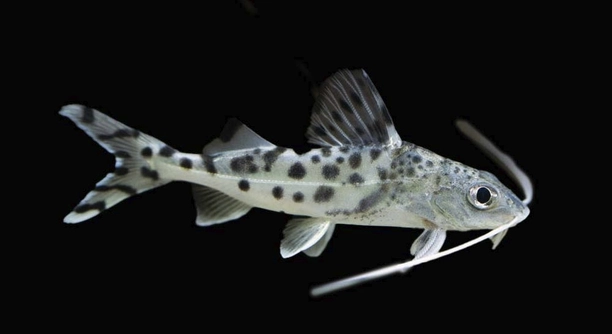
Pictus catfish are popular freshwater fish known for their peaceful nature and striking appearance. Many people enjoy keeping them in home aquariums, but there are several common beliefs about their care that are not entirely accurate. Understanding the truth can help ensure a healthier environment for these fish.
Many myths about pictus catfish arise from misunderstandings of their behavior and needs. These include misconceptions about their diet, tank size, social habits, and lifespan, which can lead to improper care and stress for the fish. Clarifying these points is important for responsible aquarium keeping.
Clearing up these misunderstandings will help you provide better care for your pictus catfish and create a more balanced and happy aquarium. The following sections will explain the truth behind seven widespread myths.
Myth 1: Pictus Catfish Are Aggressive
Pictus catfish are often thought to be aggressive fish that will attack tank mates. This is not true. In reality, they are peaceful and tend to avoid conflict. They usually swim near the bottom of the tank, searching for food. Their quick movements can sometimes be mistaken for aggression, but they are mostly just active and curious. If they feel threatened or crowded, they may become stressed, which is sometimes seen as aggression. Proper tank conditions and peaceful companions help reduce any signs of stress.
Their natural behavior is to stay in groups, so keeping a single pictus catfish can make them nervous. It’s best to keep at least three together for a calm environment. Avoid keeping them with very slow or small fish, as their activity level might stress others.
Understanding their behavior will improve how you manage your aquarium and keep pictus catfish happy and calm.
Myth 2: Pictus Catfish Can Live in Small Tanks
Pictus catfish are often kept in tanks that are too small for their size and activity needs. While they can survive in smaller tanks for a short time, it is not ideal for their health or well-being. These fish grow up to six inches long and require plenty of space to swim. A tank of at least 30 gallons is recommended to provide enough room and water quality stability. Small tanks limit their natural behavior and increase stress, which can lead to illness.
A larger tank also means better water quality and more room for hiding spots and decorations. Pictus catfish appreciate a well-maintained environment with places to rest during the day, as they are mostly nocturnal. They are active swimmers, especially at night, so space is essential for their comfort.
Choosing an appropriate tank size ensures a longer, healthier life for your pictus catfish, while also making tank maintenance easier and more effective. Proper tank size is one of the most important factors in caring for these fish.
Myth 3: Pictus Catfish Are Bottom Feeders Only
Pictus catfish do spend a lot of time near the bottom of the tank, but they are not limited to bottom feeding. They actively search for food throughout the entire tank, including mid-level areas. This behavior helps keep the tank cleaner by eating leftover food.
They have sensitive barbels that help them locate food in dark or murky water. Their diet is varied, and they enjoy sinking pellets, flakes, and live or frozen foods like bloodworms. Feeding them a balanced diet supports their health and vibrant colors. Ignoring their need for variety can lead to nutritional deficiencies.
Despite being active feeders, pictus catfish should not be overfed. Overfeeding causes water pollution and health problems. It’s best to feed them small amounts twice daily and remove uneaten food promptly. This care helps maintain good water quality and keeps the fish healthy.
Myth 4: Pictus Catfish Can Live Alone
While pictus catfish can survive alone, they are naturally social fish that thrive better in groups. A single pictus catfish may become shy or stressed without companions. Keeping them in groups of at least three reduces stress and encourages natural behavior.
Groups of pictus catfish swim together and communicate through movement. This social interaction promotes their well-being. In contrast, a lone fish may hide more and show less activity. Providing a group helps them feel secure and more active.
It is also important to choose tank mates carefully. Pictus catfish prefer peaceful species that do not compete aggressively for food or space. With the right companions and group size, pictus catfish show their true lively and curious nature.
Myth 5: Pictus Catfish Are Nocturnal Only
Pictus catfish are mostly active at night, but they do show activity during the day as well. They may rest in hiding spots during daylight but are not strictly nocturnal. This flexibility helps them adapt to their tank environment and feeding schedule.
Their daytime activity often increases during feeding times. Observing their behavior throughout the day can help you understand their needs better. Providing hiding places lets them feel safe when resting.
Myth 6: Pictus Catfish Do Not Need Hiding Spots
Hiding spots are essential for pictus catfish to reduce stress and feel secure. Without places to hide, they may become nervous or shy. Rocks, caves, and plants offer good shelter for these fish to rest safely.
Providing several hiding places mimics their natural environment. This improves their health and encourages natural behavior. Pictus catfish will use these spots more during the day and when stressed.
Myth 7: Pictus Catfish Have a Short Lifespan
With proper care, pictus catfish can live up to 8–10 years in captivity. Their lifespan depends on good water quality, diet, and tank conditions. Neglect or poor care can shorten their life significantly.
Regular tank maintenance and a balanced diet help them thrive. Monitoring water parameters and avoiding overcrowding are key. Their lifespan can be rewarding when care is consistent and attentive.
Myth 8: Pictus Catfish Do Not Jump
Pictus catfish are known jumpers and can leap out of tanks if lids are not secure. They jump to escape threats or explore their environment. It is important to have a tight-fitting tank cover to prevent accidents.
What do pictus catfish eat?
Pictus catfish are omnivores and enjoy a variety of foods. They eat sinking pellets, flakes, and frozen or live foods like bloodworms, brine shrimp, and daphnia. Their barbels help them find food at the bottom and mid-levels of the tank. It’s important to feed them a balanced diet to keep them healthy and colorful.
Feeding should be done twice a day in small amounts. Avoid overfeeding, as leftover food can pollute the water. Including live or frozen foods occasionally provides essential nutrients and keeps their diet interesting. Vegetables like blanched zucchini or cucumber can be offered sometimes, but animal protein should be the main part of their diet.
How big do pictus catfish get?
Pictus catfish typically grow to about 5 to 6 inches (12 to 15 cm) in home aquariums. In the wild, they may grow slightly larger, but the size depends on tank conditions and diet. Providing enough space and proper nutrition supports healthy growth.
A tank smaller than 30 gallons can stunt their growth or stress the fish. It’s important to plan for their adult size when setting up the aquarium. Keeping them in too small a tank can cause health problems and shorten their lifespan.
Are pictus catfish good for community tanks?
Yes, pictus catfish can be great for community tanks if paired with peaceful, fast-swimming species. They are active but non-aggressive, making them compatible with other similar-sized fish. Avoid very slow or small fish, as pictus catfish’s activity might stress them.
Tank mates like tetras, barbs, and larger peaceful fish work well. Avoid aggressive or territorial fish that might harm or compete with pictus catfish. A peaceful community tank with enough swimming space helps everyone thrive.
Do pictus catfish need special water conditions?
Pictus catfish prefer slightly acidic to neutral water with a pH between 6.5 and 7.5. Water temperature should be kept between 72°F and 78°F (22°C to 26°C). They need clean, well-oxygenated water with moderate current.
Regular water changes and good filtration are essential to keep nitrate levels low. Poor water quality causes stress and disease. Using a water test kit helps maintain ideal conditions and ensures your fish stay healthy.
Can pictus catfish live with plants?
Yes, pictus catfish do well in planted tanks. They enjoy hiding among plants during the day. However, they might sometimes uproot or disturb delicate plants due to their active nature.
Using sturdy plants like Java fern, Anubias, or plastic plants can prevent damage. Plants help improve water quality and provide hiding spots, making the tank more natural and comfortable for the fish.
Why do pictus catfish jump out of tanks?
Jumping is a natural behavior for pictus catfish. They may jump to escape predators, find food, or explore. Sudden changes in water quality or stress can also trigger jumping.
Always keep a secure lid on the tank to prevent escapes. Monitoring water parameters and reducing stress factors lowers the chance of jumping. Providing hiding places and enough swimming space makes them feel safer.
How often should I clean my pictus catfish tank?
Regular tank maintenance is key to pictus catfish health. Partial water changes of 20-30% every week or two help keep water clean. Cleaning the substrate and removing uneaten food reduces waste buildup.
Avoid cleaning the tank completely at once, as it can harm beneficial bacteria. Using a gravel vacuum and gentle filter cleaning keeps the tank balanced. Consistent care prevents disease and supports a healthy environment for your fish.
Pictus catfish are a popular choice for many aquarium owners because of their lively behavior and peaceful nature. However, several myths about their care can cause confusion or mistakes. Understanding the truth about these fish helps ensure they live healthy and comfortable lives. Proper tank size, social needs, diet, and environment all play important roles in their well-being. Taking time to learn about their real needs will make caring for pictus catfish easier and more rewarding.
One key point is that pictus catfish are social animals who prefer living in groups and need enough space to swim freely. Small tanks and solitary keeping can cause stress and reduce their lifespan. They are also more active at night but do show movement during the day, so providing hiding spots is essential for their comfort. Feeding a varied and balanced diet supports their health and keeps their natural colors bright. Regular tank maintenance and monitoring water quality help prevent many common problems.
By debunking common myths, you can avoid many mistakes that harm these fish. Remember that pictus catfish are not aggressive, they can jump out of tanks, and they require a secure environment with proper companions. Paying attention to their real needs will help you enjoy watching their playful nature and graceful swimming. With patience and care, pictus catfish can live for many years, adding life and interest to your aquarium.

Hello,
If you enjoy the content that we create, please consider saying a "Thank You!" by leaving a tip.
Every little bit helps us continue crafting quality advice that supports the health, happiness, and well-being of pets around the world, for pets of all shapes, sizes, and species.
We really appreciate the kindness and support that you show us!