
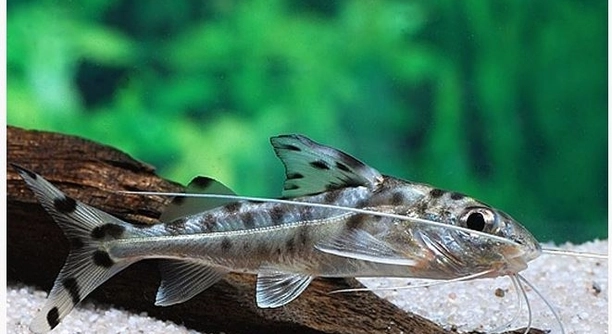
Pictus catfish are known for their active nighttime behavior, which sometimes includes chasing each other around the tank. This activity can surprise fish owners who expect their pets to be calm during the night. Understanding why they do this can help improve their care.
The primary reason pictus catfish chase each other at night is territorial behavior. These fish establish dominance and boundaries within their environment, often leading to chasing and brief confrontations. This natural instinct helps maintain social order and reduce long-term conflicts.
Knowing the causes behind this behavior can guide you in creating a comfortable space for your catfish. It also helps in recognizing normal activity versus signs of stress or aggression.
Understanding Territorial Behavior in Pictus Catfish
Pictus catfish naturally establish territories, especially when kept in smaller tanks or crowded conditions. They use chasing to mark boundaries and assert dominance. This behavior is more common at night because they are nocturnal and more active during those hours. Sometimes the chasing can seem aggressive, but it usually lasts only a short time. Providing enough space and hiding spots can help reduce these encounters. It also helps if the tank is well-decorated with plants, caves, or driftwood where the fish can retreat. Watching their interactions over time helps you see if the chasing is normal or turning into bullying, which could require intervention. Understanding these behaviors allows you to create a more peaceful environment for your catfish.
Keeping the tank environment spacious and enriched reduces stress and limits excessive chasing. This encourages healthier social dynamics within the group.
Regularly observing your catfish’s behavior and making adjustments to their habitat can improve their well-being and reduce nighttime chasing significantly.
Tank Setup and Social Dynamics
Proper tank size is crucial for pictus catfish, as it directly impacts their behavior. A cramped tank leads to more territorial disputes. Ideally, a tank of at least 55 gallons is recommended for a small group. The fish feel less threatened and can spread out, reducing the need for chasing. Socially, pictus catfish prefer living in groups of at least five to eight. This helps diffuse aggression by distributing interactions among multiple fish rather than targeting one. If there are fewer fish, the chasing can become more intense and persistent, leading to stress or injury. Adding plenty of hiding places is equally important, as it lets the fish escape when they want to avoid confrontation. A balanced tank setup ensures both physical space and social harmony.
In a properly sized and structured tank, pictus catfish exhibit less chasing and more natural, peaceful interactions.
Adjusting the number of fish and providing a complex environment can greatly improve their nighttime behavior and overall health.
Nighttime Activity Patterns
Pictus catfish are naturally nocturnal, which means they are most active during the night. Their chasing behavior fits into this pattern as part of their social interactions when they feel safest and least disturbed.
Their nighttime activity is influenced by light levels, tank setup, and the presence of other fish. When the lights go off, they come out to explore and establish their positions within the group. This active period includes chasing, swimming, and searching for food. Nighttime is when they feel less threatened, allowing them to express more natural behaviors.
Because they are more active at night, their chasing can appear more frequent and intense. It is important to monitor this behavior and ensure it does not become aggressive or stressful. Adjusting tank conditions or group size can help manage excessive chasing and maintain a healthy environment for the catfish.
Signs of Stress and Aggression
Excessive chasing at night can sometimes indicate stress or aggression beyond normal social behavior. If catfish are constantly pursued without breaks or show signs of injury, it may be a sign of imbalance in the tank environment.
Stress can result from overcrowding, poor water quality, or lack of hiding places. Aggressive behavior might increase if a dominant fish is overly territorial or if there are not enough companions to spread out the social interactions. Persistent chasing can lead to weakened immune systems and health problems for the fish involved.
To reduce stress and aggression, ensure proper tank size, maintain clean water conditions, and provide plenty of shelter. Observing the fish carefully helps identify any issues early, allowing for timely changes to keep your pictus catfish comfortable and healthy.
Feeding and Chasing Behavior
Pictus catfish often chase each other around feeding times, especially at night when they are most active. This chasing can be part of competition for food or establishing feeding order within the group.
Feeding multiple spots in the tank helps reduce chasing and aggressive behavior. It allows all fish to eat without feeling threatened or pushed aside by others.
Adjusting Lighting to Reduce Chasing
Dimming the tank lights gradually in the evening can help pictus catfish transition calmly to their nighttime activity. Sudden changes in lighting may trigger more chasing as fish react to the shift.
Using a timer for lighting creates a consistent day-night cycle that supports the fish’s natural behavior and helps minimize stress-related chasing at night.
Monitoring and Intervention
If chasing becomes harmful, separating aggressive fish temporarily or rearranging tank decorations can help reset territorial boundaries and reduce conflicts.
Making changes based on your observations can create a calmer environment and promote healthier relationships among your catfish.
FAQ
Why do pictus catfish chase each other only at night?
Pictus catfish are naturally nocturnal, so they are more active during the night. Their chasing behavior is part of establishing social order and territories when they feel safest. The darkness reduces stress from other fish or external activity, allowing them to express natural behaviors like chasing and exploring.
Is chasing a sign of aggression or normal behavior?
Chasing can be normal territorial or social behavior, especially when it happens briefly and the fish show no signs of injury. However, if chasing is constant, intense, or results in wounds, it may indicate aggression or stress. Watching for repeated or harmful chasing can help decide if intervention is needed.
How can I reduce chasing behavior in my pictus catfish?
Providing a larger tank with plenty of hiding spots and decorations helps reduce chasing. Feeding in multiple areas also lowers competition. Maintaining good water quality and appropriate group size ensures a balanced environment, which reduces stress and aggressive chasing.
What tank size is ideal to prevent chasing?
A tank of at least 55 gallons is recommended for a small group of pictus catfish. This size offers enough space for each fish to establish its own territory and reduces the frequency of territorial disputes that cause chasing.
How many pictus catfish should I keep together?
Keeping five to eight pictus catfish together is ideal. A larger group spreads social interactions evenly and prevents a single fish from being targeted. Smaller groups may lead to more intense chasing and stress.
Can lighting affect chasing behavior?
Yes, sudden changes in lighting can trigger more chasing as the fish react to the shift. Using a timer and dimming lights gradually in the evening creates a calm environment that aligns with their natural day-night cycle.
What signs show that chasing is harmful?
Look for injuries like torn fins, scratches, or constant hiding by some fish. Persistent chasing without breaks and visible stress behaviors such as rapid breathing or loss of appetite also indicate harmful aggression.
Should I separate aggressive pictus catfish?
If chasing leads to injury or constant stress, temporarily separating the aggressive fish may help. Rearranging tank decorations afterward can reset territorial boundaries and reduce conflicts when they return.
Does feeding schedule impact chasing?
Feeding at regular times and distributing food in different spots lowers competition and chasing during feeding. Irregular or concentrated feeding can increase chasing as fish compete for limited resources.
Are hiding spots important for pictus catfish?
Yes, hiding spots are essential. They provide refuge for fish to escape chasing or rest without feeling threatened. Plants, caves, and driftwood help create a comfortable environment that reduces stress and aggression.
Can stress cause increased chasing?
Stress from overcrowding, poor water quality, or insufficient hiding spaces can increase chasing behavior. Maintaining a clean, spacious tank with proper companions helps reduce stress-related aggression.
How do I know if my pictus catfish are stressed?
Signs of stress include excessive chasing, hiding, loss of appetite, rapid breathing, and dull coloration. Monitoring behavior and water conditions regularly helps catch stress early and allows timely adjustments.
Is it normal for pictus catfish to swim quickly when chasing?
Yes, rapid swimming during chasing is normal as fish try to assert dominance or escape threats. However, constant frantic swimming can be a sign of stress or poor tank conditions.
Can rearranging tank decorations help with chasing?
Rearranging decorations breaks up established territories and can reduce aggressive chasing. It forces fish to re-establish their boundaries, often leading to calmer social dynamics.
What role does water quality play in chasing?
Poor water quality stresses fish, making them more prone to aggressive behavior like chasing. Regular water changes, proper filtration, and monitoring parameters keep fish healthy and reduce conflicts.
Is chasing more common in male pictus catfish?
Males can be more territorial, especially during breeding periods, which may increase chasing. Keeping a balanced group with enough hiding places can help manage this behavior.
Can tank mates influence chasing in pictus catfish?
Yes, aggressive or territorial tank mates can increase stress and chasing. Choosing peaceful companions helps maintain harmony and reduces aggressive interactions.
How often should I observe my catfish for chasing behavior?
Regular daily observation, especially during nighttime when pictus catfish are most active, helps detect changes in behavior early. This allows timely intervention if chasing becomes harmful.
Is chasing a form of play for pictus catfish?
While chasing mainly serves territorial and social functions, it may also include playful interactions, especially in well-established groups. Distinguishing playful chasing from aggressive behavior is important for their care.
Pictus catfish chasing each other at night is a behavior rooted in their natural instincts. As nocturnal fish, they become more active when the lights go off, using this time to explore their environment and interact with one another. This chasing is often linked to establishing territories and social order within the group. While it may look concerning, it is usually a normal part of their behavior as they figure out their places in the tank. Understanding this helps in recognizing what is typical and what might signal a problem.
Creating the right environment is key to managing nighttime chasing in pictus catfish. A spacious tank with at least 55 gallons for a small group allows them to spread out and reduces the frequency of chasing. Adding plenty of hiding spots, such as caves, plants, or driftwood, gives the fish places to retreat when they want to avoid conflicts. Feeding the fish in several areas also limits competition and aggressive chasing during mealtime. Maintaining good water quality and a proper social group size further supports a balanced environment where chasing is kept at a healthy level.
It is important to observe your pictus catfish regularly to ensure the chasing does not become harmful. Signs like constant pursuit, injuries, or stressed behavior indicate the need for changes, such as rearranging decorations or temporarily separating aggressive fish. Lighting can also play a role; gradual dimming in the evening helps reduce sudden activity spikes. By providing proper care and paying attention to their behavior, you can create a comfortable and safe home for your pictus catfish, allowing them to live naturally without undue stress or conflict.

Hello,
If you enjoy the content that we create, please consider saying a "Thank You!" by leaving a tip.
Every little bit helps us continue crafting quality advice that supports the health, happiness, and well-being of pets around the world, for pets of all shapes, sizes, and species.
We really appreciate the kindness and support that you show us!