
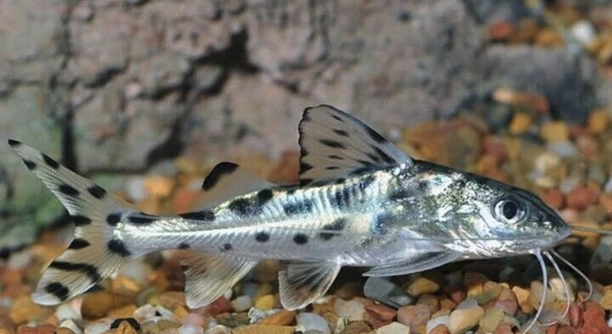
Erratic swimming in Pictus catfish can be worrying for fish owners. These unusual movements often signal stress or environmental problems that affect the fish’s well-being. Understanding what causes this behavior is important for maintaining a healthy tank.
Seven main triggers cause erratic swimming in Pictus catfish, including poor water quality, sudden changes in temperature, overcrowding, inadequate hiding spaces, infections, improper diet, and aggressive tank mates. Each factor disrupts the fish’s natural behavior and overall health.
Knowing these triggers can help you create a stable environment and improve your Pictus catfish’s comfort and safety in your aquarium.
Poor Water Quality
Poor water quality is one of the most common reasons for erratic swimming in Pictus catfish. When ammonia, nitrite, or nitrate levels rise, the fish become stressed and uncomfortable. This can cause them to swim erratically, gasp for air, or hide more than usual. Regular water changes and testing help keep these harmful substances in check. Chlorine or heavy metals in tap water can also irritate fish, so using a water conditioner is important. Additionally, overfeeding contributes to waste buildup, worsening water quality. Watching for cloudy water, foul smells, or algae blooms can help you identify water issues early. Pictus catfish need a stable and clean environment to thrive. Maintaining proper filtration and avoiding sudden changes in water parameters reduce stress and prevent erratic swimming. Small steps to improve water conditions can make a big difference in your fish’s behavior and health.
Maintaining clean water with regular testing and changes reduces stress and prevents erratic swimming caused by poor water quality.
Pictus catfish are sensitive to their environment. When water quality drops, their gills struggle to get enough oxygen. This forces them to swim erratically or come to the surface more often. By keeping the tank clean and stable, you support their natural behavior and long-term health.
Sudden Temperature Changes
Sudden temperature changes can shock Pictus catfish and cause them to swim erratically. These fish prefer stable water temperatures between 74°F and 79°F (23°C to 26°C). Quick fluctuations, especially drops, stress their system and affect their metabolism. This may result in frantic swimming or lethargy. Avoid placing the tank near heaters, air conditioners, or windows where temperature swings are common. Using a reliable aquarium heater and thermometer helps maintain consistent warmth. When doing water changes, make sure the new water matches the tank temperature closely. Gradual adjustments are better if temperature changes are necessary. Fish that live in stable temperatures adapt better and show fewer signs of stress. Sudden temperature shifts disrupt their comfort zone and can weaken their immune system.
Temperature stability supports healthy behavior and reduces stress responses that lead to erratic swimming in Pictus catfish.
Pictus catfish come from slow-moving tropical rivers with stable climates. Inconsistent temperatures confuse their bodies and disrupt normal functions like digestion and breathing. Sudden cold water can slow their metabolism, causing rapid or unusual movements. On the other hand, overheating raises their heart rate, leading to exhaustion and erratic swimming. It is best to keep the temperature steady with reliable equipment. If the room temperature fluctuates, consider insulating the tank. Monitoring temperature regularly allows early action before fish become stressed. This simple care routine can improve your Pictus catfish’s behavior and overall well-being.
Overcrowding
Too many fish in the tank can cause stress and erratic swimming in Pictus catfish. Overcrowding leads to competition for space and resources, which makes fish uneasy.
When tanks are overcrowded, Pictus catfish may dart around quickly or hide more often. The lack of personal space increases stress hormones, affecting their health. Overcrowded tanks also mean higher waste buildup, which lowers water quality. This combination of factors makes it harder for Pictus catfish to settle, causing them to swim erratically as they try to find comfortable spots. It’s important to give them enough room and maintain a balanced fish population.
Providing sufficient space for each fish helps reduce stress and promotes calmer swimming behavior in Pictus catfish.
Pictus catfish are active and need room to explore. A crowded tank limits their movement and natural behavior. When they feel trapped, their swimming becomes unpredictable. Ensuring an appropriate tank size based on the number of fish allows for better water circulation and less aggression. This also improves oxygen levels and reduces stress, which can help your Pictus catfish swim more steadily and enjoy a healthier life.
Infections and Parasites
Infections or parasites can cause sudden changes in swimming patterns. Pictus catfish with infections may swim erratically due to discomfort or weakness. External parasites irritate their skin and fins, triggering unusual movements to try to remove the pests.
Internal infections affect organs and energy levels, making swimming difficult or uncoordinated. Early signs include flashing (rubbing against objects), clamped fins, or lethargy. Treatments vary depending on the type of infection but usually involve medication and improving tank conditions. Quarantining sick fish helps prevent spread. Maintaining clean water and reducing stress lowers the chance of infections. Paying attention to behavior changes helps catch health problems before they worsen. Acting quickly supports recovery and keeps erratic swimming from becoming a long-term issue.
Inadequate Hiding Spaces
Pictus catfish need places to hide to feel secure. Without enough hiding spots, they become stressed and swim erratically.
Adding caves, plants, or decorations gives them safe areas to retreat. This reduces stress and promotes calm swimming behavior.
Improper Diet
A poor diet affects energy and health, leading to unusual swimming patterns. Pictus catfish require a balanced diet of protein and plant matter to stay healthy. Feeding only flakes or low-quality food can cause nutritional deficiencies, weakening them and causing erratic movements. Including sinking pellets, live or frozen foods helps meet their needs. Consistent feeding schedules and avoiding overfeeding support stable behavior and reduce swimming issues.
Aggressive Tank Mates
Aggressive fish disturb Pictus catfish, causing stress and erratic swimming. Keeping peaceful companions helps maintain calm behavior.
What causes erratic swimming in Pictus catfish?
Erratic swimming in Pictus catfish is usually caused by stress or discomfort. Common reasons include poor water quality, sudden temperature changes, overcrowding, lack of hiding places, infections, improper diet, and aggressive tank mates. Each factor disrupts the fish’s normal behavior and health, making them swim unpredictably or frantically.
How can I improve water quality to help my Pictus catfish?
Improving water quality involves regular water changes, proper filtration, and testing water parameters often. Remove uneaten food and waste quickly to prevent ammonia and nitrite buildup. Use a water conditioner to neutralize chlorine and heavy metals. Keeping the tank clean and stable supports the fish’s health and reduces erratic swimming caused by stress.
What temperature range is best for Pictus catfish?
Pictus catfish thrive in temperatures between 74°F and 79°F (23°C to 26°C). Keeping the water stable within this range prevents stress. Avoid sudden temperature drops or spikes by using a reliable heater and thermometer. Gradual temperature changes help the fish maintain normal metabolism and behavior.
How many Pictus catfish should be kept in one tank?
A good rule is to have no more than one Pictus catfish per 10 gallons of water. Overcrowding causes stress and competition for space, leading to erratic swimming. Providing enough room allows each fish to swim freely and reduces aggressive interactions.
What kind of hiding places do Pictus catfish need?
Pictus catfish appreciate caves, dense plants, driftwood, or decorations where they can hide. These areas make them feel secure and reduce stress. Lack of hiding spots often results in erratic swimming because the fish feel exposed and unsafe.
How can I tell if my Pictus catfish has an infection or parasites?
Signs of infection or parasites include flashing (rubbing against objects), clamped fins, visible spots or sores, lethargy, and erratic swimming. Early detection is key. Quarantine sick fish and treat with appropriate medication. Maintaining good water quality helps prevent infections.
What is the best diet for Pictus catfish?
A balanced diet with sinking pellets, live or frozen foods like bloodworms, and occasional vegetable matter keeps Pictus catfish healthy. Avoid feeding only flakes or poor-quality food. Proper nutrition supports their energy levels and stable swimming behavior.
Can aggressive tank mates cause erratic swimming in Pictus catfish?
Yes, aggressive fish can stress Pictus catfish, causing them to swim erratically or hide constantly. It’s best to keep them with peaceful species that won’t chase or bully them. A calm community tank promotes healthy behavior.
How often should I test my aquarium water?
Testing water at least once a week helps detect harmful changes early. Check ammonia, nitrite, nitrate, pH, and temperature. Regular monitoring prevents conditions that cause stress and erratic swimming in your Pictus catfish.
Is it normal for Pictus catfish to swim erratically sometimes?
Occasional quick or sudden swimming bursts can be normal, especially during feeding or exploring. However, consistent erratic swimming usually signals stress or health problems. Watching their overall behavior helps determine if intervention is needed.
Final Thoughts
Erratic swimming in Pictus catfish is often a sign that something in their environment needs attention. These fish are sensitive to changes in water quality, temperature, and tank conditions. When their surroundings are not ideal, they react by swimming unpredictably or showing signs of stress. It is important to keep their tank clean, stable, and comfortable to prevent this behavior. Regular testing of water and maintaining good filtration play a big role in creating a healthy space for them. Simple actions like consistent water changes and careful feeding can improve their well-being significantly.
Providing enough space and hiding spots also helps Pictus catfish feel secure. Overcrowded tanks or a lack of places to retreat can increase stress, leading to erratic movements. These fish are naturally active and enjoy exploring, but they also need safe areas to hide when they feel threatened. Including caves, plants, or driftwood in the tank can give them a sense of security. This reduces their anxiety and allows them to swim calmly. Watching their behavior closely can help you understand when they feel comfortable or when something is wrong.
Health issues like infections or parasites can cause sudden changes in swimming patterns. Early detection and treatment are key to helping your fish recover. Keeping your fish on a balanced diet and choosing peaceful tank mates also support their health and reduce stress. Erratic swimming is often a signal that your Pictus catfish needs some care and attention. By paying close attention to their environment and habits, you can help them live a happier and healthier life. Taking small, consistent steps in caring for your aquarium will benefit your fish over the long term.

Hello,
If you enjoy the content that we create, please consider saying a "Thank You!" by leaving a tip.
Every little bit helps us continue crafting quality advice that supports the health, happiness, and well-being of pets around the world, for pets of all shapes, sizes, and species.
We really appreciate the kindness and support that you show us!