
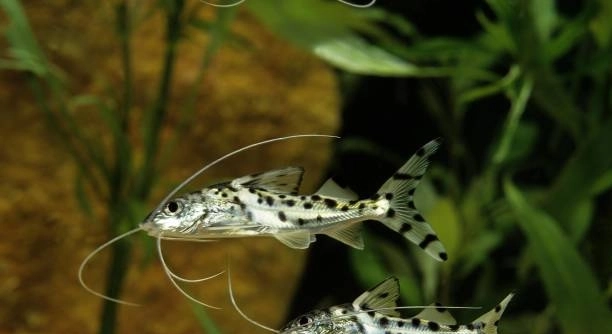
Are your aquarium tanks looking good but still not quite right for your fish? Many aquarium owners stick with their current setup without thinking about needed improvements. It is important to consider changes that can benefit your aquatic environment.
Rethinking your tank setup can improve water quality, fish health, and overall tank stability. Factors like filtration, lighting, and tank size directly affect the wellbeing of your aquatic life and the success of maintaining a balanced ecosystem.
Understanding why your tank may need changes can help you provide a healthier home for your fish. The following reasons will guide you to evaluate and improve your current setup effectively.
Inadequate Filtration System
A filtration system is essential to keep your tank clean and safe for your fish. Many tanks suffer from inadequate filtration, which leads to poor water quality. Without proper filtration, harmful toxins like ammonia and nitrites build up quickly. These substances can stress your fish and even cause illness or death. It is important to choose a filter that matches the size and bioload of your tank. Regular maintenance is also necessary to keep the filter functioning well. Cleaning or replacing filter media on schedule ensures that the water stays clear and healthy. Inadequate filtration can also cause unpleasant odors and cloudy water, making your tank less enjoyable to look at. By upgrading or properly maintaining your filter, you can create a safer environment that supports the health of your aquatic pets.
Proper filtration maintains water clarity and prevents toxin buildup, which are key to keeping fish healthy and stress-free in your tank.
A well-maintained filtration system removes waste and debris while promoting beneficial bacteria growth. This bacteria helps break down harmful substances naturally. Filters come in many types, such as sponge, canister, or hang-on-back models. Selecting the right type depends on your tank’s needs and fish species. Over-filtering is less risky than under-filtering, but balance is important. Regularly test water parameters to monitor filter effectiveness. Keeping the filter clean but not overly sanitized helps maintain beneficial bacteria colonies. When upgrading, consider filters with multiple stages for mechanical, chemical, and biological filtration. This comprehensive approach will improve water quality and reduce frequent water changes. Investing in a good filter setup saves time and protects your fish from health issues caused by poor water conditions.
Lighting and Plant Health
Lighting plays a major role in the health of live plants in your tank. Proper lighting supports photosynthesis, helping plants grow strong and vibrant. Insufficient light causes plants to wither and die, which can reduce oxygen levels and affect fish behavior. Too much light, however, may lead to unwanted algae growth. Finding the right balance is essential for a healthy tank environment. Use lighting designed specifically for aquariums, as these provide the right spectrum for plant growth. Set timers to ensure consistent light periods, mimicking natural day and night cycles. Adjust light intensity based on plant species and tank size. Healthy plants improve water quality by absorbing nitrates and producing oxygen, creating a better habitat for fish. By optimizing lighting, you support a thriving aquatic ecosystem and enhance your tank’s appearance.
Tank Size and Fish Compatibility
Choosing the right tank size is crucial for fish health and comfort. Overcrowding leads to stress, poor water quality, and aggressive behavior among fish. Fish need enough space to swim and establish territory. Matching fish species with tank size prevents many common problems.
Too small a tank limits oxygen levels and increases toxin buildup. Larger tanks provide more stable water conditions and better dilution of waste. Some fish grow quickly or need extra space for swimming. Research the adult size and behavior of your fish before setting up your tank. Overstocking makes filtration and maintenance more difficult, risking health issues. A spacious tank reduces stress and allows natural behavior, improving lifespan. Proper planning avoids frequent rehoming or tank changes. Investing in a suitable tank size ensures a safer, more enjoyable aquarium experience for both you and your fish.
Monitoring fish compatibility involves more than size. Some species are territorial or aggressive, while others thrive in community tanks. Grouping fish by temperament and habitat needs prevents conflicts. Also, consider water parameters like temperature and pH. Keeping incompatible fish together can lead to injury or stress. Providing enough hiding spots and decorations helps reduce territorial disputes. Regular observation helps identify early signs of stress or aggression. A well-planned tank creates a peaceful environment where fish coexist healthily.
Water Testing and Maintenance Routine
Regular water testing is essential to maintain healthy aquarium conditions. Testing for ammonia, nitrites, nitrates, pH, and hardness ensures the water stays within safe ranges for your fish. Without consistent testing, problems can develop unnoticed, leading to poor fish health or death. Establishing a maintenance routine that includes weekly water changes and testing helps keep your tank stable and clean.
Water quality can deteriorate quickly, especially in smaller tanks or heavily stocked ones. Testing kits are affordable and easy to use, providing immediate feedback on water conditions. Tracking changes over time allows you to address issues early. Water changes remove excess nutrients and waste, preventing algae blooms and toxic buildup. Using a gravel vacuum during water changes cleans the substrate of debris. Maintaining a schedule reduces sudden shifts in water chemistry, which can stress fish. Keeping a log of test results helps spot trends and improve tank management. Consistency is key to avoiding common water-related problems and promoting a thriving aquarium.
Overfeeding and Waste Management
Overfeeding fish leads to excess waste that pollutes the tank. Uneaten food decomposes, increasing ammonia levels and harming water quality. Feeding small amounts once or twice daily helps prevent this problem and keeps the tank cleaner.
Good waste management includes regular removal of debris and uneaten food. Using a siphon or gravel vacuum during water changes helps maintain a clean substrate and reduces toxin buildup.
Proper Temperature Control
Maintaining a stable water temperature is vital for fish health. Sudden changes or extreme temperatures cause stress and lower fish immunity. Use a reliable heater and thermometer to keep the temperature consistent within species-specific ranges. Avoid placing tanks near drafts, heaters, or direct sunlight to reduce fluctuations.
Incompatible Tank Decorations
Certain decorations can harm fish or alter water chemistry. Avoid sharp objects that may injure fish during swimming or hiding. Some rocks or woods release harmful substances or change pH levels, affecting tank balance. Choose decorations designed specifically for aquariums to ensure safety.
Neglecting Quarantine Procedures
Introducing new fish without quarantine risks spreading diseases to existing tank inhabitants. Quarantine new arrivals for at least two weeks in a separate tank to monitor health and prevent infections. This step protects your established tank from outbreaks and reduces stress for all fish.
How often should I change the water in my tank?
Water changes should be done regularly, typically 10-20% weekly or 25-30% every two weeks. This helps remove waste, excess nutrients, and toxins that build up over time. Smaller tanks may need more frequent changes since water quality can deteriorate faster.
Can I mix different fish species in one tank?
Mixing fish species requires careful consideration of their size, temperament, and environmental needs. Some fish are peaceful and do well with others, while aggressive or territorial species may cause stress and injury. Researching compatibility and monitoring behavior is important to maintain harmony in the tank.
What is the best way to feed my fish?
Feed small amounts once or twice a day, giving only what the fish can consume in 2-3 minutes. Overfeeding leads to waste buildup and poor water quality. Varying the diet with flakes, pellets, frozen, or live food provides balanced nutrition and supports fish health.
How do I know if my fish are stressed?
Signs of stress include hiding more than usual, loss of appetite, rapid gill movement, erratic swimming, or faded colors. Stress can be caused by poor water quality, overcrowding, aggressive tank mates, or improper temperature. Addressing these factors quickly helps prevent illness.
Why is my tank water cloudy?
Cloudy water can result from bacterial blooms, overfeeding, or poor filtration. It often happens when a new tank cycles or when excess organic material accumulates. Improving filtration, reducing feeding, and performing water changes usually clears the water.
Do live plants help my aquarium?
Yes, live plants improve water quality by absorbing nitrates and producing oxygen. They also provide hiding places and reduce stress for fish. However, they need proper lighting and care. Some plants help control algae by competing for nutrients.
How important is the aquarium heater?
A heater is essential for tropical fish that require stable temperatures. Fluctuations cause stress and increase disease risk. Choose a heater sized for your tank and use a reliable thermometer to monitor temperature daily. Avoid placing the tank near drafts or heating vents.
Can I use tap water directly in my tank?
Tap water usually contains chlorine or chloramine, which are harmful to fish. Treat tap water with a water conditioner to neutralize these chemicals before adding it to your tank. Testing water parameters before use is also recommended to ensure safety.
What should I do if I see algae growing?
Algae growth is common but should be controlled. Reduce lighting duration, avoid overfeeding, and keep nutrient levels low by regular water changes. Adding algae-eating fish or snails can help. Physically removing algae from decorations and glass improves tank appearance.
Why is my fish dying despite good care?
Fish can die due to hidden diseases, stress, or water parameter imbalances. Introducing new fish without quarantine, sudden changes in water quality, or incompatible tank mates can cause illness. Regular observation and testing help catch problems early. Maintaining a stable, clean environment is key.
How can I prevent fish diseases?
Prevent diseases by quarantining new fish, maintaining good water quality, and avoiding overcrowding. Feeding a balanced diet strengthens immune systems. Avoid sudden changes in temperature or water chemistry. If disease appears, act quickly with appropriate treatment and isolate affected fish if needed.
What is the nitrogen cycle and why does it matter?
The nitrogen cycle is the process where beneficial bacteria convert toxic ammonia from fish waste into less harmful nitrites and then nitrates. This cycle is essential for tank health. A new tank needs time to establish these bacteria before adding many fish, or water quality can rapidly decline.
Is it okay to keep fish in a bowl?
Bowls are generally too small and unstable for most fish, leading to poor water quality and stress. They lack proper filtration, oxygenation, and space. If using a bowl, choose small species suited for limited space, but a properly filtered tank is always better.
How do I choose the right filter?
Select a filter based on tank size and bioload. Filters with mechanical, chemical, and biological stages provide thorough cleaning. Over-filtering is safer than under-filtering, but avoid creating too strong a current for your fish. Regular maintenance ensures filters work efficiently.
What decorations are safe for my tank?
Use aquarium-safe decorations that do not leach harmful chemicals or alter water chemistry. Avoid sharp objects that can injure fish. Natural rocks and driftwood should be properly prepared. Decorations add hiding places, reduce stress, and improve tank aesthetics.
These frequently asked questions cover essential points to help maintain a healthy and balanced aquarium setup. Addressing these topics thoughtfully can improve your experience and your fish’s wellbeing.
Rethinking your current tank setup can greatly improve the health and happiness of your fish. Many issues with tanks come from overlooked factors like filtration, tank size, or water quality. Taking time to evaluate these details allows you to spot problems early and make necessary adjustments. Small changes often lead to big improvements in your aquarium’s environment. This helps create a more stable and balanced habitat where your fish can thrive.
Making improvements doesn’t always mean spending a lot of money or starting over. Sometimes it’s as simple as adjusting your maintenance routine, upgrading your filter, or rethinking fish compatibility. Understanding how each part of your tank setup works together is important. Water, light, decorations, and fish all affect one another. When these elements are in balance, your tank will be healthier and easier to care for. Consistent care and attention help prevent stress and disease in your aquatic pets.
Taking the time to rethink your tank setup is an investment in your fish’s well-being and your own enjoyment. A well-maintained aquarium not only looks better but also provides a better environment for aquatic life. Regularly reviewing your tank’s needs and making thoughtful changes improves water quality, fish behavior, and plant growth. This approach makes fishkeeping more rewarding and helps you avoid common problems before they start. The effort you put into improving your tank setup will pay off in a thriving, beautiful aquarium.

Hello,
If you enjoy the content that we create, please consider saying a "Thank You!" by leaving a tip.
Every little bit helps us continue crafting quality advice that supports the health, happiness, and well-being of pets around the world, for pets of all shapes, sizes, and species.
We really appreciate the kindness and support that you show us!