
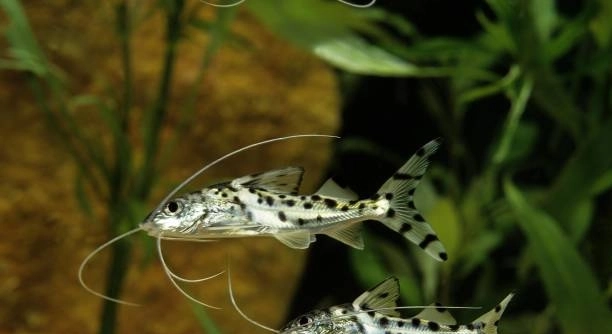
Pictus catfish are popular freshwater fish known for their active and peaceful nature. They live comfortably in community tanks but sometimes avoid certain tankmates. Understanding their behavior can help create a better aquarium environment.
Pictus catfish avoid certain tankmates primarily due to differences in temperament, territorial behavior, and potential stress caused by more aggressive or larger fish. These factors affect their comfort, safety, and overall well-being in a shared tank.
Knowing which tankmates to avoid is important for keeping your pictus catfish healthy and happy. The right companions can make all the difference in their daily behavior and tank harmony.
Temperament Differences Affecting Compatibility
Pictus catfish are peaceful by nature and prefer calm tankmates. Fish that are overly aggressive or territorial can cause stress and lead to hiding or injury. For example, cichlids, which often display strong territorial behavior, are usually not a good match for pictus catfish. The catfish prefer to swim freely near the bottom and need space without constant threats. Active, peaceful species that share similar water conditions tend to get along better. It’s also important to avoid fast-moving fish that may outcompete pictus catfish for food, as they are not the most aggressive feeders. Keeping a balanced tank with compatible temperaments helps maintain peace and reduces stress. This harmony supports their health and natural behaviors, making the aquarium a comfortable place for all its inhabitants.
Stress from incompatible tankmates can weaken pictus catfish and lead to illness or injury.
Choosing calm, similarly sized fish helps pictus catfish thrive in a community tank without fear or competition.
Size and Space Requirements
Pictus catfish grow relatively large, up to 5 inches or more, so tankmates should be of similar size or larger to prevent bullying or accidental harm. Small fish can become easy targets or stress triggers for pictus catfish, which can feel threatened or cornered. Likewise, overcrowding reduces available space and increases competition, causing anxiety. Providing enough hiding spots and open swimming areas is essential. Space allows pictus catfish to escape if needed and explore comfortably. Overly territorial fish in a confined tank will heighten tensions. It’s best to keep pictus catfish with species that respect personal space and do not dominate the tank. Proper planning of tank size and inhabitants ensures peaceful coexistence and healthier fish. Understanding these space needs will improve the overall balance and happiness of your aquarium community.
Feeding Behavior Conflicts
Pictus catfish are nocturnal feeders and prefer to eat at the bottom of the tank. This behavior can clash with more aggressive or faster fish that feed during the day or snatch food quickly. If tankmates dominate the feeding area, pictus catfish may miss meals and become stressed.
Feeding conflicts occur when faster or aggressive fish consume food before pictus catfish get a chance. Pictus catfish rely on sinking pellets or wafers, so surface feeders can easily outcompete them. This can cause malnutrition or slow growth if the catfish cannot access enough food regularly. It’s important to feed at multiple points and times or use feeding rings to keep food near the bottom. Choosing tankmates with similar feeding habits reduces competition and keeps pictus catfish healthy.
Proper feeding strategies and compatible species ensure pictus catfish get enough nutrition without constant stress from food competition.
Stress and Territorial Behavior
Stress from aggressive or territorial fish can cause pictus catfish to hide excessively or become lethargic. This affects their immune system and increases disease risk. Territorial fish often chase or nip at pictus catfish, disrupting their normal behavior.
Avoiding highly territorial species is crucial. Pictus catfish need peaceful companions that respect their space. Overcrowding can worsen territorial disputes, so proper tank size matters. Providing plenty of hiding spots reduces stress by allowing pictus catfish to retreat when threatened. A calm, stable environment supports their well-being and encourages natural activity. Observing how fish interact early on can prevent long-term problems and keep the tank peaceful.
Water Parameter Preferences
Pictus catfish thrive in slightly acidic to neutral water with moderate hardness. Tankmates that require very different water conditions can cause stress or illness for pictus catfish.
Keeping compatible water parameters ensures all fish remain healthy and comfortable, reducing conflict caused by environmental stress.
Activity Level Differences
Pictus catfish are active swimmers, especially at night. Tankmates that are either too slow or too aggressive during the day may disrupt their natural behavior and rest cycles.
Matching activity levels helps maintain a balanced tank where all fish can behave naturally without constant disturbance or stress.
Hiding Space Importance
Pictus catfish need ample hiding spots like caves and plants to feel secure. Without enough cover, they become stressed and may hide excessively or show signs of illness.
Providing sufficient shelter improves their comfort and encourages natural behaviors, leading to healthier and happier fish.
What tankmates should I avoid with pictus catfish?
Avoid aggressive or highly territorial fish such as cichlids and large barbs, which can stress pictus catfish. Very small fish should also be avoided, as pictus catfish might accidentally harm or outcompete them. Fast-moving surface feeders may disrupt feeding time for pictus catfish. Choosing peaceful, similarly sized species is best.
How do pictus catfish behave around aggressive tankmates?
Pictus catfish tend to become shy and hide more when housed with aggressive fish. This stress can lead to reduced activity, poor feeding, and increased susceptibility to disease. They may also suffer physical harm if chased or nipped repeatedly.
Can pictus catfish live with other bottom dwellers?
Yes, pictus catfish can live well with other peaceful bottom dwellers like corydoras or kuhli loaches. It’s important to ensure enough hiding spaces and territory for each species to avoid conflicts. Mixing bottom dwellers that share similar temperaments usually works well.
How important is tank size for pictus catfish?
Tank size is very important. Pictus catfish grow fairly large and need plenty of space to swim freely. Overcrowded tanks increase stress and territorial disputes. A tank of at least 30 gallons is recommended to provide room for pictus catfish and compatible tankmates.
What feeding tips help pictus catfish in community tanks?
Feed sinking pellets or wafers near the bottom since pictus catfish are bottom feeders. Feeding at multiple spots or times can reduce food competition. Avoid fast or aggressive feeders that outcompete pictus catfish for food. Providing enough food prevents malnutrition and stress.
Do pictus catfish need hiding places?
Yes, hiding places like caves, plants, or decorations are essential. These spots let pictus catfish retreat when stressed or threatened. Without enough cover, they may hide excessively or show signs of illness. Providing shelter supports their well-being and natural behavior.
What water parameters suit pictus catfish and their tankmates?
Pictus catfish prefer slightly acidic to neutral pH (6.5–7.5) and moderate hardness. Tankmates should have similar water requirements to avoid stress. Sudden changes or incompatible water conditions can weaken the fish and cause health problems.
How does activity level affect tankmate compatibility?
Pictus catfish are mostly nocturnal and quite active at night. Tankmates that are too slow or too aggressive during the day may disrupt their rest or create stress. Balancing activity levels helps maintain a peaceful environment where all fish behave naturally.
Can pictus catfish coexist with aggressive fish if the tank is large enough?
While a larger tank offers more space, it does not guarantee harmony with aggressive fish. Stress and territorial behaviors can still harm pictus catfish. Peaceful, compatible tankmates are always a safer choice to avoid unnecessary problems.
What signs indicate pictus catfish are stressed by tankmates?
Signs include hiding frequently, reduced appetite, erratic swimming, or dull coloration. Stress weakens their immune system and can lead to illness. Observing these behaviors early helps to adjust the tank setup or change tankmates for their well-being.
Are pictus catfish compatible with schooling fish?
Yes, pictus catfish often do well with peaceful schooling fish like tetras or rasboras. Schooling fish tend to stay mid or top levels, reducing direct competition or conflict. This separation helps pictus catfish feel more secure in the bottom area.
How do territorial behaviors show in pictus catfish?
Pictus catfish are generally peaceful but can show mild territoriality around hiding spots. Conflicts may arise if territory is limited. Providing multiple hiding places and enough space reduces aggression and stress.
Is it okay to keep multiple pictus catfish together?
Yes, pictus catfish enjoy company and feel safer in small groups of three or more. They often display social behaviors when kept together, but make sure the tank is large enough to prevent overcrowding.
What tank decorations help pictus catfish feel secure?
Plants, rocks, driftwood, and caves create natural hiding spots and mimic their natural environment. These decorations reduce stress and encourage natural behavior like exploring and resting. A well-decorated tank supports their health and comfort.
Can pictus catfish live with shrimp or snails?
Pictus catfish may occasionally prey on small shrimp but usually ignore larger snails. If you want to keep shrimp, choose larger species and provide plenty of hiding spots. Snails are generally safe tankmates and can help clean the tank.
How often should I monitor pictus catfish interactions with tankmates?
Regular observation, especially after introducing new fish, is important. Watch for signs of aggression or stress and intervene early if problems arise. Maintaining a peaceful community requires attention to how fish behave together over time.
When keeping pictus catfish in a community tank, it is important to choose tankmates carefully. These fish have specific needs and behaviors that affect how they interact with others. Pictus catfish prefer peaceful companions that do not compete aggressively for food or territory. Avoiding aggressive or overly territorial fish helps reduce stress and allows pictus catfish to swim and feed comfortably. Providing enough space and hiding places also makes a big difference in their overall happiness and health.
Pictus catfish are active bottom dwellers and often feed at night. This means tankmates with similar activity levels and feeding habits tend to get along better. Fast or aggressive feeders can cause problems by taking food too quickly or disturbing the pictus catfish during their active times. It’s important to feed sinking pellets or wafers near the bottom and offer food in different spots. This way, pictus catfish can eat properly without competition, which supports their growth and well-being.
Water conditions also play a key role in tankmate compatibility. Pictus catfish prefer slightly acidic to neutral water with moderate hardness. Mixing fish with very different water needs can lead to stress and health issues. Keeping water stable and within the right parameters for all tank inhabitants helps maintain a peaceful and healthy aquarium. By paying attention to temperament, size, feeding habits, and water quality, you can create a balanced environment where pictus catfish and their tankmates live well together.

Hello,
If you enjoy the content that we create, please consider saying a "Thank You!" by leaving a tip.
Every little bit helps us continue crafting quality advice that supports the health, happiness, and well-being of pets around the world, for pets of all shapes, sizes, and species.
We really appreciate the kindness and support that you show us!