
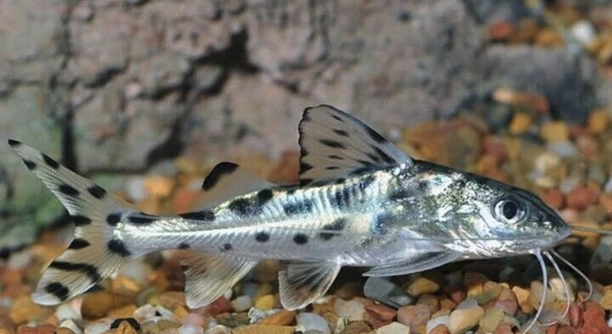
Do you enjoy keeping Pictus Catfish in your aquarium and wonder how they respond to daily habits? Many fish owners observe their catfish and notice patterns in their behavior. Understanding these patterns can improve their care.
Pictus Catfish do benefit from a consistent routine, as it helps reduce stress and encourages natural behaviors. Regular feeding times, stable water conditions, and predictable tank maintenance contribute to their overall well-being and comfort in captivity.
Learning how routine impacts your Pictus Catfish can enhance their health and make your aquarium a calmer environment. This article will explain the key points to consider for better care.
Importance of Consistent Feeding Times
Keeping feeding times consistent helps Pictus Catfish feel secure in their environment. These fish quickly learn when to expect food, which lowers anxiety and prevents erratic behavior. If feeding is unpredictable, catfish may become stressed and less active. In my experience, feeding at the same time every day keeps them calm and responsive. It also helps maintain a healthy appetite and digestion. Sudden changes in feeding schedules can cause hesitation or over-eating, which affects their health negatively. This simple habit is one of the easiest ways to create a stable environment for your Pictus Catfish. Consistency helps build trust between you and your fish, making tank maintenance smoother. Regular feeding supports their natural rhythms, encouraging normal swimming and resting patterns that contribute to their overall well-being.
Feeding your Pictus Catfish consistently encourages better health and activity. It also creates a predictable routine that benefits their mental state.
Maintaining a feeding schedule can seem small, but it affects much more than just hunger. Pictus Catfish rely on cues to feel safe, and feeding times act as important signals. This routine reduces stress by letting the fish know what to expect. A calm fish is less likely to hide or show aggressive behavior toward tank mates. Regular feeding also ensures they get the nutrients needed without overeating, which helps avoid weight and digestion problems. By sticking to a schedule, you create a balanced and healthy life for your catfish.
Stable Tank Conditions Matter
Pictus Catfish are sensitive to changes in their environment. Sudden shifts in water temperature, pH, or cleanliness can cause stress and illness. Keeping the tank conditions stable supports their immune system and comfort.
To maintain stability, regular water tests and partial water changes are essential. Avoid making large adjustments all at once, as this can shock your fish. Using a good filtration system helps keep water clear and safe, reducing harmful buildup. Consistency in lighting and tank decoration also plays a role. Catfish use familiar surroundings to feel secure. When the environment is predictable, they spend more time exploring and less time hiding. This leads to healthier behavior and a longer life span.
Tank stability is a key factor in the well-being of Pictus Catfish, and small daily efforts make a big difference in their health and happiness.
The Role of Light and Dark Cycles
Pictus Catfish respond well to a regular light and dark cycle. Too much light can stress them, while too little can disrupt their activity. Keeping a consistent schedule helps maintain their natural rhythms.
A typical aquarium light schedule of about 10 to 12 hours of light followed by darkness mimics their natural environment. This balance allows the catfish to rest and be active at appropriate times. Sudden changes in lighting or leaving the tank dark for too long can cause disorientation or stress. Using a timer for your aquarium lights can help maintain this routine without extra effort. Consistent lighting supports healthy feeding habits and encourages normal behavior, such as exploring and hiding.
It’s important to provide shaded areas or hiding spots in the tank to help Pictus Catfish feel secure during the day. These areas offer refuge when lights are on, reducing stress. Having places to retreat supports their comfort and natural behavior. Proper lighting paired with good tank décor creates a calm environment that helps your catfish thrive.
Recognizing Signs of Stress in Pictus Catfish
Stress in Pictus Catfish often shows through changes in behavior and appearance. They may hide more, lose appetite, or swim erratically when stressed.
Recognizing these signs early is important to adjust their routine and environment. Stress can result from irregular feeding, sudden water changes, or inconsistent lighting. Over time, it weakens their immune system, making them more vulnerable to disease. Keeping a close eye on their normal behavior allows you to spot issues quickly. When you notice stress signs, review feeding schedules, check water quality, and ensure stable light cycles. Small changes can make a big difference. Reducing stress not only improves their health but also helps maintain a peaceful tank for all your aquatic pets.
Importance of Tank Mates
Choosing compatible tank mates reduces stress for Pictus Catfish. Aggressive or overly active fish can disturb their routine and cause anxiety.
Peaceful species that occupy different tank levels work best. This balance helps maintain harmony and keeps the catfish comfortable in their space.
Impact of Water Quality on Routine
Clean water is essential for keeping Pictus Catfish healthy and maintaining their routine. Poor water quality leads to stress and irregular behavior. Regular testing and water changes prevent harmful buildup and create a stable environment for your fish.
Feeding Variety and Routine
Offering a varied diet supports Pictus Catfish health and keeps feeding routines interesting. Mix sinking pellets with live or frozen foods to meet their nutritional needs.
The Effect of Tank Size
A properly sized tank allows Pictus Catfish to establish natural patterns and reduces stress. Small tanks limit movement and disrupt their routine.
FAQ
Do Pictus Catfish get stressed if their routine changes suddenly?
Yes, Pictus Catfish can become stressed when their routine changes suddenly. These fish rely on predictability for comfort, so abrupt changes in feeding times, water conditions, or lighting can cause anxiety. Stress may show through hiding, reduced appetite, or erratic swimming. It’s best to make changes slowly to help them adjust.
How often should I feed my Pictus Catfish to maintain a good routine?
Feeding your Pictus Catfish once or twice a day at the same times is ideal. This regular schedule helps them know when to expect food, reducing stress and promoting healthy digestion. Avoid overfeeding, which can harm water quality and cause health issues.
Can Pictus Catfish adapt to different lighting schedules?
They can adapt, but sudden or irregular lighting changes may stress them. A consistent 10 to 12-hour light period followed by darkness closely mimics their natural habitat and supports normal activity and rest cycles. Using a timer helps maintain this balance effortlessly.
What are the signs that my Pictus Catfish is unhappy with its environment?
Signs include hiding excessively, loss of appetite, erratic swimming, or dull coloration. These behaviors often indicate stress or discomfort from changes in routine, poor water quality, or aggressive tank mates. Observing these signs early allows timely adjustments.
Does tank size affect how well Pictus Catfish stick to a routine?
Yes, tank size impacts their comfort and behavior. A small tank limits movement and can increase stress, disrupting their routine. A tank of at least 30 gallons is recommended to provide enough space for swimming and hiding, helping maintain natural patterns.
How important is water quality in keeping a routine for Pictus Catfish?
Water quality is very important. Stable, clean water supports fish health and helps maintain their routine behaviors. Poor water quality causes stress and illness, leading to irregular feeding and hiding. Regular water changes and testing keep the environment safe and predictable.
Should I provide hiding spots for my Pictus Catfish?
Absolutely. Hiding spots help Pictus Catfish feel secure, which supports their routine and reduces stress. These fish like shaded or covered areas where they can rest during the day. Including caves, plants, or decorations encourages natural behavior and comfort.
Can Pictus Catfish live with other fish without disturbing their routine?
They do best with peaceful tank mates that don’t compete aggressively for food or territory. Active or aggressive fish can disrupt their routine and cause stress. Choosing calm species that occupy different tank zones allows Pictus Catfish to maintain normal behavior.
What happens if I feed my Pictus Catfish irregularly?
Irregular feeding can cause stress and overeating or hunger. The fish may become anxious or inactive, which affects their health. Consistent feeding times help regulate their metabolism and maintain a calm, predictable environment.
Is it okay to change tank decorations often?
Frequent changes to tank decorations can unsettle Pictus Catfish because they rely on familiar surroundings. It’s better to keep tank décor stable or make changes gradually. This stability helps them feel safe and maintain their routine comfortably.
Pictus Catfish respond well to routine because it creates a stable and predictable environment. When their daily care, such as feeding times and tank maintenance, follows a consistent schedule, these fish feel more secure. Stability reduces stress and supports natural behaviors like exploring and resting. Without routine, Pictus Catfish may become anxious, hide more often, or show irregular activity. This can impact their health and overall well-being. Maintaining a simple daily pattern helps them adapt to life in captivity, making it easier to care for them.
A stable environment goes beyond feeding schedules. Water quality, lighting, tank size, and tank mates all play a role in maintaining routine for Pictus Catfish. Clean water and steady temperature support their health and comfort. Proper lighting mimics natural light cycles, encouraging normal activity. A spacious tank allows for free movement and proper hiding spots, which reduce stress. Choosing peaceful tank mates prevents disruptions to their routine. Each element contributes to creating a calm setting where your catfish can thrive.
Taking time to understand the needs of your Pictus Catfish can improve both their quality of life and your enjoyment as a keeper. Consistency in care routines, combined with attention to their environment, leads to healthier, happier fish. While small changes might seem minor, they can affect your catfish’s comfort and behavior. By keeping things steady and predictable, you help your Pictus Catfish live a more natural and balanced life in your aquarium. This thoughtful approach benefits both you and your aquatic pets.

Hello,
If you enjoy the content that we create, please consider saying a "Thank You!" by leaving a tip.
Every little bit helps us continue crafting quality advice that supports the health, happiness, and well-being of pets around the world, for pets of all shapes, sizes, and species.
We really appreciate the kindness and support that you show us!