
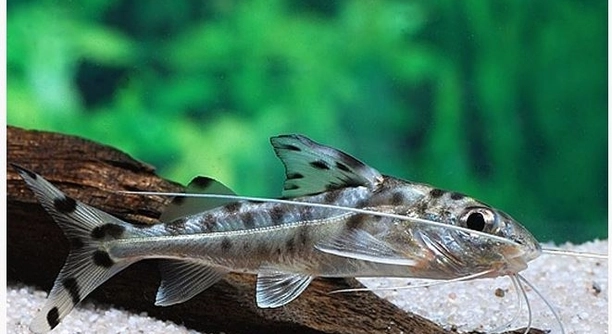
Pictus catfish are popular aquarium fish known for their active behavior and unique appearance. Many fishkeepers want to learn about their feeding habits and preferences. Understanding what foods they enjoy can improve their care and well-being.
Pictus catfish generally like tubifex worms as part of their diet. These worms are a rich protein source and appeal to their natural scavenging instincts. However, moderation is key to avoid overfeeding and maintain a balanced diet.
Knowing how tubifex worms fit into a pictus catfish’s diet helps create a healthier environment. This article will provide useful information to enhance your fish’s nutrition and happiness.
Nutritional Value of Tubifex Worms
Tubifex worms are a popular live food for many aquarium fish, including pictus catfish. They are rich in protein, which is essential for growth and energy. These worms also contain fats and other nutrients that support a fish’s overall health. Because pictus catfish are natural scavengers, they often enjoy hunting and eating live tubifex worms. Feeding tubifex worms occasionally can help mimic their diet in the wild, keeping their behavior active and natural. However, tubifex worms can sometimes carry parasites or pollutants if not sourced carefully, so it is important to buy them from reputable suppliers. Overfeeding tubifex worms may cause water quality issues, which can stress fish and lead to health problems. Balancing live food with other options, like sinking pellets and frozen foods, ensures a well-rounded diet. Proper feeding habits improve the catfish’s immune system and help maintain vibrant colors and healthy fins.
Tubifex worms provide essential proteins but should be fed carefully to avoid water contamination. Sourcing quality worms is also important for fish health.
Including tubifex worms in a pictus catfish’s diet can add variety and interest to their meals. Regularly offering different foods helps maintain balanced nutrition and prevents boredom. While tubifex worms are beneficial, supplementing with prepared foods like pellets or flakes ensures all nutritional needs are met. It is also good to observe your catfish’s response to new foods and adjust the feeding routine accordingly. This way, your fish stays healthy and active in your aquarium.
Feeding Frequency and Safety Tips
Feeding tubifex worms to pictus catfish two to three times a week is sufficient to provide protein without overfeeding. Avoid daily feedings to keep water conditions stable.
Live tubifex worms can sometimes introduce parasites or bacteria into the tank, so it is crucial to rinse them thoroughly before feeding. Using frozen tubifex worms is a safer alternative, as freezing kills many harmful organisms. Always remove uneaten worms quickly to prevent decay and maintain clean water. A well-maintained aquarium with regular water changes helps protect your catfish from infections. Keeping an eye on water parameters like ammonia and nitrate levels ensures a healthy environment, especially when live foods are part of the diet. Feeding a varied diet along with tubifex worms minimizes risks and supports your fish’s health. Following these guidelines helps make feeding both safe and enjoyable for your pictus catfish.
How to Introduce Tubifex Worms
Start by offering a small amount of tubifex worms to your pictus catfish. Watch how they respond before increasing the quantity.
It’s best to introduce tubifex worms gradually. Begin with a few worms to see if your catfish show interest and eat them readily. Sudden large feedings can lead to uneaten food, which pollutes the tank. Observing their behavior helps determine the right portion size. If they accept the worms well, you can slowly increase the amount over several feedings. Avoid forcing the worms on your fish if they seem uninterested. Sometimes fish prefer frozen or pellet alternatives. A gradual approach reduces waste and keeps the tank cleaner.
Feeding at consistent times helps your catfish expect meals. This routine can encourage natural feeding habits and prevent overfeeding. Mixing live worms with other foods keeps your fish engaged and healthy.
Signs Your Pictus Catfish Enjoy Tubifex Worms
Active feeding and quick eating usually show pictus catfish enjoy tubifex worms. Healthy appearance is another good sign.
If your catfish eagerly swim toward the worms and eat them quickly, it means they like this food. Bright eyes, smooth fins, and good swimming activity indicate they are benefiting from the diet. On the other hand, if the fish ignore the worms or hide, they may not be interested. Watch for any changes in behavior or health after feeding tubifex worms. If fish become lethargic or show signs of distress, reduce or stop feeding live worms. Regularly monitoring their response ensures you provide food that supports their well-being and happiness in the aquarium.
Alternatives to Tubifex Worms
Many fishkeepers choose alternatives like bloodworms or brine shrimp for pictus catfish. These options also provide good nutrition.
Frozen or dried versions of these foods are easy to store and safer than live worms. They help diversify the diet and keep fish interested.
Preparing Tubifex Worms for Feeding
Rinse tubifex worms well under clean water before feeding. This removes dirt and potential contaminants that could harm your fish.
Using frozen tubifex worms is often safer because freezing kills harmful bacteria and parasites. Always thaw frozen worms before feeding to make them easier for your catfish to eat.
Potential Risks of Feeding Tubifex Worms
Overfeeding tubifex worms can lead to water pollution and poor tank conditions, which stress your fish. Uneaten worms decay quickly and affect water quality.
Maintaining good tank hygiene and balanced feeding helps minimize risks. Watching your catfish’s health closely ensures any issues are caught early and addressed.
FAQ
Can pictus catfish eat tubifex worms every day?
Feeding tubifex worms daily is not recommended. While these worms are nutritious, daily feeding can lead to overfeeding, water quality problems, and potential health issues. It is best to feed tubifex worms two to three times per week and balance the diet with other foods like pellets or flakes to keep your catfish healthy.
Are frozen tubifex worms safe for pictus catfish?
Yes, frozen tubifex worms are generally safer than live ones. Freezing kills many harmful bacteria and parasites that may be present in live worms. Just thaw them properly before feeding to ensure your catfish can easily eat them. Using frozen worms reduces the risk of introducing diseases into your tank.
What are signs that pictus catfish don’t like tubifex worms?
If your pictus catfish ignore the worms, swim away, or hide when worms are offered, they may not like them. Also, if fish show lethargy or lose appetite after feeding tubifex worms, it might be a sign to stop or reduce feeding. Always watch your fish’s behavior and health closely.
Can tubifex worms cause diseases in my aquarium?
Tubifex worms can carry parasites and bacteria if not sourced from a reliable supplier. These contaminants may cause illness in your fish. Proper rinsing and using frozen worms can reduce this risk. Maintaining good tank hygiene and monitoring water quality also helps prevent diseases.
How much tubifex worm should I feed my pictus catfish?
Start with a small handful or just a few worms and see how much your catfish consume within a few minutes. Avoid leaving excess worms uneaten, as this can pollute the tank. Adjust the amount based on your fish’s appetite and size. Feeding moderately keeps the environment stable.
What should I do if my catfish refuses to eat tubifex worms?
If your catfish don’t accept tubifex worms, try offering other protein-rich foods like bloodworms, brine shrimp, or sinking pellets. Sometimes fish prefer frozen or dried options. Changing feeding times or presentation can also help. Patience is important as fish may take time to accept new foods.
Are tubifex worms good for baby pictus catfish?
Tubifex worms can be good for young pictus catfish because they are soft and easy to eat. However, feed them sparingly to avoid water contamination. Offering finely chopped or powdered foods alongside tubifex worms ensures balanced nutrition for growing fish.
Can tubifex worms replace regular fish food?
Tubifex worms should not fully replace regular fish food. They are a good protein supplement but lack some vitamins and minerals found in complete pellets or flakes. A balanced diet that includes a variety of foods is necessary for the long-term health of pictus catfish.
Is it better to feed live or frozen tubifex worms?
Frozen tubifex worms are usually better because they reduce the risk of introducing diseases. Live worms may stimulate natural hunting behavior but come with higher health risks. If using live worms, ensure they come from a trusted source and are rinsed properly.
How often should I clean my tank when feeding tubifex worms?
Feeding tubifex worms may require more frequent tank maintenance. Uneaten worms can decay and pollute water quickly. Regular partial water changes, at least once a week, help keep the environment clean. Monitor water parameters to avoid harmful ammonia or nitrate buildup.
Can tubifex worms help improve the color of pictus catfish?
Tubifex worms provide nutrients that can support overall health, which sometimes enhances color. However, they are not a guaranteed color booster. A varied diet and good water quality are more important factors for maintaining vibrant colors in your fish.
What other foods pair well with tubifex worms for pictus catfish?
Sinking pellets, bloodworms, brine shrimp, and vegetable-based flakes are good complements to tubifex worms. These foods provide balanced nutrition and keep your catfish’s diet interesting. Rotating foods helps prevent nutritional gaps and supports better health.
Can feeding tubifex worms affect water temperature or pH?
Feeding tubifex worms does not directly affect water temperature or pH. However, decaying uneaten worms can cause water quality issues that might indirectly stress fish and alter tank conditions. Maintaining good filtration and cleanliness is important when feeding live foods.
Are there any risks feeding tubifex worms to other aquarium fish?
Yes, similar to pictus catfish, other fish may be at risk if tubifex worms carry parasites or bacteria. Sensitive species might react poorly. It is best to research the specific dietary needs and risks for each fish species before feeding tubifex worms.
Can I breed tubifex worms at home for feeding?
Breeding tubifex worms at home is possible but requires careful management. They need clean water and controlled conditions. Poorly maintained cultures can introduce harmful bacteria or degrade water quality. Many hobbyists prefer buying worms from trusted suppliers for safety.
When it comes to feeding pictus catfish, tubifex worms can be a good addition to their diet. These worms offer important proteins that help support the fish’s growth and energy levels. Because pictus catfish are natural scavengers, they often enjoy hunting live food like tubifex worms, which can keep them active and engaged. However, it is important to remember that tubifex worms should only be part of a balanced diet. Relying too much on any one type of food can lead to nutritional gaps or water quality problems. Mixing tubifex worms with other foods such as sinking pellets, flakes, or frozen alternatives helps ensure that the catfish receive all the nutrients they need to stay healthy.
Feeding tubifex worms requires some care to avoid common problems. These worms may carry parasites or bacteria, especially if they come from unreliable sources. Using frozen tubifex worms or rinsing live worms well before feeding can reduce this risk. Overfeeding is another issue to watch out for, as uneaten worms can quickly pollute the aquarium water, causing stress or illness for the fish. Keeping a regular feeding schedule and offering only what the catfish can eat in a short time will help maintain clean water. Good tank maintenance, including frequent water changes and monitoring water quality, is important when feeding live foods like tubifex worms.
Overall, tubifex worms can be a beneficial treat for pictus catfish if used properly. They add variety and protein to the diet while encouraging natural feeding behaviors. At the same time, careful feeding practices and balanced nutrition are necessary to avoid negative effects on fish health and tank environment. Watching how your pictus catfish respond to tubifex worms and adjusting the feeding routine accordingly will help keep them happy and thriving. Remember that providing a clean, stable environment and a varied diet are key parts of good fish care. With proper attention, tubifex worms can be a useful part of your catfish’s meal plan.

Hello,
If you enjoy the content that we create, please consider saying a "Thank You!" by leaving a tip.
Every little bit helps us continue crafting quality advice that supports the health, happiness, and well-being of pets around the world, for pets of all shapes, sizes, and species.
We really appreciate the kindness and support that you show us!