
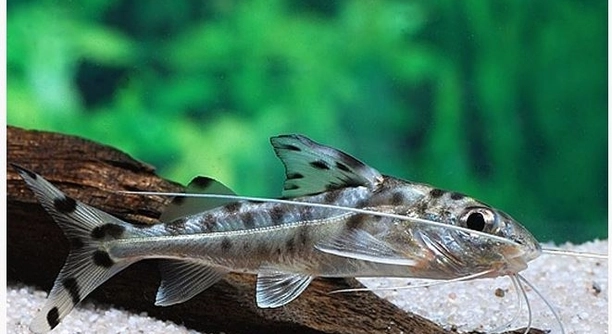
Pictus catfish are popular freshwater fish known for their active behavior and striking appearance. Many aquarium enthusiasts enjoy keeping them for their lively presence. However, their care needs can be challenging, especially in smaller tanks.
Pictus catfish are not suitable for small tanks primarily due to their size, high activity level, and schooling nature. They require ample swimming space, stable water conditions, and room to interact with others of their kind, which small tanks cannot provide effectively.
Understanding why these fish need more space helps ensure they live healthier and less stressful lives. This article will explain the important factors to consider before choosing pictus catfish for your aquarium.
Size and Activity Level of Pictus Catfish
Pictus catfish grow up to about 5 inches long, which means they need plenty of space to swim freely. They are very active fish, often moving around quickly and exploring their environment. Small tanks usually don’t offer enough room for this constant movement. When confined to tight spaces, these fish can become stressed or even develop health problems. Their need for open space helps them stay healthy and happy. It’s important to keep in mind that a small tank restricts their natural behavior and can lead to a shorter lifespan. Giving them a larger tank allows them to express their active nature safely and reduces the chances of injury. If you like watching lively fish, pictus catfish show their full energy best when they have room to swim. Otherwise, they may hide or become less active, which is not ideal for their wellbeing.
Small tanks limit the natural swimming patterns of pictus catfish, causing discomfort and stress.
Choosing an appropriately sized tank supports the health and behavior of pictus catfish. Larger tanks provide better water quality because waste is diluted more effectively. This helps keep the fish’s environment stable and clean. In small tanks, changes in water conditions happen quickly and can be harmful. Pictus catfish also prefer to be in groups, which means you need even more space to house several fish comfortably. When these needs aren’t met, the fish may show signs of illness or unusual behavior. Tank size affects how much you need to clean and maintain the water. Bigger tanks often require less frequent changes, which is easier for the fish and the keeper. Overall, a larger tank keeps pictus catfish healthy and reduces stress for a better aquarium experience.
Social Behavior and Tank Compatibility
Pictus catfish are schooling fish, so they prefer to live in groups of at least three or more.
Living in small tanks forces them to be cramped together, increasing stress and aggression. When kept with other species, pictus catfish need tank mates that can handle their active and sometimes boisterous nature. Slow or small fish might get intimidated or injured. They also like hiding spots and decorations where they can rest and feel safe, which small tanks often lack. Proper tank size and setup help reduce territorial behavior and support peaceful coexistence. Understanding how social needs impact their care is key to providing a stable and happy environment. Meeting their social and environmental requirements helps keep their natural behaviors and promotes better health in captivity.
Water Quality and Filtration Needs
Pictus catfish need clean, well-filtered water to stay healthy. Small tanks often struggle to maintain stable water conditions because waste builds up quickly.
Strong filtration is necessary since these fish produce a fair amount of waste. In a small tank, toxins like ammonia and nitrites can rise rapidly, harming the fish. Larger tanks help dilute these wastes, making it easier to keep water quality steady. Frequent water changes are needed in small setups, which can stress the fish and require more effort from the caretaker. Proper filtration also keeps oxygen levels high, which pictus catfish need because they are active swimmers. Investing in good filtration and a spacious tank creates a better environment for these fish to thrive.
Without adequate water quality management, pictus catfish become vulnerable to diseases and stress. This makes it crucial to match tank size with filtration needs for their well-being.
Diet and Feeding Behavior
Pictus catfish are omnivores that enjoy a varied diet including sinking pellets, live foods, and vegetables. In small tanks, feeding can become tricky because leftover food can quickly pollute the water. Overfeeding is a common problem that worsens water quality and harms fish health. These catfish are active feeders and may compete for food, especially in cramped spaces, causing stress. Providing a balanced diet while monitoring feeding amounts helps keep water cleaner and the fish healthy. It’s easier to control feeding and maintain good water conditions in larger tanks where food doesn’t accumulate as fast.
Feeding pictus catfish in a small tank demands careful attention to avoid water pollution and ensure all fish get enough food. Consistent feeding routines support their energy needs without causing environmental harm.
Tank Setup and Decorations
Pictus catfish appreciate hiding spots like caves and plants to feel secure. Small tanks often don’t have enough room for proper decorations and swimming space.
Crowded tanks limit their movement and increase stress. Providing a balanced layout with open swimming areas and hiding places is key for their comfort.
Temperature and Water Parameters
Pictus catfish thrive in temperatures between 72°F and 78°F with a pH of 6.5 to 7.5. Small tanks are more prone to rapid temperature and pH fluctuations, which can stress these sensitive fish. Stable water conditions are easier to maintain in larger tanks due to greater water volume buffering changes.
Breeding Challenges
Breeding pictus catfish in small tanks is difficult because they need space for spawning and safe areas for eggs. Without enough room, the stress levels rise, reducing breeding success.
Long-Term Care Considerations
Providing a larger tank makes long-term care simpler by reducing stress and maintaining healthier fish. Small tanks often require more frequent cleaning and monitoring to prevent health issues.
FAQ
How big should my tank be for pictus catfish?
A minimum of 30 gallons is recommended for a small group of pictus catfish. This size allows enough swimming space and helps maintain stable water conditions. Smaller tanks will restrict their movement and cause faster water quality changes, which can stress the fish.
Can pictus catfish live alone in a small tank?
Pictus catfish are schooling fish and prefer to live in groups of at least three. Keeping one alone in a small tank can lead to loneliness and stress. They are more comfortable and show natural behavior when they have companions.
What tank mates work well with pictus catfish?
Choose tank mates that are similarly sized, peaceful, and active. Avoid slow-moving or very small fish because pictus catfish can be boisterous. Good companions include larger tetras, danios, and other mid-sized community fish.
How often should I clean a tank with pictus catfish?
In a properly sized tank with good filtration, weekly partial water changes of 20-30% are usually enough. Small tanks need more frequent cleaning because waste accumulates faster. Over-cleaning or full water changes can also stress fish.
What do pictus catfish eat?
They eat a variety of foods, including sinking pellets, live or frozen foods like bloodworms, and vegetables like zucchini. Feeding small amounts 1-2 times daily is best. Overfeeding causes leftover food and poor water quality.
Are pictus catfish aggressive?
They are generally peaceful but can be active and sometimes nippy if stressed or cramped. Providing enough space and hiding places reduces aggressive behavior. Keeping them in proper groups also helps maintain calm social interactions.
Why do pictus catfish jump out of tanks?
Pictus catfish are known jumpers, especially when stressed or uncomfortable. A tight-fitting lid is necessary to prevent escapes. Proper water conditions, enough space, and hiding spots reduce jumping behavior.
Can pictus catfish live in a low-oxygen tank?
No, pictus catfish require well-oxygenated water due to their active nature. Strong filtration and surface agitation help keep oxygen levels high. Small tanks often struggle with oxygen levels, which can harm these fish.
What are common health issues in small tanks?
In small tanks, pictus catfish face risks like ammonia poisoning, stress-related illness, and fin damage. Poor water quality and cramped conditions are major causes. A larger tank with good filtration helps prevent these problems.
How long do pictus catfish live?
With proper care, pictus catfish can live 8 to 10 years or longer. Small tanks reduce their lifespan by increasing stress and health risks. Giving them enough space and clean water improves their chances of a long, healthy life.
Is it okay to keep pictus catfish with plants?
Yes, they usually do well with live plants that are sturdy and well-rooted. Plants provide hiding places and improve water quality. However, avoid fragile or floating plants since pictus catfish may disturb them while swimming.
What is the best substrate for pictus catfish tanks?
Soft, smooth substrates like sand or fine gravel are ideal. These fish have sensitive barbels that can be damaged by rough or sharp substrates. A gentle substrate helps them forage naturally and keeps them comfortable.
Can pictus catfish adapt to small tanks over time?
While they may survive in small tanks, pictus catfish do not truly adapt well. Their natural behaviors and health suffer without enough space. Long-term happiness and health come from providing an environment that meets their needs.
How much should I feed pictus catfish daily?
Feed only what they can eat in about 2-3 minutes, once or twice daily. Overfeeding leads to poor water quality and health issues. Watching their feeding helps control portions and keeps the tank cleaner.
Do pictus catfish require special lighting?
They do not need special lighting but prefer dimmer conditions with shaded areas. Bright lights can stress them. Providing plants or decorations for shade helps create a comfortable environment.
What should I do if my pictus catfish becomes inactive?
Inactivity may indicate stress, poor water quality, or illness. Check water parameters immediately and make adjustments. Ensure tank size and conditions meet their needs. Consulting a vet or experienced aquarist can help diagnose issues.
Pictus catfish are lively and interesting fish that many people enjoy keeping in their aquariums. However, they come with specific needs that must be met for them to live healthy lives. One of the most important needs is having enough space. Small tanks do not provide enough room for these fish to swim freely or behave naturally. When pictus catfish are kept in tanks that are too small, they can become stressed or unhealthy. Stress from limited space often leads to a weaker immune system and makes the fish more prone to disease. It’s important to remember that these fish are active swimmers and need room to move around comfortably.
Water quality is another key factor in caring for pictus catfish properly. In small tanks, waste builds up quickly, which can cause dangerous spikes in ammonia and other harmful substances. These changes happen faster in smaller volumes of water and can cause serious health problems for the fish. Proper filtration and regular water changes help maintain clean and safe water, but small tanks require more frequent attention. Larger tanks hold more water, which helps keep conditions more stable and reduces the risk of sudden changes. This stability is better for the long-term health of pictus catfish, making larger tanks a much safer choice.
Lastly, pictus catfish are social animals that thrive when kept with others of their kind. They need space not just for swimming but also to avoid stress and aggression within the group. Small tanks do not offer enough room for groups to interact without crowding, which can cause tension and harm among the fish. Providing enough space with proper hiding spots allows them to feel secure and behave more naturally. Overall, pictus catfish require a tank that supports their size, activity level, and social needs. Choosing the right tank size and setup helps these fish stay healthy and enjoy a better quality of life.

Hello,
If you enjoy the content that we create, please consider saying a "Thank You!" by leaving a tip.
Every little bit helps us continue crafting quality advice that supports the health, happiness, and well-being of pets around the world, for pets of all shapes, sizes, and species.
We really appreciate the kindness and support that you show us!