
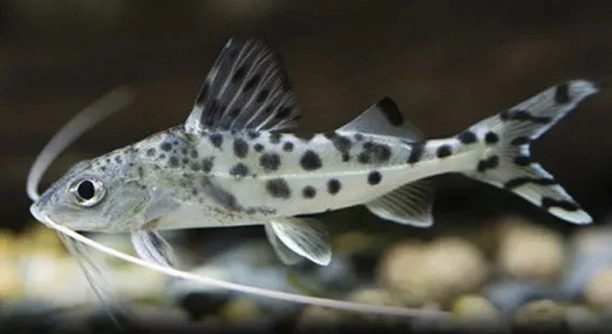
Pictus catfish are known for their active and social nature, but sometimes they hide more than usual. This behavior can concern owners who want to ensure their fish are healthy and comfortable in their tank environment. Understanding why they hide is important.
Pictus catfish may hide excessively due to stress, poor water conditions, or lack of suitable hiding spots. Ensuring proper water parameters, providing adequate shelter, and maintaining a stable environment helps reduce hiding and encourages natural behavior.
Knowing what causes this hiding and how to address it can improve the well-being of your catfish. The following information will guide you in creating a better habitat for them.
Reasons Why Pictus Catfish Hide Too Much
Pictus catfish often hide when they feel unsafe or uncomfortable. Changes in water temperature, poor water quality, or strong currents can make them seek shelter. Additionally, a tank without enough hiding places, like plants or decorations, may cause them to stay hidden more. Stress from aggressive tank mates or sudden loud noises can also trigger hiding behavior. It is important to observe your fish closely to notice any signs of illness or distress. Sometimes, hiding is just a natural behavior during the day since pictus catfish are more active at night. However, prolonged hiding could indicate an issue with the environment or health. Regular water testing and maintaining a clean tank will help your fish feel secure and reduce excessive hiding. Providing proper shelter allows them to rest safely without feeling exposed.
Keeping a stable and calm tank environment is essential for reducing stress and promoting normal activity.
Offering multiple hiding spots helps your catfish feel safe and reduces their need to hide constantly.
How to Encourage Pictus Catfish to Come Out More
Encouraging your pictus catfish to be more visible involves improving their comfort in the tank. First, check that water parameters such as pH, ammonia, nitrites, and nitrates are within safe ranges. Stable water conditions reduce stress, which is a main reason for hiding. Adding plants, rocks, or caves gives them safe places to retreat while allowing exploration. Avoid overcrowding the tank or keeping aggressive fish with them. Feeding your catfish at consistent times can help build trust and encourage them to come out for food. It is also helpful to keep lighting on a schedule, as sudden or bright lights may cause hiding. Observing their natural activity patterns helps in adjusting the tank setup to meet their needs. With patience and care, your pictus catfish will gradually feel more secure and spend more time visible.
Adjusting Tank Conditions to Reduce Hiding
Proper tank conditions are key to helping pictus catfish feel secure and less likely to hide. Water temperature should be kept between 74°F and 79°F, with stable pH levels around 6.5 to 7.5.
Maintaining clean water is crucial. Regular partial water changes and monitoring ammonia, nitrite, and nitrate levels prevent harmful buildups that stress fish. Good filtration and gentle water flow mimic natural habitats and reduce discomfort. Avoid sudden changes in temperature or water chemistry, as these cause stress and hiding. Providing soft substrate and plenty of plants or decorations creates a welcoming environment where catfish can explore and rest without fear.
Keeping the tank stable and comfortable helps pictus catfish stay active and visible. Proper lighting and reducing noise around the tank also improve their sense of security.
Feeding Habits and Their Impact on Behavior
Feeding times and diet affect how often pictus catfish come out of hiding. A consistent feeding schedule helps them anticipate food, encouraging regular activity. Feeding in the evening or dim light suits their natural nocturnal habits.
A varied diet including sinking pellets, live or frozen foods like bloodworms, and small crustaceans ensures they get proper nutrition. Poor diet can lead to stress and illness, increasing hiding behavior. Overfeeding should be avoided to prevent water quality issues that cause discomfort. Observing how your catfish responds to feeding can guide adjustments for better visibility. Healthy, well-fed fish are more likely to explore their tank and interact with their environment.
Common Stressors for Pictus Catfish
Pictus catfish hide more when stressed by poor water quality, loud noises, or aggressive tank mates. Stress affects their health and behavior.
Sudden changes in the environment, like moving decorations or shifting tank mates, also cause stress. Keeping the tank stable helps reduce hiding.
Signs Your Pictus Catfish May Be Unwell
Lethargy, loss of appetite, rapid breathing, or unusual spots on the body often indicate illness. These signs require prompt attention. If your catfish hides constantly and shows any of these symptoms, it is important to test water quality and consider consulting a vet or aquarium specialist for proper diagnosis and treatment.
Creating a Comfortable Environment
Use plenty of plants, caves, and driftwood to mimic the natural habitat. This setup gives pictus catfish safe spaces to rest and explore.
Monitoring Your Catfish’s Behavior
Regular observation helps catch changes early, ensuring your fish stay healthy and active.
FAQ
Why do pictus catfish hide all the time?
Pictus catfish naturally hide when they feel stressed or unsafe. Factors like poor water quality, sudden changes in their environment, or aggressive tank mates often cause this behavior. They also hide more during the day since they are nocturnal and prefer to be active at night. Lack of hiding spots or overcrowding can increase their hiding. Keeping water clean, stable, and providing enough shelter helps them feel secure and reduces constant hiding.
How can I tell if my pictus catfish is stressed?
Signs of stress include excessive hiding, lack of appetite, rapid breathing, or unusual swimming patterns. Your fish might also rub against objects or have faded colors. Stress often results from poor water quality, incorrect temperature, or tank mates that are too aggressive. Observing your fish daily and maintaining good tank conditions can help identify and reduce stress early.
What water parameters are best for pictus catfish?
Pictus catfish thrive in water temperatures between 74°F and 79°F (23°C to 26°C). The pH should be slightly acidic to neutral, ideally between 6.5 and 7.5. Ammonia and nitrite levels must be zero, while nitrates should stay below 20 ppm. Stable water conditions with regular partial water changes help maintain these parameters, keeping your fish healthy and comfortable.
How often should I clean the tank for pictus catfish?
Cleaning the tank every one to two weeks is recommended, depending on tank size and stocking levels. Perform partial water changes of about 20-30% to keep ammonia and nitrate levels low. Avoid full water changes that can stress the fish by drastically changing water conditions. Also, clean the filter regularly but keep some filter media to preserve beneficial bacteria.
What are the best hiding spots for pictus catfish?
Pictus catfish prefer caves, driftwood, dense plants, or rock formations where they can retreat safely. Providing multiple hiding places helps reduce stress and encourages natural behavior. Avoid sharp or rough decorations that can harm their delicate barbels. Using live or artificial plants can also offer cover while making the tank look natural.
Can tank mates cause pictus catfish to hide?
Yes, aggressive or territorial tank mates can cause pictus catfish to hide frequently. They are peaceful fish and do best with calm, similarly sized species. Avoid housing them with overly aggressive or large fish that may bully them. A well-planned community tank promotes peace and reduces hiding due to fear.
Is hiding normal for nocturnal fish like pictus catfish?
Yes, pictus catfish are nocturnal and naturally more active during the night. They often hide during daylight hours to rest and avoid predators. This behavior is normal, but excessive hiding during the night or prolonged hiding without activity may signal an issue with tank conditions or health.
What should I feed pictus catfish to keep them healthy?
Feed a varied diet including sinking pellets, frozen or live bloodworms, brine shrimp, and small crustaceans. These foods meet their nutritional needs and stimulate natural hunting behavior. Avoid overfeeding, which can pollute the tank and cause health problems. Feed small amounts once or twice daily, adjusting portions as needed.
How can I encourage pictus catfish to come out more?
Keep the tank environment stable and comfortable with good water quality and plenty of hiding spots. Feed them regularly at consistent times, preferably in dim lighting or evening hours. Avoid sudden noises or movements near the tank. Over time, this helps build trust and encourages them to explore more often.
What do I do if my pictus catfish is sick?
If you notice signs like lethargy, loss of appetite, visible injuries, or abnormal swimming, test your water quality immediately. Poor water conditions often cause illness. Isolate the affected fish if possible and seek advice from an aquarium specialist or vet. Treatment may include medication or improving tank conditions, depending on the problem. Early intervention increases chances of recovery.
Are pictus catfish social fish?
Yes, pictus catfish prefer to be in groups of three or more. Keeping them in small groups reduces stress and encourages natural behavior. They often swim together and communicate through body language. A social setup helps them feel safe and reduces hiding due to loneliness or fear.
Can lighting affect pictus catfish behavior?
Bright or constant lighting can stress pictus catfish, causing them to hide more. They prefer low to moderate lighting with a natural day-night cycle. Using timers for lights helps maintain this cycle. Dim lighting during feeding times encourages activity and reduces stress.
How large should my tank be for pictus catfish?
A tank of at least 30 gallons is recommended for a small group of pictus catfish. They are active swimmers and need space to move comfortably. Larger tanks provide better water stability and room for decorations and plants, which help reduce stress and hiding.
Do pictus catfish need a specific substrate?
Soft sand or smooth gravel works best for pictus catfish, as they like to dig and search for food along the bottom. Sharp or rough substrates can damage their barbels. A suitable substrate supports their natural behavior and keeps them comfortable.
Can sudden changes in the tank cause hiding?
Yes, sudden changes like moving decorations, changing water temperature, or adding new fish can stress pictus catfish and cause them to hide. They adapt better to gradual changes. Planning and patience when adjusting the tank environment help reduce stress and hiding behavior.
Final Thoughts
Pictus catfish are lively and interesting fish that can bring a lot of enjoyment to your aquarium. However, when they hide too much, it is often a sign that something in their environment needs attention. Understanding the reasons behind their hiding behavior helps you provide better care and create a comfortable home for them. Stress, poor water quality, lack of hiding spots, or incompatible tank mates can all make pictus catfish feel unsafe. Making small but important changes can improve their behavior and overall health.
Maintaining stable water conditions is one of the most effective ways to reduce hiding. Regular water testing and partial water changes keep ammonia and nitrate levels low, which is essential for healthy fish. Providing plenty of natural or artificial hiding places like plants, caves, or driftwood helps pictus catfish feel secure. These fish are nocturnal by nature, so some hiding during the day is normal. However, if hiding increases or continues for long periods, it usually points to stress or discomfort that should be addressed. Feeding a varied and balanced diet at regular times also supports their well-being and encourages more activity.
Watching your pictus catfish regularly will help you notice any changes in behavior or health early on. It is important to keep the tank environment calm, avoid sudden changes, and select peaceful tank mates that will not intimidate them. With careful attention to their needs, your pictus catfish will become more active and confident over time. This not only makes the tank more enjoyable to watch but also ensures your fish live longer, healthier lives. Consistent care and patience are key to helping your pictus catfish feel at ease and reduce excessive hiding.

Hello,
If you enjoy the content that we create, please consider saying a "Thank You!" by leaving a tip.
Every little bit helps us continue crafting quality advice that supports the health, happiness, and well-being of pets around the world, for pets of all shapes, sizes, and species.
We really appreciate the kindness and support that you show us!