
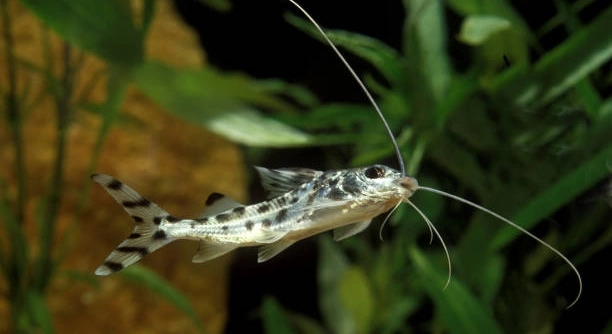
Do you ever find yourself unsure if your tank size is right for your Pictus catfish, even after setting everything up?
Most common tank sizes do not meet the swimming and activity needs of Pictus catfish. These fish require more horizontal space and water volume than many beginner tanks offer, leading to stress and long-term health issues.
Many standard tanks seem fine at first glance, but not all support the behavior and movement needs of Pictus. Let’s look at which sizes fall short.
Why 10-Gallon Tanks Are Too Small
A 10-gallon tank might look convenient, especially for small spaces, but it simply doesn’t work for a Pictus catfish. These fish are fast swimmers and need plenty of room to move. In a 10-gallon setup, there isn’t enough horizontal space for natural behavior. Limited water volume also means unstable water conditions, which can be stressful and even harmful. Even with strong filtration, a small tank like this can’t handle the bio-load that Pictus produce. These fish are active and grow to around 5 inches in length. Confined space affects their energy levels and can lead to constant hiding or erratic swimming. Over time, this leads to poor health, reduced lifespan, and frequent tank issues.
A tank this size also makes it hard to add hiding spots or plants without crowding. Even one Pictus catfish will feel cramped in this environment.
If you’re using a 10-gallon tank, it’s best to upgrade as soon as possible. Moving to something larger can make a noticeable difference in behavior and overall health. Water stays more stable, and the fish will have the space they need to swim and explore. Even just upgrading to a longer tank can lead to improvements.
The Problem With 15-Gallon Tanks
Fifteen-gallon tanks seem like a step up, but they still fall short for Pictus. These tanks don’t provide enough length or surface area for proper swimming behavior.
Pictus catfish are incredibly active and need space to swim fast and freely. A 15-gallon tank, although offering slightly more water volume than a 10-gallon, still restricts movement and creates a stressful environment. Stress can lead to a weakened immune system, increased aggression, and unusual hiding. The limited area also reduces options for decor and hiding spots. You might be able to fit in a few plants or rocks, but it quickly becomes crowded. Since Pictus are bottom-dwelling and prefer to stay low in the tank, they need wide, horizontal space more than height. In tanks under 30 gallons, water parameters can also shift too quickly. The small buffer makes even minor mistakes harder to recover from. For any catfish showing signs of restlessness or staying hidden too often, tank size is often the first thing to evaluate.
Why 20-Gallon Tanks Don’t Hold Up
A 20-gallon tank may seem decent at first, but it’s still too tight for a Pictus catfish. It limits swimming space, especially for a fish that thrives on movement and needs to explore the bottom of the tank.
In this size tank, Pictus may appear active at times, but the limited horizontal space causes long-term problems. These fish naturally dart around and explore, which is difficult to do in such a confined area. Without enough room to swim, their energy gets suppressed, and they often become more skittish. A 20-gallon tank also limits filtration options and creates challenges in keeping the water quality consistent. Frequent water changes become necessary to control ammonia and nitrate levels. Decorations and hiding spots further reduce swimming space, making the environment even more cramped. Overall, this tank size doesn’t support the physical or behavioral needs of the fish.
A 20-gallon tank is also not ideal for social behavior. Pictus catfish are known to do better in small groups, not in isolation. But with a tank this size, even keeping two is pushing it. The fish may compete for space, become territorial, or display stress through excessive hiding. Adding more fish or bottom decor can quickly lead to overcrowding. This tank size simply isn’t built to support what a Pictus truly needs, even for short-term setups.
Why 29-Gallon Tanks Still Miss the Mark
Although a 29-gallon tank offers more water volume, it’s still not spacious enough for a Pictus catfish to thrive. The horizontal swimming space remains limited, and water quality can fluctuate too easily in a single-fish setup.
Pictus catfish need wide, open areas to swim freely, especially during active hours. A 29-gallon tank adds depth but not enough length, which matters more for a bottom-dwelling fish. In this size, water conditions still shift quickly with feeding or minor overstocking, and the smaller footprint doesn’t allow enough space for both swimming and hiding. Pictus are also sensitive to stress from tight quarters and loud tank mates. Even with good filtration, the bio-load from one or more of these fish can strain the system. This tank also restricts their natural movement pattern, leading to less activity or hiding. For anyone hoping to give their Pictus a better quality of life, this size just isn’t the right fit.
Why 30-Gallon Tanks Aren’t Enough
A 30-gallon tank offers a bit more room, but it still doesn’t meet the swimming needs of a Pictus catfish. These fish stay low in the tank and need horizontal space to stay active and comfortable.
Even with decent filtration, a 30-gallon setup fills up fast with decor and basic equipment. That leaves very little open space for movement.
Why Tall Tanks Don’t Work
Tall tanks might sound like a good upgrade, but Pictus catfish don’t benefit from extra height. Their activity is mostly focused along the bottom of the tank. Taller tanks often have less floor space, which restricts swimming room. This layout also makes it harder to position hiding spots in areas they actually use. Pictus prefer wide, low tanks where they can dart from one end to the other. Height does little to help their needs and may even reduce oxygen circulation near the bottom where they spend most of their time.
Why Hexagon Tanks Cause Problems
Hexagon tanks often look stylish but don’t offer enough horizontal space. The narrow sides and angles make it hard for Pictus to swim in a straight line.
FAQ
What is the minimum tank size recommended for Pictus catfish?
The minimum tank size for a Pictus catfish is generally around 40 gallons. This size provides enough horizontal swimming space and volume to support their active nature. Anything smaller can cause stress and affect their health over time.
Why do Pictus catfish need wide tanks instead of tall tanks?
Pictus catfish are bottom dwellers who swim mostly along the tank’s floor. They need wide, open spaces to move freely side to side, not extra height. Tall tanks often reduce floor space, limiting their natural swimming behavior.
Can Pictus catfish live happily in tanks smaller than 40 gallons?
While Pictus may survive in smaller tanks for short periods, it is not ideal for their wellbeing. Smaller tanks limit their activity and make water quality harder to maintain, which can shorten their lifespan and cause health problems.
Is it okay to keep multiple Pictus catfish in a 40-gallon tank?
A 40-gallon tank can house a small group of Pictus catfish if properly maintained. However, overcrowding can still occur quickly. Each fish needs room to swim and hide, so adding more than 3 to 4 can create stress and territorial behavior.
How does tank shape affect Pictus catfish?
Tank shape plays a big role in Pictus comfort. Long, rectangular tanks are preferred because they offer more horizontal space. Tanks with unusual shapes, like hexagon or tall tanks, limit swimming room and can lead to stress.
What kind of filtration is best for tanks with Pictus catfish?
Strong, efficient filtration is important because Pictus catfish produce a moderate bio-load. Filters that provide good water flow and oxygenation help maintain stable water parameters. Regular maintenance is also crucial to keep the environment healthy.
Can I add decorations or plants to tanks with Pictus catfish?
Yes, but be mindful of space. Decorations and plants should not overcrowd the tank or block swimming paths. Pictus catfish appreciate hiding spots but need open areas for swimming. Balance is key to keep them comfortable and stress-free.
How often should I change the water in a tank with Pictus catfish?
Frequent water changes are necessary, especially in smaller tanks. Aim for at least 25% water changes weekly to maintain good water quality. This helps prevent the buildup of harmful substances and keeps the fish healthy.
Are Pictus catfish aggressive in small tanks?
Stress from limited space can increase aggression in Pictus catfish. They may compete for hiding spots or territory when cramped. Providing enough room and proper tank mates helps reduce aggressive behavior.
What signs show that my Pictus catfish tank is too small?
Signs include constant hiding, erratic swimming, loss of appetite, and dull colors. If your fish seem lethargic or stressed, tank size and environment should be checked first to ensure they have enough space and proper conditions.
Choosing the right tank size for Pictus catfish is very important to keep them healthy and happy. Many popular tank sizes do not provide enough space for these fish to swim freely or explore their environment. Pictus catfish need a tank with plenty of horizontal space because they are active swimmers that spend most of their time near the bottom. Smaller or oddly shaped tanks can cause stress, limit their natural behavior, and lead to health problems. Even tanks that seem large enough at first, like 20 or 30 gallons, often fall short in meeting the full needs of these fish. It is best to avoid common tank sizes that don’t work well for Pictus and choose something bigger and wider instead.
Water quality is another important reason to avoid smaller tanks for Pictus catfish. Because these fish are active and produce waste regularly, smaller tanks can have more rapid changes in water parameters like ammonia, nitrites, and nitrates. These changes can be harmful and stressful. Larger tanks provide more stable water conditions and allow for better filtration and oxygen circulation. The right tank size not only gives Pictus room to swim but also helps keep their environment clean and healthy. Regular water changes and good filtration are necessary, but choosing an appropriately sized tank makes this task easier and more effective.
Finally, the overall wellbeing of Pictus catfish depends on giving them an environment that matches their natural behavior. A wider tank with enough space for swimming and hiding spots will help reduce stress and encourage normal activity. Avoiding popular but unsuitable tank sizes ensures your Pictus catfish can live a longer and healthier life. Keeping these factors in mind can save you from common problems and make caring for your fish a more rewarding experience. Taking the time to select the right tank size is a simple but crucial step in providing a good home for your Pictus catfish.

Hello,
If you enjoy the content that we create, please consider saying a "Thank You!" by leaving a tip.
Every little bit helps us continue crafting quality advice that supports the health, happiness, and well-being of pets around the world, for pets of all shapes, sizes, and species.
We really appreciate the kindness and support that you show us!