
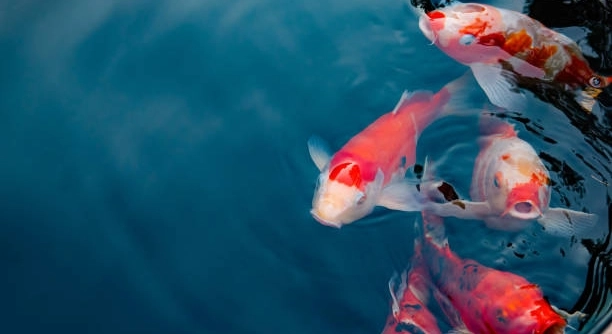
Koi fish are known for their graceful swimming, but sometimes they swim upside down. This unusual behavior can worry koi owners who want their fish to stay healthy and happy. Understanding the reasons behind this can help keep koi safe.
Koi fish swim upside down mainly because of health or environmental issues. These may include swim bladder problems, poor water quality, infections, or injuries that affect their balance and swimming ability. Identifying the cause is key to proper care and treatment.
Knowing what might cause this behavior helps koi owners take quick action. The following sections explain seven possible reasons for upside-down swimming and what can be done to help.
Swim Bladder Disorder
Swim bladder disorder is one of the most common reasons koi swim upside down. The swim bladder is an internal organ that helps fish control their buoyancy. When it is not working correctly, koi may have trouble swimming normally. This can happen due to infections, physical injury, or poor diet. Overfeeding or feeding improper foods can cause the swim bladder to become inflamed or damaged. The result is that the fish struggles to stay upright and often floats upside down or sideways. This condition can be stressful for koi and may lead to more severe health issues if left untreated. Water quality also plays a role in swim bladder health, as poor water conditions can worsen the problem. Monitoring the diet and maintaining clean water can help prevent and manage swim bladder issues in koi.
Proper treatment often involves adjusting the diet and improving water conditions. Sometimes medications are necessary.
Taking care of koi with swim bladder disorder means careful feeding and water checks. Avoid overfeeding and give your fish foods that are easy to digest. Regular water testing keeps the environment safe, reducing stress on their swim bladder. In some cases, a vet’s advice may be needed to help the fish recover fully.
Poor Water Quality
Poor water quality can cause koi to swim upside down or behave oddly. High ammonia or nitrite levels, low oxygen, or unbalanced pH can stress fish.
Bad water conditions damage koi’s gills and organs, leading to difficulty swimming. Ammonia and nitrites come from fish waste and uneaten food that break down in the pond. Without proper filtration or water changes, these toxins build up quickly. Oxygen levels drop if water circulation is poor or the pond is overcrowded. Stress from bad water makes koi more vulnerable to infections and physical problems like swim bladder disorder. Testing water regularly helps spot problems early. Using filters, aerators, and partial water changes can improve quality and keep fish healthy. Clean water supports natural swimming and reduces upside-down behavior caused by stress or illness.
Keeping pond water clean is key to healthy koi. Test water weekly to track ammonia, nitrite, nitrate, pH, and oxygen levels. Adjust the pond’s care routine as needed to maintain balance. Use good filtration and avoid overstocking your pond. Aeration devices help increase oxygen, especially in warmer months. Removing debris and excess organic matter also improves water quality. When water conditions are right, koi can swim normally and avoid stress-related problems that cause odd swimming behavior. Healthy water supports overall koi health and longevity.
Infections and Parasites
Infections and parasites can disrupt koi’s balance and cause them to swim upside down. These health issues often affect the nervous system or gills, making swimming difficult and uncomfortable.
Bacterial infections like Aeromonas or parasites such as flukes can attack koi internally or externally. When gills are damaged, the fish struggles to get enough oxygen, leading to erratic swimming patterns. Parasites may also cause irritation and inflammation, increasing stress and weakening the fish. Early signs include lethargy, loss of appetite, and abnormal swimming behavior. Treatment usually involves medicated baths or antibiotics, depending on the cause. Keeping the pond clean and quarantining new fish reduces infection risks.
Regular health checks help spot infections early before koi show serious symptoms. Maintaining good water quality and feeding balanced diets supports the immune system. If koi start swimming upside down along with other signs like redness or spots, quick intervention can save their health and prevent spread to other fish.
Physical Injury
Physical injury can impair koi’s ability to swim properly and cause upside-down behavior. Injuries may happen from sharp objects in the pond or fights with other fish.
When koi get hurt, they may experience pain or swelling that affects movement. Injuries to the spine or fins can disrupt swimming balance, leading to unusual postures. Sometimes koi might bump into decorations or pond walls, causing bruises or cuts. If injuries are minor, the fish might recover with rest and clean water. More serious wounds may need treatment with antibiotics or special care to prevent infection. Monitoring koi after an injury is important to ensure proper healing.
Preventing injuries means keeping the pond free of sharp or rough objects and avoiding overcrowding. Watch koi interactions to reduce aggressive behavior that can cause harm. Providing hiding spots and smooth surfaces helps koi feel safe and lowers injury risks. If koi swim upside down after a noticeable injury, treating the wound and keeping the pond clean supports faster recovery and returns normal swimming behavior.
Poor Diet
A poor diet can lead to digestive problems that affect koi swimming. Feeding too much or the wrong type of food causes bloating or constipation.
Foods high in starch or low in fiber may upset the koi’s digestive system. This can affect their buoyancy and cause them to swim upside down.
Stress
Stress weakens koi and makes them more vulnerable to illness and odd behavior. Factors like overcrowding, sudden changes in water temperature, or loud noises contribute to stress.
Reducing stress means keeping stable water conditions, providing enough space, and minimizing disturbances. Stress management supports koi health and helps prevent upside-down swimming caused by discomfort or illness.
Temperature Fluctuations
Rapid temperature changes can shock koi, affecting their balance and swimming. Extreme cold or heat slows metabolism and may cause swimming difficulties.
Keeping pond temperature stable with shade, aeration, or heaters when needed helps koi stay healthy and swim normally.
FAQ
Why is my koi fish swimming upside down suddenly?
Sudden upside-down swimming usually points to swim bladder issues, infections, or injuries. Changes in water quality or temperature can also shock koi, causing strange behavior. Observing other signs like lethargy or loss of appetite can help identify the problem early. Immediate water testing and reducing stress factors are good first steps.
Can poor water quality cause koi to swim upside down?
Yes, poor water quality is a common reason for this behavior. High ammonia or nitrite levels irritate koi’s gills and organs, making it hard to swim normally. Low oxygen levels also stress koi and affect buoyancy. Regular water testing and maintenance prevent these problems.
How does swim bladder disorder affect koi swimming?
Swim bladder disorder disrupts koi’s ability to control their buoyancy, causing them to float upside down or sideways. It can be caused by infections, injury, or diet. Treating the disorder often requires improving water quality and adjusting feeding habits.
What types of infections cause upside-down swimming?
Bacterial infections like Aeromonas or parasites such as gill flukes impact koi’s balance and health. These infections damage gills or the nervous system, making swimming difficult. Treatment usually involves antibiotics or antiparasitic medicines.
Can diet impact my koi’s swimming behavior?
Yes, diet plays a big role. Overfeeding or giving foods high in starch can cause digestive problems, leading to bloating and buoyancy issues. Feeding high-fiber, easily digestible foods helps koi maintain normal swimming.
How can I improve my pond to prevent upside-down swimming?
Keep the pond clean with good filtration and aeration. Test water weekly to monitor ammonia, nitrites, pH, and oxygen levels. Avoid overcrowding and sharp objects that might injure koi. Stable temperature and minimal stress support healthy swimming.
When should I call a vet for upside-down swimming?
If your koi continues to swim upside down despite improving water quality and diet, or if other symptoms like wounds, redness, or lethargy appear, seek veterinary advice. Early treatment increases chances of recovery.
Can stress alone cause koi to swim upside down?
Stress can weaken koi and lead to odd swimming behaviors, including upside-down swimming. Causes include overcrowding, loud noises, or sudden changes in environment. Reducing stress is key to preventing and managing this behavior.
Are temperature changes harmful to koi swimming?
Yes, sudden temperature changes can shock koi, affecting metabolism and buoyancy. Keeping pond temperature stable with shade, aeration, or heaters helps koi swim normally and stay healthy.
Is injury a common reason for upside-down swimming?
Injuries to the fins, spine, or body can disrupt koi’s balance, causing them to swim oddly. Preventing injury by removing sharp objects and monitoring koi interactions helps maintain healthy swimming habits.
When koi fish swim upside down, it usually signals that something is wrong. This behavior is not normal and should not be ignored. Many factors can cause koi to swim this way, including health problems, water quality, diet, and stress. By paying attention to your koi and their environment, you can often catch problems early. Early detection helps prevent serious harm and keeps your fish healthier for longer. It is important to stay observant and take action if you notice changes in how your koi swim or behave.
Taking care of koi means providing them with clean water, a balanced diet, and a safe environment. Regular water testing and maintenance are essential to avoid harmful chemicals and poor water conditions that can upset your fish. Feeding koi the right foods in proper amounts prevents digestive issues that might affect their swimming. Reducing stress by avoiding overcrowding and sudden changes in the pond environment also helps keep koi comfortable and healthy. If a koi does start swimming upside down, checking these areas is the first step to finding a solution.
Sometimes koi may need more help, especially if illness or injury is involved. In these cases, consulting with a fish health professional or veterinarian can make a big difference. Treatments like medications or special care might be necessary to help the koi recover. Remember, koi are living creatures that rely on their environment and care to thrive. Keeping a close watch on their behavior and making adjustments when needed will support their well-being. By understanding why koi swim upside down and acting quickly, you can give your fish the best chance for a healthy and happy life.

Hello,
If you enjoy the content that we create, please consider saying a "Thank You!" by leaving a tip.
Every little bit helps us continue crafting quality advice that supports the health, happiness, and well-being of pets around the world, for pets of all shapes, sizes, and species.
We really appreciate the kindness and support that you show us!