
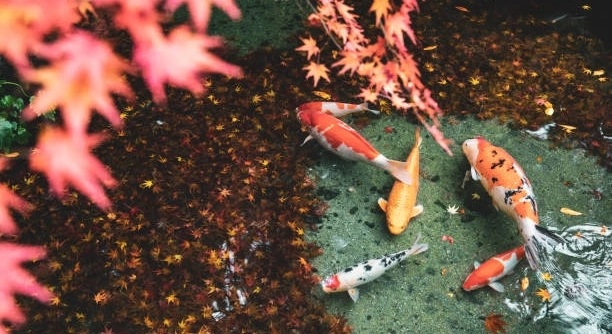
Koi fish are popular in ponds and water gardens for their vibrant colors and peaceful nature. Feeding them regularly is important for their health and growth. Missing a meal can happen sometimes, and it may affect their well-being.
When koi miss a meal, they generally experience temporary hunger but can tolerate short periods without food. Prolonged fasting may lead to weakened immunity, slower growth, and increased susceptibility to disease, impacting their overall health and vitality.
Understanding koi feeding habits and the effects of missed meals is essential for maintaining their health and ensuring a thriving pond environment. This article explores these factors in detail.
How Often Should Koi Be Fed?
Feeding koi regularly is crucial for their health and growth. Most koi owners feed their fish once or twice daily, depending on the water temperature and season. Koi are cold-blooded, so their metabolism slows down in cooler water, meaning they need less food. In warmer months, their appetite increases, and they require more nutrients. Overfeeding can cause water pollution and health problems, so it is essential to provide just the right amount. Feeding small portions several times a day is often better than one large meal. Observing koi behavior during feeding helps adjust portions correctly. If koi leave food uneaten, reduce the amount next time. A balanced diet of pellets, vegetables, and occasional treats supports their immune system and coloration. Missing a single meal occasionally is not harmful, but consistent feeding schedules maintain energy levels and overall vitality.
Adjusting feeding based on temperature and koi activity helps maintain their health and pond quality.
Feeding koi is about balance. Overfeeding can harm water quality and fish health, while underfeeding slows growth and reduces energy. The key is to monitor your koi’s behavior and adjust accordingly. In colder months, koi enter a state of reduced activity, eating less or stopping altogether. During this time, feeding once every few days or stopping completely can be appropriate. When temperatures rise, gradually increase feeding frequency and amount to meet their nutritional needs. Proper feeding ensures koi maintain vibrant colors, strong immune systems, and active behavior. Monitoring water conditions alongside feeding habits prevents problems like excess waste and algae growth. Feeding koi is a simple routine that supports their well-being and the pond’s ecosystem.
Signs That Koi Are Missing Meals
Koi missing meals may show reduced activity or lethargy. They might avoid food during feeding times or lose their usual bright colors. Changes in swimming patterns, such as staying near the surface or hiding, can indicate stress or hunger. Weight loss may become visible over time. Immediate signs are often subtle and require close observation.
When koi miss meals occasionally, they typically recover quickly. However, regular missed feedings weaken their immune response and can lead to illness. It is important to maintain consistent feeding habits and observe koi behavior to ensure their needs are met.
If koi frequently miss meals, the risk of health issues increases. Their metabolism slows, leading to reduced energy and growth. Lack of nutrients compromises the immune system, making them vulnerable to infections. Skin and fin quality may decline, and colors can fade. Prolonged hunger causes stress, which impacts breeding and survival. Koi rely on regular nutrition for proper organ function and tissue repair. In ponds with predators or poor water quality, missed meals worsen health outcomes. Preventing meal skipping through proper feeding routines supports longevity and vitality. Taking early action when noticing changes helps avoid serious problems. Consistency in care keeps koi healthy and thriving.
Effects of Missing Meals on Koi Health
Missing meals occasionally causes mild stress but usually does not harm healthy koi. They can survive short fasting periods without lasting damage.
If koi miss meals repeatedly, their immune system weakens, making them more vulnerable to diseases. Prolonged hunger reduces their energy levels, slows growth, and can cause weight loss. Koi may become lethargic and less responsive, which increases susceptibility to infections. Lack of proper nutrition also affects their ability to maintain vibrant coloration and tissue repair. This decline in health can lead to serious long-term problems if not addressed. Consistent feeding supports a strong immune response and overall vitality.
In severe cases, extended fasting may cause organ failure or death. Koi rely on steady nutrient intake for metabolism and regeneration. Stress from hunger increases the risk of secondary infections and can disrupt normal behavior. Maintaining a stable feeding schedule is key to preventing these risks and supporting koi longevity.
How to Manage Feeding During Illness or Stress
Koi often eat less or stop eating when they are sick or stressed. Reducing feed during these times helps prevent further health complications.
Providing easily digestible food, such as special medicated pellets or soft vegetables, supports recovery. Avoid overfeeding to reduce water pollution, which can worsen stress. Monitoring water quality closely during illness is essential. Feeding smaller amounts multiple times daily encourages koi to eat while minimizing waste buildup. Removing uneaten food promptly prevents bacterial growth. Keeping the pond environment stable and calm aids in recovery.
Adjusting feeding routines during stress or illness reduces strain on koi metabolism. This allows energy to focus on healing. Nutrient-rich diets can boost immune function and speed recovery. Patience and observation are important to identify when koi resume normal feeding habits. Proper care during these times can prevent prolonged health decline and support a return to full activity.
Preventing Missed Meals in Koi
Regular feeding schedules help prevent missed meals and keep koi healthy. Consistency reduces stress and supports proper growth.
Monitoring koi behavior during feeding times allows early detection of feeding issues. Adjust portions based on appetite and seasonal changes to maintain balance.
Feeding Tips for Busy Schedules
Using automatic feeders can ensure koi receive regular meals even when busy. These devices release measured food portions on schedule. They reduce the risk of overfeeding and maintain consistency in feeding times. Regularly check and refill feeders to keep koi nourished.
Water Quality and Feeding
Poor water quality reduces koi appetite and can cause missed meals. Maintaining clean, well-filtered water encourages healthy feeding behavior and overall fish health.
Common Feeding Mistakes
Overfeeding and inconsistent schedules are common feeding mistakes. Both can lead to health problems and poor water quality.
FAQ
What happens if koi miss just one meal?
Missing a single meal usually does not harm koi. They can tolerate short periods without food, as their metabolism allows them to use stored energy. Occasional fasting might even benefit their digestion. However, it is best to return to a regular feeding schedule quickly to keep them healthy and active.
How long can koi survive without food?
Koi can survive for several days or even weeks without food, depending on water temperature and their overall health. In colder water, their metabolism slows, so they require less food and can last longer without eating. In warmer months, their need for food increases, and long fasting can cause health issues.
Why do koi sometimes refuse food?
Koi may refuse food due to changes in water temperature, poor water quality, illness, or stress. They can also be picky if their diet is monotonous or if they feel threatened. Observing other behaviors and checking water conditions helps identify the reason for refusal.
Can missing meals cause koi to lose color?
Yes, inadequate nutrition from missed meals can cause koi colors to fade. Proper feeding supports pigmentation and overall fish health. Lack of essential nutrients weakens color intensity and may also affect their skin and scale condition.
Should I feed koi during winter?
Feeding should be reduced or stopped when water temperatures fall below 50°F (10°C). At low temperatures, koi metabolism slows significantly, and they cannot digest food properly. Overfeeding in cold water can lead to digestive problems and poor water quality.
What type of food is best for koi that miss meals?
High-quality, easily digestible pellets are best when koi miss meals or are recovering from stress. Foods with balanced nutrients support their immune system and energy levels. During recovery, feeding smaller amounts more frequently is recommended.
How can I tell if koi are stressed from missing meals?
Signs of stress include lethargy, erratic swimming, hiding, loss of appetite, and dull coloration. Stress weakens the immune system, making koi vulnerable to infections. Early detection allows adjustments in feeding and care to reduce stress.
Can I use an automatic feeder for koi?
Automatic feeders are useful for maintaining consistent feeding schedules, especially when away or busy. They deliver measured amounts to avoid overfeeding. However, regular monitoring of koi behavior and water quality is still necessary.
Is overfeeding worse than missing a meal?
Overfeeding generally causes more problems than missing one meal. Excess food pollutes water, increases algae growth, and can lead to digestive issues and obesity in koi. Missing occasional meals causes less harm and allows the pond ecosystem to stay balanced.
How to encourage koi to eat after missing several meals?
Offer high-quality, fresh food in small amounts to stimulate appetite. Maintain good water quality and reduce stress factors. Sometimes warming the water slightly helps improve koi metabolism and feeding response.
Can missing meals affect koi breeding?
Yes, poor nutrition from missed meals weakens koi reproductive health. Energy reserves are lower, reducing spawning success and egg quality. Consistent feeding before and during breeding season supports healthy reproduction.
What role does water temperature play in koi feeding habits?
Water temperature directly affects koi metabolism and appetite. Warm water increases activity and feeding frequency, while cold water slows digestion and appetite. Feeding practices should adjust accordingly to prevent health issues.
Are there signs that missing meals have caused permanent damage?
Persistent lethargy, weight loss, faded colors, and repeated illness may indicate long-term effects of missed meals. These signs require immediate attention and improved care to prevent further decline.
Can missing meals lead to aggressive behavior in koi?
Koi usually do not become aggressive from missed meals. However, stress from hunger or competition for food may cause some increased activity or chasing during feeding times.
How to balance feeding koi with natural pond food sources?
Koi often supplement their diet with insects, algae, and plants. Feeding should complement natural food availability without overfeeding. Observe pond conditions and adjust feeding amounts seasonally to maintain balance.
Final Thoughts
Koi missing a meal once in a while is not usually a cause for concern. These fish are resilient and can handle short periods without food by using their stored energy. Occasional fasting might even benefit their digestion and natural metabolism. However, it is important to keep their feeding schedule as consistent as possible. Regular feeding supports their overall health, growth, and vibrant colors. Maintaining a balanced diet with quality food helps prevent problems related to nutrition deficiencies that can result from missed meals.
Longer periods without feeding can have more serious effects. Koi that regularly miss meals may show signs of stress, weakened immunity, and reduced energy. Over time, this can lead to slower growth, faded coloration, and increased vulnerability to diseases. Stress from hunger can also affect their behavior, making them less active and less responsive. Keeping a close eye on koi during periods of illness or environmental stress is important. Adjusting feeding routines and ensuring good water quality during these times helps koi recover more quickly and reduces the risk of long-term damage.
Feeding koi correctly requires attention to several factors. Water temperature, fish health, and pond conditions all affect how often and how much koi should eat. Automatic feeders can help maintain a consistent schedule when you are unavailable, but regular observation is still necessary. Avoid overfeeding, as this can cause water quality issues and health problems for the fish. Monitoring koi behavior for signs of missed meals or stress allows for timely intervention. Overall, a steady feeding routine combined with good care creates the best environment for koi to thrive and maintain their beauty for years.

Hello,
If you enjoy the content that we create, please consider saying a "Thank You!" by leaving a tip.
Every little bit helps us continue crafting quality advice that supports the health, happiness, and well-being of pets around the world, for pets of all shapes, sizes, and species.
We really appreciate the kindness and support that you show us!