
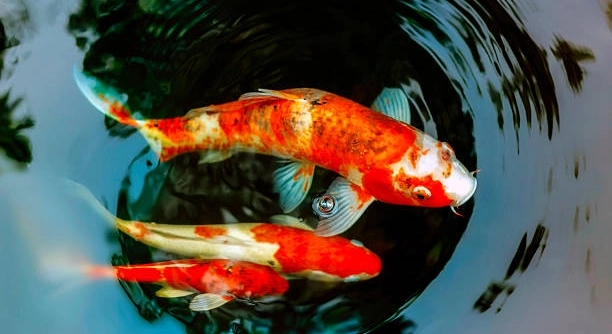
Koi fish are popular pond inhabitants known for their vibrant colors and graceful movements. Many koi owners wonder what happens when these fish are left alone in their environment for extended periods. Understanding their behavior and needs is essential for proper care.
When koi fish are left alone, they generally continue their normal activities such as swimming and resting, but prolonged isolation without environmental enrichment or feeding can lead to stress, weakened immune responses, and decreased overall health. Regular care is crucial to maintain their well-being.
Knowing how koi respond to solitude can help owners provide better care and create a healthier pond environment for their fish over time. This article explores key aspects of koi behavior when left unattended.
How Koi Fish Behave When Left Alone
Koi fish are social creatures, but they can spend time alone without immediate distress. When left alone, they continue their usual activities like swimming calmly, exploring their surroundings, or resting near plants and rocks. However, without stimulation or companionship, koi may become less active and show signs of boredom or mild stress. They rely on a clean, well-oxygenated environment, so water quality plays a significant role in their health during isolation. Feeding is also crucial; without regular feeding, koi can lose weight and become weak. Over time, loneliness can affect their immune system, making them more vulnerable to illness. Proper pond maintenance and occasional interaction help keep them healthy and active, even when alone.
Koi fish generally tolerate short periods alone but thrive best with consistent care and social interaction.
The balance between environment, feeding, and social factors determines how koi handle solitude. Regular monitoring ensures they remain healthy and display natural behaviors despite being alone.
Environmental Impact on Koi Left Alone
The pond environment influences koi behavior and health when alone. Clean water, proper filtration, and stable temperatures help maintain their wellbeing. Poor water quality can stress koi, leading to lethargy or disease. Plants and hiding spots offer comfort, reducing stress levels during solitude. Without these, koi may feel exposed or vulnerable. Proper oxygen levels are essential, as koi need well-oxygenated water to stay active. The presence of other pond animals or fish can provide indirect social interaction. A balanced environment mitigates negative effects of isolation, helping koi maintain normal behaviors.
Maintaining optimal pond conditions supports koi health and reduces stress during periods of solitude.
Environmental factors such as water quality, temperature, and shelter are critical for koi fish left alone. Clean, oxygen-rich water and adequate hiding places minimize stress and promote natural behavior. Changes in these factors can lead to health problems, making routine pond maintenance essential. Without proper care, koi may suffer from weakened immunity and slower recovery from illness. Attention to these details ensures koi stay resilient and comfortable even when left unattended for a time.
Feeding and Care During Absence
Koi fish need regular feeding to stay healthy. Skipping meals for too long can weaken their immune system and slow growth.
When koi are left without food for several days, their energy levels drop, and they may become more vulnerable to diseases. It is important to provide automatic feeders or arrange for someone to feed them if you plan to be away. Overfeeding before absence is not recommended, as leftover food can foul the water, harming the fish. Proper feeding schedules help maintain koi health and energy during periods when they are alone.
Besides feeding, checking water quality regularly is critical. Even short neglect can lead to poor oxygen levels or high toxins, stressing the fish. Maintaining clean water and balanced nutrients supports koi’s resilience and overall condition when unattended.
Signs of Stress and How to Help
Stress in koi often shows as changes in behavior or appearance, such as lethargy, reduced appetite, or faded colors. Early recognition is key to preventing illness.
To help stressed koi, improve water quality by performing partial water changes and ensuring proper aeration. Adding plants or decorations can provide shelter and reduce anxiety. Adjust feeding to lighter, more frequent meals to encourage appetite without polluting the water. Observe the fish daily for any changes, and consider consulting a veterinarian if symptoms worsen. Small adjustments can make a big difference in recovery and comfort.
Loneliness and Social Needs
Koi are naturally social and often prefer the company of other fish. Being alone for too long can affect their mood and activity levels.
While koi can survive alone, they usually thrive better in groups. Social interaction helps reduce stress and encourages natural behaviors like swimming and feeding.
Preventing Problems When Away
Regular maintenance before leaving is crucial. Cleaning the pond, checking filters, and testing water quality reduce risks while koi are alone. Automatic feeders help maintain feeding schedules. Arranging for someone to check on the pond ensures issues are spotted early, preventing long-term harm to the fish.
Monitoring Koi Health
Keep an eye on koi’s physical condition and behavior daily. Early detection of problems improves chances of recovery and keeps the pond environment stable.
FAQ
What happens if koi fish are left alone for a long time?
When koi fish are left alone for an extended period without proper care, they can experience stress and health decline. Lack of regular feeding causes weight loss and weakness. Poor water quality may develop if the pond is not maintained, increasing the risk of disease. While koi are hardy, they rely on stable conditions to stay healthy. Isolation without environmental enrichment can also reduce their activity and natural behaviors, affecting overall well-being.
Can koi fish survive without food for several days?
Koi can survive without food for a few days, especially in cooler temperatures when their metabolism slows down. However, longer periods without feeding weaken their immune system and energy reserves. Starvation increases susceptibility to illness and can stunt growth. It is important to ensure koi have consistent food, either through automatic feeders or someone caring for them during absences.
How do I keep koi healthy when I’m away?
To keep koi healthy when away, prepare the pond beforehand by cleaning filters and testing water quality. Use automatic feeders for consistent feeding and arrange for someone to check the pond periodically. Maintaining proper oxygen levels and stable temperatures is important. Adding plants and shelter helps reduce stress. Avoid overfeeding before leaving to prevent water pollution.
Do koi fish get lonely?
Koi are social animals and generally prefer living with other koi. Loneliness can cause reduced activity and stress over time. Though they can survive alone temporarily, social interaction promotes natural behavior and mental stimulation. Providing companions and environmental enrichment supports their well-being.
What signs show that koi are stressed?
Stressed koi may swim less or hide more than usual. They can lose appetite and show faded or dull colors. Erratic swimming, gasping at the water surface, or rubbing against objects may also indicate stress. Early detection of these signs helps prevent more serious health problems.
Can poor water quality affect koi when left alone?
Yes, poor water quality is one of the main risks when koi are left unattended. Waste buildup increases ammonia and nitrite levels, which are toxic to fish. Low oxygen and unstable temperatures also stress koi, weakening their immune systems. Regular water testing and maintenance are necessary to avoid these issues.
How often should koi be fed?
Koi typically need to be fed once or twice daily during warmer months when they are most active. Feeding should be reduced or stopped during colder months as their metabolism slows. Overfeeding can cause water pollution, so it’s important to give only what they can eat within a few minutes.
What can be done if koi lose appetite?
If koi lose their appetite, check water quality and temperature first, as poor conditions often cause appetite loss. Stress, illness, or parasites can also be factors. Improving water conditions and providing a balanced diet can help. If appetite does not return, consulting a vet or fish expert is recommended.
Is it safe to leave koi fish alone over a weekend?
Leaving koi alone over a weekend is usually safe if the pond is properly maintained and feeding is arranged. Using automatic feeders and checking water parameters before departure can prevent issues. For longer absences, it’s better to have someone monitor the pond regularly.
What environmental factors help koi stay healthy when alone?
Stable water temperature, good oxygen levels, clean water, and adequate shelter reduce stress and maintain koi health. Plants and hiding spots provide comfort. Proper filtration and aeration support water quality. Minimizing sudden changes in the environment helps koi cope with being alone.
Final Thoughts
Koi fish are generally resilient and can handle being left alone for short periods if their environment is well-maintained. They require clean water, proper oxygen levels, and regular feeding to stay healthy. When these basic needs are met, koi can remain active and healthy even without constant human presence. However, koi do benefit from social interaction, whether with other koi or occasional care from their owners. The combination of a stable environment and regular attention helps prevent stress and health problems that may arise from isolation.
Leaving koi unattended for too long without proper care can lead to issues such as weakened immunity, reduced activity, and poor growth. Water quality tends to decline quickly without maintenance, increasing the risk of harmful ammonia and nitrites. In addition, lack of feeding and environmental enrichment may cause koi to become lethargic or stressed. It is important to prepare the pond before any planned absence by cleaning filters, checking water parameters, and setting up feeding systems. Arranging for someone to check on the pond during longer absences ensures timely responses to potential problems.
Maintaining koi health requires consistent effort and attention to their environment. Even though koi are hardy fish, their wellbeing depends on the conditions provided. Regular observation of behavior and physical appearance can help detect early signs of stress or illness. Simple steps such as water testing, proper feeding, and ensuring social or environmental stimulation support koi in staying strong when left alone. Understanding these factors allows koi owners to provide the best care possible, ensuring their fish remain healthy and vibrant over time.

Hello,
If you enjoy the content that we create, please consider saying a "Thank You!" by leaving a tip.
Every little bit helps us continue crafting quality advice that supports the health, happiness, and well-being of pets around the world, for pets of all shapes, sizes, and species.
We really appreciate the kindness and support that you show us!