
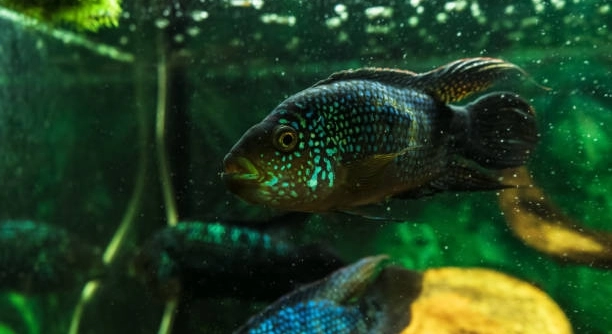
Have you ever noticed your Jack Dempsey fish hovering near certain areas of the tank for no apparent reason? These colorful cichlids are known for their bold personalities and unusual behaviors in home aquariums.
Jack Dempsey fish may guard empty spaces as part of their territorial instincts. This behavior is a natural response to perceived threats and environmental changes, helping them maintain control over areas they consider important for feeding and breeding.
Understanding why these fish protect seemingly vacant spots can improve tank management and create a more harmonious environment for your aquatic pets. Observing these behaviors reveals much about their natural instincts and daily routines.
Understanding Territorial Behavior in Jack Dempsey Fish
Jack Dempsey fish are naturally territorial. In home aquariums, they often guard empty spaces because they perceive these areas as part of their domain. This behavior is most noticeable when new objects or decorations are added to the tank. Even when a spot appears vacant, the fish may treat it as an essential location for feeding or resting. These fish are sensitive to changes in their environment and use guarding behaviors to assert dominance. Male Jack Dempseys, in particular, are more likely to patrol and defend larger sections of the tank. Females also show territorial instincts, but usually in smaller zones or around nesting sites. Providing enough hiding spots and maintaining consistent tank layouts can help reduce aggressive displays. Observing these behaviors helps aquarists understand their fish’s natural patterns and maintain a healthier, less stressful habitat.
Their guarding habits reflect instinctual responses rather than random actions. Territorial behavior is a normal, healthy aspect of their nature.
Adjusting tank setup and spacing allows Jack Dempseys to feel secure while reducing stress on other fish. Maintaining stable conditions helps manage aggression and encourages natural behaviors. By providing clearly defined territories, you can minimize conflicts and create a balanced environment for all tank inhabitants. These fish use visual markers and familiar surroundings to navigate their space, making empty areas important for their sense of security. Over time, consistent observation and small adjustments can lead to a calm, well-structured tank where territorial behaviors are predictable and manageable.
Environmental Triggers That Encourage Guarding
Empty spaces in the tank can trigger territorial guarding. These areas are often perceived as potential shelters or strategic points.
Changes in water conditions, new tank mates, or relocated decorations can prompt Jack Dempsey fish to guard specific spaces more aggressively. Even minor shifts in the tank’s layout may be interpreted as threats, leading them to assert control over areas they consider vulnerable. Feeding locations also play a role, as fish may defend spots near food sources. Lighting and hiding spots influence behavior as well, with brighter areas sometimes encouraging guarding due to increased visibility. Understanding these environmental triggers helps aquarists anticipate and manage protective behaviors, allowing for a calmer tank. Observing reactions to small changes provides insight into what your fish values and considers essential in their environment.
Providing stable conditions, consistent feeding routines, and sufficient hiding places helps reduce stress and unnecessary guarding behaviors. Careful tank arrangement encourages healthy social interactions and natural territorial patterns while minimizing conflicts among inhabitants. By respecting these instincts, aquarists can support the well-being of Jack Dempsey fish while maintaining a balanced aquarium ecosystem. Observing their responses over time reveals the subtle ways these fish communicate boundaries and establish dominance, which is crucial for managing aggressive tendencies. Understanding triggers also allows you to make informed choices about tank size, decoration placement, and community composition, ensuring that each fish has enough space to thrive.
Recognizing Signs of Guarding Behavior
Jack Dempsey fish often display flared fins, rapid swimming, or repeated hovering over certain areas. These signs indicate that the fish perceives a space as part of its territory. Understanding these signals helps manage tank dynamics and reduce stress for all inhabitants.
Aggressive displays such as chasing, sudden lunges, or blocking other fish from entering specific zones are common. These behaviors are not random; they are ways for the fish to establish boundaries. Territorial instincts are strongest during feeding or breeding periods, and observing patterns over time helps anticipate reactions. Consistent observation allows for timely adjustments in tank layout or the introduction of new tank mates, preventing unnecessary conflicts. Recognizing early signs of guarding can make a significant difference in maintaining harmony and promoting the well-being of all fish.
Visual cues such as hovering near empty spaces, guarding decorations, or flaring in response to movement are reliable indicators. These behaviors demonstrate that Jack Dempseys actively monitor their environment. By noting which areas trigger reactions, adjustments can be made, such as providing more hiding spots or adjusting the location of feeding stations. Tracking these patterns over several weeks helps predict how the fish will respond to changes and reduces unexpected aggression. Awareness of these signals is crucial for creating a balanced, low-stress environment in the aquarium.
Strategies to Manage Territorial Behavior
Providing multiple hiding spots and clear boundaries reduces tension among Jack Dempsey fish. Well-spaced decorations help each fish feel secure while preventing conflicts over empty spaces.
Adjusting tank size and layout is essential for minimizing guarding behavior. Larger tanks provide more room for each fish to establish a territory without constant confrontations. Introducing visual barriers, such as plants, rocks, or ornaments, allows fish to observe their environment while maintaining a sense of security. Feeding routines should be consistent, and food should be distributed evenly to prevent competition. Monitoring interactions and separating overly aggressive individuals when necessary helps maintain a calmer atmosphere. Observing how fish respond to minor changes in their environment informs future adjustments, ensuring long-term stability. Combining careful observation with thoughtful tank design creates a healthier, more balanced habitat where Jack Dempseys can display natural behaviors without causing unnecessary stress.
Common Misconceptions About Guarding
Many assume Jack Dempsey fish guard spaces only when aggressive, but it is often a natural instinct. Empty areas can serve as perceived safe zones or potential nesting sites. Understanding this behavior prevents unnecessary concern about normal territorial displays.
Guarding does not always indicate illness or stress. Observing body language and environmental triggers helps differentiate normal territorial behavior from problematic aggression. Proper tank setup and consistent routines reduce conflicts while allowing fish to express their natural instincts safely.
The Role of Tank Size and Layout
Tank size and layout directly influence guarding behaviors. Smaller tanks often amplify territorial instincts, causing Jack Dempseys to hover over empty spaces more frequently. Providing ample space and thoughtful decoration placement allows fish to establish personal zones, reducing tension and promoting a calmer aquarium environment.
Monitoring Behavioral Changes
Regular observation of Jack Dempsey fish is essential. Changes in guarding frequency or intensity may signal stress, illness, or environmental shifts. Tracking these patterns allows timely adjustments, ensuring fish remain healthy and secure in their habitat.
FAQ
Why does my Jack Dempsey guard empty spaces even when no other fish are nearby?
Jack Dempsey fish have strong territorial instincts. Guarding empty spaces is a way to assert control over areas they perceive as important for feeding, resting, or breeding. Even in the absence of other fish, these behaviors are normal and part of their natural routine.
Is guarding behavior a sign of stress or illness?
Not necessarily. While illness or poor water conditions can affect behavior, empty-space guarding is usually instinctual. Stress-related guarding often comes with other signs such as hiding, rapid breathing, loss of appetite, or unusual swimming patterns. Observing multiple behaviors helps determine whether intervention is needed.
Will Jack Dempseys stop guarding if I rearrange the tank?
Rearranging the tank can temporarily increase guarding behavior as fish adapt to new surroundings. They perceive changes as potential threats, so expect heightened activity near certain areas. Over time, most fish adjust, and guarding becomes more predictable as they establish new boundaries.
Does tank size affect how much my Jack Dempsey guards?
Yes, smaller tanks can amplify territorial behavior because space is limited. Larger tanks give each fish more room to claim zones, reducing frequent confrontations. Proper tank layout, including hiding spots and visual barriers, helps minimize constant guarding.
Are some Jack Dempseys more aggressive than others?
Individual temperament varies. Males are typically more territorial and display more guarding behavior, especially during breeding periods. Some females may also show territorial instincts around nesting areas. Observing each fish over time helps identify those with stronger guarding tendencies.
How can I reduce aggressive guarding behavior?
Providing multiple hiding spots and consistent feeding routines helps. Evenly distributing food and decorations reduces competition for spaces. If a fish shows excessive aggression, consider separating it temporarily or adjusting tank layout to create more defined territories.
Do Jack Dempseys guard empty spaces year-round?
Guarding behavior can vary depending on breeding cycles, environmental changes, and social dynamics. While some level of guarding is constant, intensity often increases during breeding or when the tank layout changes. Observing patterns over weeks gives a clearer picture of normal behavior.
Can other fish coexist with a territorial Jack Dempsey?
Yes, but careful planning is required. Tank mates should be robust and able to tolerate occasional guarding displays. Providing visual barriers, hiding spots, and enough space ensures less conflict and reduces stress for all inhabitants. Monitoring interactions is key to maintaining harmony.
Is it safe to ignore guarding behavior?
In most cases, yes. Guarding empty spaces is a natural behavior. Intervention is only needed if aggression escalates, fish are injured, or stress signs appear. Observing behavior regularly ensures fish remain healthy without unnecessary interference.
How can I track my Jack Dempsey’s territorial patterns?
Keep a simple observation log noting where and when your fish guards spaces, reacts to other fish, or changes behavior. Over time, this helps anticipate actions, optimize tank layout, and ensure a balanced, less stressful environment for everyone.
Will introducing more hiding spots reduce guarding completely?
Additional hiding spots reduce competition and make fish feel secure, but they will not eliminate guarding entirely. These behaviors are instinctual. Thoughtful placement allows Jack Dempseys to express natural territorial instincts without creating conflict or stress in the tank.
Do all Jack Dempseys guard empty spaces in the same way?
No, behaviors vary by individual temperament, tank conditions, and social environment. Some may hover calmly, while others display flared fins and chasing behavior. Understanding your fish’s unique patterns helps manage interactions and optimize tank harmony.
Can changes in lighting affect guarding?
Yes, lighting influences visibility and perceived territory. Brighter areas may increase guarding because fish feel more exposed. Adjusting lighting and creating shaded areas helps fish feel secure while maintaining their natural behaviors.
How long does it take for a Jack Dempsey to adjust after tank changes?
Adjustment can take days to weeks, depending on the fish and extent of changes. Monitoring behavior and providing consistent conditions during this period helps them settle into new territories without excessive aggression.
Is guarding behavior linked to breeding readiness?
Yes, guarding intensity often increases during breeding periods. Males become more protective of potential nesting sites, and females guard areas for laying eggs. Recognizing this pattern allows better tank management during reproductive cycles.
What should I do if my Jack Dempsey damages decorations while guarding?
Secure decorations properly and choose sturdy materials. Understanding that this behavior is instinctual helps plan tank layouts. Providing extra hiding spots and rearranging fragile items reduces damage without discouraging natural territorial instincts.
Can I train a Jack Dempsey to guard less?
You cannot eliminate instinctual behavior, but consistent routines, sufficient space, and careful tank design can reduce unnecessary guarding. Avoid frequent disturbances, and allow fish to feel secure in their established zones.
Does diet influence territorial guarding?
A well-balanced diet supports health, which can moderate aggressive displays. Hungry or stressed fish may guard more aggressively, so consistent feeding schedules and proper nutrition help maintain calmer behavior.
Are there signs that guarding is excessive?
Excessive guarding includes constant chasing, flaring at all tank mates, and preventing other fish from accessing food or hiding areas. Interventions like rearranging the tank or temporary separation may be necessary to maintain balance.
How can I encourage natural behavior without promoting aggression?
Provide a spacious tank with multiple zones, hiding spots, and stable conditions. Allow fish to establish territories while ensuring all inhabitants have access to food, shelter, and swimming space. Observation and careful planning support healthy, balanced behavior.
Is guarding behavior consistent across all tank environments?
Behavior varies depending on tank size, layout, companions, and environmental conditions. Some Jack Dempseys may guard more aggressively in small or crowded tanks, while larger, well-structured tanks reduce constant displays of territoriality. Observation and adjustments are key to managing these behaviors effectively.
Do Jack Dempseys guard during nighttime or low activity periods?
Guarding is primarily daytime behavior when the fish is active. At night, most fish rest, though some may maintain a presence near preferred zones. Ensuring adequate resting areas and minimal disturbances supports natural activity patterns and reduces stress.
Can water quality affect guarding intensity?
Poor water quality can increase stress, which may heighten guarding behavior. Maintaining clean, stable water conditions helps Jack Dempseys feel secure and reduces unnecessary aggression while supporting overall health.
How often should I monitor territorial behaviors?
Daily observation for the first few weeks in a new setup is ideal. Over time, regular checks help identify changes, stress signs, or conflicts, allowing timely adjustments to maintain a balanced, healthy environment.
Does tank decoration style matter for guarding behavior?
Yes, decorations that create natural hiding spots, visual barriers, and defined zones help fish feel secure. Open, bare tanks may increase guarding because fish perceive empty areas as vulnerable or contested. Proper placement encourages natural behaviors without excessive conflict.
Can juvenile Jack Dempseys display guarding behavior?
Yes, even young fish show territorial instincts. Guarding intensity may increase with maturity, but early observation and tank setup can prevent conflicts and help establish predictable behaviors as they grow.
Will introducing more fish reduce empty-space guarding?
Adding more fish may increase competition, potentially worsening guarding if space is limited. The focus should be on adequate tank size, multiple zones, and hiding spots to balance territorial instincts with social interactions.
Are there long-term consequences of excessive guarding?
Chronic stress from constant guarding or conflict can impact growth, appetite, and overall health. Maintaining balanced tank conditions and observing behavior prevents long-term negative effects. Ensuring each fish has space and resources is essential.
How do I know when a guarding behavior is normal versus problematic?
Normal guarding involves occasional hovering, mild displays, and predictable zones. Problematic behavior includes constant aggression, injury to other fish, or severe stress signs. Monitoring patterns over time helps distinguish between the two, allowing informed interventions.
Can guarding behaviors change over time?
Yes, factors like maturity, breeding cycles, tank changes, and social dynamics influence guarding intensity. Continuous observation helps anticipate adjustments and maintain a balanced environment that accommodates natural instincts.
Are Jack Dempseys more likely to guard empty spaces than other cichlids?
Jack Dempseys are known for bold territorial instincts, but other cichlids also display guarding behaviors. The intensity and frequency may vary by species, temperament, and environmental factors, making species-specific observation important.
Does seasonal change affect guarding?
Seasonal or temperature changes may indirectly influence activity levels and territorial behavior. Stable conditions minimize stress, ensuring guarding remains within normal, manageable levels throughout the year.
Can guarding behavior indicate dominance hierarchies?
Yes, guarding often establishes dominance over specific areas. Observing interactions with tank mates provides insight into social structures and helps manage conflicts to ensure harmony.
Is it normal for Jack Dempseys to guard the same empty spaces repeatedly?
Yes, repeated guarding of specific areas reflects established territories. Fish are creatures of habit and often maintain familiar zones that feel safe and important for daily activities.
How do I balance tank aesthetics with guarding needs?
Use decorations that create natural boundaries and hiding spots without overcrowding. Thoughtful placement allows fish to express natural behaviors while keeping the tank visually appealing and functional for all inhabitants.
Can guarding behavior interfere with feeding routines?
Yes, overly territorial fish may block access to food for others. Distributing food evenly and providing multiple feeding locations reduces competition while supporting natural behaviors.
Does guarding intensity differ between males and females?
Males generally show stronger territorial instincts, especially during breeding. Females may guard nesting sites, but typically less aggressively. Understanding these differences helps manage tank layout and social dynamics effectively.
Can frequent tank maintenance affect guarding behavior?
Frequent disturbances may temporarily increase guarding as fish react to changes. Minimizing unnecessary activity and maintaining stable conditions helps fish feel secure and reduces excessive territorial displays.
Are Jack Dempseys more likely to guard empty spaces in community tanks?
Community tanks can trigger increased guarding due to the presence of other fish. Proper spacing, hiding spots, and observation help balance territorial instincts with peaceful cohabitation.
Do all empty-space guarding behaviors involve aggression?
No, some fish simply hover or patrol areas without flaring fins or chasing. Not all guarding is aggressive; many displays are subtle and part of natural territory monitoring.
Can providing visual barriers reduce guarding intensity?
Yes, visual barriers like plants, rocks, and ornaments help fish feel secure. These reduce direct confrontations and allow Jack Dempseys to maintain territories without constant displays of aggression.
How important is consistency in tank setup for managing guarding?
Consistency is key. Stable tank layouts, feeding routines, and water conditions help Jack Dempseys feel secure, minimizing unnecessary guarding while allowing natural behaviors to occur safely.
Is guarding empty spaces a temporary or permanent behavior?
It is a permanent instinctual behavior, though intensity fluctuates based on environmental conditions, social interactions, and breeding cycles. Regular observation ensures that behavior remains manageable and healthy.
Can introducing plants affect guarding behavior?
Yes, plants provide visual barriers and hiding spots, reducing conflict and allowing fish to establish territories without constant aggressive displays. Properly placed plants support natural behaviors and tank balance.
Does tank temperature influence guarding behaviors?
Extreme temperatures can increase stress, indirectly intensifying guarding. Maintaining stable, optimal temperatures supports calm, predictable territorial behavior while promoting overall health.
Are there behaviors that indicate guarding is linked to breeding readiness?
Yes, males often become more protective of potential nesting areas, and females guard sites for laying eggs. Recognizing this helps manage interactions and tank layout during reproductive periods.
Can frequent changes in tank mates worsen guarding behavior?
Yes, introducing new fish can trigger guarding displays as Jack Dempseys defend perceived territory. Limiting changes and providing adequate space reduces stress and excessive territoriality.
Do Jack Dempseys ever share empty spaces?
While occasional tolerance occurs, dominant individuals usually maintain control. Sharing depends on individual temperament, tank size, and the presence of hiding spots that reduce conflict.
Is it normal for guarding intensity to vary daily?
Yes, intensity can fluctuate based on feeding schedules, activity levels, and environmental conditions. Tracking patterns helps anticipate and manage behavior effectively.
Can guarding affect the health of other fish?
Excessive aggression may stress or injure other fish, impacting appetite, growth, and immune function. Balanced tank conditions and observation reduce these risks.
Are there signs that a Jack Dempsey feels secure in its territory?
Calm hovering, predictable patrols, and absence of constant flaring indicate a fish feels confident and secure in its claimed areas. These are positive signs of comfort and stability.
How can I encourage natural behavior without increasing aggression?
Provide sufficient space, multiple zones, hiding spots, and consistent routines. Observing and adjusting tank layout as needed ensures fish express instincts safely and without unnecessary stress.
Does guarding empty spaces indicate intelligence?
Yes, this behavior reflects spatial awareness, memory, and recognition of territory. Jack Dempseys use these instincts to navigate and manage their environment effectively.
Can disturbances outside the tank trigger guarding?
Yes, sudden movements, vibrations, or loud noises near the tank may prompt increased vigilance, temporarily intensifying guarding behavior. Minimizing disruptions helps maintain calm conditions.
Are some areas in the tank more likely to be guarded?
Yes, spots near food sources, decorations, hiding areas, or preferred resting zones are more likely to be monitored. Understanding these preferences allows better tank organization.
Does social hierarchy affect which spaces are guarded?
Yes, dominant fish claim prime zones while subordinate fish occupy peripheral areas. Observing interactions helps manage spacing and reduces conflicts.
Can guarding behavior be misinterpreted as aggression toward humans?
Often, flaring or hovering near tank glass is territorial display, not directed at humans. Recognizing this helps avoid unnecessary concern or interference.
How can I maintain a peaceful community with territorial Jack Dempseys?
Provide ample space, visual barriers, hiding spots, and multiple feeding zones. Monitor behavior and intervene when aggression threatens tank harmony. Careful planning and observation ensure all fish coexist safely.
Can guarding behavior indicate a fish is preparing to spawn?
Yes, increased vigilance and territorial control often signal readiness to breed. Recognizing this pattern helps manage tank conditions and protect nesting areas.
Do Jack Dempseys guard areas even if they are not breeding?
Yes, empty-space guarding is a natural instinct independent of breeding. It serves as a method to establish and maintain personal territory within the tank.
Is it normal for guarding behavior to continue as fish age?
Yes, territorial instincts persist throughout life, though intensity may vary. Older fish may patrol less actively but still maintain awareness of preferred zones.
How can I prevent injury from guarding behavior?
Ensure sufficient space, hiding spots, and visual barriers. Monitor interactions and separate overly aggressive individuals when necessary. Proper tank management minimizes risk and maintains fish health.
Does diet or feeding schedule influence guarding behavior?
Consistent feeding reduces competition and unnecessary guarding near food areas. Balanced nutrition supports health, which helps moderate aggression and territorial displays.
Can frequent tank rearrangements affect long-term behavior?
Yes, repeated changes may prolong guarding intensity and stress. Stable layouts and minimal disruptions help fish establish predictable territories and feel secure over time.
How important is observation in managing Jack Dempsey territorial behavior?
Observation is crucial. Tracking patterns, intensity, and triggers allows timely interventions, ensures balanced interactions, and supports healthy, predictable behavior in the tank.
Can water chemistry changes trigger guarding behavior?
Yes, fluctuations in pH, hardness, or temperature may increase vigilance and territorial displays. Maintaining stable water parameters minimizes unnecessary stress and aggression.
Do Jack Dempseys recognize individual tank mates when guarding?
Yes, fish can remember and respond differently to tank mates. Recognition helps establish hierarchy and reduces constant conflict once social structures are in place.
Can guarding behaviors be prevented entirely?
No, these instincts are natural. Proper tank size, layout, and observation manage intensity, allowing fish to express behaviors safely without causing undue stress.
Are there specific times of day when guarding is strongest?
Activity and guarding peak during daylight hours when fish are most alert and interacting with their environment. Nighttime activity is usually minimal.
Can breeding pairs guard empty spaces together?
Yes, pairs may jointly monitor areas important for nesting or resting. Cooperation helps protect territory while supporting reproductive success.
Does overcrowding worsen guarding behavior?
Yes, limited space increases competition, stress, and aggression. Adequate tank size and spacing are essential to manage territorial instincts and maintain a balanced environment.
Is guarding influenced by previous tank experiences?
Past experiences, such as conflicts or layout changes, can shape territorial behavior. Fish may remain cautious and guard areas more intensely based on prior encounters.
Can environmental enrichment reduce guarding intensity?
Yes, providing plants, rocks, and varied decorations allows exploration, reduces stress, and mitigates excessive guarding by creating multiple zones of security.
Are Jack Dempseys more territorial than other cichlids?
They are known for strong territorial instincts, though behavior varies by species. Understanding species-specific tendencies helps in planning tank setup and social management.
Does guarding behavior affect social bonding with other fish?
While it establishes boundaries, it does not prevent social interactions entirely. Proper space and hiding spots allow fish to coexist while expressing territorial instincts.
Can frequent observation reduce aggressive incidents?
Yes, early detection of aggression or stress allows timely intervention. Observing behavior patterns ensures a calmer, more balanced aquarium environment.
Is guarding empty spaces more common in captive fish than wild fish?
Captivity may intensify territorial displays due to confined space and fixed environments. In the wild, larger territories reduce frequent guarding and conflicts.
Can guarding behavior indicate overall health?
Normal guarding is a sign of active, alert fish. Sudden changes, lethargy, or extreme aggression may indicate stress or health issues requiring attention.
Does tank decoration placement influence which spaces are guarded?
Yes, fish often claim areas near decorations that provide security, shelter, or vantage points. Thoughtful placement guides territorial behavior and reduces conflicts.
Can water flow or filtration affect guarding intensity?
Strong currents or noisy filters may stress fish, potentially increasing territorial displays. Providing calm zones helps reduce guarding intensity and supports natural behaviors.
Do Jack Dempseys recognize empty spaces as “their own”?
Yes, repeated monitoring and patrolling indicate ownership. These spaces serve as reference points for navigation, feeding, and resting within the tank.
How long should I wait before intervening in guarding disputes?
Observe interactions first, as brief displays are normal. Intervention is necessary only when aggression is sustained, injures other fish, or causes extreme stress.
Can juvenile tank mates trigger more guarding in adults?
Yes, adults may perceive smaller or new fish as intruders. Providing adequate space and hiding spots minimizes conflict and allows coexistence.
**Does lighting color
Final Thoughts
Jack Dempsey fish are naturally territorial, and guarding empty spaces is a normal behavior. This instinct is part of how they interact with their environment and establish boundaries within the tank. Empty areas may appear unimportant to us, but to the fish, they can serve as resting zones, feeding points, or potential nesting sites. Observing these behaviors is not only fascinating but also essential for maintaining a healthy aquarium. Recognizing that guarding is instinctual helps prevent misinterpreting these actions as aggression or illness. Over time, patterns emerge that allow aquarists to understand which areas their fish consider valuable and how they respond to changes in their surroundings. By respecting these natural instincts, it is possible to create a tank environment where Jack Dempseys feel secure while minimizing unnecessary stress or conflict.
Proper tank setup plays a key role in managing territorial behavior. Providing ample space, multiple hiding spots, and visual barriers allows each fish to establish its own zones without constant confrontation. The size of the tank directly affects how frequently guarding occurs. Smaller tanks tend to intensify territorial displays because space is limited, whereas larger tanks give fish room to navigate and claim areas independently. Decorations, plants, and hiding spots not only improve the aesthetic of the aquarium but also serve a practical purpose in reducing tension. Feeding routines and consistent care further support a calmer environment. By observing how fish interact with these features, aquarists can make thoughtful adjustments that support natural behaviors while keeping the tank peaceful. Understanding and responding to these needs ensures that Jack Dempseys thrive in a stable, well-organized habitat.
Monitoring behavior regularly is essential for long-term tank management. Guarding intensity can vary based on individual temperament, breeding cycles, environmental changes, or the presence of other fish. Daily or weekly observations help track patterns and identify potential issues early. Minor adjustments, such as relocating decorations, adding hiding spots, or managing tank mates, can significantly reduce stress and unnecessary aggression. It is important to note that guarding is not a problem to eliminate but an instinct to manage. By combining careful observation, stable tank conditions, and thoughtful layout, aquarists can support natural behavior while maintaining harmony among all inhabitants. Understanding Jack Dempsey fish as territorial but predictable allows for a balanced, healthy aquarium where their instincts are expressed safely. Over time, this approach creates a more enjoyable and rewarding experience for both the fish and their caretaker.

Hello,
If you enjoy the content that we create, please consider saying a "Thank You!" by leaving a tip.
Every little bit helps us continue crafting quality advice that supports the health, happiness, and well-being of pets around the world, for pets of all shapes, sizes, and species.
We really appreciate the kindness and support that you show us!