
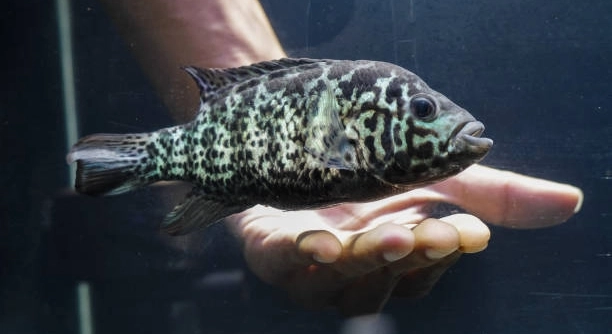
Are your small tanks not performing as well as you hoped? Even minor adjustments can significantly improve water quality, fish health, and overall tank aesthetics. Small changes often lead to surprisingly positive results over time.
Implementing small tank tweaks, such as optimizing filtration, adjusting lighting, or reorganizing decorations, can greatly enhance aquatic environments. These measures improve water circulation, reduce stress for inhabitants, and create a more balanced ecosystem, directly impacting fish well-being and tank longevity.
These simple improvements can transform your tank, making it healthier and more enjoyable for both you and your fish. Each adjustment plays a crucial role in long-term success.
Rearrange Decorations
The placement of decorations in a small tank affects water flow, fish behavior, and tank aesthetics. Leaving open swimming space while providing hiding spots helps fish feel secure. Rocks, driftwood, and artificial plants can be arranged to create natural pathways for movement. Avoid overcrowding, as this can trap debris and reduce water circulation. Strategic placement allows filters and pumps to operate efficiently while giving fish areas to explore. Rearranging decorations periodically also prevents boredom for fish and reduces territorial disputes. Lightweight items can be repositioned easily during maintenance. Consider the needs of both active and shy species when designing the layout. Plants placed near lights thrive better, while shaded areas offer refuge. A balanced arrangement creates visual appeal and supports a healthier ecosystem. Observing fish interactions with their environment provides insight into adjustments that improve comfort and activity levels.
Thoughtful decoration placement improves water flow, fish comfort, and tank appearance, making the space more functional and visually appealing.
Rearranging decorations encourages natural behavior, supports plant growth, and reduces dead zones where debris accumulates. Creating pathways and hiding spots ensures a balanced habitat, while regularly adjusting items prevents stagnation and keeps the tank dynamic. This simple tweak enhances both aesthetics and functionality, providing a more stable environment for all inhabitants.
Monitor Water Temperature
Maintaining a stable temperature is essential for fish health and plant growth. Small tanks are more susceptible to fluctuations due to their size. Using a reliable heater with a thermostat ensures consistent warmth appropriate for the species you keep. Avoid placing the tank near drafts or direct sunlight, which can cause sudden changes. Regular temperature checks help identify issues before they affect fish behavior or metabolism. Some species are sensitive to even small shifts, which can increase stress or lower immunity. Combining a heater with a thermometer allows precise monitoring and adjustments. Adjusting gradually prevents shock, and placing plants and decorations evenly distributes heat throughout the tank. Consistent temperature supports breeding, feeding, and overall activity levels. Proper heating improves water chemistry stability and keeps biological processes running smoothly.
Stable water temperature protects fish health, reduces stress, and supports a balanced aquatic environment.
Small tanks heat and cool quickly, so careful monitoring is vital. Use a heater, thermometer, and avoid external temperature influences. Gradual adjustments prevent shock, while even heat distribution supports plants and fish. Observing your tank helps identify hotspots or cooler areas, and consistent warmth improves metabolism, immunity, and activity. Temperature management also affects dissolved oxygen levels and plant growth, making it a key factor in maintaining water quality. Simple steps, like adjusting heater settings and keeping the tank away from windows or vents, can prevent dangerous fluctuations. By combining monitoring with routine observation, you ensure the tank remains safe and healthy. A stable temperature reduces disease risk, supports feeding routines, and keeps fish vibrant, creating a more predictable and manageable small tank environment.
Increase Aeration
Adding an air stone or small pump improves oxygen levels and water movement in a small tank. Better aeration supports fish metabolism, reduces stress, and helps beneficial bacteria thrive. This simple adjustment can have a major impact on tank health and clarity.
Enhanced aeration boosts oxygen circulation and supports overall tank stability. Fish become more active, and water stays clear. Small adjustments, like adjusting the pump flow or repositioning the air stone, ensure consistent oxygen distribution throughout the tank. Increased oxygen also helps plants absorb nutrients efficiently, improving growth and maintaining ecological balance. Proper aeration reduces stagnation in corners and prevents buildup of harmful gases. Over time, this leads to stronger, healthier fish and a more stable environment. Even minor tweaks, such as upgrading tubing or adding a diffuser, can significantly enhance circulation and reduce stress-related behaviors.
Regularly checking aeration and adjusting placement ensures the tank environment remains balanced. Small improvements in oxygen flow support plant health, encourage natural fish activity, and prevent dead zones. Proper aeration also enhances the efficiency of filtration and minimizes algae growth. These adjustments contribute to a well-maintained tank with a more predictable ecosystem. By keeping oxygen levels consistent, fish feed better, metabolize more efficiently, and are less prone to illness. Small changes in aeration can make noticeable differences in fish vitality, plant growth, and overall tank aesthetics. Over time, maintaining good circulation reduces long-term maintenance needs while improving tank stability.
Trim Plants
Trimming overgrown plants prevents them from blocking light and disrupting water flow. It keeps the tank visually appealing and gives fish more space to swim. Regular pruning ensures plants remain healthy and reduces decaying matter in the tank.
Healthy plants require consistent trimming to avoid overcrowding. Overgrowth can shade other plants, limit light penetration, and interfere with oxygen exchange. Removing older leaves encourages new growth and prevents rotting material from accumulating on the substrate. By cutting back dense areas, water circulation improves and fish have clear swimming paths. Trimming also helps maintain a balanced nutrient cycle, reducing algae growth and promoting overall tank stability. Small snips at the right time keep plants looking full and vibrant without stressing them.
Trimming plants regularly maintains balance and prevents potential water quality issues. It allows light to reach all areas, improving photosynthesis and oxygenation. Proper pruning reduces the risk of decaying leaves polluting the tank and affecting fish health. Overgrown plants can block filter flow or hide fish, making observation difficult. Maintaining shape and size ensures all species benefit from adequate space and resources. By planning regular trimming sessions, tanks remain tidy, plants flourish, and fish are less stressed. Healthy plants support nutrient absorption and water clarity, while careful pruning encourages steady growth without harming the ecosystem. Overall, consistent maintenance strengthens both plant and fish well-being.
Use a Water Conditioner
Adding a water conditioner neutralizes chlorine and other harmful chemicals in tap water. This protects fish gills and skin, making the tank safer. Regular use ensures a stable, healthy environment for all aquatic life, especially during water changes.
Water conditioners also bind heavy metals that may be present in the water. This reduces stress on fish and prevents long-term health issues. Consistent use helps maintain biological balance and improves overall tank stability.
Clean the Substrate
Removing debris and uneaten food from the substrate prevents ammonia buildup and keeps water clear. A clean substrate supports beneficial bacteria that help maintain a balanced ecosystem.
Regular substrate maintenance reduces harmful chemical spikes. Vacuuming gravel or sand during water changes removes waste before it decomposes. Proper cleaning prevents algae growth on the bottom and ensures healthier plants and fish. By keeping the substrate clean, oxygen flow to bacteria is maintained, supporting nutrient cycling. Consistent care avoids buildup of toxins that can harm fish, and it helps maintain the tank’s visual appeal. Clean substrate contributes to overall water quality, promoting a more stable and thriving environment for all tank inhabitants.
Rotate Decorations
Rotating decorations occasionally prevents fish from becoming bored and promotes exploration. It also improves water circulation in different areas, reducing stagnant spots.
Adjust Feeding Amounts
Overfeeding leads to excess waste, poor water quality, and increased algae growth. Feeding the right portions ensures fish receive proper nutrition without harming the tank ecosystem.
FAQ
How often should I change water in a small tank?
Water changes are essential for maintaining stable water quality. For most small tanks, changing 20–30% of the water weekly is sufficient. This removes excess waste, reduces toxins like ammonia and nitrites, and replenishes essential minerals. Consistency is more important than large changes, which can stress fish.
Can I use tap water without a conditioner?
Tap water contains chlorine and sometimes heavy metals, which are harmful to fish. Always use a water conditioner to neutralize these chemicals. Even a small amount of untreated tap water can irritate gills, damage scales, and negatively affect long-term fish health.
How do I know if my fish are stressed?
Signs of stress include lethargy, hiding, loss of appetite, rapid gill movement, and faded colors. Stress can be caused by poor water quality, overfeeding, insufficient hiding spots, or sudden temperature changes. Identifying stress early allows for immediate adjustments to improve the environment.
Is it necessary to trim live plants regularly?
Yes, trimming prevents overgrowth, improves light penetration, and maintains proper water circulation. Removing decaying leaves reduces ammonia buildup and supports healthier growth for remaining plants. Regular pruning ensures that plants do not overcrowd fish or block filtration systems.
How much should I feed my fish?
Feed small portions that fish can consume within 2–3 minutes, once or twice daily depending on species. Overfeeding leads to uneaten food sinking to the substrate, which increases waste and encourages algae growth. Observing fish during feeding helps adjust portion sizes accurately.
Can small tanks support many fish?
Small tanks are limited in space and oxygen availability. Overstocking increases stress, reduces water quality, and can lead to disease. A general guideline is one inch of fish per gallon, but species activity and adult size should always be considered. Proper filtration and aeration are also critical.
What is the best way to clean a filter?
Rinse filter media in tank water during water changes to avoid killing beneficial bacteria. Avoid using tap water, which contains chlorine and can disrupt the biological balance. Replace media only when it is deteriorated, and maintain mechanical components regularly to ensure proper flow.
How do I prevent algae growth?
Algae thrive with excess light and nutrients. Keep a consistent lighting schedule, avoid overfeeding, and remove decaying plant material. Adding fast-growing plants or algae-eating fish can help control growth naturally. Regular maintenance of water quality reduces the likelihood of algae spreading.
Should I monitor water parameters?
Yes, testing ammonia, nitrites, nitrates, pH, and temperature regularly ensures a stable environment. Even small fluctuations in a small tank can stress fish. Keeping a log of water parameters helps identify trends and catch potential problems before they escalate.
Can I rearrange decorations frequently?
Yes, but do it gradually. Fish need familiar hiding spots and pathways to feel secure. Sudden changes can stress them. Rotating decorations occasionally encourages exploration and improves water circulation without overwhelming the inhabitants.
How do I keep fish healthy long-term?
Consistent water changes, proper feeding, adequate filtration, stable temperature, and careful observation of behavior are key. Healthy plants, clean substrate, and regular maintenance reduce stress and disease. Small, incremental adjustments in tank care often have the largest long-term benefits for fish well-being.
What should I do if a fish becomes sick?
Quarantine the affected fish immediately to prevent spreading disease. Test water parameters, adjust conditions, and treat with appropriate medication. Observing early signs, such as unusual swimming patterns or spots, allows for faster and more effective recovery.
Can I mix different fish species in a small tank?
Only compatible species should be kept together. Aggressive or territorial fish can harm others, while different activity levels may cause stress. Research species requirements for temperature, diet, and behavior before combining them. Even minor mismatches can lead to long-term health problems.
How important is aeration in a small tank?
Aeration improves oxygen levels, supports plant growth, and reduces stagnant areas where debris can accumulate. Fish activity and metabolism depend on consistent oxygen availability. Small adjustments, such as adding an air stone or repositioning the filter, can dramatically improve tank stability.
How do I prevent overfeeding when multiple fish are present?
Feed small amounts in multiple spots to ensure all fish get access without leaving excess food. Observe feeding closely and remove uneaten portions. Consistency in feeding routines minimizes waste buildup and maintains balanced water quality.
What is the role of substrate in a small tank?
Substrate supports beneficial bacteria, anchors plants, and affects water chemistry. Regular vacuuming removes waste and prevents ammonia buildup. Choosing the correct substrate type for plant growth and fish species ensures a balanced, healthy environment over time.
How often should I check water temperature?
Daily checks are recommended for small tanks, which are more prone to fluctuations. Stable temperature reduces stress, improves metabolism, and supports plant growth. Using a reliable heater with a thermostat and observing variations ensures fish health and consistent ecosystem balance.
Can I add decorations without affecting water quality?
Yes, but choose items made for aquariums. Non-aquarium materials can leach chemicals or alter pH. Rinse all decorations before placing them in the tank. Proper placement maintains water flow and prevents debris buildup. Safe, thoughtful decoration keeps both fish and plants thriving.
Is it necessary to have hiding spots for all fish?
Yes, hiding spots reduce stress, especially for shy or territorial species. Plants, rocks, or caves provide refuge and help establish territories. Lack of cover can lead to aggression, fatigue, or illness. Properly arranged shelters support natural behavior and improve overall tank health.
How do I introduce new fish safely?
Acclimate new fish gradually using a drip or floating method to match water temperature and parameters. Monitor interactions closely, quarantine if necessary, and avoid adding too many at once. Gradual introduction reduces stress and lowers the risk of disease spreading.
What maintenance tasks are most important weekly?
Weekly tasks include partial water changes, filter checks, substrate cleaning, and trimming plants. Observing fish behavior, testing water parameters, and inspecting decorations ensures a safe, healthy, and visually appealing tank. Consistent weekly care prevents long-term problems and promotes stability.
Can live plants reduce maintenance needs?
Yes, live plants absorb excess nutrients, produce oxygen, and provide natural filtration. They compete with algae for resources, helping reduce growth. Proper trimming and placement allow plants to thrive without overcrowding the tank, minimizing extra work while improving tank health and aesthetics.
How do I prevent fish boredom?
Rotating decorations, adding plants, and changing the tank layout slightly encourages exploration. Varied feeding techniques or live plants also stimulate natural behaviors. Providing a dynamic environment keeps fish active, reduces stress, and supports long-term well-being without disrupting stability.
What is the best approach to tank lighting?
Consistent lighting with a timer helps plants grow and maintains fish routines. Avoid excessive brightness to prevent algae, and provide shaded areas for refuge. Adjusting intensity gradually allows both plants and fish to adapt without stress. Proper lighting balances aesthetics, plant growth, and fish comfort.
How do I know if water changes are effective?
Water clarity, reduced odor, and stable test results indicate effective changes. Observing fish behavior and plant health also reflects improvements. Tracking ammonia, nitrite, nitrate, and pH levels ensures that changes are positively affecting tank conditions and supporting long-term stability.
Can I mix artificial and live plants?
Yes, combining live and artificial plants can reduce maintenance while providing structure. Place live plants where light is sufficient and artificial plants in shaded areas to create hiding spots. Both contribute to aesthetics, fish comfort, and tank stability without harming water quality.
How do I maintain stable pH?
Monitor pH regularly and use buffering materials if needed. Sudden changes stress fish and affect plant health. Proper substrate choice, controlled feeding, and regular water changes all help maintain stable pH, ensuring a consistent and balanced environment for all inhabitants.
What should I do if algae keeps returning?
Check lighting duration, reduce overfeeding, and remove decaying plant matter. Adding fast-growing plants or algae-eating fish can help control growth. Regular water changes and substrate cleaning limit nutrients that fuel algae, keeping the tank cleaner over time.
Is tank size important for fish health?
Yes, fish need space to swim and maintain natural behaviors. Small tanks can limit oxygen, increase waste concentration, and stress fish. Choosing appropriate stocking levels, filtration, and aeration ensures a healthy environment while minimizing health risks.
How do I keep multiple species from fighting?
Provide enough hiding spots and territory markers. Research compatibility before adding species and avoid overcrowding. Balanced decorations, consistent feeding, and gradual introductions reduce aggression, supporting a peaceful and thriving tank environment.
Can decorations affect filtration efficiency?
Yes, poorly placed decorations can block water flow, reducing filter performance. Arrange items to maintain open pathways, allowing circulation throughout the tank. Proper placement ensures debris removal, oxygen distribution, and a healthier environment for fish and plants alike.
What is the best way to acclimate new plants?
Rinse new plants thoroughly to remove pests or chemicals. Introduce slowly to allow adaptation to water conditions. Monitor growth and trim dead leaves promptly. Gradual introduction ensures healthy plants and reduces negative impact on water chemistry.
How do I prevent temperature swings near windows?
Place the tank away from direct sunlight, drafts, or heaters. Use a reliable heater and thermometer to maintain consistent conditions. Gradual temperature adjustments protect fish from stress and support stable plant growth, ensuring a balanced environment.
What is the impact of overstocking a small tank?
Overstocking increases waste, lowers oxygen, and stresses fish. Filtration may struggle to maintain water quality, leading to disease and algae growth. Proper stocking, combined with filtration and aeration, is essential for long-term tank stability and fish health.
How can I tell if a fish is eating properly?
Observe feeding behavior closely. Healthy fish should actively consume food within minutes. Uneaten food may indicate overfeeding, illness, or stress. Adjust portions and monitor interactions to ensure all fish are nourished without harming water quality.
What is the role of beneficial bacteria?
Beneficial bacteria break down ammonia and nitrites into less harmful nitrates. Maintaining substrate, filtration, and stable conditions supports these bacteria, ensuring biological balance. Disrupting them through harsh cleaning or chemicals can destabilize the tank ecosystem.
How often should I replace filter media?
Replace only when worn or deteriorated. Cleaning in tank water preserves beneficial bacteria. Frequent replacement can harm biological filtration, while neglected media reduces flow and water quality. Balance maintenance to sustain efficiency and ecosystem health.
Can changing tank layout improve fish activity?
Yes, minor rearrangements stimulate exploration and natural behaviors. Rotating decorations and adjusting plants encourages movement without stressing fish. Thoughtful layout changes improve oxygen distribution, reduce stagnant areas, and enhance overall tank engagement.
How do I reduce ammonia spikes?
Perform regular water changes, avoid overfeeding, maintain substrate and filtration, and monitor stocking levels. Proper aeration and plant growth help absorb excess nutrients. Early detection prevents stress, disease, and negative long-term effects on fish and plants.
Is it okay to mix different plant species?
Yes, combining species with similar lighting and nutrient needs improves diversity. Fast-growing plants can outcompete algae, while slow growers provide structure. Balanced placement supports healthy growth, aesthetics, and ecosystem stability without harming water quality.
How do I know if my filter is strong enough?
Water clarity, debris removal, and oxygen levels indicate efficiency. Observe fish behavior and check for stagnant areas. Filters should cycle the tank water several times per hour to maintain chemical balance, supporting plant and fish health.
Can small tweaks really make a big difference?
Yes, minor adjustments in lighting, feeding, filtration, substrate, or decorations significantly improve fish health, plant growth, and overall tank stability. Consistency in small steps often prevents major problems and creates a more balanced and enjoyable aquarium.
What is the best way to maintain long-term water quality?
Regular water changes, substrate cleaning, monitoring parameters, stable temperature, proper feeding, and effective filtration maintain long-term quality. Adding live plants and aeration supports balance, reduces toxins, and promotes thriving fish and plants over time. Consistent care is key.
Small tanks may seem easy to maintain, but even minor adjustments can have a major impact on their health and appearance. Paying attention to details such as filtration, lighting, and water quality ensures that your fish and plants remain healthy over time. Small tweaks like trimming plants, rearranging decorations, or adjusting feeding amounts can prevent common problems such as algae growth, poor water circulation, and stress among tank inhabitants. Consistency in these tasks allows the tank ecosystem to stabilize and supports the natural behaviors of fish. By focusing on small improvements rather than large overhauls, you can create a balanced, thriving environment without overwhelming yourself with maintenance. These changes do not need to be complicated or expensive; simple steps often produce noticeable results that improve the overall experience of keeping a small tank.
A stable environment is essential for the long-term health of fish and plants. Temperature fluctuations, excess waste, and overfeeding can all cause stress and affect water chemistry. Monitoring key parameters like ammonia, nitrites, nitrates, and pH, along with routine water changes, helps maintain balance. Adding aeration or improving filtration enhances oxygen levels and circulation, which directly supports fish metabolism and plant growth. Thoughtful decoration placement and regular pruning of plants also contribute to a well-maintained habitat. Even small, consistent actions, such as checking the filter weekly or trimming leaves, prevent larger problems and make daily maintenance easier. The key is observation—watching how your fish respond to their environment and making adjustments as needed ensures that both plants and animals remain healthy and active. Over time, these small habits become part of the routine, making tank care more manageable and effective.
Ultimately, creating a successful small tank involves careful planning and regular attention to detail. Each adjustment, from water conditioning to the arrangement of decorations, plays a role in maintaining a balanced ecosystem. Small tweaks improve not only the visual appeal of the tank but also the quality of life for its inhabitants. Maintaining consistency in feeding, cleaning, and monitoring water parameters reduces stress for fish and supports steady plant growth. While it may seem like a lot of tasks at first, breaking them into manageable steps makes the process straightforward. Small tanks respond quickly to positive changes, so even minor improvements can produce visible benefits. Focusing on steady care and observing the tank regularly ensures that all aspects of the environment are in harmony. With attention and patience, small tweaks lead to a healthier, more vibrant, and enjoyable aquarium that provides satisfaction and a safe space for all its inhabitants.

Hello,
If you enjoy the content that we create, please consider saying a "Thank You!" by leaving a tip.
Every little bit helps us continue crafting quality advice that supports the health, happiness, and well-being of pets around the world, for pets of all shapes, sizes, and species.
We really appreciate the kindness and support that you show us!