
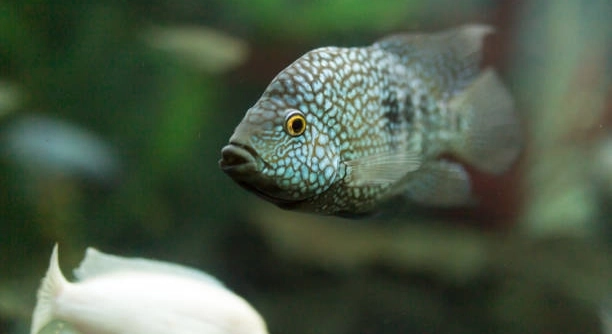
Jack Dempsey fish are admired for their bold colors and unique personalities, making them a favorite in many home aquariums. Observing their patterns adds an extra layer of enjoyment to fish keeping and care.
Jack Dempsey fish display a variety of color patterns that can change with age, mood, and environment. Common patterns include metallic blues, green iridescence, dark spots, and golden hues, each contributing to their distinctive and attractive appearance.
Recognizing these patterns helps enhance aquarium aesthetics and provides insight into the fish’s health and behavior. Understanding them ensures a more engaging and visually appealing fish-keeping experience.
Understanding Color Variations in Jack Dempsey Fish
Jack Dempsey fish are known for their wide range of colors, which can shift depending on their mood, age, and environment. Young fish often display muted tones, while adults develop brighter, more metallic shades. Blues and greens shimmer across their bodies, giving them a striking appearance, while darker spots and gold highlights provide contrast. Tank conditions, such as lighting and background color, can also influence how their patterns appear, making each fish unique. Seasonal changes, water quality, and diet contribute to subtle shifts in color intensity. Observing these changes closely can help in identifying health issues early. Aggression or stress may also affect their coloration, causing dullness or uneven patches. Each pattern tells a small story about the fish’s condition, behavior, and adaptability. Knowing what is normal for your fish allows you to maintain a stable environment, promoting their well-being and enhancing their natural beauty in the aquarium.
Their colors are more than decoration—they reflect their health and environment.
Tracking these variations helps you adjust tank conditions, feeding, and social arrangements. Keeping a journal of changes can reveal patterns over time. By understanding how light, diet, and stress affect coloration, you can ensure your fish maintain vibrant hues and a calm demeanor. Observation strengthens your ability to anticipate needs and create a balanced habitat.
Common Color Patterns to Observe
Jack Dempsey fish often exhibit metallic blues, greens, golds, and dark spots. These colors can appear in combinations, forming intricate patterns unique to each individual.
Some fish show a base color with iridescent scales that shift under different lighting, while others display contrasting spots or bands along their bodies. As fish age, patterns may become more defined, and dominant colors can intensify. Environmental factors such as water temperature, pH levels, and tank decorations influence the appearance of these patterns. Aggression among tank mates can trigger temporary color changes, while stress may cause dulling or blotches. Monitoring these patterns provides insight into health and behavior, allowing timely adjustments in care, feeding, or tank setup. Consistent observation also aids in breeding decisions, as certain colors and patterns may be desirable for reproduction. Understanding these patterns helps maintain both the aesthetic appeal of your aquarium and the well-being of your Jack Dempsey fish, ensuring they thrive and display their natural vibrancy.
Factors Affecting Jack Dempsey Color
Lighting plays a major role in the vibrancy of Jack Dempsey fish. Natural and artificial light can enhance metallic blues and greens, while dim lighting may make colors appear dull. Tank background and substrate also influence how their patterns stand out.
Water quality significantly impacts their coloration. Clear, well-filtered water with stable temperature and pH levels supports brighter colors. Poor conditions, such as high ammonia or inconsistent temperatures, can cause stress, leading to faded or blotchy patterns. Diet also contributes; foods rich in carotenoids and proteins enhance natural hues. Stress from aggressive tank mates or overcrowding may trigger temporary darkening, while calm conditions allow colors to develop fully. Regular monitoring and maintenance ensure the fish display their true, vibrant patterns consistently.
Age and genetics determine base coloration and pattern formation. Juveniles start with muted tones, gradually developing metallic highlights and distinct markings. Genetic variation results in individual differences even within the same tank. Dominant individuals may show more intense coloration, while submissive fish may appear duller. Seasonal changes, breeding cycles, and health fluctuations further influence appearance. Observing these factors closely helps in providing an optimal environment, supporting both visual appeal and overall well-being of each fish in your care.
Diet and Nutrition Influence
High-quality diets directly impact the brightness and intensity of Jack Dempsey colors. Natural foods, such as live or frozen insects and small crustaceans, enhance metallic and iridescent tones.
Supplements containing carotenoids, spirulina, or krill boost reds, oranges, and golds in their scales. Feeding frequency and portion size also matter; overfeeding can cause dullness due to digestive stress, while underfeeding may result in nutrient deficiencies affecting color. Variety in diet ensures all necessary vitamins and minerals for vibrant patterns. Consistent observation of feeding habits allows you to notice subtle changes in color, which often signal health issues. Adjusting nutrition based on appearance can maintain intensity and highlight natural beauty. Balanced feeding routines support long-term vibrancy and the fish’s overall vitality, enhancing both their physical health and visual appeal in the aquarium.
Stress and Its Impact on Color
Stress causes noticeable changes in Jack Dempsey fish coloration. Overcrowding, aggressive tank mates, or sudden environmental changes can lead to dull or darkened scales, affecting their natural vibrancy.
Minimizing stress by providing hiding spots, stable water conditions, and compatible tank mates helps maintain bright, consistent colors. Calm environments allow fish to display their full patterns naturally.
Tank Environment Considerations
Substrate, decorations, and background color influence how Jack Dempsey patterns appear. Dark backgrounds and smooth gravel enhance metallic tones, while overly bright or cluttered tanks may distract from their natural beauty.
Maintaining proper water flow and temperature is essential. Slow-moving areas with consistent warmth allow fish to rest and display full color. Tank plants and rocks create natural hiding spaces, reducing stress and supporting pattern expression. Observing how fish respond to different elements helps optimize the aquarium setup for both health and visual appeal.
Breeding and Color Changes
Breeding triggers temporary color shifts in Jack Dempsey fish. Males often intensify in hue to attract mates, while females may darken slightly during spawning.
These changes are normal and indicate readiness to reproduce. Monitoring patterns during breeding helps track health, aggression, and stress levels in the tank.
FAQ
How can I tell if my Jack Dempsey fish is stressed?
Stress in Jack Dempsey fish often shows through color changes and behavior. Dull or darkened scales, clamped fins, hiding more than usual, or reduced appetite are common signs. Frequent observation allows you to notice subtle shifts early, helping maintain their health.
What is the best diet for vibrant coloration?
A varied diet rich in protein and carotenoids supports bright and healthy colors. Live or frozen foods like shrimp, insects, and small crustaceans enhance metallic blues and greens. Occasional high-quality pellets ensure balanced nutrition, while supplements such as spirulina or krill boost red and gold tones naturally.
How does lighting affect their patterns?
Lighting impacts how metallic and iridescent scales reflect in the aquarium. Brighter, stable lighting enhances blues and greens, while dim or inconsistent lighting can make colors appear muted. Adjusting light duration to mimic natural day cycles helps maintain optimal coloration without stressing the fish.
Can tank mates influence Jack Dempsey color?
Yes, aggressive or dominant tank mates may cause stress, resulting in dull or darkened patterns. Providing compatible companions and enough space for territory prevents fights, allowing each fish to display full, vibrant colors without interference.
Do water conditions play a role in coloration?
Absolutely. Clear, well-filtered water with stable pH and temperature supports bright, healthy colors. High ammonia or inconsistent conditions can cause stress and fading. Regular testing, water changes, and filtration maintenance are key to keeping patterns vibrant.
Why do colors change with age?
Juvenile Jack Dempsey fish often have muted tones that gradually develop into metallic blues, greens, and golds as they mature. Aging also sharpens patterns and highlights individual variation, making adult fish appear more striking in the tank.
How does breeding affect coloration?
During breeding, males intensify colors to attract females, while females may darken slightly. These temporary shifts are normal and indicate readiness to spawn. Observing these changes helps track health, stress levels, and reproductive behavior.
Can stress from overcrowding dull colors?
Yes, overcrowded tanks increase aggression and stress, causing scales to darken or appear blotchy. Providing adequate space, hiding spots, and a balanced number of fish ensures they maintain full, natural coloration and reduce tension among tank mates.
Do seasonal changes affect their patterns?
Seasonal variations in temperature, lighting, and water chemistry can cause subtle changes in pattern and intensity. Mimicking stable, natural conditions reduces stress-related color fluctuations, allowing fish to consistently display their full vibrancy.
What role does genetics play in their appearance?
Genetics determine base colors and patterns, influencing the range of metallic blues, greens, golds, and spots. Even within the same tank, individual differences occur. Knowing the genetic background helps predict adult coloration and anticipate pattern development over time.
How can I enhance natural colors without causing stress?
Providing a balanced diet, stable water conditions, proper lighting, and suitable tank mates enhances natural patterns safely. Avoid sudden changes in environment, overhandling, or aggressive companions, which can dull scales and interfere with their natural display.
Are there signs of illness reflected in color changes?
Yes, faded, patchy, or uneven coloration can indicate disease, parasites, or nutritional deficiencies. Early detection through color observation allows prompt treatment, protecting both health and vibrancy of the fish.
Do hiding spots influence color expression?
Providing plants, rocks, and decorations gives fish security. Comfortable, stress-free fish display more vivid colors, while exposed, anxious fish often darken or appear washed out. Regularly assessing tank layout helps balance safety and visual display.
How long does it take for colors to recover after stress?
Recovery depends on stress severity and water conditions. Minor stress may see colors return in a few days, while prolonged issues may take weeks. Maintaining stable, high-quality conditions accelerates restoration of full, healthy coloration in Jack Dempsey fish.
Can diet alone restore faded colors?
While diet is crucial, it works best alongside proper lighting, water quality, and low-stress environments. Nutrients enhance natural pigments, but without other supportive conditions, colors may remain dull despite improved feeding practices.
What patterns should I expect in a mature Jack Dempsey?
Mature fish typically display metallic blues and greens, gold highlights, and dark spots or bands. Patterns become more defined with age, and individual variations create unique appearances. Consistent care ensures these patterns develop fully and maintain their intensity.
Does temperature affect their coloration?
Stable, appropriate temperatures support normal metabolism and pigment expression. Sudden drops or spikes can stress fish, causing temporary dullness or darkening. Gradual adjustments are necessary when modifying water conditions to prevent stress-related color loss.
How do I prevent color fading over time?
Consistent care, including clean water, balanced diet, adequate space, compatible tank mates, and proper lighting, prevents fading. Observing subtle changes regularly allows timely corrections, keeping patterns bright and fish healthy.
Are there ways to track color changes effectively?
Keeping a visual log or taking periodic photos helps monitor patterns over time. Comparing images can reveal gradual shifts due to diet, stress, water conditions, or aging, allowing better-informed adjustments to maintain vibrant coloration.
What are common mistakes that reduce vibrancy?
Overcrowding, poor diet, inconsistent lighting, neglecting water changes, and aggressive tank mates frequently dull colors. Addressing these issues promptly restores both health and natural brilliance in Jack Dempsey fish.
Is it normal for colors to fluctuate daily?
Yes, minor daily changes occur based on mood, feeding, or interaction with tank mates. These temporary shifts are natural and generally reversible if overall conditions remain stable and supportive.
Can tank background affect visual perception of colors?
A dark background enhances metallic and iridescent patterns, making them appear brighter. Light or cluttered backgrounds may reduce visual contrast, causing colors to seem less intense even when the fish is healthy.
Do Jack Dempsey fish ever lose all metallic coloration?
Complete loss of metallic tones is uncommon and usually indicates severe stress, illness, or poor diet. Addressing underlying causes quickly is essential to restore normal coloration and overall health.
How long does it take for juvenile patterns to mature?
Juveniles gradually develop full coloration over several months. Initial muted tones intensify into metallic blues, greens, and golds as they age. Providing optimal nutrition and stable conditions supports timely and consistent pattern development.
Can stress from tank rearrangement affect colors?
Yes, sudden changes in decorations or layout can trigger temporary darkening or blotchy patterns. Allowing a period of adjustment after rearrangement helps fish regain normal coloration.
Are all patterns equally influenced by environment?
Metallic highlights and iridescent tones are most sensitive to lighting, diet, and stress. Dark spots and base colors are more genetically determined but can still fluctuate slightly with health and environmental changes.
How can I encourage natural patterns to show fully?
Stable water parameters, consistent feeding, appropriate lighting, and minimal stress allow patterns to express naturally. Observing individual preferences for hiding spots or swimming areas also helps fish feel secure enough to display their full coloration.
Is it possible for a stressed fish to permanently lose color?
Severe or prolonged stress can cause lasting dullness in some cases, particularly if accompanied by illness or nutritional deficiency. Early detection and corrective care minimize the risk of permanent color loss.
Do Jack Dempsey fish show color differences by gender?
Males generally display brighter, more intense patterns, especially during breeding. Females tend to be slightly muted but still retain metallic highlights. Recognizing these differences aids in breeding and tank management.
How often should I monitor coloration?
Daily observation is ideal, noting subtle shifts in brightness, pattern, or tone. Frequent monitoring allows early detection of stress, illness, or environmental issues, supporting overall health and visual appeal.
Can aging dull their patterns permanently?
Some softening of color intensity may occur with advanced age, but proper care, diet, and environment can maintain vibrancy for many years. Supporting healthy metabolism ensures patterns remain noticeable.
Do hiding or resting habits affect colors?
Fish that feel secure and have adequate rest display more vivid patterns. Stress from constant exposure or lack of hiding spots can temporarily darken scales, affecting visual appearance even if overall health is good.
Is coloration linked to mood?
Yes, bright, metallic colors often indicate a calm or dominant fish, while darkening or dullness signals stress, fear, or submission. Observing these cues helps in managing social dynamics within the tank.
How long do dietary changes take to reflect in color?
Noticeable improvements from diet typically appear within several weeks. Consistent feeding of high-quality, nutrient-rich foods ensures gradual enhancement of metallic and red-gold tones.
Can supplemental lighting restore faded colors?
Yes, providing stable, full-spectrum lighting can enhance metallic scales and iridescence, but it must be paired with proper diet, water conditions, and low-stress environments for lasting effects.
Are color changes during breeding reversible?
Yes, temporary darkening or brightening during spawning is normal and reverses once breeding behavior subsides. Observing patterns helps identify reproductive readiness and overall health.
How do I know if dull colors indicate illness or normal variation?
Sudden, uneven, or patchy changes often suggest health issues, while gradual shifts with age or mood are normal. Monitoring behavior, appetite, and water quality helps distinguish between the two.
Can tank mates cause permanent color changes?
Prolonged aggression or constant stress from incompatible companions can lead to lasting dullness. Proper tank management and compatible pairings prevent permanent visual impact.
Does water hardness influence coloration?
Yes, extremes in hardness can stress fish, causing dull patterns. Maintaining appropriate hardness for Jack Dempsey species supports pigment expression and overall vitality.
What is the safest way to enhance colors naturally?
A balanced diet, stable water parameters, proper lighting, and low-stress conditions naturally support metallic and iridescent hues without artificial interventions, keeping fish healthy and visually striking.
How can I distinguish genetic patterns from environmental effects?
Base colors and spot placement are largely genetic, while brightness and metallic sheen respond to diet, lighting, and stress. Comparing siblings or observing changes under stable conditions helps identify environmental influences.
Are all Jack Dempsey fish equally colorful?
No, individual variation exists due to genetics, age, and health. Some fish naturally exhibit stronger metallic highlights or more intricate spot patterns than others, even within the same tank.
Does tank size impact coloration?
Small, overcrowded tanks increase stress, causing dulling, while spacious setups with proper hiding areas allow fish to display full colors naturally. Maintaining territory and swimming space supports vibrancy.
Can stress from handling affect color?
Frequent or rough handling causes temporary darkening and stress. Minimizing interaction and ensuring safe, gentle transfers preserves natural patterns and prevents long-term dullness.
How do I maintain consistent patterns over time?
Stable care routines, consistent water quality, balanced nutrition, and stress reduction help Jack Dempsey fish maintain vivid, healthy patterns throughout their life. Observation and timely adjustments ensure long-term vibrancy.
Do colors fade at night?
Some minor dimming is natural during rest periods, but colors return under proper lighting. Persistent nighttime dullness may indicate stress or environmental issues needing attention.
Can color intensity indicate overall health?
Yes, bright, metallic scales generally reflect good health, while persistent dullness or uneven patterns can signal illness, stress, or nutritional deficiencies requiring intervention.
Is it normal for patterns to shift slightly daily?
Minor daily changes are normal, reflecting mood, feeding, or activity. Sudden, dramatic shifts usually indicate stress, illness, or environmental changes.
How do I encourage long-term color stability?
Maintain clean, stable water, balanced nutrition, compatible tank mates, appropriate lighting, and minimal stress. Regular observation ensures early correction of any factors threatening vibrancy.
Are there seasonal feeding strategies to enhance color?
Providing fresh, nutrient-rich foods and occasional live options throughout the year supports consistent pigmentation. Adjusting feeding based on growth and activity ensures optimal color development.
Do Jack Dempsey fish show different colors under different angles?
Yes, metallic and iridescent scales reflect light differently depending on angle and intensity. Proper tank lighting enhances this effect, highlighting patterns and making fish appear more vibrant.
Can long-term stress permanently alter pattern visibility?
Prolonged stress may cause muted or blotchy patterns. Correcting environmental issues, ensuring proper diet, and minimizing aggression can restore much of the original vibrancy over time.
Are juvenile fish more sensitive to color changes?
Yes, young Jack Dempsey fish show more noticeable shifts in coloration from diet, lighting, and stress. Careful monitoring during early development ensures proper pattern formation and healthy pigment expression.
Does feeding frequency affect colors?
Yes, consistent and appropriately spaced feeding prevents nutrient deficiencies and digestive stress, both of which can dull scales. Overfeeding may reduce vibrancy, while underfeeding limits pigment development.
How can I use observation to maintain patterns?
Tracking daily behavior, appetite, and color changes provides insights into stress, health, and environmental suitability. Timely adjustments ensure fish maintain vibrant, consistent patterns.
Are metallic highlights permanent?
They are generally permanent but can appear less vivid under stress or poor conditions. Proper care maintains their intensity and visual appeal over time.
Do Jack Dempsey fish show pattern differences in captivity versus the wild?
Wild fish often have subtler base colors with more uniform patterns. Captive fish may display more intense metallic hues due to diet, lighting, and reduced predation pressures, highlighting environmental influences on appearance.
How can I safely adjust lighting to enhance colors?
Gradually increase brightness to mimic natural day cycles without sudden exposure. Full-spectrum lighting enhances metallic and iridescent tones, while preventing stress or overheating.
Can water pH shifts affect coloration?
Yes, rapid or extreme pH changes can stress fish, causing temporary dulling or darkening of patterns. Maintaining stable, species-appropriate pH supports consistent vibrancy and health.
Is tank cleanliness directly related to color intensity?
Clean tanks prevent stress and disease, supporting natural color expression. Dirty or polluted water often results in dull, uneven scales and reduced overall vibrancy.
Do Jack Dempsey fish show unique patterns for identification?
Yes, individual spot placement and iridescent highlights can help distinguish fish, making it easier to track growth, health, and behavior in a community aquarium.
How long does it take for new tank conditions to reflect in color?
Colors may begin improving within days under optimal conditions, but full restoration of vibrancy can take weeks, depending on stress levels, diet, and environmental stability.
Can tank decorations influence metallic sheen?
Yes, reflective surfaces, dark backgrounds, and strategically placed plants enhance metallic highlights, making iridescent blues and greens more noticeable without changing actual pigmentation.
Are all metallic colors equally sensitive to changes?
Blue and green iridescence is most sensitive to diet, lighting, and stress, while gold and dark spots are more stable but can still fade under poor conditions.
How do I prevent fading in older fish?
Maintain high-quality nutrition, stable water conditions, stress reduction, and proper lighting. Observing patterns and adjusting care ensures older fish retain maximum color intensity.
Is it normal for colors to darken during aggression?
Yes, dominant or territorial behavior often triggers temporary darkening. This is natural and reversible once interactions settle or fish become calm.
Can seasonal temperature changes affect pattern intensity?
Yes, gradual temperature shifts can subtly influence coloration. Maintaining stable, species-appropriate temperatures reduces stress-related fading.
How can I safely highlight colors for display purposes?
Balanced diet, proper lighting, and minimal stress naturally enhance patterns. Avoid sudden environmental changes, aggressive companions, or artificial color additives that may harm health.
Do different tanks produce different color effects?
Yes, background, substrate, and lighting affect visual perception. Dark substrates and full-spectrum lighting emphasize metallic tones, while bright or cluttered tanks may make colors appear less intense.
Is color variation normal between siblings?
Yes, genetic differences cause individual variation in base colors, patterns, and metallic highlights, even among siblings raised under identical conditions.
Can changes in swimming behavior affect pattern visibility?
Yes, active, confident swimming often exposes more reflective surfaces, making metallic patterns more apparent. Hiding or sluggish fish may appear dull despite good health.
Are there signs of nutrient deficiencies reflected in color?
Yes, faded reds, golds, or metallic highlights can indicate deficiencies in carotenoids, protein, or other essential nutrients. Adjusting diet restores coloration over time.
How do I distinguish temporary color shifts from permanent changes?
Temporary changes are often reversible with improved conditions, diet, or stress reduction. Persistent dullness or patchiness may indicate illness, aging, or genetic limitations, requiring careful monitoring and intervention.
Can tank water movement affect coloration?
Strong currents may stress fish, causing dulling, while gentle, consistent flow supports natural behavior and pattern display. Observing fish response to water movement helps optimize tank setup.
Is coloration linked to social hierarchy?
Dominant fish usually show brighter colors, while submissive individuals may appear duller. Recognizing these differences helps manage aggression and maintain visual balance in the tank.
Do Jack Dempsey fish show color changes when adapting to a new tank?
Yes, initial stress from relocation may cause darkening or muted patterns. Gradual acclimation, stable water parameters, and hiding spaces encourage full color restoration.
How do I maintain metallic patterns during growth?
Balanced diet, stable environment, and low-stress conditions allow metallic highlights and iridescent scales to develop naturally, supporting vibrant patterns as fish mature.
Can regular observation prevent long-term fading?
Yes, monitoring colors daily helps detect stress, illness, or environmental issues early, allowing corrective measures before permanent dulling occurs.
Does the angle of light impact pattern visibility?
Metallic and iridescent scales reflect light differently depending on angle. Adjusting lighting enhances these features, highlighting patterns without altering natural pigmentation.
Are color changes always reversible?
Minor shifts due to stress, mood, or environment are reversible. Severe, prolonged stress or disease may cause partial or permanent fading if unaddressed.
How do I differentiate between health-related and mood-related color changes?
Mood-related changes are usually temporary and reversible, whereas health-related fading accompanies lethargy, poor appetite, or other physical signs, requiring intervention.
Can tank companions trigger temporary brightening?
Yes, interactions such as establishing dominance may cause males to intensify colors temporarily. This is natural and usually returns to baseline afterward.
How does nighttime lighting affect coloration?
Dimmed or red-spectrum lighting at night maintains natural rest cycles. Overly bright lighting during rest may stress fish, causing temporary dulling.
Do metallic highlights fade with long-term captivity?
With proper care, highlights remain vibrant. Poor diet,
Final Thoughts
Jack Dempsey fish are striking, colorful creatures that add both personality and beauty to any aquarium. Their unique patterns and metallic highlights make them stand out, but maintaining these vibrant colors requires consistent care. Observing their coloration provides insight into their overall health, mood, and environmental comfort. Regular monitoring of water quality, diet, lighting, and social dynamics helps prevent stress and ensures that their patterns remain bright and natural. A healthy tank setup is crucial, including proper filtration, adequate space, and appropriate decorations that allow them to display their full range of colors while feeling secure.
Diet plays a central role in supporting vivid coloration. Providing a variety of high-quality foods such as live or frozen insects, small crustaceans, and nutritionally balanced pellets ensures the fish receive the necessary nutrients for pigment development. Foods rich in carotenoids, like krill or spirulina, enhance reds, golds, and orange hues, while a consistent supply of protein promotes metallic blues and greens. Feeding frequency and portion control also matter. Overfeeding can cause digestive issues that affect coloration, while underfeeding may lead to nutrient deficiencies and dull patterns. Paying attention to the fish’s behavior during feeding helps identify issues early and allows for adjustments to maintain both health and visual appeal.
Environmental factors also heavily influence how patterns appear. Stable water conditions with appropriate pH, temperature, and hardness support pigment expression, while stress from overcrowding, aggressive tank mates, or sudden changes can temporarily or permanently dull colors. Lighting enhances metallic and iridescent scales, making colors more visible and highlighting intricate patterns. Decorations, substrate, and background color affect how patterns are perceived, with darker backgrounds often enhancing the vibrancy of metallic tones. By maintaining consistent care routines and paying attention to subtle changes in coloration and behavior, you create an environment that supports long-term health, stress reduction, and the natural beauty of each Jack Dempsey fish, allowing them to display their full, vivid patterns reliably.

Hello,
If you enjoy the content that we create, please consider saying a "Thank You!" by leaving a tip.
Every little bit helps us continue crafting quality advice that supports the health, happiness, and well-being of pets around the world, for pets of all shapes, sizes, and species.
We really appreciate the kindness and support that you show us!