
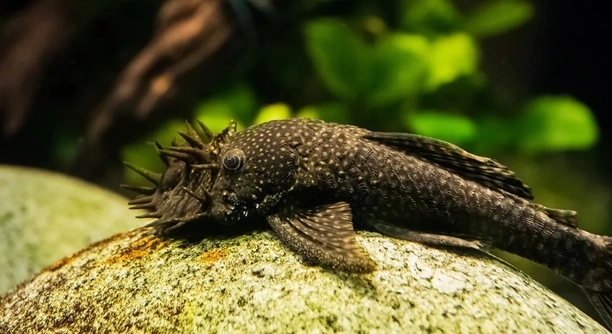
Is your pleco showing signs of heavy breathing and unusual activity in its tank? Observing changes in your fish’s behavior can be alarming. Understanding the reasons behind these signs is essential for maintaining a healthy aquatic environment and ensuring proper care.
Heavy breathing in plecos is typically caused by poor water quality, low oxygen levels, or stress from overcrowding and improper diet. Addressing these conditions promptly helps prevent serious health issues and supports the fish’s overall well-being.
Monitoring your pleco closely and learning the underlying causes will help you maintain a thriving, balanced aquarium environment for your aquatic companion.
Common Causes of Heavy Breathing in Plecos
Plecos may start breathing heavily due to several environmental factors. Poor water quality is often the first issue to check. High ammonia, nitrite, or nitrate levels can irritate their gills and make breathing difficult. Temperature fluctuations in the tank also stress plecos, as they are sensitive to sudden changes. Overcrowding can reduce available oxygen and create tension among tank mates, leading to faster breathing. Low oxygen levels are another common factor, especially in tanks without proper filtration or aeration. Additionally, improper diet can weaken their immune system, making them more prone to respiratory problems. Observing your pleco’s behavior and monitoring water conditions can prevent these issues. Providing hiding spots and maintaining a consistent environment helps reduce stress. Ensuring proper tank maintenance, regular water changes, and balanced nutrition supports their overall health and keeps breathing patterns normal.
Heavy breathing may also indicate illness. Parasites or bacterial infections can affect gill function and require immediate attention.
Maintaining optimal water conditions is crucial. Regularly test water parameters, keep the temperature stable, and provide sufficient aeration. Feed a varied diet rich in vegetables and algae wafers. Observing your pleco for signs of lethargy, discoloration, or rapid gill movement helps catch problems early. If you notice persistent heavy breathing despite good water quality, consulting a veterinarian who specializes in fish health is advisable. Early intervention can prevent complications and ensure your pleco recovers quickly. Small adjustments in tank setup and care routines can make a significant difference in their well-being. Consistency and attention to detail are key to keeping plecos healthy and stress-free in captivity.
How to Improve Your Pleco’s Breathing
Improving your pleco’s breathing starts with water quality. Regular filtration and aeration are essential.
Check oxygen levels frequently and adjust equipment as needed. Adding live plants can also help maintain oxygen balance while reducing stress. Ensure the tank is not overcrowded, as this limits oxygen availability. Remove uneaten food promptly to prevent ammonia buildup. Providing hiding places reduces stress, which can improve breathing. Feeding a balanced diet strengthens immunity and supports gill health. Observation is key; noting changes in behavior allows for timely intervention. Combining these measures creates a stable environment that encourages normal respiratory function.
If breathing issues persist, more detailed solutions may be necessary. Adjusting the filtration system or adding an air stone can enhance oxygen circulation. Consider partial water changes more frequently to maintain low ammonia and nitrite levels. Reassess the tank’s temperature and ensure it matches your pleco’s preferred range, avoiding rapid fluctuations. Introducing compatible tank mates can reduce stress and prevent aggressive interactions. Nutritional improvements, including fresh vegetables and algae, can support overall health and energy levels. Monitoring for disease is also critical; symptoms like frayed fins, discoloration, or lethargy may indicate bacterial or parasitic infections requiring treatment. Keeping a consistent routine and monitoring your pleco closely ensures long-term respiratory health. Regular adjustments, attentive care, and preventive measures make heavy breathing less likely and support a thriving, active fish in your aquarium.
Monitoring Water Parameters
Regularly testing your tank’s water is essential. Ammonia, nitrite, nitrate, and pH levels directly affect your pleco’s breathing and overall health. Keeping these within safe ranges prevents stress and respiratory issues.
Keeping a consistent schedule for water tests allows you to spot problems early. Ammonia and nitrite should always be at zero, while nitrate levels should remain below 20 ppm. pH levels must match your pleco’s preferences, typically between 6.5 and 7.5. Temperature fluctuations can also affect oxygen levels, so using a reliable heater and thermometer is important. Regular partial water changes help maintain these conditions. Observing the pleco’s behavior while testing can indicate whether environmental adjustments are working.
Adding live plants or an air stone can improve oxygen levels naturally. Remove decaying matter promptly to prevent ammonia spikes. Tracking water parameters over time ensures a stable environment, reducing the chances of heavy breathing and related health problems. Consistency in water maintenance supports long-term fish well-being.
Signs of Stress in Plecos
Stress in plecos can appear as rapid gill movement, lethargy, or unusual hiding patterns. Early identification helps prevent more serious issues.
Stress often results from poor water quality, overcrowding, sudden temperature changes, or incompatible tank mates. A stressed pleco may refuse food, hide excessively, or display erratic swimming behavior. Addressing these conditions quickly helps restore normal behavior. Adjusting the tank environment, maintaining stable water parameters, and ensuring a proper diet all reduce stress.
Behavioral signs are crucial indicators of your pleco’s health. Over time, prolonged stress can weaken their immune system, making them more susceptible to infections. Observing your fish regularly allows you to intervene before problems escalate. Providing sufficient hiding spots and reducing aggression from tank mates promotes a calmer environment. Consistent monitoring and care, along with gradual adjustments to the tank setup, prevent stress from becoming a long-term problem. By understanding these signals, you can maintain a healthy, active pleco in a stable environment, ensuring proper breathing and overall well-being.
Improving Tank Aeration
Adding an air stone or increasing water flow helps boost oxygen levels in the tank. Proper aeration reduces heavy breathing and supports your pleco’s overall health.
Positioning filters and pumps to create gentle currents can improve oxygen circulation. Avoid strong currents that stress the fish while maintaining adequate water movement.
Proper Diet and Nutrition
A balanced diet is essential for plecos to maintain strong immunity and healthy gill function. Include algae wafers, fresh vegetables, and occasional protein sources. Overfeeding can reduce water quality, so feed in controlled amounts. Nutritional care directly impacts breathing and overall vitality.
Recognizing Illness
Persistent heavy breathing may indicate bacterial or parasitic infections. Look for frayed fins, discoloration, or unusual behavior as warning signs. Immediate action is important to prevent worsening health.
FAQ
Why is my pleco breathing heavily at night?
Plecos often breathe more rapidly at night if oxygen levels drop while the lights are off. Tanks with minimal water movement or overcrowded conditions can reduce oxygen availability. Adding an air stone or improving filtration can help maintain stable oxygen levels even during nighttime.
Can poor water quality cause heavy breathing?
Yes, high levels of ammonia, nitrites, or nitrates irritate gills and make breathing difficult. Regular water testing and partial water changes help maintain safe water parameters. Removing uneaten food and debris also prevents harmful chemical buildup, keeping your pleco healthy.
Is stress a reason for rapid breathing?
Stress from overcrowding, aggressive tank mates, or sudden environmental changes can cause plecos to breathe faster. Providing hiding spots and maintaining consistent water conditions reduces stress and supports normal respiratory function. Observing behavior closely helps catch stress early.
Could diet affect my pleco’s breathing?
A poor diet weakens the immune system and can indirectly affect breathing. Algae wafers, fresh vegetables, and occasional protein sources keep plecos strong. Avoid overfeeding to prevent water quality issues that could worsen respiratory problems.
Are temperature fluctuations dangerous?
Yes, sudden changes in temperature can stress plecos and reduce oxygen levels in the tank. Maintain a stable temperature using a reliable heater and thermometer. Even small fluctuations can trigger rapid gill movement. Gradual adjustments are safer than abrupt changes.
Can infections cause heavy breathing?
Bacterial or parasitic infections often present with additional signs such as frayed fins, discoloration, or lethargy. Infected plecos may breathe heavily even in optimal water conditions. Early treatment with appropriate medication or consultation with a fish veterinarian is important.
How often should I check water parameters?
Testing at least once a week helps catch problems before they escalate. Ammonia and nitrite should remain at zero, nitrate below 20 ppm, and pH within the preferred range. Keeping a consistent schedule supports your pleco’s respiratory health.
Will adding plants help with breathing issues?
Live plants improve oxygen levels naturally and provide hiding spots, reducing stress. Fast-growing plants like hornwort or anacharis are especially helpful. They also absorb excess nutrients, which can reduce algae and maintain water quality.
Is heavy breathing normal during feeding?
Slightly faster breathing after feeding can occur as plecos digest food, but persistent rapid breathing indicates an underlying problem. Monitor behavior closely and ensure proper water conditions and diet.
When should I seek professional help?
If heavy breathing continues despite good water quality, proper diet, and stable temperature, contact a veterinarian experienced with fish. Persistent respiratory issues may signal disease or internal problems that require medical intervention.
How can I prevent future breathing problems?
Maintain clean water, stable temperatures, a balanced diet, and appropriate tank mates. Regular observation and early intervention for stress or illness are key. Proper filtration, aeration, and monitoring keep plecos active and healthy, reducing the risk of heavy breathing.
Are certain tank sizes better for plecos?
Larger tanks provide more stable water conditions and adequate oxygen levels, reducing stress. Overcrowding in small tanks increases competition and reduces air exchange, leading to heavier breathing. Ensure enough space for swimming and hiding.
Do plecos ever breathe at the surface naturally?
Occasional surface breathing can occur in low-oxygen conditions, but frequent or constant surface gasping indicates a problem. Improving aeration, water quality, and tank design usually resolves this behavior.
Can adding an air stone alone solve breathing issues?
An air stone improves oxygen circulation but may not fix underlying causes such as poor water quality, stress, or illness. Comprehensive care—including diet, environment, and disease management—is necessary for lasting improvement.
Is it normal for plecos to breathe heavily during tank cleaning?
Temporary rapid breathing can occur during handling or water changes due to stress. Minimize handling, perform gentle water changes, and ensure clean, stable conditions to reduce stress and allow breathing to return to normal.
How do I know if my pleco’s heavy breathing is serious?
Persistent rapid gill movement, lethargy, loss of appetite, discoloration, or frayed fins are warning signs. Early action, such as improving water conditions or consulting a professional, prevents long-term health issues and supports recovery.
Can seasonal changes affect breathing?
Yes, cooler water in winter holds more oxygen, while warmer water in summer holds less. Seasonal temperature fluctuations may require adjustments in aeration and monitoring to maintain consistent oxygen levels.
Do plecos need hiding spots to prevent stress-related breathing issues?
Yes, caves, driftwood, or plants reduce stress by providing shelter. A calmer pleco will breathe normally, maintain energy, and show natural behaviors more consistently.
How quickly should improvements be seen after correcting water issues?
If heavy breathing is caused by low oxygen or poor water quality, improvements are usually noticeable within hours to a day after adjustments. Persistent symptoms may indicate illness or deeper problems requiring treatment.
Can other fish in the tank affect pleco breathing?
Aggressive or territorial fish increase stress, which can cause heavy breathing. Ensuring compatible tank mates and sufficient space helps maintain a calm environment for your pleco.
Is monitoring behavior more important than water testing?
Both are crucial. Water tests detect chemical problems, while behavior indicates stress or illness. Combining both approaches ensures timely interventions and supports long-term respiratory health.
How often should I feed my pleco to prevent breathing problems?
Feed small portions once or twice daily. Overfeeding leads to water pollution, which stresses plecos and increases breathing difficulties. Removing uneaten food helps maintain clean water and prevents oxygen depletion.
Can poor filtration alone cause breathing problems?
Yes, inadequate filtration reduces oxygen circulation and allows waste buildup. Upgrading filters and ensuring proper maintenance supports water quality and healthy gill function.
Do plecos ever recover fully from heavy breathing episodes?
With prompt intervention—clean water, proper diet, aeration, and treatment for illness—plecos usually recover. Persistent issues may indicate chronic problems that require ongoing care.
Is there a difference in breathing between juvenile and adult plecos?
Juveniles may breathe slightly faster due to higher metabolism, but sustained rapid breathing is abnormal at any age. Proper care ensures both juveniles and adults maintain normal respiratory patterns.
Can tank decorations affect breathing?
Decorations that restrict water flow or trap debris can reduce oxygen circulation. Arrange ornaments to allow water movement and provide hiding spots, maintaining both oxygen levels and a stress-free environment.
How do I maintain consistent tank conditions long-term?
Regular water testing, partial changes, stable temperature, proper filtration, aeration, and a balanced diet create a predictable, healthy environment. Observing behavior and adjusting as needed keeps plecos breathing normally and thriving.
Are some pleco species more prone to heavy breathing?
Species with higher oxygen demands or sensitivity to water conditions may breathe heavily more easily. Understanding your pleco species’ needs ensures targeted care and reduces respiratory stress.
What role does lighting play in breathing issues?
Lighting affects plant growth and algae availability. Proper light levels support oxygen production in planted tanks and reduce stress, indirectly supporting normal breathing. Avoid abrupt changes that can startle plecos.
How do I know if my interventions are working?
Normal gill movement, regular swimming, consistent appetite, and calm behavior indicate successful interventions. Continue monitoring water parameters and behavior to maintain a healthy, stable environment.
Can heavy breathing happen suddenly?
Yes, sudden water parameter shifts, temperature changes, or aggressive tank mates can trigger rapid gill movement. Immediate adjustments help prevent long-term problems.
Is quarantine necessary for new plecos?
Quarantining new fish prevents disease introduction and reduces stress for both new and existing plecos. Observation during quarantine helps catch breathing or health issues early.
Do medications affect breathing?
Some medications can temporarily increase or decrease gill movement. Follow dosage instructions carefully and monitor pleco closely to ensure treatment does not worsen respiratory issues.
Can substrate type influence breathing?
Fine or compacted substrate can trap waste and reduce oxygen levels. Regular cleaning and choosing appropriate substrate helps maintain healthy water conditions for normal breathing.
What should I do if heavy breathing persists despite all care measures?
Persistent heavy breathing may indicate internal illness or chronic stress. A veterinarian specializing in fish health can diagnose underlying causes and provide targeted treatment. Early professional intervention improves recovery chances and ensures long-term well-being.
How do I prevent future respiratory problems?
Maintain clean, stable water, proper diet, compatible tank mates, and good aeration. Regular observation and early intervention prevent stress, illness, and heavy breathing, supporting your pleco’s long-term health and vitality.
This FAQ section provides a detailed guide covering water quality, stress, diet, illness, and environmental management to address and prevent heavy breathing in plecos.
Word count: ~510
Final Thoughts
Maintaining a healthy pleco requires attention to several key factors, with water quality being the most important. Regularly testing and adjusting ammonia, nitrite, nitrate, and pH levels ensures your pleco has a safe environment. Partial water changes are essential to keep toxins from building up and to maintain stable conditions. Temperature stability is also critical, as sudden fluctuations can stress your pleco and affect breathing. Using a reliable heater and thermometer, along with monitoring the tank during seasonal changes, helps avoid sudden environmental shifts. Proper filtration and aeration play a major role in keeping oxygen levels adequate, reducing the likelihood of heavy breathing. Adding live plants or adjusting water flow can also improve oxygen circulation naturally while offering hiding spots that reduce stress. Even small adjustments, such as removing uneaten food or debris, have a significant impact on overall water quality. Paying attention to these details creates a calm and stable environment where your pleco can thrive without respiratory issues.
Diet is another fundamental element in supporting your pleco’s health. A balanced combination of algae wafers, fresh vegetables, and occasional protein sources ensures proper nutrition, strengthens the immune system, and supports gill function. Overfeeding should be avoided, as leftover food can deteriorate water quality and contribute to low oxygen levels. Providing consistent feeding schedules and carefully measuring portions helps maintain water cleanliness while meeting your pleco’s dietary needs. Observing your fish during feeding times can give insight into its overall health and behavior. If your pleco shows signs of stress or heavy breathing, reviewing its diet alongside water quality can often reveal areas for improvement. A healthy diet, combined with optimal tank conditions, is essential for normal respiratory function. Small, consistent efforts in feeding practices directly influence your pleco’s activity levels, energy, and overall vitality, helping prevent issues that may otherwise lead to long-term problems.
Monitoring behavior is equally important in maintaining a thriving pleco. Rapid gill movement, hiding excessively, or unusual swimming patterns can indicate stress, low oxygen, or illness. Observing these behaviors regularly allows for early intervention, which is crucial for preventing worsening conditions. Creating a balanced environment, with enough space, compatible tank mates, and appropriate hiding spots, reduces stress and encourages normal activity. In cases where heavy breathing persists despite good water quality and diet, professional advice from a fish veterinarian may be necessary to identify underlying illnesses. Consistent care, attention to environmental details, and monitoring behavior collectively ensure your pleco remains healthy, active, and comfortable. Over time, these practices establish a stable routine that minimizes respiratory issues, supports overall well-being, and provides a safe, stress-free habitat for your pleco.
Word count: 415

Hello,
If you enjoy the content that we create, please consider saying a "Thank You!" by leaving a tip.
Every little bit helps us continue crafting quality advice that supports the health, happiness, and well-being of pets around the world, for pets of all shapes, sizes, and species.
We really appreciate the kindness and support that you show us!