
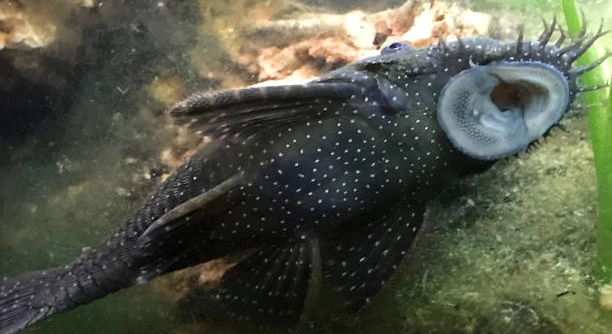
Is your pleco spending more time at the surface than usual and appearing to gasp for air? Observing your fish’s behavior closely can reveal early signs of stress or environmental imbalance. Proper attention is essential for its well-being.
Plecos gasping at the surface are often experiencing low oxygen levels in the water. Insufficient aeration, poor water circulation, or high ammonia and nitrite levels can cause respiratory distress, making it necessary to address water quality and tank conditions immediately.
Maintaining a healthy aquarium requires more than feeding; understanding your pleco’s environment is key to preventing future health problems. Proper care ensures a safe, comfortable habitat for your aquatic companion.
Low Oxygen Levels in the Tank
Low oxygen is a common reason plecos gasp at the surface. Warm water holds less oxygen, and overstocked tanks make the problem worse. If your filter isn’t circulating water well, oxygen distribution becomes uneven. Plants, fish, and bacteria all consume oxygen, so it’s important to monitor levels. Adding an air stone or increasing surface agitation can improve oxygen intake. Sometimes adjusting the water temperature slightly helps, but avoid sudden changes. Regular water changes also maintain good oxygen levels and reduce waste buildup. Observing your pleco’s behavior daily can alert you early to oxygen problems. Signs include slower swimming, floating near the top, or rapid gill movement. Maintaining the tank’s balance is key to preventing stress and health issues.
Testing oxygen levels periodically ensures your pleco stays comfortable. Simple tools like liquid test kits can give accurate results.
Proper tank maintenance is essential for oxygen management. Cleaning filters regularly, avoiding overfeeding, and keeping the water temperature stable all support a healthy environment. Healthy water circulation ensures oxygen reaches every corner, and plants can help, but overgrowth may reduce oxygen at night. Keeping tank density appropriate prevents competition for oxygen. Regular observation lets you notice subtle changes in behavior before they become serious. By combining these practices, your pleco will have a stable and healthy habitat that supports its natural breathing patterns.
Poor Water Quality
Dirty water can make plecos gasp at the surface. High ammonia, nitrite, or nitrate levels stress the fish and reduce oxygen efficiency.
Maintaining clean water requires regular partial water changes. Using a good filter and monitoring chemical levels is essential. Avoid overfeeding, as leftover food breaks down and pollutes the water. Keeping decorations and substrate clean prevents hidden waste buildup. Testing kits help track water quality accurately. Removing uneaten food quickly and ensuring proper tank circulation reduces stagnant areas. A clean tank improves oxygen availability and reduces the risk of disease, keeping plecos healthy and active.
Neglecting water quality can lead to serious health problems. Ammonia and nitrite are toxic even in small amounts, while high nitrates slowly harm gill function. Plecos are sensitive to changes in pH and hardness, so testing these parameters helps prevent stress. Regular maintenance, including siphoning the substrate and rinsing filter media, reduces waste accumulation. Avoiding chemical overuse is important, as some treatments can harm beneficial bacteria. By creating a balanced, clean environment, your pleco will breathe normally and display natural behaviors. A healthy tank not only prevents surface gasping but also supports growth and long-term vitality.
Overcrowding and Tank Size
Too many fish in one tank can cause plecos to gasp at the surface. Overcrowding reduces available oxygen and increases waste, making it harder for the filter to keep water safe. Plecos need space to move and hide.
A tank that is too small limits swimming room and reduces oxygen levels. When multiple fish compete for space, stress increases, leading to unusual behaviors like surface gasping. Overcrowding also raises waste levels quickly, which can harm water quality. Ensuring each pleco has enough room helps maintain normal activity and reduces respiratory strain.
Providing hiding spots and proper substrate is essential in crowded tanks. Plecos use these areas to feel secure, which lowers stress and helps them breathe more efficiently. Maintaining tank capacity appropriate to the species ensures that each fish has access to oxygen-rich zones. Spacing out decorations also improves circulation, allowing clean water to reach all corners. Regular observation helps detect early signs of stress or aggressive behavior among fish, so you can adjust tank stocking before serious issues develop.
Disease and Parasites
Infections can make plecos gasp as gills become irritated or damaged. Parasites, bacteria, or fungi reduce oxygen absorption and cause discomfort. Proper diagnosis is necessary for treatment.
Common signs of disease include lethargy, discoloration, frayed fins, or unusual swimming patterns. Water quality stress can make plecos more susceptible to infections. Early treatment often involves medication specific to the condition, along with improving tank hygiene. Quarantining sick fish prevents spreading to others. Maintaining stable temperature, pH, and cleanliness supports recovery and reduces stress-related complications.
Some parasites attach directly to gills, interfering with breathing. Bacterial infections may inflame tissues, while fungal growths can block oxygen flow. Observing your pleco daily helps catch symptoms early, such as rubbing against objects or increased surface activity. Correcting environmental conditions alongside targeted treatment improves survival chances. Ensuring a balanced diet and minimizing sudden changes in water chemistry strengthens immunity, preventing recurrence. A healthy pleco is less prone to infection, making attention to water quality, tank hygiene, and stress reduction critical for long-term respiratory health.
Temperature Stress
Sudden changes in water temperature can make plecos gasp at the surface. Cold or overly warm water affects metabolism and oxygen absorption. Maintaining a stable temperature helps your pleco breathe normally.
Heaters and thermometers ensure the tank stays within a safe range. Avoid placing the aquarium near windows or vents where temperatures fluctuate. Gradual adjustments prevent shock and keep fish comfortable.
Poor Diet
A diet lacking essential nutrients can weaken plecos, making them more prone to gasping. Feeding varied foods supports overall health.
Ensuring fiber and protein balance is important for digestion and energy. Overfeeding or offering low-quality pellets can increase waste, affecting water quality. Providing fresh vegetables, algae wafers, and occasional protein supplements maintains proper nutrition. Monitoring feeding habits prevents bloating and reduces stress, which in turn helps maintain normal breathing patterns.
Stress from Tank Mates
Aggressive or territorial tank mates can force plecos to the surface. Stress affects breathing and overall health.
Avoid combining plecos with overly active or aggressive species. Observing interactions helps prevent bullying. Providing hiding spots reduces tension and encourages natural behavior, keeping plecos calm.
FAQ
Why is my pleco always at the surface?
Plecos often go to the surface when oxygen levels are low or water quality is poor. It can also indicate stress from tank mates, overcrowding, or sudden temperature changes. Observing behavior and testing water regularly helps identify the cause. Proper aeration and water maintenance usually resolve the issue.
Can poor water quality really affect my pleco’s breathing?
Yes. High ammonia, nitrite, or nitrate levels irritate gills and reduce oxygen absorption. Uneaten food and waste build up quickly in small or crowded tanks, making conditions worse. Regular partial water changes, proper filtration, and testing chemical levels are essential to prevent gasping and maintain a healthy environment.
How does tank size impact my pleco’s behavior?
Small tanks limit swimming space and reduce oxygen availability. Overcrowding stresses plecos, forcing them to compete for oxygen-rich areas. Ensuring your tank provides adequate space, hiding spots, and proper water circulation helps plecos feel secure and breathe comfortably. Larger tanks make it easier to maintain water quality.
Can diet affect my pleco’s respiratory health?
Yes. Poor nutrition weakens the immune system and overall health. Low-quality pellets or overfeeding can produce excess waste, affecting oxygen levels. Feeding a varied diet with algae wafers, vegetables, and occasional protein supplements ensures energy, proper digestion, and helps your pleco maintain normal breathing.
Are temperature changes dangerous for plecos?
Sudden fluctuations can stress plecos and reduce oxygen absorption. Cold water slows metabolism, while warm water holds less oxygen. Maintaining a stable temperature with a heater, thermometer, and careful placement in the room helps prevent gasping and keeps plecos active. Gradual adjustments avoid shock.
Can diseases or parasites cause gasping?
Yes. Gill parasites, bacterial infections, and fungal growth can interfere with oxygen intake. Signs include rapid gill movement, lethargy, discoloration, or rubbing against objects. Early detection, quarantine, and proper treatment with medications tailored to the condition, along with clean water, improve recovery chances.
How can I prevent my pleco from gasping in the future?
Maintaining clean water, stable temperature, proper diet, and adequate tank size are key. Avoid overcrowding and aggressive tank mates. Regular observation allows early detection of stress or disease. Using aeration, monitoring chemical levels, and providing hiding spots create a comfortable environment that supports normal breathing.
When should I be worried about my pleco’s gasping?
If gasping persists despite clean water, stable temperature, and proper diet, it may indicate illness or serious oxygen deficiency. Rapid gill movement, lethargy, or other unusual behaviors signal the need for intervention. Consulting an aquarium specialist or veterinarian ensures timely treatment.
Do all plecos need the same care to avoid gasping?
Different species have slightly different needs, but basic care is consistent: clean water, proper diet, adequate space, and stable conditions. Research your pleco’s specific requirements to ensure proper habitat, avoid stress, and prevent respiratory problems. Meeting these needs helps plecos thrive.
Can adding plants or decorations help with oxygen levels?
Live plants can improve oxygen during the day, but they consume oxygen at night. Proper tank circulation and aeration remain crucial. Decorations provide hiding spots, which reduce stress and promote natural behavior, indirectly supporting healthier breathing patterns. Avoid overcrowding decorations to maintain water flow.
Is gasping always a sign of a serious problem?
Not always. Occasional surface visits may happen if oxygen temporarily drops or after feeding. Persistent gasping, however, usually indicates an underlying issue such as water quality, disease, or stress. Monitoring behavior and tank conditions helps distinguish normal activity from warning signs.
How often should I test water to prevent gasping?
Weekly testing for ammonia, nitrite, nitrate, and pH is recommended. More frequent checks may be necessary in new setups, heavily stocked tanks, or after noticing unusual behavior. Regular testing allows prompt action before conditions threaten your pleco’s respiratory health.
Can stress from other fish be reduced to prevent gasping?
Yes. Avoid aggressive or overly active tank mates. Provide hiding places and adequate space to reduce competition and tension. Observing interactions regularly helps identify bullying or territorial behavior. Reducing stress improves breathing and overall health.
What’s the simplest way to improve oxygen in my pleco tank?
Increasing surface agitation, using an air stone, and ensuring good water circulation help oxygen reach all areas. Partial water changes and avoiding overstocking also improve oxygen levels. Combining these steps provides a stable, breathable environment for your pleco.
How long does it take for a pleco to recover from gasping?
Recovery time depends on the cause. Improving water quality, oxygen levels, and diet can lead to visible improvement within days. Disease or parasites may take longer, requiring treatment. Continuous observation ensures the pleco regains normal behavior safely.
Can temperature, diet, and oxygen all be related?
Yes. Warm water reduces oxygen, poor diet weakens health, and stress amplifies breathing problems. Addressing all factors together ensures plecos maintain normal respiration. Balanced care creates a stable environment where breathing issues are less likely to develop.
Are there quick fixes for gasping plecos?
Temporary fixes include increasing aeration, partial water changes, and isolating stressed fish. These measures relieve immediate symptoms but do not replace proper maintenance. Identifying and correcting the underlying cause ensures long-term health and prevents recurrence.
Should I consider professional help if my pleco keeps gasping?
Yes. Persistent gasping despite proper care may indicate serious disease or oxygen deficiency. A veterinarian or aquarium specialist can diagnose specific issues and recommend effective treatment, ensuring the pleco’s health and longevity.
Can plecos adapt to minor oxygen fluctuations?
They can tolerate slight changes temporarily, but prolonged low oxygen causes stress and health issues. Stable oxygen levels and proper care prevent chronic gasping and support long-term survival. Observing behavior helps determine tolerance and necessary adjustments.
Do older plecos gasp more frequently?
Age can affect metabolism and gill efficiency. Older plecos may show occasional surface gasping even in well-maintained tanks. Monitoring water quality, diet, and behavior becomes increasingly important to ensure comfort and prevent respiratory stress.
Is it normal for plecos to breathe faster after feeding?
Slightly faster gill movement after feeding can occur due to increased activity and oxygen demand. Persistent or extreme gasping after feeding may indicate water quality issues or stress. Observing patterns helps distinguish normal behavior from warning signs.
Can stress alone cause gasping?
Yes. Stress from tank mates, overcrowding, or sudden changes in water conditions reduces oxygen intake and weakens immunity. Providing hiding spots, stable conditions, and proper diet mitigates stress and helps plecos maintain healthy breathing.
How do I know if my pleco’s gasping is temporary or serious?
Short visits to the surface after feeding or minor disturbances are usually temporary. Persistent gasping, rapid gill movement, or other abnormal behaviors indicates a serious issue. Continuous observation, water testing, and environmental adjustments help determine severity and required action.
Can poor filtration be a factor?
Absolutely. Inefficient filters fail to remove waste and circulate water properly, reducing oxygen availability. Upgrading or cleaning filters, combined with partial water changes, maintains water quality and prevents surface gasping. Proper filtration supports both respiration and overall health.
Does tank location matter for pleco breathing?
Yes. Placing tanks near heaters, vents, or in direct sunlight can cause temperature fluctuations, affecting oxygen levels. Stable placement with minimal disturbances helps maintain a comfortable environment for normal respiration.
What’s the most common reason plecos gasp at the surface?
Low oxygen and poor water quality are the most frequent causes. Stress, overcrowding, and disease contribute as well. Identifying the exact reason requires observation, water testing, and proper care to restore normal breathing and overall health.
How can I prevent recurring gasping?
Consistent maintenance, balanced diet, proper tank size, stable temperature, and compatible tank mates reduce recurrence. Regular observation and testing ensure early intervention if conditions change, keeping plecos healthy and comfortable in their environment.
Final Thoughts
Observing your pleco gasping at the surface can be worrying, but it is often a clear signal that something in the tank needs attention. Many causes are related to the environment, such as low oxygen levels, poor water quality, or overcrowding. Addressing these issues promptly can help your pleco recover and prevent future problems. Ensuring proper aeration, regular water changes, and adequate filtration creates a healthier habitat. Monitoring the tank daily allows you to notice subtle changes in behavior before they become serious, which is essential for maintaining long-term fish health. Small adjustments in water circulation, temperature stability, or tank organization can make a significant difference in your pleco’s comfort and breathing patterns.
Nutrition and diet also play an important role in your pleco’s overall health. Feeding a balanced mix of algae wafers, vegetables, and occasional protein supplements strengthens the immune system and supports normal metabolic functions. Overfeeding or providing low-quality food can lead to waste accumulation, which directly affects water quality and oxygen levels. By paying attention to feeding habits and portion sizes, you reduce the risk of bloating, stress, and surface gasping. Additionally, creating a comfortable environment with hiding spots and sufficient swimming space reduces stress caused by tank mates or territorial behavior. A pleco that feels safe and well-fed is less likely to exhibit signs of respiratory distress.
It is also important to understand that some causes of gasping are linked to disease or parasites. Gill infections, bacterial or fungal growths, and parasites interfere with oxygen absorption and require proper treatment. Early detection through regular observation is critical, as timely intervention increases the chances of recovery. Combining preventive measures such as clean water, stable temperature, proper diet, and a balanced tank environment reduces the likelihood of recurring problems. While occasional surface visits may be normal, persistent gasping usually indicates an underlying issue that should not be ignored. Consistently maintaining your pleco’s tank and addressing signs of stress or illness promptly ensures a healthier, more comfortable life for your aquatic companion. Proper care, attention, and observation create a stable environment where your pleco can thrive, breathe normally, and display natural behaviors.

Hello,
If you enjoy the content that we create, please consider saying a "Thank You!" by leaving a tip.
Every little bit helps us continue crafting quality advice that supports the health, happiness, and well-being of pets around the world, for pets of all shapes, sizes, and species.
We really appreciate the kindness and support that you show us!