
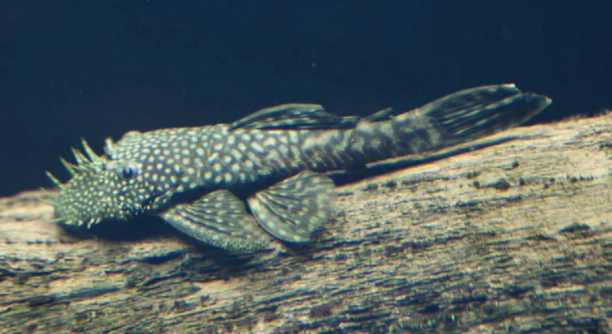
Bristlenose plecos are popular freshwater fish known for their unique appearance and helpful algae-eating habits. Many aquarium enthusiasts find them peaceful and low-maintenance, making them a favored choice for both beginners and experienced fish keepers.
Bristlenose plecos can be kept in groups if the tank provides sufficient space, hiding spots, and resources. Overcrowding or lack of territories can lead to stress and aggression. Proper tank management ensures healthy social interactions among multiple plecos.
Keeping multiple plecos in a well-planned environment can enhance your aquarium’s activity and visual appeal while maintaining a balanced ecosystem.
Understanding Bristlenose Pleco Behavior
Bristlenose plecos are generally peaceful, but their behavior changes depending on tank size and population. They are nocturnal and spend most of the day hiding under decorations or inside caves. Males can be territorial, especially during breeding, and may defend a chosen hiding spot. Observing their habits helps prevent conflicts. Plecos are also sensitive to water quality, which affects activity levels and appetite. Providing hiding spots, driftwood, and smooth surfaces allows them to feel secure and reduces stress. Even in groups, some plecos may prefer solitude, so spacing out shelters is important. They communicate subtly through body language, such as tail flicks or fin displays. Their algae-eating behavior keeps tanks clean but does not eliminate all maintenance needs. Understanding these patterns ensures that multiple plecos can coexist without frequent aggression, leading to a balanced, visually pleasing aquarium environment.
Monitoring pleco interactions daily can prevent minor issues from escalating, ensuring harmony in a shared tank.
Keeping multiple plecos requires careful planning. Each fish needs space to claim a territory and access to food. Overcrowding leads to competition and stress. Tank decorations, caves, and driftwood help create boundaries and private areas. Males may still compete, but providing several hiding spots reduces aggression. Regular observation is crucial to identify conflicts early. Feeding should be spread across the tank to ensure all fish get enough nutrition. Plecos can adapt to group living if their environment mimics natural conditions, offering both communal areas and secluded retreats. Attention to water quality, adequate filtration, and stable temperatures keeps them healthy. Gradually introducing new plecos rather than adding several at once helps them acclimate and reduces stress. The right balance of space, resources, and careful monitoring allows multiple bristlenose plecos to thrive together without constant intervention, creating a peaceful, active aquarium.
Tank Setup for Groups
Tank size is critical when keeping multiple bristlenose plecos. A minimum of 30 gallons is recommended for two to three fish, with larger tanks needed for bigger groups.
Providing hiding spots, caves, and driftwood helps plecos establish territories and feel secure. Shelters prevent aggressive encounters and reduce stress. Decorations should be arranged to create both communal spaces and private areas. Soft lighting and natural substrates encourage natural behavior. Adequate filtration ensures water stays clean, which is essential when more fish are added. Regular water testing helps maintain proper parameters, as plecos are sensitive to poor conditions. Feeding algae wafers, vegetables, and occasional protein sources keeps all fish nourished. Observing fish placement and interactions identifies dominant individuals and any signs of stress. Adjusting tank layout and adding new shelters can improve harmony. Grouping plecos successfully requires attention to these details, creating an environment where each fish thrives and interacts naturally while minimizing conflict.
Feeding Multiple Bristlenose Plecos
Feeding multiple plecos requires distributing food evenly. Algae wafers and fresh vegetables like zucchini or cucumber should be placed in different areas. This prevents competition and ensures each fish receives enough nutrition without stress or aggression.
Providing a variety of foods keeps plecos healthy and supports natural behavior. Algae wafers offer essential nutrients, while vegetables supply fiber and aid digestion. Occasionally, adding protein sources like shrimp pellets or blanched peas can improve overall health. Spread food across the tank so shy or subordinate fish can access it without interference from more dominant plecos. Feeding in small portions multiple times a day helps maintain water quality, as leftover food decomposes quickly. Observing feeding patterns allows adjustment of quantities and placement to suit your fish’s needs, creating a balanced routine.
Monitoring individual intake helps prevent malnutrition and aggression. Each pleco has its own feeding habits, so adjusting portions and food types maintains harmony in the group. Proper nutrition also supports growth, coloration, and long-term health, ensuring all fish thrive together. Observing interactions during feeding times provides insight into the tank’s social dynamics.
Breeding Considerations in Groups
Bristlenose plecos may breed in a group if males have adequate hiding spots and females feel safe. Caves or dense driftwood encourage spawning behavior, allowing males to guard eggs securely.
Successful breeding requires monitoring water quality, temperature, and pH levels. Males often guard nests aggressively, and overcrowding can stress females or trigger conflicts. Providing multiple caves reduces competition and supports multiple pairs in larger tanks. Observing plecos during breeding helps identify dominant males and ensures eggs are protected. Some males may remove rivals’ eggs, so distributing hiding spots is essential. Balanced feeding ensures females are healthy for spawning, while males maintain energy to guard nests. Regularly checking water parameters and performing partial water changes maintains a stable environment, supporting successful reproduction.
Pairing or introducing additional males should be done cautiously. Overcrowding increases aggression, while adequate space and resources allow natural breeding behavior. Watching interactions closely helps prevent stress and protects the eggs, contributing to a thriving community of plecos.
Common Aggression Signs
Aggression among bristlenose plecos usually appears as chasing, fin nipping, or guarding caves. Recognizing these behaviors early helps prevent serious stress or injury among tank mates.
Dominant males may patrol territory constantly or block access to hiding spots. Observing subtle cues, like tail flicks or body posturing, allows timely adjustments in tank layout or population.
Adjusting Tank Layout
Rearranging decorations and adding extra caves can reduce aggression. Creating multiple hiding spots allows plecos to establish personal territories and feel secure. Driftwood and rocks should be spaced to prevent constant encounters, supporting calmer social interactions and minimizing stress for all fish.
Water Quality Maintenance
Maintaining clean, stable water is essential. Plecos produce significant waste, and poor water quality increases stress and aggression. Regular partial water changes, proper filtration, and testing for ammonia, nitrites, and nitrates keep the environment safe and healthy for multiple plecos.
Observation and Intervention
Daily observation is key to preventing conflicts. Noticing changes in behavior or appearance allows early intervention, ensuring all plecos remain healthy and stress-free in a shared tank.
FAQ
Can bristlenose plecos live peacefully in groups?
Yes, they can live peacefully if the tank is properly sized and has enough hiding spots. Male plecos can be territorial, but distributing caves and driftwood throughout the tank reduces conflict. Providing multiple feeding areas ensures all fish get enough nutrition and lowers competition. Observation is important to detect early signs of aggression.
How many bristlenose plecos can I keep together?
The number depends on tank size. A 30-gallon tank can house two to three plecos comfortably, while larger groups need bigger tanks to prevent overcrowding. Each pleco requires territory, access to food, and personal hiding spots. Overcrowding can lead to stress, aggression, and health issues.
What tank setup is best for multiple plecos?
A tank with driftwood, rocks, and caves is ideal. These structures provide hiding spots and help plecos establish territories. Smooth substrates prevent injury, and soft lighting encourages natural behavior. Proper filtration and water circulation are essential to maintain water quality with multiple fish.
Do I need to feed differently when keeping plecos in groups?
Yes, food should be spread throughout the tank to prevent competition. Algae wafers, vegetables, and occasional protein sources should be offered in multiple areas. Feeding in smaller portions multiple times a day helps maintain water quality and ensures that shy or subordinate fish receive proper nutrition.
Will bristlenose plecos breed in a group tank?
They may breed if males have adequate hiding spots and females feel secure. Males guard nests aggressively, so multiple caves reduce competition and allow several pairs to spawn. Balanced nutrition, stable water parameters, and careful observation support successful breeding while minimizing conflicts.
How do I reduce aggression among plecos?
Aggression can be minimized by spacing out caves, driftwood, and decorations to create separate territories. Observing dominant males and adjusting the layout if needed helps. Providing multiple feeding stations reduces competition. Regular water changes and monitoring ensure a healthy environment, which also decreases stress-related aggression.
What water conditions do bristlenose plecos prefer?
Plecos thrive in slightly acidic to neutral pH (6.5–7.5) and temperatures between 73–81°F (23–27°C). Stable conditions are critical, as fluctuations can stress fish and increase aggression. Proper filtration, partial water changes, and testing for ammonia, nitrites, and nitrates are essential when keeping multiple plecos together.
Can multiple plecos harm each other?
While generally peaceful, males may occasionally compete for territories. Fin nipping and chasing can occur if hiding spots or food are insufficient. Careful tank arrangement, adequate space, and monitoring interactions help reduce these incidents and maintain harmony.
Do plecos need special care when kept in groups?
Yes, group care involves careful observation, consistent feeding, and maintaining water quality. Each pleco’s behavior, growth, and health should be monitored. Adjusting tank decorations, feeding areas, and shelter availability ensures that all fish thrive without stress or aggression.
How can I tell if my plecos are stressed in a group?
Signs of stress include hiding excessively, losing appetite, fin damage, or unusual swimming patterns. Increased chasing or territorial disputes are also indicators. Addressing these issues by rearranging the tank, adding hiding spots, and checking water quality can restore balance and comfort for all plecos.
What types of hiding spots work best?
Caves, driftwood, and rock formations provide secure areas for plecos. Smooth surfaces prevent injury, while multiple locations allow each fish to claim territory. Dense arrangements help shy individuals feel safe and reduce encounters with more dominant males, lowering stress levels and aggression.
How often should I monitor pleco interactions?
Daily observation is recommended. Plecos are subtle in signaling discomfort or territorial disputes. Monitoring allows early intervention, whether adjusting tank layout, adding shelters, or separating aggressive individuals, ensuring all fish remain healthy and social harmony is maintained.
Can plecos share a tank with other species?
Yes, they can coexist with peaceful, similarly sized fish that occupy different water levels. Avoid aggressive species or those that compete for the same hiding spots. Ensuring compatible tank mates prevents stress and allows plecos to thrive while maintaining their natural behavior.
What is the best way to introduce new plecos into a group?
Introduce new plecos gradually and rearrange the tank decorations to reduce territorial disputes. Quarantine new fish before introduction to prevent disease. Adding multiple hiding spots and monitoring interactions closely ensures smoother integration into the existing group.
How important is tank size for group dynamics?
Tank size directly affects stress levels and aggression. Larger tanks allow plecos to establish territories and reduce constant encounters. Underestimating space requirements leads to competition for hiding spots and food, which can result in injury or illness. Proper planning is essential for a healthy group environment.
Can plecos live together long-term without problems?
Yes, with careful management. Proper tank size, multiple hiding spots, balanced feeding, stable water quality, and regular observation ensure that plecos coexist peacefully over time. Adjusting tank setup as fish grow or new individuals are added helps maintain harmony and long-term health.
What signs indicate a male is guarding a nest?
Males stay near caves, defend the area, and may chase other fish away. They fan the eggs with their fins to provide oxygen. Observing these behaviors helps ensure eggs are protected and allows other plecos to avoid the territory safely.
How do I prevent food aggression in a group?
Spread food throughout the tank and feed in smaller portions multiple times daily. Providing multiple feeding spots prevents dominant fish from monopolizing resources, ensuring that shy or subordinate plecos get sufficient nutrition without conflict.
Do plecos require different care at different life stages in a group?
Juveniles need more hiding spots and careful monitoring to avoid bullying. Adults require larger territories and stable water conditions. Adjusting decorations, feeding routines, and shelter availability as fish grow helps maintain a peaceful, healthy group dynamic.
Is it normal for plecos to chase each other occasionally?
Yes, mild chasing can occur as males establish or defend territories. It becomes a concern only if it leads to injury, persistent stress, or restricted access to food and hiding spots. Proper tank arrangement and observation reduce negative impacts.
How do I know if the tank is too crowded?
Signs include frequent aggression, difficulty accessing food, constant hiding, or poor water quality. If multiple plecos show stress or injury, additional space or rehoming some individuals may be necessary to maintain health and balance.
What should I do if aggression persists despite adjustments?
Separating particularly aggressive males or increasing hiding spots can help. In some cases, splitting the group into separate tanks may be required. Regular observation, proper feeding, and maintaining water quality remain critical to reduce stress and promote peaceful interactions.
This FAQ provides practical guidance for keeping multiple bristlenose plecos together, covering behavior, tank setup, feeding, breeding, and stress management to ensure a harmonious aquarium environment.
Final Thoughts
Keeping bristlenose plecos in groups can be a rewarding experience if the tank is properly managed. These fish are generally peaceful, but they do have territorial tendencies, especially males during breeding periods. Understanding their behavior is key to maintaining harmony. Providing ample hiding spots such as caves, driftwood, and rocks helps each pleco establish its own territory. This prevents frequent confrontations and reduces stress levels. Even subtle behaviors like tail flicks or fin displays can indicate how comfortable a pleco feels in its environment. Observing these signs regularly allows adjustments before small issues turn into major problems. Spacing shelters, distributing food across the tank, and maintaining clean water are simple yet effective ways to create a calm environment. With careful attention, multiple plecos can coexist naturally, showing their unique personalities and contributing to a lively, visually interesting aquarium.
Feeding is another important aspect to consider when keeping plecos in groups. Each fish must receive sufficient nutrition, and competition for food can lead to stress or aggression. Offering algae wafers, fresh vegetables, and occasional protein sources in multiple locations ensures that all fish get access to food without fighting. Feeding smaller portions several times a day can help maintain water quality, as leftover food decomposes slowly and can create unhealthy conditions. Observing feeding behavior also provides insight into social dynamics, revealing which individuals are more dominant or shy. Adjusting food placement or portion size based on these observations ensures all plecos remain healthy and vibrant. Nutrition not only supports physical health but also encourages natural behaviors, making the aquarium more balanced and active. Proper feeding routines combined with a thoughtfully arranged environment create a peaceful, thriving community of plecos.
Water quality and tank size are critical factors in the long-term success of keeping plecos together. Plecos produce a significant amount of waste, and overcrowding can quickly compromise water conditions. Regular partial water changes, efficient filtration, and monitoring of ammonia, nitrite, and nitrate levels are essential to maintain a stable environment. A tank that is too small increases stress, triggers aggressive behaviors, and limits the ability of plecos to claim territory. Larger tanks allow for multiple hiding spots, better distribution of resources, and calmer interactions among individuals. Paying attention to these factors ensures that plecos remain healthy, active, and stress-free. With careful planning, observation, and maintenance, keeping multiple bristlenose plecos can be a manageable and enjoyable experience. A well-prepared tank allows these fish to live comfortably together, exhibiting natural behaviors while enhancing the overall beauty and balance of the aquarium.

Hello,
If you enjoy the content that we create, please consider saying a "Thank You!" by leaving a tip.
Every little bit helps us continue crafting quality advice that supports the health, happiness, and well-being of pets around the world, for pets of all shapes, sizes, and species.
We really appreciate the kindness and support that you show us!