
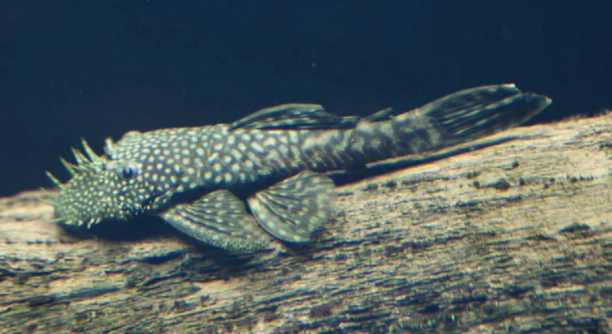
Have you ever noticed your bristlenose pleco quietly exploring the corners of its tank, often spending long periods alone on rocks or driftwood? These small, armored fish have unique behaviors that can be puzzling to observe.
Bristlenose plecos are generally solitary fish and do not require constant companionship. They can coexist peacefully with other fish but mostly thrive alone, engaging in independent feeding, resting, and hiding behaviors as part of their natural routine.
Observing these behaviors more closely will help you better understand their needs and ensure your pleco remains comfortable and healthy in its environment.
Bristlenose Pleco Social Behavior
Bristlenose plecos are naturally solitary fish, spending most of their time exploring or resting alone. In aquariums, they often occupy the same space daily without interacting with other fish. These fish use hiding spots like caves, driftwood, or dense plants to feel secure. Observing them, you may notice slow, deliberate movements and occasional grazing on algae. While they tolerate tankmates, plecos rarely seek contact. Their behavior is more about instinctual comfort than socialization. They can coexist with peaceful species but may become stressed in crowded conditions. It is important to provide enough territory and hiding areas for each pleco to prevent conflicts. Feeding should be done in multiple spots to reduce competition. Recognizing their preference for solitude helps aquarists manage tanks effectively. Maintaining clean water and monitoring behavior ensures they stay healthy and active. Watching a pleco’s subtle interactions with the environment reveals their quiet, methodical nature.
Observing them calmly over time shows that they are content with independence.
Bristlenose plecos interact minimally with humans. They may approach slowly during feeding but generally maintain distance. Understanding their cues, such as fin movement or grazing patterns, helps in interpreting health and comfort. Providing enrichment like driftwood or algae wafers encourages natural behaviors. Avoid overcrowding the tank, as stress can lead to hiding or reduced appetite. By respecting their solitary tendencies, aquarists can create a stable, low-stress environment. Tracking their activity daily allows early detection of changes. Plecos often signal discomfort through erratic swimming or excessive hiding. Consistent care, proper diet, and adequate space ensure their long-term well-being. Over time, you may notice subtle preferences for certain hiding spots or resting areas. This observation can improve tank layout and feeding strategies. Supporting their natural behaviors contributes to a balanced ecosystem within your aquarium.
Signs Your Pleco May Need Companionship
Most bristlenose plecos thrive alone, showing little desire for company.
If a pleco exhibits unusual lethargy, constant hiding, or loss of appetite, these could indicate stress or boredom. Environmental enrichment often resolves these issues without adding other fish. Providing varied algae sources, driftwood, or caves encourages activity and mental stimulation. Changes in water quality or lighting can also affect behavior. Monitoring these factors closely helps prevent long-term problems. Occasionally, some plecos display curiosity toward tankmates, but this is not a general social need. Their health depends on consistent care, proper feeding, and a stable environment rather than interaction with others. Understanding these subtleties ensures a peaceful, well-maintained aquarium.
Maintaining a solitary setup respects their instincts while promoting natural behaviors. Adequate hiding spots and feeding areas reduce stress and prevent territorial disputes. Even in community tanks, plecos primarily focus on their own routine. Introducing companions should be approached cautiously, as overcrowding can lead to aggression. Observing their reactions allows you to adjust conditions as needed. A balanced diet with algae, vegetables, and occasional protein supports growth and vitality. Water parameters must remain stable, as plecos are sensitive to sudden changes. Gradual adjustments to lighting and tank rearrangement can improve engagement without forcing interaction. Ultimately, providing choice, space, and proper nutrition fosters a comfortable, healthy environment for your bristlenose pleco. Tracking behavior and modifying the habitat ensures long-term satisfaction. Over time, a well-planned tank allows plecos to express their natural instincts fully while remaining calm and active.
Tank Setup for Bristlenose Plecos
A proper tank setup is essential for plecos to feel secure. They need hiding spots, smooth surfaces to graze algae, and adequate space to swim freely. Driftwood, caves, and plants help replicate their natural habitat.
Providing multiple caves and driftwood allows plecos to claim their own space without conflict. They enjoy resting under broad leaves or inside hollow logs. Filtration should maintain clean water without creating strong currents, as plecos prefer calmer areas. Substrate should be smooth or sand-based to protect their sensitive undersides. Lighting should be moderate to mimic natural conditions, encouraging grazing during daylight and resting at night. Regular water testing ensures parameters remain stable. Arranging the tank thoughtfully reduces stress and encourages natural behaviors. A well-structured environment supports health, activity, and comfort. Plecos thrive when they feel safe, so hiding areas and consistent conditions are crucial.
Tank decorations should balance open swimming space and sheltered areas. Avoid overcrowding with too many ornaments, which can reduce usable territory. Driftwood not only provides hiding spots but also aids digestion. Plants can be anchored securely to prevent uprooting. Proper layout reduces stress and promotes normal behavior.
Feeding Habits and Nutrition
Bristlenose plecos are primarily herbivores but enjoy occasional protein supplements. A mix of algae, vegetables, and sinking wafers meets their dietary needs.
Algae growth in the tank provides a natural food source, which plecos actively graze. Supplementing with zucchini, cucumber, or spinach ensures a balanced diet rich in fiber and nutrients. Occasionally adding protein in the form of shrimp pellets or bloodworms supports growth, especially for juveniles. Feeding should be consistent, ideally once daily, with portions that can be consumed in a few hours to avoid water pollution. Observing their grazing behavior helps determine if they are eating enough or require dietary adjustments. Removing uneaten food prevents decay and maintains water quality, which is vital for overall health.
Providing variety encourages natural foraging and keeps plecos engaged. Overfeeding can harm water quality and stress fish, while underfeeding may affect growth. Sinking foods prevent competition at the surface and allow plecos to feed naturally. Combining live, frozen, or dried foods ensures nutrition and stimulates interest. Vegetables should be blanched to soften them and make grazing easier. Monitoring each pleco’s appetite allows for adjustment based on age, size, and tank conditions. Including driftwood in the diet aids digestion and supports healthy gut flora. Gradual dietary changes reduce stress and maintain consistent feeding habits. This approach promotes longevity, vitality, and overall well-being in a well-maintained aquarium environment.
Common Health Concerns
Bristlenose plecos are generally hardy but can face issues like fin rot, ich, or digestive problems. Regular water changes, proper diet, and monitoring behavior help prevent most illnesses.
Stress can weaken their immune system, making plecos more prone to disease. Avoid overcrowding, sudden water changes, and aggressive tankmates to maintain a healthy environment.
Observing Behavior Changes
Changes in swimming, hiding, or feeding patterns often signal health or environmental issues. Slow movement or lack of interest in food can indicate stress, illness, or poor water quality.
Careful observation allows early detection of problems, preventing severe consequences. Adjusting tank conditions and diet promptly supports recovery and overall well-being. Regular checkups and attention to subtle signs help maintain a thriving pleco.
Interaction With Other Fish
Bristlenose plecos coexist peacefully with most non-aggressive species. They typically ignore tankmates and focus on their own routines.
Providing enough space and hiding areas reduces conflict, keeping plecos calm and healthy.
Environmental Enrichment
Adding driftwood, plants, and caves promotes natural behaviors. These elements encourage grazing, resting, and exploration, preventing boredom and stress.
FAQ
Do bristlenose plecos need companions?
Bristlenose plecos are naturally solitary. They do not require other plecos or fish for social interaction. Most of their time is spent grazing, hiding, or resting. They can live comfortably in a community tank but usually keep to themselves. Providing enough space and hiding spots is more important than adding companions.
How can I tell if my pleco is stressed?
Signs of stress include excessive hiding, loss of appetite, unusual swimming patterns, or frequent rubbing against surfaces. Sudden changes in water conditions, overcrowding, or aggressive tankmates can cause stress. Observing behavior regularly helps identify problems early and allows corrective action.
What is the best diet for a bristlenose pleco?
Bristlenose plecos are primarily herbivores. Their diet should include algae, vegetables like zucchini or cucumber, and specialized sinking wafers. Occasional protein supplements such as bloodworms or shrimp pellets can be offered, especially for juveniles. Driftwood is also important for digestion. Feeding should be consistent, with only the amount they can consume in a few hours.
How often should I clean the tank?
Regular cleaning is essential for pleco health. Partial water changes of about 20–30% weekly maintain water quality. Uneaten food, debris, and waste should be removed to prevent harmful bacteria growth. Filtration should be adequate, and regular testing ensures stable parameters for ammonia, nitrites, and nitrates.
Can bristlenose plecos live with aggressive fish?
Plecos tolerate peaceful community fish well but may become stressed around aggressive species. Large or territorial fish can harass them, leading to injury or hiding constantly. Providing multiple hiding spots and adequate space reduces stress, but careful selection of tankmates is crucial for a harmonious environment.
Why does my pleco hide so much?
Hiding is a natural behavior for bristlenose plecos. They seek shelter during the day or when they feel insecure. Lack of hiding spots, overcrowding, or sudden environmental changes may increase hiding. Providing caves, driftwood, and plants allows them to feel safe while still having room to explore.
How long do bristlenose plecos live?
Bristlenose plecos can live 5 to 10 years with proper care. Lifespan depends on diet, water quality, tank conditions, and overall health. Regular monitoring, a consistent feeding schedule, and attention to environmental enrichment all contribute to a longer, healthier life.
Do plecos recognize their owners?
While plecos do not form social bonds like mammals, they can recognize feeding routines and may respond when humans approach during mealtime. Their responses are usually slow and cautious, but repeated observation shows they can associate people with food and safety.
How big will my bristlenose pleco grow?
Bristlenose plecos generally grow up to 4–6 inches in length. Tank size, diet, and water quality influence growth. Smaller tanks or poor nutrition can stunt growth, while optimal conditions support full development. Monitoring growth ensures they remain healthy and comfortable in the aquarium.
Is it okay to keep more than one pleco?
Multiple bristlenose plecos can live together if there is enough space and hiding spots for each fish. Overcrowding can lead to territorial disputes. Observing behavior helps ensure all plecos have adequate territory and access to food without stress or competition.
How do I encourage natural grazing behavior?
Encourage grazing by providing algae-covered surfaces, driftwood, and blanched vegetables. Varied placement of food throughout the tank mimics natural foraging. Avoid overfeeding processed foods, and allow algae growth to maintain a stimulating environment that keeps plecos active and healthy.
Can plecos survive in small tanks?
Small tanks can limit movement and stress plecos, but with proper hiding spots, filtration, and careful monitoring, they can survive. A minimum of 20 gallons is recommended for a single adult. Larger tanks provide better water quality, more territory, and reduce stress from limited space.
How often should I feed my pleco?
Feeding once daily is generally sufficient for adult bristlenose plecos. Juveniles may require slightly more frequent feeding. Only offer what they can consume within a few hours to prevent water contamination. Monitoring leftovers helps adjust portions and maintain clean tank conditions.
What water parameters are ideal for plecos?
Bristlenose plecos prefer temperatures of 73–81°F, pH 6.5–7.5, and soft to moderately hard water. Stable conditions are crucial, as sudden changes stress the fish. Regular testing and gradual adjustments help maintain an environment where plecos remain healthy and active.
Can plecos be left alone for a few days?
Yes, adult plecos can tolerate short periods alone, as they do not rely on social interaction. Automatic feeders or pre-portioned food can cover absences. Ensuring adequate hiding spots and stable water conditions is key to keeping them safe while unattended.
Do plecos clean the tank?
While plecos graze on algae and may reduce surface buildup, they are not a substitute for regular maintenance. Algae growth alone does not guarantee a clean tank. Frequent cleaning, water changes, and proper filtration are necessary for optimal water quality and pleco health.
Why does my pleco scrape itself on surfaces?
Scraping is often a normal grazing behavior to remove algae or debris. However, excessive scraping may indicate parasites, poor water quality, or stress. Monitoring water parameters and observing behavior ensures scraping is healthy rather than a response to irritation.
Are plecos nocturnal?
Bristlenose plecos are primarily nocturnal, being most active during low-light periods. They often hide during the day and forage at night. Understanding this pattern helps with feeding schedules and placement of hiding spots, ensuring plecos remain comfortable and active in the aquarium.
Can plecos be bred in home aquariums?
Bristlenose plecos can be bred in home tanks under the right conditions. Providing caves, slightly warmer water, and a protein-rich diet encourages spawning. Males guard eggs, and careful monitoring ensures the young develop safely while maintaining water quality.
Do plecos need driftwood?
Driftwood is important for digestion and provides natural grazing surfaces. It also offers hiding spots and enrichment. Including driftwood in the tank supports both health and natural behaviors, making it a key element in pleco care and well-being.
How do I handle a sick pleco?
Sick plecos should be quarantined in a separate tank with stable conditions. Treating water quality issues, adjusting diet, or using appropriate medications can support recovery. Early detection and careful monitoring are essential for successful treatment.
Bristlenose plecos are unique fish that thrive best when their natural instincts are respected. They are largely solitary and do not require the company of other plecos or tankmates to feel comfortable. Providing a safe and well-structured environment allows them to express normal behaviors, such as grazing on algae, exploring driftwood, and resting in hiding spots. Observing their daily routines shows that they are content with independence, and their quiet, deliberate movements can be both calming and fascinating to watch. Understanding that these fish are not social in the way mammals are helps aquarists set realistic expectations for their behavior. This perspective allows for more thoughtful care, emphasizing environmental enrichment and stability rather than forced companionship.
Maintaining proper tank conditions is essential to keeping bristlenose plecos healthy. Clean water, stable temperatures, and balanced water chemistry create the foundation for long-term well-being. Their diet should focus on algae, vegetables, and occasional protein supplements, which support growth and digestive health. Driftwood plays an important role, not only as a hiding spot but also to aid digestion and provide a natural surface for grazing. Feeding routines and tank layouts should be consistent, giving the pleco opportunities to forage and rest in a predictable environment. By focusing on these fundamental needs, aquarists can prevent stress, promote natural behaviors, and reduce the likelihood of illness. Attention to small details, like hiding spots or gradual adjustments to diet, can significantly impact their comfort and longevity in captivity.
Bristlenose plecos may not be the most interactive fish, but they are rewarding to observe and care for when their needs are met. Their low-maintenance social requirements make them suitable for community tanks, provided that space and hiding areas are adequate. Watching them navigate their surroundings, graze, and explore shows a subtle but engaging personality. Over time, aquarists learn to recognize subtle cues in behavior, indicating health, stress, or satisfaction, which strengthens the connection between caretaker and fish. Ensuring their environment supports independence, proper nutrition, and enrichment creates a stable, healthy home where plecos can thrive. Respecting their solitary nature while providing care tailored to their habits allows these fish to live long, active lives, making them a quietly fascinating addition to any aquarium.

Hello,
If you enjoy the content that we create, please consider saying a "Thank You!" by leaving a tip.
Every little bit helps us continue crafting quality advice that supports the health, happiness, and well-being of pets around the world, for pets of all shapes, sizes, and species.
We really appreciate the kindness and support that you show us!