
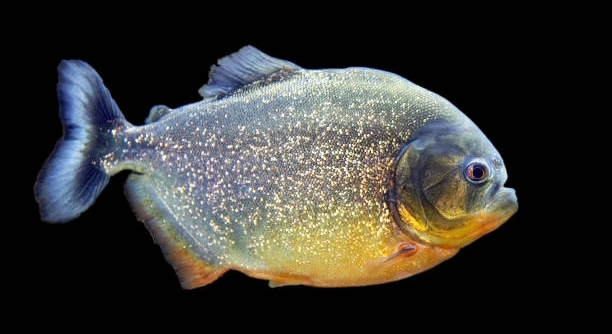
Are your piranhas suddenly ignoring their food? Many fish owners face this puzzling situation, leaving them unsure of what to do next. Understanding the reasons behind this behavior can help keep your aquatic pets healthy and happy.
Piranhas may refuse food due to stress, poor water quality, illness, or changes in their environment. These factors disrupt their normal feeding habits and require prompt attention to restore their appetite and well-being.
Knowing what causes this behavior is key to helping your piranha thrive again. The following information will guide you through common issues and solutions for your fish’s eating problems.
Common Reasons Your Piranha Ignores Food
Sometimes, piranhas stop eating because of stress. Changes in their tank, like new decorations or sudden loud noises, can make them nervous. Poor water quality is another big reason. If the water is dirty or has wrong levels of chemicals, piranhas might refuse to eat. Illness can also cause loss of appetite. Parasites, infections, or injuries can make your fish feel weak or uncomfortable. Temperature changes can affect their metabolism, making them less interested in food. Finally, overfeeding or feeding the wrong type of food can lead to disinterest. It’s important to observe your piranha’s behavior and environment carefully to find the exact cause. Regular cleaning and maintaining a stable tank environment help keep them healthy and willing to eat.
Keeping water clean and stable is the best way to prevent many feeding problems.
Recognizing stress signs like hiding or rapid swimming helps you act early. Illness may show as faded colors or spots. Adjust feeding amounts and provide suitable foods like live or frozen fish to encourage eating. Testing water regularly ensures safe conditions. Fixing these issues usually brings your piranha back to a healthy appetite. Patience and observation are key to understanding your pet’s needs.
How to Encourage Your Piranha to Eat Again
If your piranha refuses food, try changing the feeding routine first. Offer small amounts of fresh, varied food such as live insects, shrimp, or specially made pellets. Feeding at the same time daily helps build a routine and makes them more likely to eat. Avoid overfeeding, as leftovers can pollute the water and discourage appetite. Monitor the tank’s temperature and maintain it between 75-82°F, as piranhas are sensitive to temperature changes. Cleaning the tank regularly and testing water for ammonia, nitrites, and nitrates keeps the environment healthy. If your fish shows signs of illness, consult a vet experienced with aquatic pets. Providing hiding places and reducing sudden tank changes can reduce stress and improve feeding. A calm environment encourages your piranha to feel safe and ready to eat again.
Signs of Illness in Piranhas
Loss of appetite is often one of the first signs that a piranha is unwell. Other symptoms include lethargy, clamped fins, and changes in color or behavior. Watching for these signs early can help prevent serious health problems.
Illness in piranhas can be caused by bacteria, parasites, or fungi. Infected fish may develop white spots, red sores, or swollen areas on their bodies. Stress from poor water quality or sudden changes can weaken their immune system, making them more vulnerable to disease. Treating the tank promptly and isolating sick fish when needed is important to stop the illness from spreading.
Proper care, including maintaining clean water and stable temperature, helps reduce the risk of disease. If your piranha shows symptoms, consider consulting an aquatic vet for diagnosis and treatment. Early intervention improves chances of recovery and helps bring back a healthy appetite.
Importance of Tank Environment
A clean and stable tank environment is crucial for your piranha’s health and appetite. Regular water changes keep harmful chemicals low and promote a comfortable living space. Poor conditions often lead to stress, which can cause feeding refusal.
Maintaining correct water parameters, such as pH between 6.5 and 7.5 and temperature between 75-82°F, supports your piranha’s well-being. Overcrowding or lack of hiding spots increases stress and aggression, which also affects feeding. Proper filtration and regular tank cleaning help maintain oxygen levels and reduce waste buildup. Small adjustments in the tank setup can greatly improve your piranha’s comfort and encourage normal feeding behavior.
Feeding Habits and Behavior
Piranhas naturally have bursts of feeding activity followed by rest periods. They may ignore food when not hungry or during times of low activity. Understanding this behavior helps avoid unnecessary worry.
Feeding schedules should match their natural habits. Overfeeding can cause refusal and water pollution. Offering food once or twice daily at consistent times supports healthy eating patterns and tank cleanliness.
Water Temperature Effects
Water temperature directly influences piranha metabolism and appetite. Too cold or too hot water can make them less active and less interested in food.
Maintaining a steady temperature within the ideal range (75-82°F) supports digestion and overall health, promoting regular feeding behavior.
Stress and Its Impact on Appetite
Stress causes piranhas to lose interest in food quickly. It can come from tank mates, sudden changes, or poor environment conditions. Minimizing stress improves feeding response and fish well-being.
FAQ
Why is my piranha ignoring food even though the water looks clean?
Sometimes water can seem clear but still have harmful levels of ammonia, nitrites, or nitrates that stress your piranha. These chemicals are toxic and can make fish stop eating. Using a water test kit regularly helps detect invisible problems. Even small amounts of waste buildup can affect your fish’s appetite. Frequent partial water changes and proper filtration keep water safe and comfortable for your piranha.
How long can a piranha go without eating before it becomes dangerous?
Piranhas can survive several days without food, usually up to a week, but longer fasting weakens their immune system and causes stress. If your piranha refuses food for more than three days, check the tank conditions and health carefully. Prolonged hunger can lead to serious illness, so addressing the cause quickly is important.
Can the type of food cause my piranha to stop eating?
Yes. Piranhas may reject food that is old, spoiled, or not suitable for their diet. They prefer live or frozen foods like small fish, shrimp, or insects. Feeding the same food repeatedly can also lead to boredom and refusal. Offering variety and ensuring food freshness encourages regular eating.
What should I do if my piranha is sick and won’t eat?
If illness is the reason for appetite loss, isolate your piranha in a hospital tank if possible. Treat the water with appropriate medications recommended for fish diseases. Keep the tank clean and maintain optimal water conditions. Consult an aquatic vet for accurate diagnosis and treatment options. Do not force-feed your fish; it can cause more harm.
Could tank mates be causing my piranha to ignore food?
Yes, other fish in the tank may stress your piranha or compete for food. Aggressive or very active tank mates can intimidate piranhas, making them hide and refuse food. Make sure your piranha has enough space and hiding spots. Consider separate tanks if aggression continues.
How does water temperature affect my piranha’s eating habits?
Piranhas are cold-blooded and rely on water temperature to regulate their metabolism. When the temperature drops below 75°F, their metabolism slows, reducing appetite. Similarly, water that is too warm can cause stress and disrupt feeding. Keeping temperature steady within 75-82°F helps maintain healthy eating habits.
Is it normal for piranhas to refuse food sometimes?
Yes, piranhas may occasionally refuse food, especially after feeding heavily or during rest periods. This is normal behavior if it happens occasionally and your fish looks healthy otherwise. However, consistent refusal or changes in behavior should be checked.
Can stress from tank changes cause feeding problems?
Definitely. Moving decorations, changing water too quickly, or loud noises can stress piranhas. Stress lowers their appetite and immune system. Keep changes gradual and create a stable, quiet environment to encourage eating.
How often should I feed my piranha?
Feed adult piranhas once or twice daily, giving only what they can eat in a few minutes. Overfeeding leads to poor water quality and appetite loss. Younger piranhas may need more frequent feeding but smaller portions. Regular feeding times help establish a routine.
What signs show my piranha is healthy and eating well?
A healthy piranha has bright colors, clear eyes, and active swimming behavior. It eagerly accepts food and shows no signs of injury or illness. Regular eating and alertness are good indicators of well-being. Observing these signs helps you know when something is wrong quickly.
How can I improve my piranha’s appetite?
Try offering live or frozen foods that mimic their natural diet. Keep the tank clean and stable with proper water parameters. Reduce stress by limiting tank disturbances and providing hiding spots. Feeding smaller amounts more often can encourage regular eating. If needed, use appetite stimulants recommended by aquatic specialists.
Is it okay to fast my piranha sometimes?
Occasional fasting, like one day a week, can be healthy and help prevent overfeeding. It gives the digestive system a rest. However, fasting should not become frequent or long-term. Always monitor your piranha’s behavior and health during fasting periods.
Can water changes help if my piranha won’t eat?
Yes. Fresh, clean water improves tank conditions and reduces stress, often encouraging feeding. Partial water changes of 20-30% weekly keep harmful chemicals low. Avoid full water changes all at once, as sudden shifts can stress fish and reduce appetite.
What are common illnesses that cause loss of appetite?
Common illnesses include bacterial infections, parasites like ich, and fungal growths. These cause physical discomfort and make piranhas avoid food. Early treatment and good tank care help prevent these diseases and restore appetite.
How can I tell if my piranha is stressed?
Signs include hiding, rapid breathing, clamped fins, loss of color, and refusal to eat. Stress often results from poor water quality, aggressive tank mates, or sudden environmental changes. Identifying stress helps you take quick action to improve conditions.
Can poor lighting affect my piranha’s appetite?
Yes. Too bright or too dim lighting can make piranhas uncomfortable and affect their behavior. Moderate lighting that mimics natural day and night cycles supports healthy feeding and activity levels.
Should I try different foods if my piranha stops eating?
Trying varied foods like live shrimp, worms, or frozen fish can stimulate appetite. Sometimes, changing diet helps overcome boredom or preferences. Always ensure new foods are safe and suitable for piranhas.
What if my piranha only eats at certain times?
Piranhas often develop feeding routines and may only eat during specific periods. Consistency in feeding times helps them anticipate meals and improves appetite.
Can overcrowding cause feeding refusal?
Yes. Overcrowded tanks increase competition and stress, causing piranhas to eat less or hide. Maintain appropriate tank size and number of fish for healthy feeding behavior.
Is water hardness important for feeding?
Water hardness affects piranha health and comfort. Ideal hardness supports strong immune systems and digestion, promoting normal eating. Test and adjust water hardness as needed.
When should I seek professional help for feeding issues?
If your piranha refuses food for more than several days, shows illness signs, or tank conditions are stable but feeding doesn’t improve, consult an aquatic vet. Early help can prevent serious health problems.
When your piranha stops eating, it can feel frustrating and worrying. Many things can cause this behavior, from stress and water problems to illness or diet issues. The most important step is to check the environment carefully. Clean water, the right temperature, and a calm tank help keep your piranha comfortable and healthy. Regular water testing and changes prevent buildup of harmful chemicals that make fish lose their appetite. Remember, small changes in the tank can have a big effect on how your fish feels and behaves.
Feeding your piranha the right food is also key. They prefer live or frozen foods that resemble what they eat in nature, like small fish or insects. Offering a variety of fresh food helps keep them interested and prevents boredom. Avoid overfeeding because leftover food pollutes the water and can cause your fish to refuse meals. Feeding your piranha once or twice a day in small portions matches their natural eating habits and supports good health. Watching for signs of illness is important, too. If your fish looks weak, has spots, or changes color, it might be sick and need treatment.
If your piranha still won’t eat after checking all these factors, it might be best to ask for professional help. An aquatic vet can diagnose hidden problems and suggest treatments. Sometimes, stress from tank mates or changes in the environment makes piranhas shy away from food. Providing hiding spots and keeping a stable, quiet environment helps reduce stress. Patience and careful attention to your fish’s needs go a long way. With the right care, most piranhas return to healthy eating and active behavior. Taking these steps will improve your fish’s health and make caring for them easier and more rewarding.

Hello,
If you enjoy the content that we create, please consider saying a "Thank You!" by leaving a tip.
Every little bit helps us continue crafting quality advice that supports the health, happiness, and well-being of pets around the world, for pets of all shapes, sizes, and species.
We really appreciate the kindness and support that you show us!