
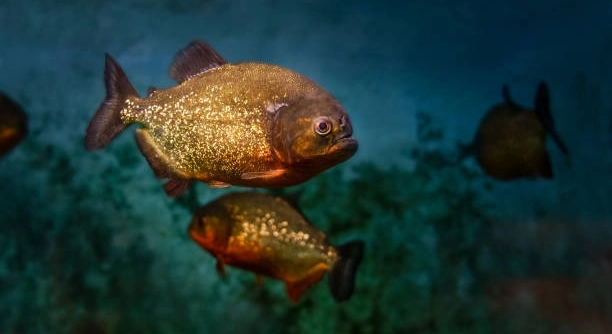
Rapid gill movement in piranhas is a sign that something in their environment or health is causing them to react quickly. Observing these movements helps owners understand what might be affecting their fish’s well-being. This article covers common causes for this behavior.
Rapid gill movement in piranhas is typically caused by factors such as low oxygen levels, poor water quality, stress, disease, or temperature changes. Each of these factors impacts their respiratory system, prompting faster gill activity to meet oxygen demands.
Knowing these causes can help you maintain a healthier environment for your piranhas. Identifying the right issue early on improves their chances of staying comfortable and thriving in your care.
Low Oxygen Levels in the Water
Piranhas need enough oxygen dissolved in the water to breathe properly. When oxygen levels drop, their gills move faster to try and get more air. This can happen if the tank is overcrowded or if the water is warm since warm water holds less oxygen. Another reason for low oxygen might be poor water circulation. If the tank’s filter or air pump isn’t working well, oxygen can quickly run out. Watching your piranha’s gill movements can tell you if oxygen might be low. Adding an air stone or increasing water movement often helps improve oxygen levels. Regular water changes are also important to keep oxygen high and the environment healthy.
Low oxygen can stress your piranha, affecting its appetite and behavior. Fixing the problem quickly helps prevent bigger health issues.
Keeping oxygen levels stable is key for your piranha’s health. Use a reliable pump and avoid overcrowding to give your fish plenty of air.
Poor Water Quality
Poor water quality is a common reason for rapid gill movement in piranhas. Waste from the fish, leftover food, and other debris break down into harmful chemicals like ammonia and nitrites. These substances irritate the fish’s gills, making it harder for them to breathe. Dirty water can also cause infections or promote harmful bacteria growth. Testing the water regularly for ammonia, nitrites, nitrates, and pH levels is essential. Using a good filtration system and performing regular water changes help keep water clean and safe. Keeping the tank environment balanced will reduce stress and support the fish’s respiratory system.
If water conditions are poor for too long, piranhas may develop gill damage or illness, which affects their breathing even more. It’s important to act quickly if you notice fast gill movements along with other signs like lethargy or loss of appetite. Clean water supports strong gills and a happy fish. With proper tank care, your piranha can breathe easily and stay healthy for a long time.
Stress and Its Effects on Gill Movement
Stress causes piranhas to breathe faster, leading to rapid gill movement. Changes in environment or handling often trigger this response.
Stress can come from sudden changes in water temperature, new tank mates, or loud noises near the aquarium. When stressed, piranhas use more oxygen, which makes their gills move quickly. This is their way of coping with the pressure. Prolonged stress can weaken their immune system and increase the risk of disease.
To reduce stress, keep the tank stable and avoid frequent changes. Provide hiding spots and limit disturbances around the aquarium. A calm environment helps piranhas feel safe and breathe normally.
Disease and Gill Movement
Gill infections or parasites can cause rapid gill movement by damaging tissue. This makes breathing difficult and painful for piranhas.
Common diseases like gill flukes or bacterial infections irritate gills, causing swelling and excess mucus. These conditions reduce oxygen absorption, so the fish tries to compensate by moving its gills faster. Early symptoms include scratching against objects or gasping at the water surface.
Treatment depends on the cause and may involve medication or improved water quality. Prompt action prevents the infection from worsening and helps the fish recover. Monitoring your piranha’s health closely ensures problems are caught early.
Temperature Changes
Sudden changes in water temperature cause piranhas to breathe faster. Their metabolism speeds up, increasing oxygen demand.
Keeping the temperature stable helps prevent stress and rapid gill movement. Use a reliable heater and monitor the water regularly to maintain the ideal range for piranhas.
High Ammonia Levels
Ammonia buildup in the tank is toxic and irritates piranhas’ gills. This leads to faster gill movement as they try to get enough oxygen.
High ammonia usually results from poor filtration or infrequent water changes. Testing water and acting quickly to lower ammonia keeps fish healthy and breathing easy.
Overcrowding
Too many fish in one tank reduces oxygen availability and increases waste. This causes rapid gill movement as piranhas struggle to get enough air.
Maintaining proper stocking levels ensures better water quality and oxygen levels, helping your piranhas stay comfortable and healthy.
FAQ
Why is my piranha’s gill movement suddenly rapid?
Rapid gill movement usually means your piranha is having trouble getting enough oxygen. This can happen because of poor water quality, low oxygen levels, stress, disease, or temperature changes. Checking these factors in your tank will often reveal the cause and help you fix the problem quickly.
How can I tell if low oxygen is the issue?
If your piranha is gasping near the water surface or its gills are moving very fast, low oxygen might be the problem. Poor water circulation, overcrowding, or warm water can reduce oxygen. Adding an air stone or increasing water flow usually helps increase oxygen.
What water parameters should I test to keep piranhas healthy?
Testing ammonia, nitrites, nitrates, and pH regularly is key. Ammonia and nitrites should be at zero, nitrates kept low, and pH stable around 6.5 to 7.5. Keeping these balanced reduces gill irritation and breathing issues.
Can stress cause rapid gill movement in piranhas?
Yes. Stress from sudden changes, new tank mates, or noise can cause fast gill movement. Stress increases oxygen demand, making the fish breathe harder. Minimizing disturbances and keeping the tank stable reduces stress.
What diseases cause rapid gill movement?
Gill parasites, bacterial infections, and fungal diseases can damage gills, causing rapid movement. Signs include scratching, redness, or mucus on gills. Early treatment with proper medication and clean water helps the fish recover.
How often should I change water to prevent gill problems?
Changing 20-30% of the water weekly is a good rule. This helps keep ammonia and nitrite low and removes waste. Frequent partial changes support healthy gills and reduce breathing problems.
Is overcrowding harmful to piranhas’ breathing?
Yes, overcrowding lowers oxygen and increases waste, both harmful to gills. Each piranha needs enough space to swim and clean water. Following recommended stocking guidelines helps maintain good oxygen levels.
Can temperature affect gill movement?
Temperature changes affect metabolism and oxygen needs. If the water is too warm, oxygen decreases, and fish breathe faster. Keeping the tank temperature steady, around 75-80°F (24-27°C), prevents stress and breathing issues.
What can I do immediately if I see rapid gill movement?
Check water quality and oxygen levels first. Increase aeration, perform a partial water change, and stabilize temperature. If signs of disease appear, isolate the fish and treat as needed. Acting fast prevents serious health problems.
Are some piranhas more sensitive than others?
Yes, young or sick piranhas are more vulnerable to poor water conditions and stress. They may show rapid gill movement sooner. Extra care with water quality and environment keeps them safe.
How do I prevent rapid gill movement in the future?
Maintain clean water with regular testing and changes. Avoid overcrowding and keep temperature stable. Minimize stress by limiting sudden changes or loud noises. Provide proper nutrition and monitor fish health closely. These habits support healthy breathing.
Rapid gill movement in piranhas is a clear sign that something in their environment or health is affecting their breathing. It’s important to pay close attention when you notice this behavior, as it often points to issues that need to be addressed quickly. Whether it is low oxygen, poor water quality, stress, disease, temperature changes, or overcrowding, these problems can all make your piranha work harder to breathe. Understanding the causes helps you take the right steps to improve your fish’s well-being and comfort in their tank.
Keeping the water clean and well-oxygenated is one of the best ways to prevent rapid gill movement. Regular water testing and changes are essential to remove harmful chemicals and keep ammonia and nitrites at safe levels. Also, making sure the tank is not too crowded and that temperature stays steady helps reduce stress on your piranhas. Stress is often overlooked but can greatly affect how they breathe. Creating a calm and stable environment, along with proper filtration and aeration, supports their health and keeps their gills functioning well.
Watching your piranha’s behavior and breathing closely can help you catch problems early before they become serious. If you notice rapid gill movement, act quickly by checking water conditions and making adjustments as needed. Sometimes, disease or parasites may require treatment, so being aware of other symptoms like scratching or lethargy is important. With good care and attention, your piranhas can stay healthy and breathe easily, making your aquarium a better place for them to thrive.

Hello,
If you enjoy the content that we create, please consider saying a "Thank You!" by leaving a tip.
Every little bit helps us continue crafting quality advice that supports the health, happiness, and well-being of pets around the world, for pets of all shapes, sizes, and species.
We really appreciate the kindness and support that you show us!