
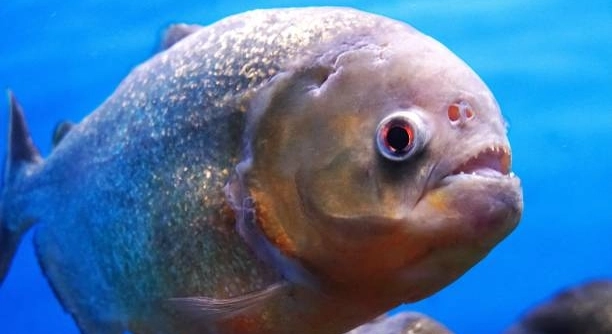
Are your piranhas acting aggressively toward their tank mates? Many fish owners experience this behavior and wonder why their usually calm aquarium turns tense. Understanding these actions can help maintain harmony in your fish tank.
Piranhas chase tank mates primarily due to territorial instincts, hunger, stress, or overcrowding. Their natural behavior involves protecting space and asserting dominance, which can escalate if the environment is not well managed or if their basic needs are unmet.
Knowing the reasons behind this chasing behavior can help you create a peaceful tank environment. It also allows you to care for your piranhas and other fish more effectively.
Territorial Behavior in Piranhas
Piranhas are naturally territorial fish. They tend to protect their space in the tank, especially if it feels crowded or if they don’t have enough hiding spots. When new fish enter their space, piranhas may chase them to keep them away. This behavior is more common when the tank is too small for the number of fish living in it. Territorial chasing is a way for piranhas to establish dominance and feel secure. If you notice this behavior, it’s important to check if your tank has enough room and enough plants or decorations where fish can hide. Sometimes, rearranging the tank to create more territories can reduce chasing. It helps if each fish has its own area to claim, which lowers stress for all the fish in the tank.
Territorial chasing often happens more during feeding or breeding times.
Reducing territorial stress involves increasing tank size or adding more hiding spaces. Regular tank maintenance and avoiding overcrowding can make a big difference. Also, introducing tank mates slowly gives piranhas time to adjust without feeling threatened. These steps help keep peace and balance in your aquarium.
Hunger and Feeding Patterns
Hunger can make piranhas chase their tank mates aggressively. When piranhas feel hungry, their natural hunting instincts kick in. This can lead to chasing or nipping at other fish, even if they don’t intend to eat them. Sometimes, piranhas may mistake smaller or slower fish for food when they are starving.
Feeding your piranhas properly and on time is crucial to avoid hunger-driven aggression. A diet rich in protein, such as fish pellets, frozen foods, or live foods, keeps them satisfied. Feeding smaller amounts several times a day instead of one big meal can prevent sudden hunger attacks. Observing their eating habits helps you adjust the feeding schedule.
Hungry piranhas are often more active and aggressive. Overfeeding, however, should be avoided because it can pollute the tank and harm water quality. Balanced feeding supports healthy behavior and reduces chasing.
By managing their diet well and feeding consistently, you can reduce hunger-induced chasing. This also improves their overall health and makes the tank a calmer place for all fish.
Stress and Environmental Factors
Stress can cause piranhas to chase tank mates aggressively. Poor water quality, sudden changes, or loud noises increase their anxiety.
Keeping the tank clean and stable reduces stress. Regular water changes, proper filtration, and monitoring temperature are key. Avoid overcrowding, which also stresses fish and worsens chasing behavior.
Stress makes piranhas more defensive and territorial. Providing a calm environment with consistent conditions helps them feel safe. This lowers chasing and improves overall health. Adding plants or decorations can create hiding spots that reduce tension among tank mates.
Overcrowding in the Tank
Too many fish in one tank increases competition for space and food. Overcrowding often leads to aggressive chasing as piranhas try to assert control over limited territory.
A crowded tank can cause stress, oxygen depletion, and poor water quality. This worsens aggression and chasing. To prevent this, follow recommended stocking levels based on tank size. Providing enough room for each fish is essential for peaceful coexistence.
When overcrowded, piranhas have less space to escape conflicts, leading to constant chasing. Ensuring a spacious environment reduces fights and promotes healthier fish behavior. Adjusting the number of fish or upgrading to a larger tank can resolve these issues effectively.
Lack of Hiding Places
Without enough hiding spots, piranhas feel exposed and chase tank mates more. Plants, rocks, and decorations help create safe zones.
Adding shelters lets fish escape and reduces tension. This simple change can lower aggression and improve the tank’s atmosphere.
Breeding Behavior
During breeding, piranhas become more protective and aggressive. They chase others to guard eggs or territory. This behavior usually calms once the breeding period ends.
Compatibility with Tank Mates
Choosing the right tank mates is important. Piranhas do better with fish that can handle their aggression or are too large to be bullied. Smaller or slow-moving fish often get chased or injured.
Water Quality Issues
Poor water conditions increase stress and aggression in piranhas. Regular testing and maintenance keep water clean, reducing chasing behaviors.
Why is my piranha chasing only one fish in the tank?
It’s common for piranhas to target one particular tank mate. This usually happens because that fish is weaker, slower, or smaller, making it an easy target. Piranhas may see it as a threat or competition for food and space. Sometimes, the targeted fish might invade the piranha’s preferred territory or act differently, triggering the chasing behavior. To reduce this, try rearranging the tank to create more hiding spots and territory boundaries. Adding plants or decorations can help the weaker fish escape and feel safer. If possible, consider introducing tank mates that better match your piranha’s temperament and size to prevent bullying.
Can changing the tank layout stop piranha chasing?
Yes, changing the layout can make a big difference. Piranhas need distinct territories to feel secure. When the tank is bare or too open, they have no clear boundaries, which leads to more chasing. Adding plants, rocks, or caves breaks the space into smaller zones. This gives fish places to hide or rest without being seen. It reduces stress and territorial disputes. Rearranging decorations every once in a while can also disrupt established territories, giving all fish a fresh start. This change often lowers aggression and helps your tank stay peaceful.
How often should I feed my piranhas to prevent chasing?
Feeding frequency matters for reducing chasing caused by hunger. It’s best to feed your piranhas small meals two to three times a day instead of one large meal. This keeps their hunger in check and stops sudden bursts of aggression that come from being too hungry. Piranhas are carnivores and need protein-rich food like fish pellets, frozen shrimp, or insects. Watching how much they eat and removing leftover food prevents overfeeding, which can harm water quality. Proper feeding habits keep your piranhas calm and less likely to chase tank mates.
Is chasing always a sign of aggression in piranhas?
Not always. Sometimes chasing is a natural part of piranha behavior, like during breeding or establishing territory. It’s a way for them to communicate and maintain social order. Mild chasing without injury is usually normal. However, if chasing leads to constant stress, injury, or fear in other fish, it becomes a problem. Watching how your fish react will tell you if it’s serious aggression. If tank mates hide all the time or get hurt, then intervention is needed. Otherwise, some chasing can be part of their natural interactions.
What tank size is best to prevent chasing?
A larger tank helps reduce chasing by giving piranhas enough space to spread out and claim their own territory. For a single piranha, at least 30 gallons is recommended, but if you keep multiple piranhas or other fish, 50 gallons or more is better. Overcrowding increases stress and chasing. The bigger the tank, the easier it is to add hiding spots and create separate zones. Proper space allows fish to avoid each other when needed, reducing conflicts. Choosing the right tank size is a key step to peaceful cohabitation.
Can tank mates help reduce chasing behavior?
Yes, selecting the right tank mates can reduce chasing. Fish that are fast, large, or robust tend to be less bothered by piranhas. Avoid slow or small fish that look like prey. Some hobbyists use larger species or other aggressive fish that can hold their own. However, always research compatibility carefully because adding aggressive fish can sometimes make the tank worse. Sometimes fewer tank mates or only piranhas together are better choices. Properly chosen companions can keep piranhas mentally stimulated and less focused on chasing.
How does water quality affect piranha aggression?
Poor water quality stresses fish and increases aggressive behavior, including chasing. High ammonia, nitrite, or nitrate levels irritate piranhas and make them defensive. Dirty water can reduce oxygen and make fish uncomfortable, which worsens tension. Keeping water clean with regular changes, good filtration, and monitoring parameters reduces stress and aggression. Stable temperature and pH levels also help. Good water quality supports healthy fish behavior and peace in the tank. It’s one of the easiest ways to manage chasing without extra effort.
When should I separate my piranha from other fish?
If chasing causes injury, constant stress, or death, separating your piranha is necessary. Also, if the tank is too small or you can’t control aggression despite changes, isolation is the safest option. Separation prevents harm and allows you to adjust conditions slowly before reintroducing fish. Some piranhas simply don’t tolerate tank mates well. In these cases, a single-species tank or solitary setup is best. Monitoring behavior closely will tell you when separation is needed for the well-being of all fish.
Can stress from external factors cause chasing?
Yes, external stressors like sudden loud noises, strong vibrations, or frequent disturbances can make piranhas chase more. These fish are sensitive to changes in their environment. Moving the tank or tapping on the glass also increases anxiety. Reducing noise and keeping the aquarium in a quiet, stable place helps keep piranhas calm. A peaceful environment decreases stress-related chasing and improves fish health overall.
Are piranhas more aggressive at certain times?
Piranhas may show more chasing during breeding seasons or when they feel threatened by changes in the tank. They can also become more active after feeding or during times of low oxygen. Recognizing these patterns helps you understand that some chasing is temporary. Adjusting care during these times, like improving hiding spots or oxygen levels, reduces chasing episodes. Observing your fish regularly lets you respond quickly when aggression spikes.
When keeping piranhas in a community tank, understanding their natural behavior is very important. Piranhas are known for their strong instincts to protect their space, especially when they feel crowded or stressed. This can lead to chasing tank mates, which may look worrying but is often part of how they communicate and maintain order. By paying attention to their environment and habits, you can create a healthier and more peaceful tank for all your fish. Simple changes like adding hiding spots or adjusting feeding schedules can have a big impact on reducing aggressive chasing.
Creating a suitable environment is key to managing piranha behavior. Tank size, water quality, and proper decoration all play major roles in how your piranhas act toward their tank mates. Overcrowded or poorly maintained tanks usually increase tension among fish, causing more chasing and stress. On the other hand, a well-kept tank with enough space and good water conditions helps fish feel secure. Providing plants, rocks, or caves offers places to hide and helps break up the tank into smaller territories. These small adjustments can make a noticeable difference in reducing aggression and making the tank more balanced.
Feeding habits also greatly influence piranha behavior. Hungry piranhas tend to chase more as their hunting instincts become stronger. Feeding them regularly with the right amount of protein-rich food keeps them satisfied and calm. It is better to feed smaller portions multiple times a day rather than one large meal. Overfeeding should be avoided since it can harm water quality and fish health. Watching your piranhas closely helps you find the right feeding routine. When you combine proper care, a good environment, and balanced feeding, your piranhas and their tank mates have a better chance to live together peacefully.

Hello,
If you enjoy the content that we create, please consider saying a "Thank You!" by leaving a tip.
Every little bit helps us continue crafting quality advice that supports the health, happiness, and well-being of pets around the world, for pets of all shapes, sizes, and species.
We really appreciate the kindness and support that you show us!