
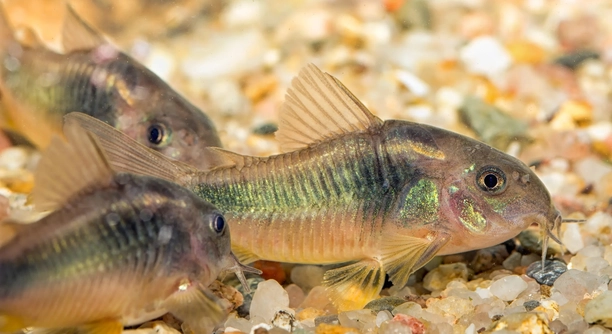
Is your Corydoras catfish swimming with its mouth open more often than usual, making you wonder if something might be wrong?
The most common reason your Corydoras catfish is swimming with its mouth open is due to low oxygen levels in the water. Other possibilities include illness, poor water quality, stress, or gill parasites, among several other concerns.
Each of these theories offers insight into your fish’s behavior and can help guide how you care for your aquatic pet.
Low Oxygen Levels in the Water
When oxygen levels in your tank drop, Corydoras catfish may start swimming with their mouths open as they try to breathe more efficiently. This often happens in tanks with poor aeration or high temperatures. Warmer water holds less oxygen, and without enough water movement, the exchange at the surface becomes limited. Overstocking or a dirty tank can also reduce oxygen. Using an air stone, adjusting the filter output to create surface agitation, and maintaining clean water are key steps to keep levels stable. Always monitor the temperature and avoid letting it climb too high for too long.
Some catfish may hang near the surface or stay unusually still when oxygen is low. These signs usually appear before more serious problems set in.
Testing for dissolved oxygen is helpful, but improving water movement and performing partial water changes are usually enough to fix the issue. Regular maintenance will keep conditions safe.
Stress From Tank Conditions
Stress can also cause Corydoras to swim with their mouths open. Sudden changes or loud environments often contribute to this issue.
Unstable water conditions—such as sudden pH shifts, ammonia spikes, or overcrowding—can cause significant stress. These fish prefer stable, clean tanks with soft substrate and enough space to explore. A sharp shift in parameters, even from a large water change, can be upsetting. It’s important to test water regularly and make changes gradually. Bright lighting or constant activity outside the tank can also disturb them. Creating hiding spots using plants or decorations will help your Corydoras feel secure. If multiple fish show stress signs, review your setup closely. Check filtration, temperature, and stocking levels to ensure they align with the species’ needs. Adding new tank mates too quickly can also upset the balance, so quarantining new fish first is a safe practice. Reducing stress helps prevent illness and keeps your fish active and relaxed.
Gill Parasites and Infections
Gill parasites can make it hard for Corydoras to breathe, causing them to swim with their mouths open. These parasites damage the gill tissue, reducing oxygen absorption and leading to labored breathing and erratic swimming.
Flukes and protozoans are among the most common parasites affecting gills. You might also see your catfish flashing against objects, gasping near the surface, or isolating from tankmates. Infected fish may eat less and appear dull or sluggish. Treatment usually involves medicated baths or tank-wide treatments, depending on the severity. It’s important to diagnose early to avoid long-term damage. Quarantining new fish before introducing them to the main tank can help prevent this issue.
Alongside parasites, bacterial or fungal gill infections can also cause mouth breathing. These are often secondary problems that follow poor water quality or other stressors. Addressing the underlying conditions is essential, and medications may be necessary. Keep up with water changes, avoid overfeeding, and monitor tank parameters. Acting quickly can prevent permanent damage to the gills. If your fish don’t improve within a few days, consult a fish health professional for guidance. Persistent symptoms are a sign that treatment may need to be adjusted or intensified depending on the cause.
Poor Water Quality
Even slight changes in ammonia, nitrite, or nitrate levels can impact Corydoras. When water quality declines, their gills become irritated, making breathing more difficult and leading to open-mouth swimming.
Toxins like ammonia are especially dangerous because they damage gill tissues and reduce the ability to absorb oxygen. This is often seen in tanks that are overcrowded, under-filtered, or cleaned infrequently. Testing your water weekly can help catch problems early. If levels are high, perform partial water changes and check your filter for blockages or reduced flow. Overfeeding can also cause waste buildup, so be sure to feed only what your fish can finish within a few minutes. A well-maintained tank with stable parameters keeps your Corydoras healthy and reduces the risk of respiratory issues. Always cycle a new tank before adding fish, and give the beneficial bacteria time to establish properly before increasing the bio-load.
High Water Temperature
Warm water holds less oxygen, which makes it harder for Corydoras to breathe. When temperatures rise too much, your fish may swim with open mouths, trying to take in more oxygen from the surface or through rapid gill movement.
Temperatures above their comfort range can also increase metabolism, causing them to use more oxygen. Keep the tank between 72°F and 78°F. Use a reliable aquarium thermometer and avoid placing the tank near windows or heat sources that can lead to overheating. A small fan or chiller can help regulate temperature during warmer months.
Swim Bladder Issues
Swim bladder problems can change how Corydoras swim, sometimes forcing them to adjust posture by opening their mouths. These issues may stem from digestive problems, poor diet, or sudden temperature shifts. Affected fish might struggle to stay upright or sink when resting. Feeding shelled peas or fasting can help ease pressure.
Natural Behavior
Corydoras occasionally swim with their mouths open during active periods or feeding. If water quality is good and there are no other symptoms, this may be normal. Brief episodes followed by calm, relaxed behavior are usually nothing to worry about. Keep observing to make sure it doesn’t become frequent.
FAQ
Why is my Corydoras swimming to the top and gulping air?
Corydoras have a special adaptation that lets them breathe atmospheric air, which is normal behavior when done occasionally. However, if they do this often, it may be a sign that the tank lacks proper oxygen levels. Make sure your filter creates surface agitation, check the temperature, and clean the tank regularly to avoid low oxygen conditions. If they’re going up constantly and staying near the surface, test for ammonia, nitrites, and temperature spikes, as poor water quality can make breathing difficult and cause stress.
Can Corydoras breathe air like bettas?
Yes, Corydoras have a modified intestine that allows them to absorb oxygen from air, similar to how labyrinth fish use their labyrinth organ. While it’s not their main method of breathing, it helps them survive in low-oxygen environments. They’ll swim up quickly to gulp air, then return to the bottom. Occasional surfacing is normal, but frequent air gulping should be taken seriously. This behavior becomes more common if the tank is too warm, poorly aerated, or overcrowded.
What does rapid gill movement mean in Corydoras?
Fast or heavy gill movement usually indicates that your Corydoras is struggling to breathe. This can happen due to poor water quality, high temperature, or gill infections. If the gills look inflamed or discolored, it may point to parasites or bacterial issues. Check your water parameters immediately—especially ammonia and nitrite. A small water change, better filtration, or adding an air stone can help reduce this stress. If the issue continues, treating for parasites or infections may be necessary depending on other signs like flashing or loss of appetite.
Can overfeeding cause Corydoras to swim with their mouths open?
Yes, overfeeding can cause digestive problems, which sometimes lead to buoyancy issues or swim bladder stress. This may force the fish to change posture, occasionally resulting in open-mouth swimming. Uneaten food also pollutes the water, increasing ammonia and reducing oxygen levels. Feed them small amounts once or twice a day, and remove uneaten food after 5 minutes. Fasting them for a day or feeding them a shelled pea can help if they seem bloated or unbalanced.
Do Corydoras get stressed easily?
Corydoras are sensitive to sudden changes in their environment. Fast temperature shifts, large water changes, aggressive tank mates, or loud noises can stress them. Signs of stress include erratic swimming, hiding constantly, loss of appetite, and breathing with an open mouth. Providing hiding places, keeping lighting soft, and maintaining a stable, quiet tank setup will help them stay calm. Stress can weaken their immune system and make them more vulnerable to disease, so it’s important to monitor changes carefully.
Is mouth breathing ever considered normal in Corydoras?
Occasional open-mouth swimming is normal if it happens during bursts of activity or after feeding. It’s their way of adjusting to increased movement or mild excitement. However, if your fish keeps its mouth open for long periods or shows signs of labored breathing, investigate the tank conditions. It’s better to catch problems early rather than wait for additional symptoms to appear. Consistent water testing and regular maintenance help prevent these problems from becoming serious.
How do I know if gill parasites are affecting my Corydoras?
Fish with gill parasites often show signs like rubbing against objects, gasping at the surface, or isolating from the group. You might also notice rapid gill movement or inflamed gills. A proper diagnosis usually requires a microscopic exam, but if multiple fish show symptoms, it’s worth treating with a broad-spectrum anti-parasitic medication. Before medicating, confirm your water quality is stable to avoid additional stress. It’s always a good idea to quarantine new fish before adding them to your main tank to prevent introducing parasites.
Final Thoughts
Watching your Corydoras swim with its mouth open can feel concerning, especially if the behavior is new or persistent. While occasional open-mouth swimming may be normal, frequent or prolonged episodes usually point to an issue in the tank. Poor water quality, low oxygen, high temperatures, or illness are all possible causes. Taking a closer look at your tank setup, filtration, and daily care routine can help narrow things down. Simple changes, like increasing surface agitation or keeping water parameters stable, often make a big difference in how your Corydoras feels and behaves.
Corydoras are hardy but sensitive to their environment. When something is off, they show signs through their movement and breathing patterns. A Corydoras swimming with its mouth open is often trying to tell you it’s uncomfortable. Whether it’s related to oxygen levels, stress, or an internal issue like swim bladder trouble, paying attention to these signs is important. Regular water testing, slow and careful feeding routines, and avoiding sudden changes in their environment help keep things steady. Creating a clean, well-oxygenated tank with enough hiding spots also helps reduce stress.
Even if everything looks normal, continue to observe your Corydoras closely. Look for changes in appetite, color, swimming behavior, and interaction with other fish. Consistent behavior and a calm appearance are good signs. If the open-mouth swimming continues despite stable conditions, it may be time to consider a health problem. Acting early helps avoid more serious issues and gives your fish a better chance to recover. With a little attention and care, most problems can be managed or avoided, helping your Corydoras stay healthy and active.

Hello,
If you enjoy the content that we create, please consider saying a "Thank You!" by leaving a tip.
Every little bit helps us continue crafting quality advice that supports the health, happiness, and well-being of pets around the world, for pets of all shapes, sizes, and species.
We really appreciate the kindness and support that you show us!