
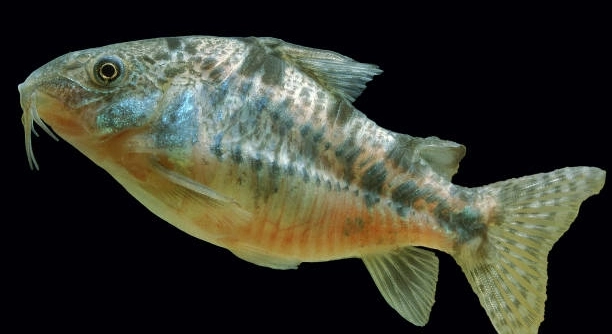
Corydoras catfish are popular aquarium fish, known for their bottom-dwelling habits. However, if you’ve noticed that your catfish is avoiding the tank floor, it might be a sign of something unusual happening.
Corydoras catfish avoiding the bottom of the tank is often caused by stress, illness, water quality issues, or environmental changes. Understanding the reasons behind this behavior can help improve their well-being and restore normal activity patterns.
Identifying the underlying cause is key to getting your Corydoras catfish back to their natural behavior. By examining water quality, tank setup, and possible health concerns, you can provide a better environment for your fish.
Stress from Tankmates or Environment
Stress is one of the leading reasons your Corydoras catfish might avoid the bottom of the tank. These fish are peaceful by nature and thrive in calm environments. If there are aggressive tankmates, loud noises, or rapid movements, it can make them feel unsafe. Tankmates like certain cichlids or fast-moving fish might stress out the Corydoras, causing them to avoid the lower levels of the tank. Changes in the tank’s environment, such as bright lights or sudden temperature fluctuations, can also add to the stress.
Even slight disturbances in their habitat can trigger anxiety in Corydoras, leading them to retreat to safer areas of the tank, like hiding in decorations or near plants. If your catfish is constantly hiding or staying away from the bottom, it’s a clear sign that they are under stress.
To reduce stress, consider keeping the tankmates peaceful and adjusting the lighting and temperature. Ensure they have enough hiding spots and a well-planted tank. If the environment is calm, your Corydoras will likely return to their usual behavior.
Illness or Injury
When Corydoras avoid the bottom, illness or injury could be at play. A common issue for these fish is a fungal or bacterial infection that affects their ability to swim normally.
Injuries or internal parasites can also make movement painful, causing the catfish to seek higher levels of the tank where they feel less vulnerable. If you’ve recently observed any changes in your fish’s appearance, such as swollen areas or unusual swimming patterns, it might be time to check for illness.
If you suspect illness, it’s important to monitor your fish closely and consider isolating it in a quarantine tank. Check for any visible signs like wounds or a bloated abdomen, as these can indicate a health issue. You may also need to treat the tank for diseases to help improve their condition. Keeping the water clean and maintaining proper filtration can also aid in healing.
Poor Water Quality
Water quality plays a huge role in the behavior of Corydoras catfish. If the water is too dirty or the levels of ammonia, nitrites, or nitrates are too high, your fish may avoid the bottom of the tank. Poor water conditions are stressful and can irritate your fish’s skin and gills, making it harder for them to breathe properly.
Regular water changes and proper filtration are essential to keep the water clean and safe. Make sure to test the water frequently for harmful chemicals and adjust accordingly. A tank with poor water quality not only stresses out Corydoras but can also lead to more serious health problems down the line.
In addition to checking for ammonia or nitrites, look out for changes in pH levels or temperature fluctuations. Corydoras are sensitive to these changes, and even slight shifts can cause them to behave differently. Clean the tank regularly and consider using a water conditioner if needed. By ensuring the water quality stays optimal, your Corydoras will feel more comfortable and return to their normal habits.
Tank Setup and Substrate
Corydoras catfish naturally prefer a soft, sandy substrate to sift through. If your tank has sharp rocks or gravel, it can cause injury to their delicate barbels and fins, making them avoid the bottom.
These fish like to scavenge and search for food on the substrate. Sharp or rough surfaces can irritate them and discourage this natural behavior. Additionally, if the substrate is too deep or improperly arranged, it might not provide the catfish with a safe and comfortable place to explore.
To make the tank more suitable for Corydoras, opt for fine sand or smooth gravel. These materials are easier on their barbels and help them feel safe while foraging. Creating gentle slopes and adding hiding spots, such as rocks or plants, will encourage them to use the tank’s bottom more often. If the setup isn’t ideal, your catfish may choose to avoid the area completely.
Overcrowding in the Tank
Overcrowding is another issue that can make Corydoras avoid the bottom of the tank. When there are too many fish in a small space, it creates stress and limits the catfish’s ability to move freely.
If the tank is too crowded, the Corydoras may feel threatened and seek higher areas where they feel safer. Overcrowding can also cause water quality problems, further adding to the stress.
To fix this, make sure your tank is appropriately sized for the number of fish. Give your Corydoras enough space to swim and explore. This will help them feel more at ease and encourage them to return to the bottom.
Tank Lighting
Bright lighting can discourage Corydoras from staying at the bottom of the tank. These fish are naturally more comfortable in low-light environments, where they can feel less exposed.
If your tank has bright or harsh lighting, it can cause stress and make the catfish want to hide or avoid the bottom. Reducing the light intensity or adding some shading to the tank can help create a more natural, secure environment.
Adjust the lighting to suit the needs of your Corydoras. Using softer, dimmer lights will give them the peace they need to feel comfortable and stay at the bottom.
Feeding Behavior
Sometimes, Corydoras catfish avoid the bottom because they aren’t being fed properly. These fish are bottom feeders and rely on food that sinks to the substrate. If food is floating at the surface or in other areas, they might not be able to find it.
Make sure you feed your catfish sinking pellets or other foods that will reach the bottom of the tank. This ensures they get enough to eat and encourages them to spend more time exploring the substrate.
FAQ
Why is my Corydoras catfish swimming near the surface?
Corydoras are bottom dwellers by nature, but if your catfish is swimming near the surface, it may be struggling with water quality or oxygen levels. Poor water quality, such as high ammonia or low oxygen, can cause the fish to move upwards in search of better conditions. Additionally, if the water temperature is too high, your Corydoras may swim closer to the surface to find cooler areas. Check your water parameters, ensure proper filtration, and add an air stone if needed to improve oxygen levels.
Is it normal for Corydoras to hide a lot?
Corydoras are naturally shy fish, so it’s common for them to hide, especially if they feel stressed or threatened. If they are hiding more than usual, it could be a sign of water quality issues, an aggressive tankmate, or illness. They may also seek out hiding spots during the night or when they are feeling vulnerable. To reduce hiding, make sure the tank environment is calm, the water is clean, and there are enough hiding spots for them to feel secure.
How do I know if my Corydoras are stressed?
Stressed Corydoras may exhibit behaviors like swimming erratically, avoiding the bottom, excessive hiding, or showing signs of rapid gill movement. They might also refuse food or become less active. Stress can stem from poor water quality, tankmates, temperature fluctuations, or other environmental changes. Monitoring their behavior closely and ensuring a stable and calm environment can help reduce stress.
What is the best tank setup for Corydoras?
A proper tank setup for Corydoras includes soft, sandy substrate and plenty of hiding places. They prefer a calm environment, so a gentle filter with no strong currents is ideal. Corydoras are social fish and should be kept in groups of at least 3-6 individuals. Ensure the tank has ample plant coverage and caves or other structures for hiding. Water quality should be monitored, and a pH between 6.0 and 7.5 is ideal for these fish.
Can Corydoras live with other fish?
Yes, Corydoras are peaceful and can live with many other species, as long as the tankmates are not aggressive. They do well with smaller, non-aggressive fish such as tetras, guppies, and other peaceful bottom dwellers. Avoid keeping them with large or fast-moving fish that may stress them out. Also, ensure there is enough space for everyone to swim without overcrowding.
Why is my Corydoras rubbing against objects in the tank?
Rubbing against objects, also known as “flashing,” can indicate that your Corydoras is dealing with an irritation or infection. This behavior is often associated with skin parasites, such as ich or external fungal infections. If your catfish is rubbing its body on decorations or the substrate, check for visible signs of illness like white spots or redness. Infected fish may need treatment in a quarantine tank, and you should adjust the water parameters to promote healing.
How often should I feed my Corydoras?
Corydoras are bottom feeders and prefer to eat small amounts of food multiple times throughout the day. Feed them once or twice daily, offering sinking pellets or small food items that will reach the substrate. Be sure to remove any uneaten food to maintain water quality, as leftover food can contribute to ammonia buildup. Adjust the feeding schedule depending on how much your fish consume, ensuring they don’t overeat or go hungry.
Do Corydoras need a special diet?
Corydoras are omnivores, meaning they eat both plant and animal matter. A good diet includes sinking pellets, frozen or live foods like bloodworms and brine shrimp, and occasional vegetable matter like blanched spinach or zucchini. Providing variety in their diet helps ensure they get all the necessary nutrients. Be mindful of overfeeding, as it can lead to poor water quality.
Can I add salt to the water for Corydoras?
Corydoras do not thrive in salty water, as they are freshwater fish. Adding salt to their tank can cause stress or harm them, especially if the salt concentration is too high. If you need to treat for specific conditions like parasites, use aquarium salt with caution, but always check if it’s safe for Corydoras. In general, it’s best to avoid salt unless necessary for medical treatments.
Why are my Corydoras staying at the top of the tank?
If your Corydoras are staying at the top of the tank, it could be a sign of low oxygen levels, poor water quality, or high water temperature. They may be seeking cooler, better-oxygenated areas near the surface. Make sure your filter is functioning properly, and consider adding an air stone or increasing water movement to improve oxygenation. Also, check the water parameters to ensure they are within the safe range for your Corydoras.
How can I prevent my Corydoras from getting sick?
The best way to prevent illness in Corydoras is by maintaining optimal water quality. Regular water changes, proper filtration, and testing water parameters like ammonia, nitrite, nitrate, and pH are key. Additionally, avoid overcrowding the tank and ensure there are no aggressive fish that might stress them. A well-maintained tank with a balanced diet and stable conditions will help keep your Corydoras healthy and reduce the chances of disease.
Final Thoughts
Corydoras catfish are generally hardy and low-maintenance fish, but like all aquarium pets, they require proper care to thrive. If your Corydoras are avoiding the bottom of the tank, it’s important to pay attention to the environment and their behavior. Many factors, such as stress, poor water quality, and improper tank conditions, can lead to this kind of behavior. By identifying the cause, you can make adjustments to improve their well-being and encourage them to return to their usual bottom-dwelling habits.
Maintaining a clean and stable tank environment is essential for the health of Corydoras. Regular water changes, monitoring water parameters, and using appropriate filtration can prevent many common issues that lead to stress or illness. Ensuring that the tank setup is suitable, with a gentle filter, soft substrate, and hiding spots, will also make a significant difference in how comfortable your Corydoras feel. It’s also crucial to check for signs of illness or injury and take action if necessary. Early intervention can prevent minor issues from becoming more serious.
Overall, caring for Corydoras involves paying attention to their needs and making sure their environment is conducive to their natural behavior. By keeping the water clean, offering the right food, and ensuring a peaceful tank setup, your Corydoras can live a long, healthy life. If they are avoiding the bottom of the tank, don’t ignore the signs; take the time to observe their behavior and make the necessary changes. A little attention to detail can go a long way in making sure your Corydoras stay happy and healthy.

Hello,
If you enjoy the content that we create, please consider saying a "Thank You!" by leaving a tip.
Every little bit helps us continue crafting quality advice that supports the health, happiness, and well-being of pets around the world, for pets of all shapes, sizes, and species.
We really appreciate the kindness and support that you show us!