
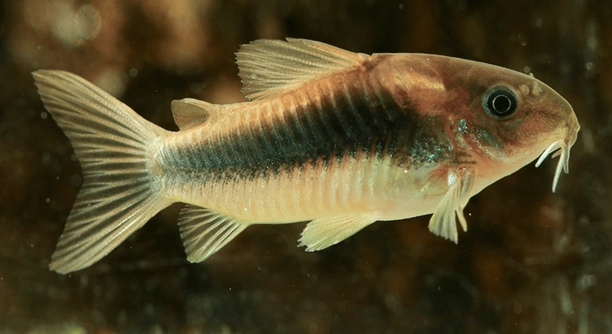
Corydoras catfish are known for their active, playful nature, but occasionally, you might notice them sleeping more than usual. Understanding the reasons behind this behavior is important for maintaining their health and well-being in your aquarium.
Several factors can lead to your Corydoras catfish sleeping more than usual. Common causes include stress, poor water quality, temperature fluctuations, or even illness. These factors can affect your fish’s activity levels, causing them to rest more frequently.
Understanding these factors will help you keep your Corydoras catfish happy and healthy in the long run.
Stress and Anxiety
Corydoras catfish, like most fish, can experience stress, which may cause them to sleep more than usual. Stress in fish can be triggered by various factors, such as loud noises, aggressive tank mates, or overcrowded aquariums. When your Corydoras feel unsafe or uncomfortable, they may retreat to a quiet area, spending more time resting or hiding. Stress affects their immune system, making them more susceptible to illness. If your Corydoras are stressed, they may exhibit signs such as erratic swimming or hiding more often than usual.
Stress can significantly impact your Corydoras catfish’s behavior. It’s crucial to monitor the tank environment, ensuring it’s peaceful and spacious enough for your fish to feel secure. Reducing stress is key to maintaining their overall health and activity levels.
To manage stress, consider the tank’s layout and ensure it’s suitable for your fish’s needs. Adding hiding spots and removing aggressive tank mates can help create a calm, safe space where your Corydoras can feel secure and less likely to rest excessively.
Poor Water Quality
Water quality is essential to the health of any fish, including Corydoras catfish. Poor water conditions, such as high ammonia or nitrate levels, can lead to discomfort and fatigue, causing your fish to sleep more. Corydoras are particularly sensitive to water quality changes, and if the water isn’t clean or properly filtered, they may become lethargic. Frequent water changes and proper filtration are necessary to maintain optimal water conditions for your fish.
Your Corydoras catfish rely on clean water to stay active and healthy. If they are sleeping more than usual, checking the water parameters can help identify any underlying issues. Regular water testing ensures your fish live in an environment that supports their well-being.
Temperature Fluctuations
Temperature changes can affect your Corydoras catfish’s activity levels. If the water is too warm or too cold, your fish may slow down and rest more. Corydoras thrive in stable water temperatures, typically between 72°F and 79°F. Sudden shifts outside this range can stress them, causing them to become lethargic.
To maintain a consistent temperature, it’s essential to use a reliable aquarium heater with a thermostat. Regularly check the water temperature to ensure it remains within the optimal range. If the tank is near a drafty window or air conditioning unit, consider relocating it to a more stable spot.
Even slight temperature shifts can cause discomfort. If you notice your Corydoras catfish sleeping more than usual and your tank temperature is fluctuating, adjusting the environment can help restore their activity levels. Stable water temperature is vital for promoting their health and ensuring they remain lively.
Illness or Injury
If your Corydoras catfish is sleeping more, it could be due to illness or injury. Just like any other fish, Corydoras are vulnerable to a variety of health issues, including parasites, bacterial infections, and physical injuries. When they’re unwell, they tend to rest more to conserve energy and recover.
Watch for other signs of illness, such as faded colors, abnormal swimming, or visible wounds. If your Corydoras appear lethargic and are not responding as they usually would, it’s crucial to inspect them for potential health issues. Early detection can make a difference in successful treatment.
In some cases, illness might be subtle, so closely monitor your fish for changes in behavior. If they are sleeping excessively and showing signs of distress, seeking advice from an aquarium professional or vet may help ensure they get the care they need to recover.
Overfeeding
Overfeeding can cause Corydoras catfish to become lethargic. Excess food in the tank leads to poor water quality and can contribute to digestive issues for your fish. As they struggle to process the excess food, they may sleep more to conserve energy.
Ensure you’re feeding your Corydoras only what they can consume in a few minutes. Removing leftover food after feeding helps prevent it from affecting water quality. Keep their diet varied and balanced to avoid overfeeding, and adjust portions based on the number of fish in your tank.
Tank Size and Space
Corydoras catfish are active swimmers and need adequate space to move around. In cramped tanks, they may feel restricted, which could cause them to rest more often. Having enough room helps them remain active and healthy, avoiding stress and fatigue.
A spacious tank not only gives your Corydoras more room to swim, but it also provides ample hiding spots, making them feel safe. Ensure your tank size suits the number of fish, and be mindful of overcrowding, which can affect water quality and your fish’s activity levels.
Natural Sleep Cycle
Corydoras catfish, like most animals, have a natural sleep cycle. They are primarily nocturnal and may sleep during the day, becoming more active at night. This behavior is normal and doesn’t necessarily indicate any health issues.
Monitor your fish during their active hours, usually at night. If your Corydoras catfish are sleeping during the day but are lively at night, they are likely following their natural pattern. If they appear lethargic during both day and night, then it may be worth investigating other factors.
FAQ
Why is my Corydoras catfish staying still at the bottom of the tank?
Corydoras catfish naturally spend time at the bottom of the tank, as they are bottom-dwelling fish. However, if they are staying still for longer periods, it could be due to stress, poor water quality, or illness. Check the water conditions, ensure they are not overcrowded, and monitor their behavior for any signs of disease. If they remain still even after improvements in tank conditions, consider consulting an aquarium professional for advice.
What temperature should my Corydoras catfish tank be?
Corydoras catfish thrive in water temperatures ranging from 72°F to 79°F (22°C to 26°C). If the temperature falls outside this range, they may become lethargic, stressed, or even ill. Use a reliable aquarium heater to maintain a consistent temperature and avoid temperature fluctuations, which can negatively impact their health and behavior.
How can I reduce stress in my Corydoras catfish?
To reduce stress, create a peaceful tank environment. Avoid aggressive tank mates and provide plenty of hiding spots where your Corydoras can retreat when they feel threatened. Maintain clean water with proper filtration and perform regular water changes. Also, ensure the tank is not overcrowded, as too many fish can increase stress levels.
Is it normal for Corydoras catfish to sleep during the day?
Yes, it’s normal for Corydoras catfish to sleep during the day, as they are primarily nocturnal. They may rest or be less active during daylight hours and become more active at night. As long as they are healthy, this is simply a part of their natural behavior. If they seem excessively inactive at both times, there may be another issue to address.
Can poor water quality make my Corydoras catfish sleep more?
Yes, poor water quality is a common reason for lethargy in Corydoras catfish. High levels of ammonia, nitrites, or nitrates in the water can stress your fish and cause them to rest more often. Perform regular water tests to monitor these levels, and make sure to change the water frequently to maintain a clean environment for your fish.
How much should I feed my Corydoras catfish?
Overfeeding can cause health issues for your Corydoras, including lethargy. Feed them small amounts of food that they can consume within a few minutes, usually once or twice a day. Remove any uneaten food after feeding to avoid water contamination. Adjust the amount based on the number of fish and their activity levels.
How do I know if my Corydoras catfish is sick?
Signs of illness in Corydoras catfish include changes in color, lesions, rapid gill movement, abnormal swimming patterns, or a lack of interest in food. If you notice these signs, it’s essential to address the issue quickly. Isolate the affected fish if necessary, check the water conditions, and consider seeking advice from an aquarium professional or veterinarian for diagnosis and treatment.
Why does my Corydoras catfish seem to be hiding all the time?
Hiding behavior can occur for several reasons. Corydoras may hide due to stress, illness, or discomfort caused by poor water quality. Providing more hiding spaces in the tank or reducing tank stressors can help. If the hiding persists or is accompanied by other signs like loss of appetite, monitor the situation closely for possible health issues.
Can Corydoras catfish live in colder water?
Corydoras catfish prefer warmer water temperatures, and living in water that is too cold can cause them to become sluggish or even sick. While they may survive in colder water for a short time, it’s best to keep the tank temperature within the ideal range of 72°F to 79°F (22°C to 26°C) for their long-term health.
Should I be concerned if my Corydoras catfish isn’t swimming around as much?
Reduced activity can be a sign of stress, illness, or environmental issues like poor water quality or temperature fluctuations. Check the water parameters, ensure the tank is peaceful, and observe for any other signs of illness. If your Corydoras continue to be inactive, it may be a good idea to seek expert advice.
Can Corydoras catfish tolerate high levels of ammonia or nitrates?
Corydoras catfish are sensitive to ammonia and nitrates, and high levels can cause stress and lead to health problems. It’s crucial to regularly monitor water conditions and perform water changes to keep ammonia and nitrate levels in check. Using a high-quality filtration system can also help maintain a clean environment for your fish.
How often should I change the water in my Corydoras tank?
Regular water changes are essential to maintain good water quality. Aim for 25-30% water changes once a week. If you have a heavily stocked tank or notice deteriorating water quality, you may need to perform changes more frequently. Be sure to treat the new water before adding it to the tank to avoid introducing harmful substances.
Do Corydoras catfish need a specific type of substrate?
Corydoras catfish prefer soft, sandy substrates as they spend a lot of time rooting through the bottom. Sharp gravel can damage their sensitive barbels, so it’s best to use smooth sand or fine gravel. The right substrate will help mimic their natural environment and promote healthier behavior.
Is it normal for Corydoras catfish to be inactive after a water change?
Corydoras catfish may exhibit temporary inactivity after a water change, especially if the water temperature or parameters changed significantly. This should only last for a short period. If they remain inactive for longer, check the water quality, temperature, and overall tank conditions to ensure everything is stable.
Can Corydoras catfish be kept with other fish?
Corydoras catfish are peaceful and can be kept with a variety of other non-aggressive fish. Avoid placing them with large, predatory fish that may stress or harm them. Ideal tank mates include small tetras, guppies, and other peaceful bottom dwellers. Ensure the tank is large enough to accommodate all fish comfortably.
What should I do if my Corydoras catfish is acting unusually?
If your Corydoras catfish is acting unusually, such as swimming erratically, hiding excessively, or showing signs of illness, it’s important to take action quickly. Check the water quality, temperature, and tank environment. Isolate the affected fish if necessary, and consult an expert or veterinarian if needed.
Final Thoughts
Corydoras catfish are generally hardy and low-maintenance fish, but several factors can influence their behavior, including how much they sleep. While they may occasionally rest more than usual due to their natural sleep patterns, it is essential to monitor for any signs of stress or illness. If your Corydoras are sleeping more frequently, it’s a good idea to assess the tank environment, water quality, and their diet. Sometimes, minor adjustments can make a significant difference in their overall well-being and energy levels.
Addressing issues like overfeeding, poor water quality, and tank size can help reduce the chances of your fish becoming too lethargic. Ensuring that their environment is peaceful, with adequate space and hiding spots, can also help your Corydoras feel more secure and active. Regular water changes, proper filtration, and appropriate temperature maintenance are key to preventing many of the common causes of lethargy. By keeping these factors in check, your Corydoras catfish can thrive in their environment and enjoy their natural behavior.
Ultimately, observing your Corydoras catfish and understanding their needs will guide you in providing the best care possible. Every tank is unique, so be mindful of their habits and adjust their environment when necessary. If they seem unusually inactive or show signs of illness, it’s essential to act quickly to resolve any problems. With a bit of attention and regular maintenance, your Corydoras will remain healthy, happy, and active for years to come.

Hello,
If you enjoy the content that we create, please consider saying a "Thank You!" by leaving a tip.
Every little bit helps us continue crafting quality advice that supports the health, happiness, and well-being of pets around the world, for pets of all shapes, sizes, and species.
We really appreciate the kindness and support that you show us!