
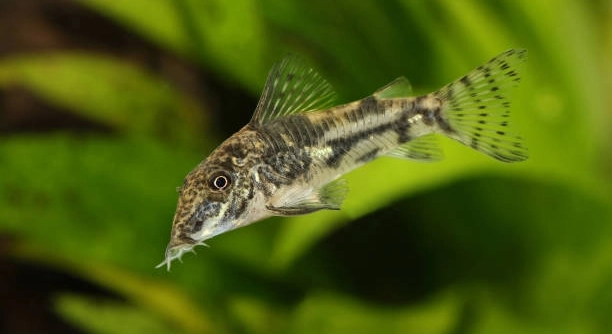
Corydoras catfish are typically known for staying near the bottom of the tank. However, sometimes they begin to show a sudden interest in the surface, which may seem unusual. Understanding this change can help improve their care.
Corydoras catfish may swim to the surface for several reasons, including low oxygen levels, hunger, stress, or health issues. These fish are sensitive to changes in their environment, and their behavior often reflects their immediate needs.
Several factors can contribute to this behavior, from water quality to their diet. Understanding these insights can help address the issue and ensure your Corydoras stays healthy.
Oxygen Levels and Water Quality
When your Corydoras catfish starts spending more time near the surface, it could be a sign of low oxygen levels in the water. These fish prefer environments with plenty of dissolved oxygen, especially since they are bottom dwellers by nature. If the water becomes oxygen-deprived, they may swim up to get more air. Poor water circulation or overstocking the tank can also reduce oxygen levels.
Another factor to consider is water temperature. Warm water holds less oxygen, so if your tank is too warm, it may be harder for the fish to breathe. Regular water changes and proper filtration can improve water quality and oxygen levels, helping to keep your Corydoras comfortable.
Ensure your aquarium is well-maintained to provide a healthy environment for your fish. If the water quality is compromised, not only will it affect your Corydoras, but it can also lead to stress or illness. Keep the water fresh with regular checks on temperature, filtration, and oxygen levels. This will keep your fish happy and help prevent strange surface-seeking behavior.
Hunger and Feeding Habits
Another reason your Corydoras may be near the surface is hunger. These fish are bottom feeders, but when they get hungry, they may swim up to find food. It’s not uncommon for them to exhibit this behavior when their usual feeding areas are not providing enough food.
Overfeeding can also be an issue. If your Corydoras can’t find food near the bottom, they might start swimming to the surface in search of anything they can nibble on. Make sure your feeding habits are balanced to avoid both underfeeding and overfeeding.
Be mindful of portion control when feeding your Corydoras. Offering food that sinks to the bottom will ensure they can easily access their meals. You can try feeding them sinking pellets or other foods designed for bottom-feeding fish to encourage healthy eating habits and prevent them from seeking food at the surface.
Stress and Environmental Changes
Stress is another common reason why Corydoras might swim to the surface. Changes in their environment, like a sudden temperature shift, new tank mates, or a noisy area, can make them feel unsafe. This behavior often signals that the fish are uneasy about their surroundings.
If you’ve recently added new decorations, plants, or changed the water, it might cause some discomfort for your Corydoras. Fish are sensitive creatures, and any unfamiliar change can make them stressed. Be sure to monitor their behavior and look for other signs of distress. If things are too disruptive, it might cause your fish to seek refuge near the surface.
To reduce stress, it’s essential to maintain a stable environment. Avoid making frequent changes to their tank, and keep things consistent. This stability can help your Corydoras feel more secure and stay closer to the bottom, where they are naturally comfortable.
Illness and Health Problems
Sometimes, when Corydoras swim to the surface, it may indicate an underlying health issue. Respiratory infections or gill problems can make it difficult for the fish to breathe properly, prompting them to go to the surface for air. Keep an eye on their gill movement and overall behavior.
If you notice signs like labored breathing, lethargy, or faded colors, it’s a good idea to check water parameters and ensure everything is within the ideal range. Poor water quality, parasites, or a bacterial infection can affect your fish’s ability to breathe. Make sure your tank is clean, and seek veterinary help if needed.
A healthy Corydoras should swim happily near the bottom, but if they are frequently at the surface, it’s important to address the potential health problems. Proper treatment and water care can help your fish recover and return to their usual habits.
Poor Water Circulation
If your Corydoras are spending more time at the surface, it could be due to poor water circulation. Stagnant water makes it hard for them to get enough oxygen, causing them to seek out areas where the water may be moving more.
Improving the flow in your aquarium can help. Adding a powerhead, adjusting the filter’s position, or rearranging decorations to allow better water movement can ensure your fish have access to properly oxygenated water. A tank with better circulation also helps maintain a healthier environment overall.
Temperature Fluctuations
Corydoras are sensitive to temperature changes. If the water temperature fluctuates too much, they may head to the surface to escape or find more oxygen. Keeping the water at a consistent temperature is essential for their well-being.
A reliable aquarium heater and thermometer can help maintain a stable environment. Avoid placing your tank in direct sunlight or near heat sources, as these can cause temperature spikes. Keep the tank’s temperature within the optimal range for Corydoras, typically between 72-78°F (22-26°C), to reduce stress.
Lack of Shelter or Hiding Spots
Corydoras are shy and prefer having plenty of hiding spots in the tank. If there are not enough places for them to feel secure, they might swim to the surface. Providing plants, caves, or other hiding spaces can reduce anxiety and encourage natural behavior.
FAQ
Why do Corydoras swim to the surface at night?
Corydoras may swim to the surface at night due to a variety of reasons, such as low oxygen levels, hunger, or an unsuitable environment. In the dark, these fish can be more sensitive to changes and might swim up for more oxygen or food. It’s crucial to check your tank’s oxygen levels and ensure your filtration system works properly. Additionally, ensure they’re being fed appropriately, with sinking foods that match their natural foraging habits. If the behavior persists, monitor their water quality and stress levels.
Can water temperature affect Corydoras’ behavior?
Yes, Corydoras are sensitive to water temperature. If the temperature rises or fluctuates too much, it can lead to stress, which might cause them to swim to the surface. They prefer stable temperatures between 72-78°F (22-26°C). Any sharp temperature changes can force them to look for better conditions at the surface. Keeping the tank in a stable environment will help them feel more secure and prevent unnecessary surface-seeking behavior.
How do I know if my Corydoras are stressed?
Stress in Corydoras is usually evident through changes in behavior, such as swimming at the surface more than usual, hiding, or displaying a lack of appetite. You might also notice signs like faded colors, rapid gill movement, or erratic swimming patterns. Environmental factors like poor water quality, overcrowding, or aggression from tank mates can cause stress. Regularly testing water parameters and making sure the tank setup is peaceful and stable can reduce stress.
Should I worry if my Corydoras are at the surface?
Not necessarily. Corydoras can occasionally swim to the surface, especially if they’re looking for more oxygen or food. However, if this behavior becomes frequent or if they’re visibly stressed, it’s important to check water parameters, temperature, and their general health. Excessive time at the surface can indicate an issue that requires attention. It’s always good to observe them for other signs of distress or health problems.
How can I improve oxygen levels in my aquarium?
To increase oxygen levels in your aquarium, you can improve water circulation and surface agitation. This can be done by adjusting the filter, adding an air pump, or positioning a powerhead. You can also make sure that plants are growing well, as they release oxygen during photosynthesis. Regular water changes can also help maintain good oxygen levels. Additionally, ensure that the water temperature is not too high, as warm water holds less oxygen.
Can I use air stones to help my Corydoras?
Yes, air stones are a simple and effective way to improve oxygen levels in your tank. By releasing small bubbles, air stones help create surface agitation and increase water oxygenation. This can be especially beneficial if your tank is overstocked or has poor water circulation. Just make sure the bubbles aren’t too strong, as Corydoras prefer calm waters and can get stressed in very turbulent conditions.
What should I do if my Corydoras are sick?
If your Corydoras seem sick and are spending more time near the surface, it’s important to first check water quality. Poor water parameters can stress fish and make them more susceptible to illness. If the water is fine, observe their behavior closely for signs of illness, such as sluggishness, loss of appetite, or discolored gills. If they seem unwell, isolate them in a quarantine tank and treat for possible infections. Always keep their environment clean and monitor their health regularly.
How do I prevent Corydoras from being stressed by new tank mates?
Introducing new tank mates can stress Corydoras, especially if the new fish are aggressive or too active. It’s important to introduce them slowly and ensure that the new fish are compatible with your Corydoras. Add hiding spots and plants to give your Corydoras a sense of security and minimize stress. Watch for signs of aggression, such as chasing or fin nipping. If necessary, separate any fish that are causing stress.
How often should I feed my Corydoras?
Corydoras should be fed once or twice a day, with small portions to avoid overfeeding. They are bottom feeders, so provide sinking pellets, tablets, or frozen foods that they can easily access. Make sure to remove any uneaten food after a few hours to maintain water quality. Overfeeding can lead to poor water conditions and obesity, while underfeeding can cause malnutrition. Finding the right balance will help keep your Corydoras healthy and happy.
Can I keep Corydoras with other species?
Yes, Corydoras are peaceful fish and usually get along well with other species, especially if they are calm and non-aggressive. They do best in groups of at least three or more, and a tank with plenty of hiding spots is ideal. Avoid aggressive fish that might nip at their fins or stress them out. Some good tank mates for Corydoras include tetras, guppies, and mollies, but always research the compatibility of specific species before adding them to your tank.
Final Thoughts
Corydoras catfish are generally peaceful and bottom-dwelling fish that thrive in a stable and healthy environment. If you notice that your Corydoras are spending more time at the surface, it is important to understand the potential causes behind this change. Many factors, such as poor water quality, low oxygen levels, temperature fluctuations, or hunger, can cause this behavior. By paying close attention to these factors, you can help ensure your fish remain happy and healthy in their environment.
The first step to addressing this behavior is to check your tank’s water parameters. Regular testing for temperature, pH, ammonia, nitrites, and nitrates is essential. If any of these values are off, it can stress your fish and cause them to swim towards the surface. Water circulation is another key factor. A well-circulated tank with proper filtration helps ensure that oxygen levels are sufficient for your Corydoras. If your tank is stagnant or if there’s little water movement, adding an air pump or adjusting the filter can improve the situation.
Finally, it’s important to keep your Corydoras well-fed with sinking foods that meet their dietary needs. Overfeeding or underfeeding can affect their behavior and overall health. Ensuring they have enough hiding spots in the tank will also help reduce stress, as these fish prefer to feel secure. If your Corydoras are frequently near the surface and the water conditions are in check, it may be a sign of illness or stress that requires attention. By addressing these issues, you can keep your Corydoras comfortable and prevent long-term health problems. With the right care, your Corydoras can continue to thrive in their home and enjoy a stress-free environment.

Hello,
If you enjoy the content that we create, please consider saying a "Thank You!" by leaving a tip.
Every little bit helps us continue crafting quality advice that supports the health, happiness, and well-being of pets around the world, for pets of all shapes, sizes, and species.
We really appreciate the kindness and support that you show us!