
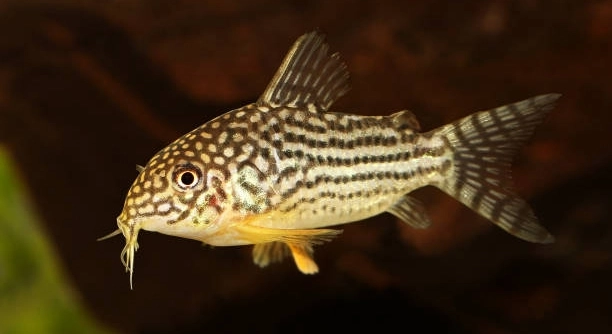
Is your Corydoras catfish constantly swimming up and down against the glass, making you wonder what might be wrong in the tank?
The most common reason Corydoras swim against the glass is environmental stress, such as poor water quality, lack of enrichment, or social imbalance. This repetitive behavior often signals discomfort or a need for changes in their surroundings.
Understanding why your catfish acts this way can help improve its environment and ensure it feels secure and healthy in the aquarium.
Your Corydoras Is Reacting to Water Quality
Corydoras catfish are sensitive to changes in their water conditions. If the water quality drops, they can become restless and start swimming up and down the glass. This is often a sign that ammonia or nitrite levels have spiked, or the water is too warm or too cold. Regular testing helps identify problems early, and weekly water changes keep levels stable. Make sure the tank is well-filtered and not overstocked. These catfish also need oxygen-rich water, so adding an air stone or increasing surface agitation may help. A stable, clean environment usually calms their behavior over time.
If your catfish keeps pacing even after water changes, check the filter and review recent changes in the tank setup.
Corydoras thrive in tanks with clean, stable water. If they show signs of stress, it’s a good idea to double-check water parameters using a test kit. Addressing issues early prevents long-term harm to your fish.
It May Be Looking for Companionship
Corydoras are social fish and don’t do well on their own.
These catfish naturally form shoals in the wild and feel safer in groups. If you only have one or two in your tank, that might be why one is pacing the glass. Swimming along the sides could be a sign it’s searching for others. A group of at least five to six Corydoras creates a sense of comfort and reduces anxious behavior. With enough tank space and a soft substrate, they’ll interact more naturally—resting together, foraging, or darting around playfully. When kept alone, they often appear nervous or hyperactive. Adding more Corydoras to the group usually leads to a calmer, more confident tank presence. Even if they’re different varieties, most Corydoras recognize others of their kind and respond positively to their company. Making this adjustment can help your catfish settle down and engage more with its surroundings.
It’s Responding to Its Reflection
Glass can reflect light in certain conditions, and your Corydoras might mistake its own reflection for another fish. This can lead to confusion and repeated swimming along the glass in an attempt to interact or defend territory.
This behavior is more common in brightly lit tanks or those placed near windows where reflections are stronger. Corydoras are peaceful fish, but they can still react to what they think is another presence in their space. Reducing tank lighting, adjusting the angle of the tank, or placing a background on the glass can help minimize reflections. This simple change often leads to a noticeable improvement in behavior. If the catfish stops pacing and begins spending more time foraging or resting, it’s likely the reflection was the issue. Observing its actions after these changes helps confirm whether it was reacting to its own image or something else in the environment.
Even small changes in lighting can influence how your tank appears to your fish. If your Corydoras starts pacing at specific times of day, it might be reacting to natural light or artificial reflections. Using an opaque background or moving the tank away from strong light sources can make the environment feel more secure. A consistent lighting schedule helps reduce stress and prevents the water surface from reflecting sudden brightness. Fish respond well to predictable surroundings, and once the visual distractions are removed, they often settle into a more relaxed pattern. Keeping an eye on when the pacing occurs can help you identify if light and reflection are really the source of the problem.
The Tank Is Too Small or Lacks Enrichment
A tank that’s too small can make your Corydoras feel trapped. This restlessness often shows up as glass surfing, especially when there’s little space to explore or nothing stimulating in the environment.
Corydoras are active bottom dwellers that enjoy exploring their surroundings. When kept in a bare or cramped tank, they can become stressed and start swimming against the glass in frustration. A proper setup should include soft substrate like sand, driftwood, hiding spots, and plants. These additions give them places to rest, explore, and feel secure. A 20-gallon tank or larger works better for a small group. If your tank is undersized, consider upgrading to give them more space. You can also rotate decorations every few weeks to keep things interesting. This doesn’t overwhelm them but offers gentle enrichment. A stimulating environment can dramatically improve their behavior and overall well-being, helping them settle and act more naturally.
It’s Reacting to Sudden Changes in the Environment
Changes like a recent water change, a new tankmate, or a shift in temperature can cause stress. Corydoras often show this by swimming along the glass, trying to escape the unfamiliar conditions or find a safe zone.
Keeping the tank stable and consistent helps reduce stress. Avoid making too many changes at once, and always acclimate new fish slowly. A sudden shift in routine can make them anxious and restless.
Your Corydoras Is Bored or Understimulated
When Corydoras lack mental stimulation, they may start glass surfing out of boredom. Adding live plants, leaf litter, and hiding spots can help. A varied environment gives them places to explore and keeps them engaged. Even rotating decorations occasionally makes a big difference in their daily activity. These fish enjoy sifting through sand and poking around for food, so adding a shallow dish with sinking pellets or frozen treats encourages natural behavior. When they’re entertained and feel safe, they tend to stop pacing and return to their usual playful, peaceful selves.
There’s Not Enough Flow in the Tank
Corydoras like a gentle current that mimics streams. Without enough flow, the water can feel stagnant, making them unsettled. A sponge filter or small powerhead can improve circulation without stressing them out.
FAQ
Why does my Corydoras keep swimming up and down the same spot?
This repetitive swimming behavior, often called glass surfing, usually means your Corydoras is stressed or trying to communicate discomfort. It could be reacting to poor water quality, boredom, or the lack of companions. In many cases, the tank setup may be too bare, too small, or missing key features that make the fish feel safe and stimulated. Corydoras naturally explore the bottom of the tank, so when they keep swimming against the glass, it’s usually a sign that something in their environment isn’t right. Identifying the cause early helps avoid long-term stress or health issues.
How many Corydoras should I keep together?
Corydoras are schooling fish and do best in groups. The general recommendation is to keep at least five or six together. Being around others of their kind helps them feel secure and promotes natural behavior like group foraging and resting. If kept alone or in very small numbers, they may become skittish, hide more often, or display erratic swimming patterns. Even different types of Corydoras will often school together, so mixing species can still offer social comfort. A properly sized group makes the tank more active and helps prevent pacing or glass swimming.
Can poor lighting affect my Corydoras’ behavior?
Yes, lighting that’s too bright or inconsistent can cause stress. Corydoras prefer low to moderate lighting, especially when paired with plenty of cover like plants and decorations. Bright lights with no hiding spots may make them feel exposed, which can lead to them constantly searching for shelter—sometimes by swimming up and down the tank sides. Try using floating plants or dimming the lights a bit. A soft light cycle, such as 8 to 10 hours a day, helps keep their behavior balanced and natural.
What is the ideal water temperature for Corydoras catfish?
Most Corydoras thrive in temperatures between 72°F and 78°F (22°C to 26°C). Going outside this range may cause them to behave oddly or become stressed. If the water is too warm, they might become overly active or restless. Too cold, and they can become sluggish or start searching for warmer areas—often by pacing the tank walls. Using a reliable heater and thermometer can help maintain a steady temperature. Make sure any adjustments to the water temperature are done gradually to avoid shocking them.
Do Corydoras need a filter with strong flow?
Corydoras do well with moderate water flow, but too much current can tire them out or push them around. A sponge filter or a gentle hang-on-back filter with a baffled outflow is usually enough. They enjoy slight movement in the water that mimics their natural stream environments, but they don’t need powerful currents. Too little flow, on the other hand, can lead to poor oxygen levels and uneven water conditions, which also causes stress. Watching how they swim can help you judge if the current is too strong or just right.
Is it normal for Corydoras to swim at the surface?
Occasional trips to the surface are normal for Corydoras because they have a special ability to breathe air. But if they’re constantly swimming up to gulp air or pacing along the surface, it could mean the tank has low oxygen levels. You can improve this by increasing surface agitation with an air stone or adjusting the filter’s output. Warmer water holds less oxygen, so make sure the tank isn’t overheating. In a well-balanced tank, they should spend most of their time along the bottom with only occasional surface visits.
Should I worry if my Corydoras swims against the glass but still eats normally?
If your Corydoras is eating and interacting normally otherwise, the glass swimming may just be temporary or caused by minor boredom. Still, it’s worth double-checking the water parameters, tank size, and group size. Even subtle stress can build over time, so small improvements like adding decorations, adjusting lighting, or increasing their group size can help. Keep an eye on any changes in their behavior. If it continues or worsens, it’s best to reevaluate their environment more closely.
Do Corydoras get along with other fish?
Yes, Corydoras are peaceful and do well with many community fish. They’re bottom dwellers and usually stay out of the way of top and mid-level swimmers. Ideal tankmates include tetras, rasboras, guppies, and small gouramis. Avoid aggressive or overly active species that might bully them or outcompete them for food. Because they’re sensitive to poor water conditions, it’s important to pair them with fish that also thrive in clean, stable environments. A calm tank with compatible species keeps stress low and makes your Corydoras feel more at ease.
Final Thoughts
Watching your Corydoras swim against the glass can be concerning, but it’s often a sign that something in the tank needs attention. This behavior is usually linked to stress, which can come from poor water quality, boredom, tankmates, or even changes in lighting. Since Corydoras are bottom-dwelling fish that enjoy peaceful environments and social interaction, it’s important to keep their surroundings as stable and comfortable as possible. A group of at least five or six Corydoras is ideal for supporting their natural instincts and reducing stress-related behaviors.
Simple adjustments can make a big difference. Start by testing your water regularly and keeping your tank clean. Make sure the temperature, pH, and hardness are within the right range for Corydoras. Adding plants, hiding spaces, and a soft substrate can help them feel more at ease. If your lighting is too bright, try softening it with floating plants or a dimmer. Also, avoid overcrowding the tank, and choose tankmates that are calm and non-aggressive. If your Corydoras still swims against the glass after making changes, observe them closely for other signs of distress, like loss of appetite or sluggish behavior.
Corydoras are active, social fish that thrive in a well-maintained environment. Their behavior can be a useful way to understand what’s going on in the tank. When something feels off, they tend to let you know—often by swimming up and down the glass. This habit is not always dangerous, but it should be taken seriously. Keeping them in a peaceful, balanced setup with the right conditions helps prevent stress and promotes natural behaviors. Over time, your Corydoras should settle into a comfortable rhythm, exploring the bottom of the tank, foraging, and interacting with their group. Paying close attention to their habits and adjusting your tank as needed can go a long way toward keeping them happy and healthy.

Hello,
If you enjoy the content that we create, please consider saying a "Thank You!" by leaving a tip.
Every little bit helps us continue crafting quality advice that supports the health, happiness, and well-being of pets around the world, for pets of all shapes, sizes, and species.
We really appreciate the kindness and support that you show us!