
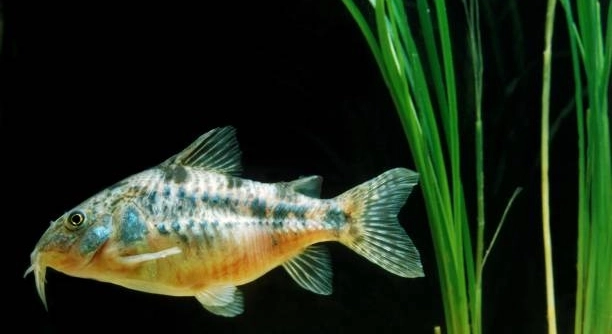
Corydoras catfish are active and peaceful aquarium inhabitants, but when they breathe too fast, it could signal underlying issues. Understanding the reasons behind rapid breathing can help you take better care of your fish and improve their environment.
The most common causes of rapid breathing in Corydoras catfish include poor water quality, low oxygen levels, high temperatures, stress, disease, overcrowding, or improper tank conditions. These factors can affect their gills and overall well-being.
Managing water quality and ensuring a healthy tank environment are crucial steps to maintain your Corydoras’ health.
Poor Water Quality
Water quality plays a significant role in the health of your Corydoras catfish. High levels of ammonia, nitrites, or nitrates can irritate their gills, making them breathe faster. Regular water changes and monitoring water parameters will help avoid this problem. Corydoras catfish thrive in clean, well-maintained environments with stable water conditions.
Consistently test water levels and make sure your filtration system is up to task. If ammonia or nitrites rise, consider performing a partial water change immediately to improve water conditions.
Filtration is key for maintaining water quality. A strong filter that suits the size of your tank will help keep harmful substances in check. In addition, regular cleaning of the tank and replacing water often can reduce the accumulation of harmful compounds, providing a safer, more comfortable space for your Corydoras catfish.
Low Oxygen Levels
Corydoras catfish are sensitive to low oxygen levels. Inadequate oxygen can cause them to breathe faster to compensate for the lack of oxygen.
Ensure your aquarium has good aeration. Airstones or surface agitation from a filter can help oxygenate the water, especially in heavily stocked tanks. Regular maintenance is necessary to keep oxygen levels stable.
High Temperatures
High water temperatures can stress your Corydoras catfish and lead to faster breathing. As the water warms up, oxygen levels decrease, making it harder for your fish to breathe comfortably.
Maintain a stable water temperature within the ideal range for Corydoras, which is typically between 72-78°F (22-26°C). Use a reliable aquarium heater to avoid sudden temperature fluctuations that can add stress to your fish.
During warmer months, it may be necessary to cool the water down. Consider placing a fan near the tank or using a chiller if needed. Consistency in temperature helps reduce stress and prevents rapid breathing in your catfish.
Stress
Stress can have a significant impact on your Corydoras’ breathing. Changes in their environment, aggressive tankmates, or overcrowding can cause distress. Even minor disruptions can lead to elevated stress levels, increasing their breathing rate.
Ensure that your Corydoras have plenty of hiding spots and are not being chased or harassed by other fish. Overcrowding can worsen the issue, so it’s essential to keep an appropriate number of fish in your tank. Providing a peaceful, secure environment helps keep stress levels low and breathing rates stable.
Disease
Infections or diseases can cause Corydoras catfish to breathe faster as their bodies try to cope with the illness. Signs of disease may include discoloration, lesions, or unusual behavior.
If you notice any of these signs, it’s important to quarantine the affected fish and treat them promptly. Bacterial or parasitic infections often require specific medications to help your fish recover.
Consulting an aquarium professional for a proper diagnosis is crucial to prevent the spread of disease. Early intervention helps prevent worsening conditions, reducing the risk of stress and severe respiratory issues for your fish.
Overcrowding
Overcrowding in an aquarium can lead to rapid breathing in Corydoras catfish. When there are too many fish in one tank, oxygen levels drop, and competition for space increases.
To avoid this, make sure your tank is properly sized for the number of fish you have. If needed, consider upgrading to a larger tank or reducing the number of fish to maintain healthy living conditions for your Corydoras.
Poor Tank Conditions
Poor tank conditions, such as dirty substrate or insufficient filtration, can cause poor water quality and result in rapid breathing. A buildup of waste can lead to higher levels of ammonia or nitrites.
Cleaning your tank regularly and ensuring your filtration system is working properly will help keep the environment safe for your fish. A well-maintained tank reduces stress and encourages your Corydoras to breathe at a normal rate.
FAQ
Why is my Corydoras catfish breathing fast?
Rapid breathing in Corydoras catfish is usually caused by poor water quality, low oxygen levels, high temperatures, stress, overcrowding, or illness. Any of these factors can disrupt their breathing pattern. It’s important to monitor and maintain a clean, stable tank to prevent this issue. Checking water parameters regularly can help you identify potential problems.
How can I fix high water temperature in my tank?
To fix high water temperature, ensure your aquarium heater is set to the correct temperature for Corydoras (72-78°F). If the water is too warm, you can cool it by using fans, a cooler aquarium lid, or placing ice cubes in a bag for a temporary solution. Make sure the temperature fluctuates gradually to avoid stressing the fish.
How do I know if my Corydoras has a disease?
Signs of illness in Corydoras catfish include abnormal swimming behavior, discoloration, visible lesions, or gill issues like excessive breathing. If you notice these symptoms, quarantine the affected fish and seek advice from an aquarium professional. Early detection and treatment are crucial for the well-being of your fish.
Can Corydoras survive in dirty water?
Corydoras catfish are sensitive to water conditions, and dirty water can lead to stress, disease, and rapid breathing. Keeping the water clean by performing regular water changes and maintaining an efficient filtration system is necessary for their survival. Poor water quality is one of the leading causes of rapid breathing.
What is the ideal oxygen level for Corydoras catfish?
Corydoras prefer well-oxygenated water, so it’s important to keep oxygen levels high. Oxygen levels are typically measured in parts per million (ppm), with levels of 5-7 ppm being ideal. You can increase oxygenation with aerators, air stones, or surface agitation from filters, especially in crowded tanks.
Should I remove sick Corydoras from the tank?
Yes, if you notice that one of your Corydoras is sick, it’s a good idea to remove it from the tank to avoid spreading potential infections. Place it in a quarantine tank with stable water conditions and consult a vet or aquatic expert to treat the illness.
What tank size is best for Corydoras catfish?
A 20-gallon tank is usually sufficient for a small group of Corydoras. For each additional fish, you should increase the tank size by at least 5 gallons. A larger tank will help maintain better water quality and reduce the risks associated with overcrowding.
How often should I change the water in my Corydoras tank?
For optimal health, aim to change 25-30% of your Corydoras tank water every week. If the tank is heavily stocked or has poor filtration, you may need to increase the frequency of water changes. Regular maintenance helps keep ammonia, nitrites, and nitrates at safe levels.
Why are my Corydoras breathing fast after a water change?
After a water change, Corydoras may breathe faster if the water temperature or pH level has changed suddenly. Fish are sensitive to abrupt changes in water conditions. To prevent this, try to match the temperature and pH of the new water to the tank’s conditions and perform gradual water changes.
What are some signs that my Corydoras is stressed?
Stress in Corydoras can be caused by environmental changes, tank mates, or water quality issues. Signs of stress include erratic swimming, hiding more than usual, rapid gill movement, and unusual breathing. Reducing stressors, such as overcrowding or aggressive tank mates, can help reduce the risk of rapid breathing.
Can Corydoras live with other fish?
Yes, Corydoras are peaceful bottom dwellers and can live well with many other species, especially other peaceful fish. However, avoid aggressive tank mates that may stress or harass them. Suitable companions include other peaceful catfish, small tetras, and guppies. Always ensure the tank is large enough to accommodate everyone comfortably.
How do I make sure my Corydoras are getting enough oxygen?
To ensure your Corydoras are getting enough oxygen, use an aerator or air stone to improve water circulation and oxygenate the tank. Additionally, make sure your filter creates surface agitation to allow for better gas exchange. This is particularly important if you have a densely stocked tank.
Can I feed my Corydoras different types of food?
Yes, Corydoras are omnivores and will eat a variety of foods, including sinking pellets, flakes, and occasional treats like bloodworms or brine shrimp. A balanced diet helps keep them healthy, but overfeeding can lead to poor water quality, which could cause rapid breathing.
Why are my Corydoras breathing fast after a tank cleaning?
Cleaning the tank can stir up debris, affecting water quality temporarily. This can lead to an increase in harmful substances like ammonia or nitrites, causing Corydoras to breathe faster. After cleaning, check water parameters and perform a water change if necessary to restore good conditions.
How can I help my Corydoras breathe easier?
To help your Corydoras breathe easier, maintain a clean, well-oxygenated tank with stable temperatures and good water quality. Keep stress factors like overcrowding and aggression low. Regular maintenance, including water changes and proper filtration, is key to ensuring your fish stay healthy and stress-free.
Final Thoughts
Corydoras catfish are hardy fish that thrive in stable, clean environments. When they start breathing rapidly, it’s often a sign that something in their habitat is not right. Whether it’s poor water quality, high temperatures, overcrowding, or stress, identifying the cause of the issue is the first step in correcting it. Understanding their needs and maintaining a proper tank setup will go a long way in ensuring their well-being. Keeping the water clean, ensuring they have enough oxygen, and avoiding drastic temperature changes can prevent many health issues.
Monitoring the water quality and temperature is crucial. Corydoras are sensitive to sudden changes, so regular water tests are a good way to stay on top of any fluctuations. Additionally, making sure the tank is properly filtered and not overcrowded can help reduce stress. Having a good filtration system in place ensures that waste is removed efficiently, keeping the environment healthier for your fish. Adequate hiding spots and space to swim freely can help them feel secure and reduce stress levels.
Lastly, paying attention to any signs of illness and acting quickly is essential. Corydoras catfish are social and peaceful fish, but they can be susceptible to various diseases. If you notice rapid breathing along with other symptoms like discoloration, lesions, or unusual behavior, it’s important to address the issue as soon as possible. Quarantining sick fish and treating them in isolation can prevent the spread of infection to other tank mates. Proper care, attention to detail, and regular tank maintenance will help keep your Corydoras healthy and happy.

Hello,
If you enjoy the content that we create, please consider saying a "Thank You!" by leaving a tip.
Every little bit helps us continue crafting quality advice that supports the health, happiness, and well-being of pets around the world, for pets of all shapes, sizes, and species.
We really appreciate the kindness and support that you show us!