
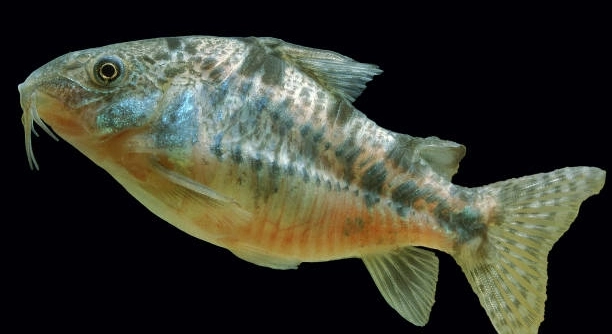
Is your Corydoras catfish rubbing its body against tank decorations or gravel more often than usual, and you’re not sure why?
The most common reason your Corydoras catfish is scratching against objects is due to irritation from parasites, particularly gill or skin flukes. These microscopic pests can cause discomfort, leading the fish to rub against surfaces for relief.
Learning about all the potential causes can help you take the right steps to improve your fish’s environment and overall health.
Common Causes Behind Scratching Behavior
Scratching in Corydoras catfish is often a sign that something isn’t right in their environment. Parasites like flukes or protozoa are one of the main causes. These irritate the skin or gills, prompting the fish to rub against objects in an attempt to relieve the discomfort. Poor water quality is another big factor. High levels of ammonia or nitrite can stress the fish and affect their skin and gills. Sudden changes in water temperature, pH, or hardness can also make them uncomfortable. Corydoras are sensitive to changes, and even small shifts can trigger odd behavior. Irritation can also come from physical injuries or rough gravel. Sometimes, leftover chemicals from cleaning products or untreated tap water introduce irritants that cause scratching. Identifying the source early can help prevent further problems. Watching closely for other symptoms like gasping, redness, or excess mucus can also help you spot issues early on.
Scratching alone doesn’t always mean something serious, but it should never be ignored.
If your fish is scratching often, start by testing the water parameters. Check for ammonia, nitrites, and nitrates, and make sure the pH and temperature are in range. Clean the tank gently and do a partial water change. If the problem continues, consider treating for parasites. Many treatments are available over the counter at aquarium stores, but always follow the dosage instructions. Remove any activated carbon from the filter before using medications, as it can reduce their effectiveness. If you suspect a parasite, a broad-spectrum anti-parasitic is a good place to start. Quarantining the affected fish can also help avoid spreading the issue to others. Keep an eye on tank mates too—if more than one fish shows signs, the problem may be environmental rather than individual. Acting quickly helps protect the entire tank and supports recovery.
Less Common But Possible Reasons
Some scratching may be due to new decorations or gravel irritating your fish’s skin. Always rinse new items before adding them to your aquarium.
Sometimes Corydoras scratch when adjusting to a new tank or environment. This temporary behavior usually goes away within a few days as they settle in. However, if scratching is combined with other symptoms like loss of appetite or labored breathing, there may be a bigger issue. Chemical contamination is another possible cause—things like soap residue, cleaning sprays, or even air fresheners used near the tank can affect water quality. Also, overstocking the tank adds stress and increases waste, which can harm water quality and fish health. It’s also worth noting that Corydoras, being bottom dwellers, spend a lot of time near the substrate. If the substrate is too rough or has sharp edges, it may cause minor abrasions that lead to rubbing. Switching to sand or smoother gravel can make a big difference in reducing irritation and preventing injuries.
How to Check for Parasites and Irritants
Start by observing your Corydoras closely. Look for signs like rapid gill movement, flashing, clamped fins, or visible spots or mucus. These symptoms often appear alongside scratching and can help confirm if parasites are present in the tank.
Use a reliable aquarium test kit to check water parameters, including ammonia, nitrite, nitrate, and pH. If levels are off, do a partial water change and clean any waste buildup. If water quality is stable and the scratching continues, consider using a microscope or getting help from a vet or aquatic expert to inspect for parasites. Sometimes, parasites like gill flukes or Ich aren’t visible to the naked eye. You can also use a white towel or flashlight to better observe any white spots or odd growths on the fish’s body. Treating early gives your fish a better chance of recovery without long-term stress or damage.
Once parasites or irritants are confirmed, choose a treatment based on the symptoms and your tank’s setup. Products containing praziquantel or formalin can help with flukes or protozoans, but follow the instructions closely. Turn off carbon filtration before dosing and ensure there’s plenty of aeration. Some treatments can reduce oxygen levels, which is dangerous for Corydoras. Remove snails or invertebrates if the medication is not safe for them. It’s also helpful to increase the water temperature slightly during treatment, as it speeds up the life cycle of some parasites, making them easier to eliminate. However, make changes gradually to avoid stressing your fish. After treatment, monitor your fish closely and do a water change as instructed to remove leftover medication. Clean filters gently and consider running activated carbon again to clear any residues.
When to Seek Extra Help
If your Corydoras continues to scratch after treatment and water changes, it’s time to get a second opinion. A vet with fish experience can help you rule out more serious infections or internal parasites.
Bringing a video of your fish’s behavior or clear photos of physical changes can help during a consultation.
Preventing Future Scratching
To help prevent future scratching, maintain a stable tank environment. Test your water regularly and perform partial water changes weekly. Use a dechlorinator when adding tap water, and avoid using household cleaning sprays near the tank. Always rinse new decorations or substrate thoroughly before placing them in the aquarium. If you introduce new fish, quarantine them for at least two weeks to avoid spreading parasites or illnesses. Choose soft, fine substrate like sand to protect your Corydoras’ sensitive barbels and belly. Feed a varied diet to keep their immune system strong. Stress is a common trigger for scratching, so avoid overstocking and provide hiding spots.
Final Thoughts
Catching the signs early and making small adjustments can keep your Corydoras healthy and stress-free.
FAQ
Why is my Corydoras rubbing itself on gravel or decorations?
This is often a sign that something is irritating your fish. Common causes include parasites like flukes or Ich, poor water quality, or chemical residues. Corydoras will try to rub or “flash” against surfaces to relieve itching or discomfort. It’s not normal behavior and should be addressed quickly.
Can Corydoras get Ich even if I don’t see white spots?
Yes, in the early stages, Ich (Ichthyophthirius multifiliis) might not show visible spots yet. The parasite irritates the skin and gills before the white cysts become noticeable. Scratching can be one of the first signs. Monitor for other symptoms like rapid breathing, clamped fins, or unusual swimming.
Is scratching always caused by parasites?
Not always. Scratching can also happen due to ammonia burns, poor water parameters, sharp substrate, or even new tank stress. It’s important to test the water and observe for other symptoms before assuming it’s a parasite. A stable, clean tank often helps resolve minor cases.
How do I know if water quality is the problem?
Test the ammonia, nitrite, nitrate, pH, and temperature. Even small spikes in ammonia or nitrite can irritate Corydoras. High nitrates over time can also be harmful. If parameters are off, do a partial water change and adjust slowly to avoid shocking your fish.
How often should I clean my Corydoras’ tank?
Do a 25–30% water change once a week and vacuum the substrate to remove waste. Corydoras spend time at the bottom, so keeping the gravel or sand clean is important. Avoid overfeeding to reduce excess waste buildup, which can affect water quality.
What kind of substrate is best for Corydoras?
Soft sand is best. Corydoras have delicate barbels they use to search for food. Rough gravel can damage these barbels, leading to infections or discomfort. If you’re using gravel and see signs of scratching, consider switching to fine sand to reduce irritation.
Can I treat the tank if I’m not sure what’s wrong?
If you’ve tested the water and everything looks fine, but the scratching continues, using a broad-spectrum treatment is an option. Choose a medication that targets common parasites like Ich or flukes. Follow directions carefully, and remove carbon from filters before adding medication.
Do Corydoras scratch more when stressed?
Yes, stress can make them more sensitive and prone to behaviors like scratching or hiding. Causes of stress include poor water quality, aggressive tank mates, loud noises, or sudden changes in environment. Creating a calm, stable setup with plenty of hiding spaces helps reduce stress.
What other symptoms should I look for?
Besides scratching, watch for rapid gill movement, staying near the surface, loss of appetite, visible spots, or mucus coating. Any of these paired with scratching could point to a health issue. Keeping a log of changes can help identify patterns or triggers.
Should I remove the scratching fish from the main tank?
If you suspect a contagious parasite, it’s best to isolate the affected fish in a quarantine tank. This helps protect other tank mates and makes treatment easier. However, if multiple fish show symptoms, treating the main tank may be necessary.
Can scratching damage the fish?
Yes, if it continues too long, your Corydoras may injure itself on rough surfaces. Damaged skin or barbels are more prone to infection. That’s why quick action is important—not just for comfort, but to prevent serious health issues down the line.
How long does it take for scratching to stop after treatment?
If the treatment is effective, you might notice improvement within a few days. However, some fish may take longer to recover fully, especially if their skin or gills were irritated. Monitor for improvement, but also complete the full treatment course as directed.
What if only one fish is scratching?
Start by checking water quality and reviewing any recent changes. Sometimes a single fish may react to something others don’t notice. If scratching continues or other symptoms appear, consider quarantining the fish or starting treatment if a parasitic issue is suspected.
Can scratching be a sign of normal behavior?
Occasional light rubbing isn’t always a concern, especially after a water change or tank cleaning. But if it’s happening repeatedly or looks intense, it usually points to irritation or discomfort. It’s better to check things early than wait for symptoms to get worse.
Final Thoughts
Scratching behavior in Corydoras catfish is something you shouldn’t ignore. While it might seem like a small thing at first, it often points to a bigger issue in the tank. Whether it’s caused by parasites, poor water conditions, or irritation from rough decorations or substrate, scratching is a sign your fish is uncomfortable. It’s important to act early when you see this kind of behavior. Watching your fish closely and keeping track of any changes helps you respond faster and avoid more serious problems. A healthy Corydoras is active, peaceful, and does not rub against objects often.
Maintaining good water quality is one of the most important things you can do. Regular water testing, consistent cleaning, and proper feeding habits all play a big role in keeping your fish happy. Try to avoid making sudden changes in the tank, as Corydoras can be sensitive to shifts in temperature, pH, or hardness. Make sure their environment is safe and comfortable—this includes soft substrate like sand and places to hide. Quarantining new fish before adding them to the main tank can also prevent the spread of parasites and bacteria. These small steps make a big difference in preventing stress and illness in your fish.
If your Corydoras continues to scratch despite your efforts, it’s okay to ask for help. Reaching out to an experienced aquarist, a vet, or even staff at a local fish store can give you more insight. Sometimes a second opinion helps confirm whether a treatment is needed or if something else might be causing the issue. The key is to stay calm and take action based on what you observe. Fish can’t tell us what’s wrong, but their behavior gives us clues. Scratching is one of those signs. By learning what to look for and how to respond, you can keep your Corydoras healthy and give them a safe place to live. In the end, a little attention and care go a long way toward keeping your fish thriving.

Hello,
If you enjoy the content that we create, please consider saying a "Thank You!" by leaving a tip.
Every little bit helps us continue crafting quality advice that supports the health, happiness, and well-being of pets around the world, for pets of all shapes, sizes, and species.
We really appreciate the kindness and support that you show us!