
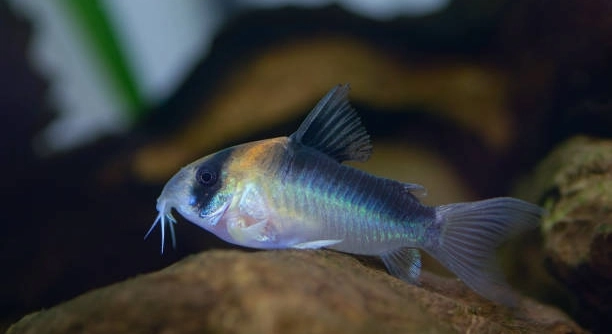
Corydoras catfish are popular aquarium fish, known for their playful nature and peaceful temperament. If you’ve noticed your Corydoras acting strangely or avoiding certain areas of your tank, it could be related to water conditions.
Water parameters like temperature, pH, hardness, and oxygen levels play a significant role in your Corydoras’ behavior. When these factors are out of balance, your fish may act stressed or uncomfortable, leading to poor health and reluctance to swim normally.
Understanding how these water parameters affect your Corydoras is key to creating an optimal environment. This will help ensure your catfish thrive in a healthy and happy aquarium setting.
1. Water Temperature and Its Impact on Corydoras Catfish
Corydoras catfish are sensitive to temperature fluctuations. The ideal range for these fish is between 72°F and 78°F (22°C – 26°C). If the water is too hot or too cold, it can cause stress, leading to reduced activity levels and even health problems. In warmer water, they might become sluggish or breathe heavily, while colder temperatures can slow down their metabolism and make them more vulnerable to diseases.
Water temperature also affects how much oxygen is dissolved in the tank. When the water is warmer, oxygen levels drop, which can make breathing more difficult for your Corydoras. This lack of oxygen might make them stay near the surface, gasping for air, or they may try to avoid areas where the water is less oxygenated. Adjusting the temperature within the recommended range can keep your fish healthy and active.
Maintaining a stable temperature is key. Sudden shifts, even small ones, can throw off their comfort level, leading to stress and potential health issues. Investing in a reliable aquarium heater and thermometer can help regulate the water and keep your fish at ease.
2. pH Levels and Their Effect on Your Fish
pH is another important factor. Corydoras prefer slightly acidic to neutral water, around a pH of 6.0 to 7.5.
When the pH drifts too far from this range, it can stress your fish and disrupt their ability to digest food properly. Keeping the pH balanced ensures that your Corydoras are comfortable and can thrive in your tank. Regular testing of the water will help you maintain this balance.
3. Hardness of Water and Corydoras Health
Water hardness refers to the amount of dissolved minerals, particularly calcium and magnesium. Corydoras prefer soft to moderately hard water, typically in the range of 2-15 dGH.
If the water is too hard or too soft, it can lead to health issues. Hard water can cause mineral buildup in the fish’s gills, while soft water can make it harder for them to regulate electrolytes. Both extremes create stress, leading to weakened immune systems and a greater risk of illness. Regular testing and adjusting water hardness can help maintain a stable environment.
A simple way to adjust water hardness is by adding appropriate buffers or water conditioners, depending on the needs of your aquarium. While soft water is ideal for Corydoras, it’s important not to make drastic changes too quickly. Gradual adjustments are safer, ensuring your fish remain healthy without undergoing unnecessary stress.
4. Oxygen Levels and Their Role in Corydoras Comfort
Corydoras are bottom-dwellers, and they prefer areas in the tank with good oxygen levels. If the oxygen in the water is low, they may be forced to swim to the surface more often, gasping for air.
You can increase oxygen levels in your aquarium by adding air stones, improving water circulation with a filter, or adjusting the flow rate to create more surface agitation. This ensures oxygen is properly exchanged and reaches all areas of the tank. Maintaining proper oxygenation is vital for their long-term health.
5. Ammonia and Nitrite Levels Affecting Corydoras
High ammonia or nitrite levels are dangerous for Corydoras. These toxins can cause severe stress and damage their gills, leading to breathing difficulties and, in extreme cases, death.
Regular water changes and proper filtration are essential to keep these toxins at bay. Using a reliable aquarium test kit helps you monitor ammonia and nitrite levels. A healthy nitrogen cycle will naturally keep these toxins at low levels, but any imbalances should be corrected immediately.
6. The Importance of Stable Lighting for Corydoras
Corydoras are sensitive to lighting changes. Too bright of a light can make them anxious, while low lighting often causes them to hide more than usual.
Providing gentle, indirect lighting is ideal for these fish. It helps reduce stress, promoting a more active and comfortable environment where they can comfortably forage and socialize without feeling threatened by harsh lighting.
FAQ
What is the ideal water temperature for Corydoras catfish?
The ideal temperature range for Corydoras catfish is between 72°F and 78°F (22°C – 26°C). If the water is too cold, they may become sluggish, and if it is too hot, they could struggle with oxygen levels and stress. Keep the temperature stable within this range to maintain their comfort and health.
How can I adjust the pH in my aquarium for Corydoras?
To adjust the pH of your aquarium, you can use commercial pH buffers or natural methods like adding driftwood or almond leaves to slightly lower pH. If the water is too acidic, crushed coral or limestone can help raise the pH. It’s important to make changes gradually to avoid stressing your fish.
What are the signs that my Corydoras catfish are stressed?
Common signs of stress in Corydoras include reduced activity, erratic swimming, hiding more than usual, and gasping for air. These behaviors are often linked to poor water conditions, such as incorrect temperature, low oxygen levels, or an unbalanced pH. Addressing the root cause quickly can help relieve stress and restore normal behavior.
How often should I change the water in my aquarium?
Water changes should be done regularly, typically around 25-30% of the tank volume every 1-2 weeks. This helps keep ammonia and nitrite levels in check while removing excess waste. In heavily stocked tanks, more frequent water changes may be necessary to maintain good water quality.
Can Corydoras live in hard water?
Corydoras can tolerate hard water but prefer slightly soft to moderately hard water, with a hardness of 2-15 dGH. Hard water can cause mineral buildup, which might lead to health issues if it’s not managed properly. If your water is too hard, consider using a water softener or blending with softer water.
How can I improve oxygen levels in my aquarium for Corydoras?
Increasing oxygen levels can be achieved by using air stones or sponge filters to improve water movement. Additionally, ensuring proper water circulation and surface agitation will help with oxygen exchange. Avoid overly strong currents, as Corydoras prefer calmer waters, but mild oxygenation is crucial for their well-being.
Why are my Corydoras hiding all the time?
Corydoras may hide if they feel stressed due to poor water conditions, such as fluctuating temperature, high ammonia levels, or excessive light. They may also hide if they are in a tank with aggressive tankmates. Try adjusting the water parameters and providing hiding spots like plants or decorations to help them feel safe.
Can Corydoras tolerate high levels of ammonia or nitrites?
Corydoras, like most fish, cannot tolerate high ammonia or nitrite levels. These toxins can cause serious health problems, including respiratory issues and even death. Regular water changes, proper filtration, and monitoring of ammonia and nitrite levels are key to preventing these harmful spikes.
What is the best way to maintain water quality for Corydoras?
To maintain good water quality, test the water regularly for ammonia, nitrites, nitrates, pH, and hardness. Perform consistent water changes and ensure your filtration system is adequate for your tank size. Additionally, avoid overfeeding and remove uneaten food to prevent waste buildup, which can affect water quality.
Do Corydoras catfish need a lot of light?
Corydoras prefer dim to moderate lighting. Bright, direct light can stress them out, especially in tanks with no hiding spots. Soft, indirect lighting helps keep them comfortable and active. A dimmer light also mimics their natural habitat, where they tend to stay under rocks and plants.
Can Corydoras live with other fish?
Corydoras are peaceful and social fish that generally do well with other calm, non-aggressive species. They make great tankmates for other community fish, as long as the other fish aren’t large or too aggressive. Avoid keeping them with fin-nippers or predatory species.
What kind of substrate is best for Corydoras?
Corydoras prefer a soft, smooth substrate like fine gravel or sand. Sharp or rough substrates can damage their sensitive barbels. Sand is usually the best choice, as it allows them to sift through it without injury. It also helps maintain water quality by preventing debris from getting trapped.
Final Thoughts
Maintaining the right water conditions for your Corydoras catfish is essential for their overall health and happiness. These fish are relatively easy to care for, but they do have specific needs that must be met. Keeping the water at a stable temperature, maintaining proper pH levels, and ensuring oxygen levels are sufficient will help keep your Corydoras active and thriving in their environment. Small changes in water quality can make a big difference in their comfort, so regular monitoring is key.
It’s also important to remember that Corydoras are bottom-dwellers, and they are sensitive to their surroundings. Water hardness, ammonia, nitrite, and light levels all play a role in how they behave and feel. Ensuring that their tank has the right balance will reduce stress, improve their health, and allow them to live a long life. Since Corydoras are peaceful creatures, they can often be kept with other fish, but choosing tankmates that won’t stress or harm them is equally important.
By providing the right care and environment for your Corydoras catfish, you’ll see them flourish. Taking the time to regularly test your water, make gradual adjustments, and offer a stable living space will go a long way in making sure they stay healthy and content. With these simple steps, you’ll be able to enjoy watching your Corydoras thrive in your aquarium for years to come.

Hello,
If you enjoy the content that we create, please consider saying a "Thank You!" by leaving a tip.
Every little bit helps us continue crafting quality advice that supports the health, happiness, and well-being of pets around the world, for pets of all shapes, sizes, and species.
We really appreciate the kindness and support that you show us!