
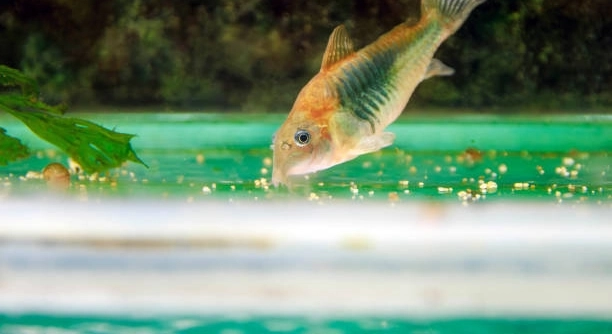
Introducing a Corydoras catfish into a new tank can be a bit tricky. These small, peaceful fish require special attention during the transition period to adjust well. Understanding their needs can help them feel comfortable in their new environment.
To help your Corydoras catfish settle in, ensure a calm, stable environment with proper water conditions, hiding spots, and minimal disturbances. Gradually acclimating them to their new surroundings will reduce stress and promote their overall well-being.
Corydoras catfish thrive in peaceful, well-maintained tanks. By understanding their specific needs, you can create a comfortable environment for them to adjust and flourish.
1. Set Up a Properly Sized Tank
Corydoras catfish prefer to live in tanks with a minimum of 20 gallons. This size allows for enough space to swim and hide, which reduces stress. When choosing a tank, ensure it is large enough to accommodate their activity levels without crowding them. Overcrowding can lead to poor water quality and behavioral issues. Also, a tank that is too small can affect their health.
A larger tank with stable water parameters is key. Corydoras catfish are sensitive to water quality, so ensure the tank is equipped with a good filtration system. This will help maintain clean water, which is essential for their well-being.
Creating a comfortable environment in a spacious tank will help your catfish feel secure and less stressed. It’s important to provide enough room for them to explore and interact with their surroundings without feeling confined. This will contribute to a smoother transition into their new home.
2. Adjust Water Conditions Gradually
Corydoras are highly sensitive to sudden changes in water conditions. Temperature, pH, hardness, and salinity should remain stable. Sudden fluctuations in any of these factors can stress out your catfish and lead to health problems. Start by checking your tank’s parameters before introducing them.
A gradual introduction to the tank’s water conditions helps minimize stress. Ensure the water temperature is within their preferred range of 72-78°F (22-26°C). The pH should be slightly acidic to neutral, around 6.5-7.5. It’s also essential to keep the hardness at a moderate level, as Corydoras are not fond of overly soft or hard water.
To make the transition easier, try acclimating them slowly by floating the bag they came in inside the tank. Gradually add small amounts of tank water to the bag to allow them to adjust to the new environment. This technique can prevent shock and make the acclimation process smoother.
3. Provide Hiding Spots
Corydoras catfish are bottom dwellers that appreciate having places to hide. They often feel more secure with plenty of caves, plants, or decorations in the tank. Adding these will help them feel safe and reduce anxiety.
You can use aquarium-safe rocks, driftwood, or dense plants to create hiding spots. Corydoras are shy creatures, so providing places for them to retreat will ease their stress. Be mindful to ensure the hiding spots are not too tight or inaccessible, as your catfish need room to move around comfortably.
The right hiding spots also help keep them from being exposed to bright lights or too much movement. This will make your Corydoras catfish feel secure, especially during the adjustment period in their new tank. By doing this, you’re giving them a calm and peaceful space to explore and rest.
4. Avoid Overfeeding
Corydoras catfish tend to scavenge for food on the tank floor. It’s easy to overfeed them, which can harm water quality. Be mindful of how much food you add, as leftover food can quickly decay and cause water imbalances.
Feed them small amounts that they can consume in a few minutes. If you’re unsure how much to feed, try feeding them once or twice a day. Make sure to remove any uneaten food within a short time. This helps prevent the buildup of waste in the tank, which can stress out your fish.
By maintaining a consistent feeding schedule and keeping their diet balanced, you’ll help keep the water clean. Overfeeding may seem harmless, but it can cause spikes in toxins like ammonia, which can affect the overall health of your catfish. Proper feeding habits make all the difference.
5. Maintain Stable Lighting
Corydoras catfish prefer soft, subdued lighting. Bright lights can cause stress, making it harder for them to feel at ease. Consider using low-wattage lights or placing the tank in a location with natural, indirect light.
A timer for your aquarium lights can help maintain a consistent day/night cycle. Corydoras thrive when they can rest in darker areas of the tank. Providing a dimly lit environment helps them feel more secure, especially during their first few days in the tank.
Adjusting lighting can help replicate a more natural environment, reducing anxiety and allowing your catfish to behave more naturally. It’s essential to avoid overly bright lighting and give your fish a calm, peaceful atmosphere.
6. Keep the Water Clean
Regular water changes are essential for keeping your Corydoras healthy. They are sensitive to poor water quality, which can cause stress or illness. Changing 20-30% of the water every week helps maintain clean, clear conditions.
Testing the water for ammonia, nitrites, and nitrates is also crucial. High levels of these substances can cause discomfort or even harm your fish. Invest in a reliable water testing kit to keep track of the water’s quality. This will give you peace of mind that your fish are in a healthy environment.
Proper filtration also plays a key role. A good filter ensures that harmful waste products are removed from the tank. This is essential for maintaining a stable environment that supports your Corydoras’ health.
7. Monitor Tankmates
Corydoras catfish are peaceful, but not all tankmates are suitable. Avoid adding overly aggressive or large fish that may intimidate or harm your catfish. Choose peaceful, small species that will coexist well with your Corydoras.
Keep an eye on their interactions, especially in the early days. Monitor for any signs of aggression, like chasing or fin nipping. Ensuring a harmonious community in the tank helps your Corydoras feel more at ease and settle in faster.
FAQ
How long does it take for Corydoras catfish to adjust to a new tank?
The adjustment period for Corydoras catfish can vary but generally takes around 1 to 2 weeks. During this time, they may hide more often and be less active as they get used to their new environment. It’s important to ensure stable water conditions and avoid stressors.
The best way to help them adjust quickly is to keep the tank environment calm and free from sudden changes. Don’t rush the process; let your catfish explore at their own pace. Be patient and allow them to get comfortable with their new home.
What should I feed my Corydoras catfish?
Corydoras catfish are omnivores and enjoy a variety of foods. Offer a mix of sinking pellets, frozen or live foods, and occasionally vegetable matter like blanched spinach or zucchini. Make sure the food you provide is appropriate for bottom-dwellers.
Corydoras will scavenge for food at the bottom of the tank, so food that sinks is ideal. You can also give them small amounts of protein-rich foods such as bloodworms or brine shrimp, but avoid overfeeding, as it can affect water quality.
Can Corydoras catfish live with other fish?
Yes, Corydoras catfish are peaceful and can live with most community tank fish. However, avoid placing them with aggressive or very large species. They do best in tanks with other calm, small to medium-sized fish.
Ideal tankmates include guppies, tetras, or other peaceful bottom-dwellers. Just make sure that all the fish in the tank have similar water and temperature requirements to maintain a peaceful, balanced environment. Always monitor interactions, especially when introducing new tankmates.
What temperature should my Corydoras catfish tank be?
Corydoras catfish prefer a water temperature range of 72°F to 78°F (22°C to 26°C). It’s crucial to keep the temperature consistent, as fluctuations can stress the fish and make them more vulnerable to disease.
To maintain a stable temperature, use a reliable aquarium heater. Regularly check the tank’s temperature using a thermometer to avoid sudden changes. Keep the tank away from direct sunlight or drafts that could affect the water temperature.
How often should I change the water in my Corydoras tank?
Water changes should be done regularly to keep the tank environment healthy for your Corydoras. Aim to change 20-30% of the water weekly. This helps remove excess nutrients and waste products that can build up over time.
Make sure to treat tap water with a dechlorinator before adding it to the tank. Always check the water parameters, such as pH, ammonia, nitrites, and nitrates, to ensure that the water is safe for your fish.
Do Corydoras catfish need a filter?
Yes, Corydoras catfish need a filter to maintain clean and stable water conditions. A filter helps remove waste products and excess nutrients, preventing water pollution that can stress the fish. However, avoid strong currents, as Corydoras prefer calm water.
Choose a gentle filter that provides adequate filtration without creating a powerful current. Sponge filters or those with adjustable flow rates work well for Corydoras, as they provide proper filtration while keeping the water calm and easy to swim through.
Are Corydoras catfish social?
Yes, Corydoras catfish are social creatures and should ideally be kept in groups. A group of at least 3-5 Corydoras is recommended to make them feel secure and reduce stress. They feel safer when they are with others of their kind.
In groups, they tend to display more natural behavior, such as schooling and foraging together. Keeping them in pairs or alone can lead to anxiety and shyness. A social group makes for a happier, healthier environment for these fish.
What should I do if my Corydoras catfish is sick?
If your Corydoras catfish shows signs of illness, such as unusual behavior, loss of appetite, or visible lesions, first check the water parameters to rule out environmental factors. Poor water quality is often the cause of many health issues.
If the water quality is fine, observe your fish closely to identify any specific symptoms. If needed, consult a vet specializing in aquarium fish or use an aquarium-specific medication to treat the illness. Quarantine sick fish in a separate tank to prevent spreading disease.
Can Corydoras catfish jump out of the tank?
Corydoras catfish are not known for jumping, but they can occasionally leap out of the tank if they are startled or if the water level is too low. To prevent this, ensure that the tank has a secure lid or cover.
Also, make sure the water level isn’t too high, which could cause water to splash out, tempting your catfish to escape. By creating a safe environment with secure tank edges, you can prevent unwanted accidents.
Do Corydoras catfish need a substrate?
Yes, Corydoras catfish are bottom-dwelling fish and benefit from a soft, fine substrate like sand. This allows them to forage naturally without damaging their barbels. Rough gravel or sharp-edged substrates can cause injury to their sensitive barbels.
Choose a fine sand or smooth gravel to create a comfortable environment for your Corydoras. This will also help prevent issues like impaction or injury while they sift through the substrate looking for food.
Final Thoughts
Corydoras catfish are hardy and peaceful creatures that can thrive in a well-maintained tank. By understanding their basic needs and making thoughtful adjustments to their environment, you can create a space where they feel comfortable and safe. The key to helping your Corydoras settle in smoothly lies in providing proper tank conditions, a stable environment, and careful attention to their diet and water quality. These simple steps go a long way in ensuring their health and happiness in a new tank.
Remember, Corydoras catfish are bottom-dwelling fish that enjoy calm water, so keeping a clean tank and controlling the water parameters is essential. Offering hiding spots will also reduce stress, allowing them to feel secure while adjusting to their new home. Overfeeding should be avoided to prevent water pollution, and regular water changes will help keep the tank environment optimal. By focusing on these basic yet important aspects, you’ll encourage a smoother transition for your catfish, allowing them to thrive in their new habitat.
Lastly, patience is important during the initial settling period. Corydoras catfish may take some time to adjust, especially if they are introduced to a tank with different water conditions or tankmates. With the right environment and a little time, your Corydoras will become active, healthy, and content. Following the tips shared in this article will help you provide a better home for your fish, ensuring they live long and happy lives in your aquarium. The effort you put into understanding and meeting their needs will make all the difference in their well-being.

Hello,
If you enjoy the content that we create, please consider saying a "Thank You!" by leaving a tip.
Every little bit helps us continue crafting quality advice that supports the health, happiness, and well-being of pets around the world, for pets of all shapes, sizes, and species.
We really appreciate the kindness and support that you show us!