
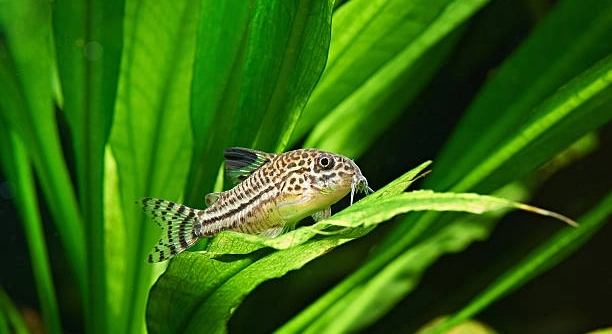
Corydoras catfish are popular aquarium fish known for their peaceful nature. If you’ve noticed your catfish resting on plants, you may be wondering what’s going on. Understanding their behavior can help you ensure their health.
Corydoras catfish may rest on plants due to various factors, such as stress, water conditions, or physical discomfort. In some cases, they may also seek shelter or rest in a spot with better oxygen levels.
Identifying the cause of your catfish’s behavior will help you provide a better environment for them. Understanding these reasons ensures your fish stays healthy and happy in its aquarium setting.
Stress from Tankmates or Environment
Corydoras catfish are sensitive to changes in their environment, and stress is one of the common reasons they may rest on plants. Tankmates that are overly aggressive or too active can cause anxiety for these peaceful fish. Additionally, sudden changes in water parameters, such as temperature or pH, may also contribute to their stress. It is important to keep the tank environment stable and ensure your fish have plenty of hiding spots to feel secure.
If you have other fish in the tank that are particularly aggressive, it could lead to your Corydoras catfish seeking refuge in plants. Overcrowding or competition for food can also add to their stress levels. Regular water changes, proper filtration, and maintaining an appropriate tank size for the number of fish can help reduce stress. Giving them spaces to retreat, like plants or decorations, will allow them to feel safe and less likely to rest in unusual places.
Observing your catfish and their interactions with other fish can help you identify possible stressors. Ensuring they feel secure is key to their well-being.
Poor Water Quality
Water quality plays a significant role in the behavior of Corydoras catfish. If the water is too polluted, the catfish may seek cleaner areas to rest, such as plants or other surfaces. Poor water quality often leads to discomfort and illness, prompting the fish to exhibit unusual behavior.
When ammonia or nitrites build up in the tank, fish may become lethargic or show signs of distress, like resting on plants. Regular testing of water parameters ensures that the water remains safe for your fish. Consistent water changes and maintaining a healthy filtration system will help prevent water quality issues.
Corydoras thrive in clean, well-maintained tanks with stable parameters. Keeping the water at an ideal temperature, pH level, and hardness is essential. If your catfish is resting more often on plants or surfaces, water quality should be one of the first things you check. Addressing water issues promptly will keep your catfish healthy and active.
Water Temperature
Corydoras catfish are sensitive to changes in water temperature. If the water is too hot or too cold, it can affect their behavior. They may rest on plants to regulate their body temperature.
Corydoras catfish typically prefer temperatures between 72°F and 78°F (22°C to 26°C). If the water is outside this range, they may become lethargic and seek cooler or warmer areas in the tank, such as plants. Temperature fluctuations can also cause stress, making them less active or more inclined to rest.
Maintaining a stable water temperature is key to keeping your catfish healthy. Invest in a reliable aquarium heater with a thermometer to monitor water conditions. Avoid placing your tank in areas that experience drastic temperature changes, like near windows or air conditioning vents. Stable temperatures will help your Corydoras catfish thrive.
Inadequate Oxygen Levels
Low oxygen levels in the tank can cause Corydoras to rest on plants. These fish require good water oxygenation, and insufficient oxygen may lead them to find places where the water flow is stronger.
If your tank is poorly oxygenated, your Corydoras might exhibit signs of labored breathing and excessive resting. Make sure your filtration system is adequate for the tank size and consider adding air stones or a sponge filter to improve water circulation. This helps provide the oxygen your fish need to stay healthy.
Corydoras catfish are bottom dwellers and typically prefer well-oxygenated areas. They may seek higher oxygen regions near plants or other surfaces when conditions are poor. Regular water changes and a good filter are essential to maintaining the oxygen balance in your aquarium. Keep an eye on their behavior to ensure their well-being.
Illness or Injury
If your Corydoras catfish is resting more than usual, it could be a sign of illness or injury. Illnesses, such as swim bladder disease or parasites, can cause discomfort and make them seek rest.
Check for any visible signs of illness, such as bloating, abnormal swimming patterns, or discoloration. If you notice anything unusual, it’s best to separate the affected fish from the rest of the tank to avoid spreading any potential diseases. Providing proper medication or a separate quarantine tank may be necessary.
Feeding Habits
Corydoras catfish are scavengers and will spend much of their time foraging for food. If they are resting on plants, they might be waiting for their next meal or searching for food particles.
If you notice your Corydoras resting frequently, check your feeding habits. Ensure that you are providing enough food for your fish to satisfy their appetite. They may not always compete for food with faster or more aggressive tankmates. Consider offering sinking pellets or frozen foods to ensure they have enough to eat.
Poor Tank Maintenance
A tank that isn’t properly maintained can contribute to your Corydoras catfish resting more than usual. Dirty tanks lead to poor water quality, which directly affects the health of your fish.
Cleaning the tank regularly and ensuring the filter works efficiently are essential. Remove excess debris, uneaten food, and waste that can pollute the water. Regular water changes and proper substrate cleaning can help prevent issues that may cause your Corydoras to become lethargic and rest. A clean, well-maintained tank is crucial for their well-being.
FAQ
Why is my Corydoras catfish always at the surface of the tank?
Corydoras catfish typically stay near the bottom of the tank, but if they are constantly at the surface, it might indicate low oxygen levels. You can improve oxygenation by adding an air stone or increasing water flow. Make sure your tank’s filtration system is working properly to ensure the water is adequately oxygenated.
Can Corydoras catfish get stressed?
Yes, Corydoras catfish can experience stress. Common stressors include poor water quality, sudden temperature changes, or aggressive tankmates. Stress can cause them to rest on plants or other surfaces. It’s important to maintain a peaceful tank environment and monitor water parameters regularly to reduce stress.
How can I tell if my Corydoras catfish is sick?
Look for changes in behavior such as excessive resting, difficulty swimming, or loss of appetite. Physical signs like bloating, discolored patches, or swollen areas may indicate illness. If your catfish shows any of these symptoms, consider isolating it in a quarantine tank and consulting with a veterinarian who specializes in fish.
Should I be worried if my Corydoras catfish is lying on its side?
Lying on their side can be a sign of stress, injury, or illness. If your Corydoras is lying on its side for extended periods, check for signs of disease like swollen areas or difficulty swimming. If everything else in the tank is normal and the fish shows no physical signs of illness, it may just need a break. However, if it persists, address possible health issues.
How often should I feed my Corydoras catfish?
Corydoras catfish should be fed once or twice a day, depending on their size and the size of your tank. They are bottom dwellers, so sinking pellets or tablets are ideal for feeding. Overfeeding can lead to poor water quality, so be mindful of how much food is offered.
Can Corydoras catfish live with other fish?
Corydoras catfish are peaceful and can live well with many other species, especially those that do not pose a threat to their size or behavior. Avoid keeping them with overly aggressive or fast-swimming fish. They are social creatures, so it’s best to keep them in groups of at least three or more.
How do I create the ideal environment for Corydoras catfish?
Corydoras prefer a well-planted tank with soft substrate, as they like to dig around. The water should be clean, with stable temperature, pH, and oxygen levels. Use a gentle filter to prevent strong currents. Adding hiding spots and maintaining a consistent water quality will help them feel comfortable and secure.
Why does my Corydoras catfish keep swimming in circles?
If your Corydoras catfish is swimming in circles, it could be due to a number of factors like stress, illness, or lack of oxygen. Check your water quality, temperature, and make sure the fish is not stressed by other tankmates. If the behavior continues, look for signs of illness like bloating or labored breathing.
Are Corydoras catfish prone to any diseases?
Yes, Corydoras catfish are susceptible to various diseases, including swim bladder disease, fin rot, and parasitic infections. Regular water changes, proper filtration, and good tank hygiene can help prevent most illnesses. Keeping your fish stress-free and well-fed is also crucial to their health.
Can Corydoras catfish eat plants?
Corydoras catfish do not usually eat plants, as they are bottom feeders that primarily consume small invertebrates, algae, and detritus. However, they may nibble on soft-leaved plants if they are not getting enough food. Ensure a balanced diet with sinking pellets or frozen food to prevent them from disturbing your plants.
Is it normal for my Corydoras to hide all the time?
Corydoras catfish may hide from time to time, especially if they are new to the tank or stressed. They are naturally shy and prefer areas with plants or rocks where they feel secure. If your catfish is consistently hiding, check for possible stressors such as aggressive tankmates, poor water quality, or illness.
How can I improve my Corydoras catfish’s diet?
To improve their diet, offer a variety of foods like sinking pellets, frozen bloodworms, and brine shrimp. These foods provide the necessary nutrients they need to stay healthy. Additionally, you can supplement their diet with occasional vegetable matter like spinach or zucchini to mimic their natural feeding habits.
Do Corydoras catfish need a lot of space?
While Corydoras catfish are small, they do need enough space to move freely. A minimum tank size of 20 gallons is recommended for a small group of Corydoras. A larger tank with plenty of hiding spots and plants will ensure they have room to swim and explore without feeling cramped or stressed.
Can I keep Corydoras catfish with shrimp?
Yes, Corydoras catfish generally get along well with shrimp. However, you should be mindful of the size of the shrimp. Smaller shrimp may be at risk of being eaten, while larger shrimp can coexist peacefully with Corydoras. As always, monitor their interactions to ensure they live harmoniously.
Why does my Corydoras catfish seem to be resting too much?
Resting frequently can be a sign of various issues, such as poor water quality, stress, or illness. Ensure that the water temperature, oxygen levels, and tank conditions are optimal. If the behavior continues despite improvements in the environment, consider consulting a veterinarian for further advice.
Final Thoughts
Corydoras catfish are peaceful and active bottom dwellers that can add a lot of character to your aquarium. However, if you notice them resting more than usual, it could be a sign of several underlying factors that require attention. From environmental conditions like water quality and temperature to health issues such as illness or injury, there are many reasons why your Corydoras might be more still than usual. Identifying the cause is important to ensure the well-being of your fish and maintain a healthy tank environment.
It’s crucial to keep your Corydoras catfish in a tank that mimics their natural habitat as closely as possible. This means ensuring proper water conditions, such as a stable temperature, neutral pH levels, and low water hardness. A well-maintained tank with soft, clean substrate allows them to forage comfortably and stay healthy. Regular water changes, cleaning, and a balanced diet will go a long way in preventing any issues that could lead to excessive resting or inactivity. The goal is to reduce stress and create a peaceful environment where your fish can thrive.
If your Corydoras catfish continue to rest on plants or show signs of distress despite the proper care and tank conditions, it may be time to consult a fish expert or veterinarian. A quick diagnosis and intervention can help avoid more serious health issues. By understanding the causes and providing the right care, you can ensure that your Corydoras catfish lead happy and healthy lives in your aquarium. With the right attention, these fish can continue to bring beauty and enjoyment to your aquatic space.

Hello,
If you enjoy the content that we create, please consider saying a "Thank You!" by leaving a tip.
Every little bit helps us continue crafting quality advice that supports the health, happiness, and well-being of pets around the world, for pets of all shapes, sizes, and species.
We really appreciate the kindness and support that you show us!