
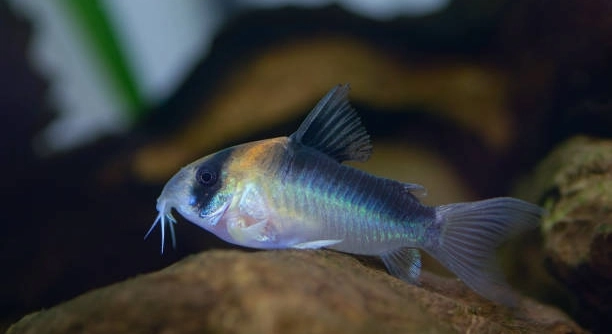
Corydoras catfish are popular freshwater aquarium fish known for their peaceful nature and charming behavior. Their lifespan can be influenced by various factors, including tank care. Proper care ensures they stay healthy for longer.
To improve the lifespan of Corydoras catfish, focus on maintaining good water quality, providing a suitable tank environment, and offering a balanced diet. Regular water changes, proper filtration, and reducing stress are key to extending their lifespan.
By making simple adjustments in their tank care, you can help your Corydoras live a long and healthy life. Here’s how to make sure they thrive in your aquarium.
Maintain Stable Water Quality
Water quality is one of the most important factors in the health of Corydoras catfish. These fish are sensitive to changes in their environment, especially in their water. Keeping the water clean and free of harmful chemicals is essential for their well-being. Regular water changes help keep toxins low and maintain stable conditions. Aim to change 20-30% of the water every week, depending on tank size. Use a water testing kit to check for ammonia, nitrites, and nitrates. Proper filtration also plays a big part in ensuring the water stays clean.
By keeping the water at the right parameters, you reduce the stress on your catfish, which helps them live longer. Make sure the pH, hardness, and temperature are in the correct range. Ideal water conditions for Corydoras are a temperature of 72-78°F, pH between 6.0 and 7.5, and soft to moderately hard water. Keeping these factors stable avoids unnecessary stress, which can shorten their lifespan.
Filtration systems should be able to handle the size of the tank. A good filter will help remove waste and debris, preventing the water from becoming polluted quickly. It’s also helpful to use a sponge filter for Corydoras, as they have delicate barbels that could be damaged by strong currents from other types of filters. Keep the filter clean by rinsing it with tank water regularly to avoid clogging and reduced efficiency. If you find the water quality dropping or any signs of poor health in your fish, take immediate action to correct the issue before it affects their long-term health.
Create a Proper Tank Environment
A comfortable and safe tank environment is key to helping your Corydoras catfish thrive. The right setup will ensure they stay active and healthy.
Tank size, substrate, and hiding spots are important factors to consider. Make sure the tank is at least 20 gallons for a small group of Corydoras. Using a soft, sandy substrate will help protect their sensitive barbels. Adding plants, driftwood, and rocks will give them hiding places where they can rest.
Provide a Balanced Diet
Corydoras catfish thrive on a varied diet that includes both plant and animal-based foods. Offer them high-quality pellets, frozen or live foods like bloodworms, and occasional vegetables like zucchini or spinach.
Feeding them a balanced diet ensures they get all the nutrients they need to stay healthy. Overfeeding should be avoided as excess food will decompose in the tank, affecting water quality. Offer small portions twice a day to keep them well-fed without causing waste buildup. Monitor their behavior and adjust portions as needed to avoid uneaten food lingering too long in the tank.
Additionally, Corydoras are bottom dwellers and will often sift through the substrate for food. Be sure to choose a food source that sinks, so they can easily access it. Offering a variety of foods also mimics their natural diet and keeps them engaged. Regularly changing their food to prevent monotony will also help keep them interested and encourage healthy feeding habits. Always remove any uneaten food to prevent water contamination.
Reduce Stress Levels
Stress can significantly reduce the lifespan of Corydoras catfish, so it’s essential to minimize it in their tank environment. Keeping their surroundings peaceful will help them stay healthy.
Avoid overcrowding the tank as this leads to increased competition for space and food. Additionally, maintaining appropriate water temperature and quality minimizes stress. Corydoras are sensitive to sudden changes, so try to keep the environment as stable as possible. Introducing other peaceful tank mates and ensuring they are compatible will also reduce stress. If the fish are exposed to aggressive or territorial species, they may become anxious, affecting their health and longevity.
Maintain Regular Tank Cleaning
Regular cleaning helps to keep your Corydoras catfish healthy and prevent the buildup of harmful substances. This includes cleaning the tank, filter, and equipment.
Use a siphon to remove waste from the substrate and replace a portion of the water each week. Keeping the tank free of excess debris will keep the water cleaner for longer and reduce the chances of bacterial or fungal infections. A clean tank also promotes better oxygen levels and overall fish health.
Avoid Strong Water Currents
Corydoras prefer calm waters, so strong currents in the tank can stress them out.
Install a filter with adjustable flow or use a sponge filter to reduce water movement. This will help ensure the fish are comfortable and not struggling to swim. Maintaining a calm environment is crucial to their overall well-being.
FAQ
How often should I feed Corydoras catfish?
Corydoras should be fed two small meals a day. It’s important not to overfeed them, as leftover food can pollute the tank. Offer a variety of foods like sinking pellets, live or frozen foods, and occasional vegetables. Make sure the portions are small enough to be eaten within a few minutes.
Can Corydoras eat vegetables?
Yes, Corydoras can eat vegetables like spinach, zucchini, and peas. These vegetables should be blanched before feeding to soften them. Offering vegetables helps provide fiber, which supports their digestive health. However, vegetables should be given in moderation and removed after a few hours to prevent water contamination.
What water temperature is best for Corydoras catfish?
Corydoras catfish prefer a water temperature between 72°F and 78°F. Keeping the water within this range ensures they stay comfortable and healthy. If the temperature fluctuates too much, it can cause stress and affect their immune system. Use a reliable heater to maintain a stable temperature in the tank.
Are Corydoras catfish good tank mates for other fish?
Corydoras are peaceful fish and make great tank mates for most non-aggressive species. They are often kept with other peaceful community fish like tetras, guppies, and mollies. However, avoid placing them with aggressive fish or those that might bully them, as this can lead to stress and health issues.
Do Corydoras catfish need a filter?
Yes, Corydoras need a filter to keep the water clean and maintain a stable environment. They are sensitive to poor water quality, and a good filter helps remove waste and debris from the water. A sponge filter is a good choice, as it provides gentle filtration and doesn’t create strong currents that could stress them out.
How can I prevent diseases in Corydoras catfish?
To prevent diseases, keep the water quality high and make sure the tank environment is stable. Perform regular water changes, clean the filter, and remove any uneaten food. Quarantine new fish before introducing them to the tank to prevent the spread of illness. Regularly check your fish for signs of illness, such as unusual swimming behavior, white spots, or lethargy.
What is the ideal substrate for Corydoras catfish?
Corydoras prefer a soft, sandy substrate as it protects their sensitive barbels. Gravel can cause injury to their barbels, so it’s best to avoid it. A fine sand substrate mimics their natural environment, allowing them to sift through the sand in search of food. It also makes it easier for them to navigate and reduces the risk of injury.
How long do Corydoras catfish live?
With proper care, Corydoras catfish can live for 5 to 10 years. The lifespan can vary depending on factors like tank conditions, diet, and overall care. By maintaining stable water quality, providing a balanced diet, and reducing stress, you can help your Corydoras live a long and healthy life.
Why is my Corydoras catfish swimming at the surface?
If your Corydoras catfish is swimming at the surface, it may be a sign of poor water quality or low oxygen levels. Check the water parameters, including ammonia, nitrites, and oxygen levels. Ensure the tank is properly filtered and avoid overcrowding. If the problem persists, consider increasing aeration in the tank.
Can Corydoras catfish live without a lid on the tank?
Corydoras are not known to jump, but it’s still a good idea to have a lid on your tank to prevent any accidents. While they are generally peaceful and tend to stay near the bottom of the tank, other fish might jump or disturbances could cause them to swim erratically. A lid provides extra safety.
Final Thoughts
Taking care of Corydoras catfish can be a rewarding experience, as they are peaceful, active, and interesting to watch in the aquarium. By providing them with a clean and stable environment, you can help ensure they live a long, healthy life. Maintaining good water quality, offering a balanced diet, and avoiding stress are key steps to improving their chances of thriving in your tank. Proper tank care, such as regular water changes and using the right filtration system, will keep your fish healthy for many years to come.
Remember that Corydoras catfish are bottom dwellers and enjoy a tank with soft, sandy substrate and plenty of hiding spots. Creating an environment that mimics their natural habitat will make them feel comfortable and reduce stress. Along with water temperature and quality, these factors contribute significantly to their well-being. Keeping them in a peaceful community tank with other non-aggressive fish will help reduce any potential stress, and they’ll feel more secure in their environment.
By following the right practices, you can ensure that your Corydoras catfish are happy and healthy. Their lifespan can be easily extended with the right care, allowing you to enjoy their charming personalities for years. With regular maintenance and attention to detail, you’ll be providing them with the best possible life. So, keep the water clean, provide a nutritious diet, and avoid overcrowding to help your Corydoras catfish live a long, fulfilling life in your aquarium.

Hello,
If you enjoy the content that we create, please consider saying a "Thank You!" by leaving a tip.
Every little bit helps us continue crafting quality advice that supports the health, happiness, and well-being of pets around the world, for pets of all shapes, sizes, and species.
We really appreciate the kindness and support that you show us!