
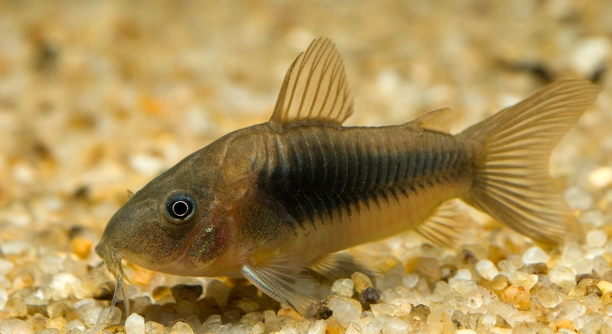
Corydoras catfish are often seen staring at the glass of their aquarium, but this behavior can be puzzling for their owners. Understanding the reasons behind this can help improve your fish’s well-being and reduce stress.
Corydoras catfish stare at the glass due to factors like curiosity, hunger, or the reflection of their environment. They may also be seeking attention or trying to escape if the tank feels overcrowded or unbalanced.
There are several explanations for this behavior that can help improve your tank setup and your fish’s comfort.
Hunger or Seeking Food
Corydoras catfish are bottom dwellers and often feed on leftover food in the tank. If they’re staring at the glass, it could simply be a sign they’re hungry. They may notice food near the glass, or they’re searching for any crumbs left from feeding. While it’s normal for fish to be food-driven, frequent staring could indicate they’re not getting enough nutrition.
If your catfish seems to stare more often at the glass during feeding times, consider reviewing your feeding schedule. Overfeeding can lead to excess food floating around the tank, which might cause the fish to be fixated on the glass. Be sure to give the right amount of food to avoid this behavior.
Sometimes, Corydoras need a little more attention during feeding. If they are staring at the glass after feeding, it could mean they didn’t get enough food. To ensure they are eating enough, try placing sinking pellets or small live food at the bottom. This helps avoid the issue of food floating away too quickly. Additionally, observe your fish’s behavior after feeding. If they continue to look at the glass, it could be a sign they are still hungry or not getting the nutrients they need from their regular food.
Curiosity and Reflection
Corydoras are naturally curious creatures. When they stare at the glass, it could simply be due to a desire to explore their surroundings. The reflection of themselves or the environment outside the tank can also spark interest.
In many cases, the glass serves as a boundary between their world and the outside. The fish may be trying to understand what lies beyond, looking at the reflection, or even recognizing movement from outside the tank. This type of behavior is usually harmless but can become repetitive if they feel confined in the tank.
Staring at the glass can also be a sign that they’re trying to interact with things outside their environment. If they see you or other objects moving outside the tank, their curiosity could drive them to the glass. However, if your tank is poorly decorated or lacks hiding spots, they may be more fixated on their reflection or the outside world. To address this, you can add more hiding places or decorations for stimulation.
Overcrowded Tank
An overcrowded tank can lead to stressed fish. If your Corydoras catfish are staring at the glass, it could be due to limited space. Too many fish in a small tank causes them to seek out areas near the glass, where they feel they can have some distance from other fish.
If the tank is overcrowded, consider relocating some fish or upgrading to a larger tank. A more spacious environment will allow your Corydoras to feel more comfortable and reduce the urge to stay near the glass. Corydoras enjoy swimming freely, and a cramped space can limit their ability to move around.
Besides space, overcrowding can also lead to poor water quality. With too many fish, waste buildup is more significant, which affects the water conditions. Poor water quality adds stress to fish, causing them to act out, including staring at the glass. By maintaining a balanced number of fish and ensuring proper filtration, the tank environment will improve, which will help ease the fish’s stress.
Poor Water Quality
Dirty water can make Corydoras feel uncomfortable. If the water quality in your tank isn’t up to standard, they may start to display unusual behaviors like staring at the glass. Polluted water can lead to stress, causing the fish to act out in odd ways.
Check the water parameters regularly, such as pH, ammonia, nitrate, and nitrite levels. High levels of toxins can damage fish, leading them to seek cleaner areas of the tank. If the water is dirty, the fish may not want to swim freely or interact with the environment. Proper water changes and filtration will help prevent such issues.
Water quality can affect fish health, making it crucial to maintain a consistent routine for cleaning and testing the water. Regular maintenance will help your Corydoras stay healthy, which in turn will reduce stress and other abnormal behaviors like glass staring.
Stress from Tank Mates
Aggressive tank mates can cause stress for Corydoras catfish. If they feel threatened by other fish, they may retreat to the glass to seek refuge. Some species may bully or chase them, making the glass appear as a safe zone.
When introducing new fish, consider their temperament and compatibility with Corydoras. If aggression is the issue, separating the aggressive fish or adding more hiding spots can reduce stress. Corydoras are peaceful by nature and should be housed with similarly calm species to avoid behavioral issues.
Lack of Stimulation
Corydoras are active fish that require mental and physical stimulation. Without proper enrichment, they may turn to repetitive behaviors like staring at the glass. Adding plants, decorations, or even a few new tankmates can make a difference.
A well-decorated tank provides hiding places, swimming paths, and a more engaging environment for Corydoras. Fish that are mentally stimulated are less likely to display repetitive behaviors like staring at the glass. Try rotating tank decorations occasionally to keep things interesting for your fish.
Tank Setup Issues
Improper tank setup can also contribute to unusual behavior. Corydoras thrive in tanks that replicate their natural environment, with a soft substrate and plenty of hiding spots. If your tank setup doesn’t meet these needs, the fish may feel unsettled and stare at the glass.
By adding fine gravel or sand and providing hiding spots with plants or decorations, you can create a more suitable environment. Additionally, ensure that the water temperature and flow are appropriate for your Corydoras. A comfortable setup will reduce stress and encourage healthier behaviors.
FAQ
Why is my Corydoras staring at the glass?
Corydoras may stare at the glass due to several reasons. Hunger is one possibility, as they often search for food near the glass. Curiosity, poor water quality, and overcrowding can also lead to this behavior. If your fish feel stressed or confined, they may fixate on the glass as a safe zone. It’s important to observe their behavior and check the water quality, tank conditions, and feeding routines to identify the cause.
How can I stop my Corydoras from staring at the glass?
To stop this behavior, start by addressing the potential stressors in the tank. Ensure your Corydoras have plenty of space to swim by avoiding overcrowding. Provide hiding spots and decorations to create a more stimulating environment. Regularly check water quality and maintain a consistent cleaning routine. Also, observe the feeding routine and ensure they are getting enough food. With these adjustments, the fish will feel more comfortable, reducing their need to stare at the glass.
Can Corydoras get stressed easily?
Yes, Corydoras are sensitive fish and can become stressed under certain conditions. Stress factors include poor water quality, aggressive tank mates, overcrowded tanks, or a lack of proper hiding places. If Corydoras feel unsafe or uncomfortable, they may exhibit signs of stress, such as staying near the glass, hiding, or moving erratically. It’s important to create a stable and calm environment for them to thrive.
How often should I feed my Corydoras catfish?
Corydoras should be fed once or twice a day. They are scavengers and enjoy feeding on sinking pellets, live food, or small bits of vegetables. Overfeeding can lead to poor water quality, which can cause stress. Feed them only as much as they can consume within a few minutes to avoid leftover food floating around. Adjust the feeding routine if you notice your Corydoras staring more often at the glass, as this could indicate hunger.
What tank mates are best for Corydoras?
Corydoras are peaceful fish that do well with other calm species. Ideal tank mates include small, non-aggressive fish like guppies, neon tetras, or other species of peaceful catfish. Avoid keeping them with large, territorial, or overly active fish, as this can cause stress. When choosing tank mates, consider the size and temperament of the fish to ensure a harmonious environment for your Corydoras.
Do Corydoras like to be in groups?
Yes, Corydoras are social creatures and thrive in groups of at least three to five individuals. In a group, they feel more secure and are less likely to exhibit stress-related behaviors, such as staring at the glass. Keeping them in groups encourages natural behaviors, such as foraging and schooling, and helps them stay active and healthy.
What is the ideal tank size for Corydoras?
Corydoras require at least a 20-gallon tank for a small group. Larger tanks provide more swimming space and help reduce stress. When setting up a tank, ensure it has a soft substrate, such as fine gravel or sand, as Corydoras like to dig. A larger tank also allows for better filtration and more stable water conditions, both of which are important for the health of your fish.
How can I improve water quality for my Corydoras?
Improving water quality involves regular water changes, proper filtration, and monitoring the tank’s water parameters. Corydoras prefer slightly acidic to neutral water, with a temperature range of 72-78°F. Regular water changes, about 20-30% per week, help keep ammonia, nitrate, and nitrite levels in check. Use a good-quality filter to ensure proper water flow, and avoid overfeeding to prevent waste buildup.
Can Corydoras survive in cold water?
Corydoras are tropical fish and do not do well in cold water. They thrive in temperatures between 72-78°F. If the water is too cold, they may become sluggish, stop eating, or even develop health issues. It’s important to maintain the right temperature with a reliable aquarium heater to keep your Corydoras healthy.
How do I know if my Corydoras is happy?
A happy Corydoras will be active, swimming around the tank, foraging for food, and interacting with other fish. They should not be constantly hiding or fixating on the glass. Healthy Corydoras have smooth, undamaged bodies, clear eyes, and healthy fins. If they’re swimming freely and displaying natural behaviors, it’s a good sign that they are comfortable and content.
Final Thoughts
Corydoras catfish are active and peaceful fish that bring charm to any aquarium. However, if your Corydoras are staring at the glass, it’s often a sign of stress or discomfort. Understanding the causes behind this behavior is key to addressing it. Whether it’s poor water quality, overcrowding, or insufficient stimulation, these factors can affect their well-being. By making a few adjustments, such as improving the tank environment, increasing space, and monitoring water conditions, you can help your fish feel more comfortable. Corydoras are social creatures, so keeping them in groups is also essential for their mental and physical health.
While addressing issues like water quality and tank mates is important, don’t overlook the significance of creating a stimulating environment. Corydoras enjoy having places to hide and explore, and providing decorations like plants or caves can keep them engaged. Regular tank maintenance also ensures that the water stays clean and safe for your fish. Feeding routines should be carefully monitored to prevent overfeeding, as leftover food can contribute to poor water quality. With consistent care, you’ll see a significant improvement in their behavior and overall happiness.
In the end, it’s about providing a balanced and healthy environment for your Corydoras. By taking the time to assess their needs and making simple changes, you can ensure they live a happy, stress-free life in your aquarium. Whether you’re a beginner or experienced fish keeper, understanding your Corydoras’ behavior will help you create a better home for them. Keeping a watchful eye on their behavior and environment can prevent common issues, leading to healthier, more active fish.

Hello,
If you enjoy the content that we create, please consider saying a "Thank You!" by leaving a tip.
Every little bit helps us continue crafting quality advice that supports the health, happiness, and well-being of pets around the world, for pets of all shapes, sizes, and species.
We really appreciate the kindness and support that you show us!