
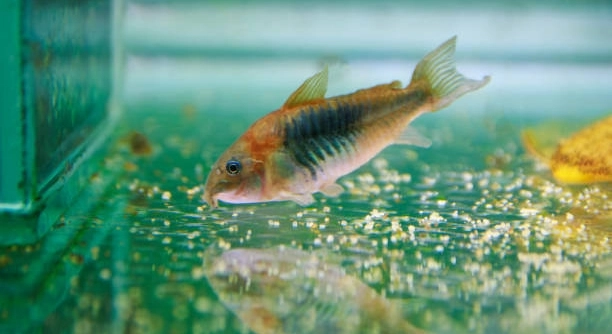
Corydoras catfish are small, peaceful aquarium fish that often enjoy resting in various spots within their tanks. However, if you’ve noticed your cory resting on the filter sponge, you may be wondering why this happens.
Corydoras catfish often rest on the filter sponge due to a combination of factors, including their need for oxygen-rich areas, seeking comfort, or adapting to environmental changes. This behavior is typically harmless but may signal underlying issues with water quality or health.
Understanding these reasons can help you maintain a healthy environment for your fish. Exploring the causes behind their resting behavior will help you address any potential concerns in your tank setup.
1. Lack of Oxygen in the Water
Corydoras catfish prefer to rest in areas with higher oxygen levels, such as near the filter sponge. If your tank’s oxygen levels are low, they might seek out these spots to breathe more easily. Low oxygen levels can occur for several reasons, like overcrowding, insufficient water movement, or poor aeration. If you notice your cory resting more than usual on the sponge, it’s important to check your filtration system and consider improving water circulation.
Oxygenated areas of your tank, such as those near the filter, offer your corys a safe and comfortable place to rest. You can improve oxygen levels by adding an air pump or adjusting the filter settings.
Ensuring proper water flow throughout your aquarium can help maintain healthy oxygen levels. You might also want to check for any blockages in the filter. Regular water changes, combined with ensuring the tank is not overcrowded, will help prevent oxygen depletion and create a better environment for your fish.
2. Water Quality Issues
Poor water quality can make your fish feel stressed and lead to odd behavior, including resting on the filter sponge. High levels of ammonia or nitrites can cause your cory to seek out areas with more oxygen.
Maintaining clean water is essential for keeping your corydoras healthy and active. Regularly testing the water for harmful substances and performing necessary water changes will keep things in check. A consistent filtration system will also aid in maintaining ideal conditions.
3. Overcrowding in the Tank
Overcrowding your aquarium can cause your corydoras to become stressed and look for places to rest more often. When too many fish share the same space, they compete for resources like oxygen and hiding spots, leading to exhaustion.
To avoid overcrowding, be sure to consider the size of your tank and the number of fish you have. Corydoras are small, but they still need adequate space to move around. If your tank feels cramped, adding more hiding spots or reducing the number of fish could improve their well-being.
Even if the tank isn’t overly crowded, the stress of sharing space with other fish can cause them to act differently. Adding plants or caves gives your cory more room to explore and can reduce the need for resting in the filter sponge. It’s a simple fix that makes a big difference in your fish’s behavior.
4. Temperature Fluctuations
Corydoras are sensitive to sudden changes in temperature. If your aquarium water fluctuates too much, they may rest more than usual, even on the filter sponge. Stable temperatures are crucial for your fish’s health and comfort.
Check your heater to ensure it’s functioning properly and maintaining a consistent temperature. Corydoras do best in water between 72°F and 78°F. Any drastic changes can cause stress and lead to them seeking out places like the filter sponge to rest and regulate their body temperature.
Maintaining a stable temperature in your tank helps prevent unnecessary stress. If you’re unsure about temperature consistency, invest in a thermometer to monitor the water. It’s also wise to avoid placing the tank in drafty areas or near windows, as these can cause temperature shifts that your fish might not handle well.
5. Illness or Injury
If your corydoras is not feeling well, it may seek refuge on the filter sponge as a resting spot. Illness or injury can cause lethargy, making them less active. This behavior can also be a sign of discomfort or pain.
When a cory is sick, it may not swim as much, and resting in an area with good oxygen can provide some relief. Look for other signs of illness, such as faded color, abnormal swimming, or changes in appetite. If these are present, consider isolating the affected fish and monitoring its condition.
You might also notice that injured corydoras prefer hiding in the filter sponge to avoid being picked on by other tank mates. Ensure the tank is a peaceful environment with no aggressive fish, as this can worsen stress and slow recovery.
6. Overfeeding
Overfeeding your corydoras can lead to uneaten food settling at the bottom of the tank, where your fish may rest or hide. Excess food can lead to water quality issues, which may cause them to seek out the filter sponge for better water conditions.
Monitor feeding times and only give your corydoras what they can consume in a few minutes. Excess food can create uneaten waste that pollutes the water and triggers unhealthy conditions, making your fish more likely to rest in places with cleaner water like the filter sponge.
7. Breeding Behavior
Sometimes, corydoras resting on the filter sponge is a sign of breeding behavior. When these fish are ready to breed, they tend to spend more time resting, especially near areas with good oxygen flow. Keep an eye on your tank for signs of courtship.
Female corydoras often seek out areas with stable water conditions during breeding. They may rest more in these spots while preparing for egg-laying. If you have multiple corydoras, observe their behavior for any mating activity. Proper tank maintenance will ensure a successful breeding process for your fish.
FAQ
Why is my Corydoras catfish staying near the filter sponge?
Corydoras often rest near the filter sponge because it provides them with higher oxygen levels and a calmer area. If your tank has low oxygen or poor water quality, they may seek out these spots for better conditions. Ensure your tank has good filtration and proper aeration to prevent this behavior from becoming a sign of stress.
Should I be concerned if my Corydoras is always on the filter sponge?
If your cory is consistently resting on the filter sponge, it could be a sign of low water quality, insufficient oxygen, or stress from overcrowding. However, if there are no other signs of illness, it’s not always an urgent issue. Regularly check water parameters, make sure your filter is working well, and keep an eye on the overall health of your fish.
Can I help my Corydoras catfish if it’s resting too much?
If your corydoras is resting too much, try improving the water quality, adjusting the temperature, or ensuring there’s adequate oxygen. If the fish appears lethargic or stressed, it might be worth isolating it to monitor its health. You can also add more hiding spots or rearrange decorations to reduce stress.
Is my Corydoras catfish sick if it’s always near the filter?
Not necessarily. While constant resting near the filter can sometimes indicate illness, it can also be due to stress, environmental factors, or natural behavior. If your cory is showing other signs of illness, such as abnormal swimming, discoloration, or lack of appetite, then it may be sick. Otherwise, it might just be looking for a spot with better water conditions.
What could cause my Corydoras to rest on the filter sponge?
Corydoras may rest on the filter sponge due to low oxygen levels, poor water quality, overcrowding, temperature fluctuations, illness, or even breeding behavior. It’s essential to monitor these factors and adjust your tank conditions accordingly. The filter sponge provides an area with more oxygen, which is why corydoras might be drawn to it.
How can I improve the water quality for my Corydoras catfish?
To improve water quality, make sure your tank is properly filtered, perform regular water changes (at least 25% weekly), and monitor water parameters such as ammonia, nitrite, and nitrate levels. Using an aquarium test kit will help you keep track of the water’s condition. If the water quality improves, your corydoras may stop resting on the filter sponge.
Should I add more fish if my Corydoras is resting near the filter sponge?
Adding more fish may not solve the problem if your cory is resting near the filter due to poor water quality or stress. Instead, focus on improving the tank environment first. If the tank is overcrowded, reducing the number of fish or ensuring each fish has enough space to swim may help alleviate the issue.
How do I know if my Corydoras is stressed?
Signs of stress in Corydoras catfish include staying at the bottom of the tank, hiding excessively, staying near the filter sponge or other hiding spots, loss of appetite, or faded colors. If your cory is displaying any of these signs, it’s essential to evaluate the water conditions, temperature, and tankmates to see if something is causing discomfort.
Can temperature fluctuations make my Corydoras rest more?
Yes, Corydoras are sensitive to temperature changes. If the water temperature fluctuates too much, they might become stressed and seek out places like the filter sponge to rest. Maintaining a stable temperature between 72°F and 78°F is ideal. Avoid placing your tank near windows, heaters, or air conditioners to prevent temperature changes.
How do I prevent my Corydoras from resting on the filter sponge?
To prevent your corydoras from resting on the filter sponge, ensure good water quality, provide adequate oxygen, and avoid overcrowding. Keep the water temperature stable and make sure your tank is peaceful. Regularly clean the filter to ensure it works efficiently and check the tank’s overall conditions to keep your fish active and healthy.
Final Thoughts
Corydoras catfish are peaceful, hardy fish that generally thrive in a well-maintained tank. If you notice your cory resting on the filter sponge more than usual, it’s important to assess the overall conditions of your aquarium. This behavior is often a sign that something in the environment is not quite right, whether it’s low oxygen levels, poor water quality, or even temperature fluctuations. By addressing these issues, you can help your cory feel more comfortable and reduce the chances of this behavior continuing.
Maintaining a stable, clean environment is key to ensuring the health of your fish. Regular water changes, checking water parameters, and keeping the tank free of excess waste will create a healthier space for your corydoras. Additionally, monitoring the temperature, providing enough oxygen, and avoiding overcrowding will help reduce stress, which is another factor that may contribute to your fish resting near the filter sponge. Always observe your fish’s behavior closely to identify any signs of illness or stress, as early detection can prevent more serious health issues.
In conclusion, while corydoras resting on the filter sponge may seem concerning, it’s often a sign that they are seeking better conditions. With proper care, regular tank maintenance, and attention to water quality, you can create a comfortable environment for your corydoras to thrive. Make sure to keep an eye on the tank’s overall health and adjust any factors that may be affecting your fish. With the right attention, your corydoras will be back to swimming and exploring in no time.

Hello,
If you enjoy the content that we create, please consider saying a "Thank You!" by leaving a tip.
Every little bit helps us continue crafting quality advice that supports the health, happiness, and well-being of pets around the world, for pets of all shapes, sizes, and species.
We really appreciate the kindness and support that you show us!