
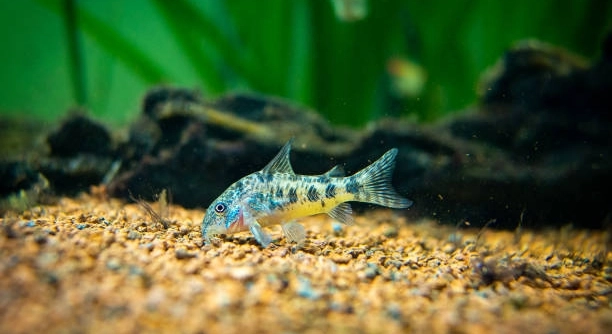
Corydoras catfish are often shy and peaceful creatures, making them a popular choice for aquarium enthusiasts. However, some owners may notice that their catfish prefer to stay hidden during the day.
The main reason your Corydoras catfish won’t come out during the day is often related to their natural behavior. These fish are nocturnal and tend to be more active at night. Their shy nature makes them prefer hiding during daylight.
Understanding why your Corydoras behave this way can help you create a healthier, more comfortable environment for them. There are various factors to consider, from water conditions to tank setup.
Natural Shyness and Nocturnal Behavior
Corydoras catfish are naturally more active at night, which is why they often stay hidden during the day. In the wild, they are bottom dwellers that avoid predators by staying low and out of sight. This behavior is instinctive, and it’s part of their nature to remain still and calm when the sun is up. It’s essential to understand that this is normal, and it does not indicate any health problems with your fish. They may occasionally venture out during the day but are typically more active once the lights dim and the tank is quieter.
While it might feel strange to see your Corydoras catfish hiding, it is simply their natural rhythm. If you observe them more closely at night, you may notice a burst of activity when they feel safer and more comfortable. It’s important to avoid overreacting to their behavior, as this is a typical trait for these fish.
When setting up your tank, it’s important to provide plenty of hiding spots, like plants, rocks, or caves. Corydoras feel more secure when they have areas to retreat to. If they don’t have these safe spaces, they might stay hidden even more often, especially during daylight hours. These hiding spots allow them to rest and avoid feeling stressed, so your fish can thrive in a peaceful environment.
Water Conditions Can Affect Activity Levels
Corydoras are sensitive to water conditions, and poor water quality can affect their behavior. If the water is too warm, too cold, or has high levels of ammonia or nitrate, they may become stressed and less active. Maintaining stable water parameters is essential for your catfish’s health and comfort.
Water temperature, pH, and ammonia levels all play a role in the activity levels of Corydoras catfish. Ideal conditions are between 72-78°F (22-26°C) with a slightly acidic to neutral pH of 6.5 to 7.5. Keeping the water clean and properly filtered will encourage your Corydoras to feel more at ease and may help them become more active during the day. Regular water testing and maintenance are key to preventing any hidden issues that could cause stress.
When you notice that your Corydoras are staying hidden, checking the water quality should be one of your first steps. If the water conditions are off, they may feel uncomfortable or threatened. Providing a stable, clean environment will ensure your fish remain healthy and can display their natural behaviors more confidently. Keep in mind that even small changes in water quality can have a significant impact on how your fish behave, so it’s crucial to stay on top of maintenance.
Tank Mates Can Influence Behavior
Corydoras catfish are peaceful creatures, but their behavior can change if they’re housed with aggressive or overly active tank mates. If they feel threatened, they might hide more often during the day. This stress can lead to less activity and overall poor health.
When selecting tank mates, it’s important to choose peaceful, non-aggressive species that won’t make your Corydoras feel uneasy. Fish that chase or nip at them will make them retreat to hiding spots, avoiding interaction. Corydoras do best with other calm, bottom-dwelling species or peaceful mid-water swimmers that won’t disrupt their daily routine.
Additionally, tank mates can sometimes compete for space, which may result in the Corydoras feeling crowded or stressed. Providing enough space for all the fish to have their own territories can help reduce stress and promote more active behavior. Tank size is a key factor in ensuring your Corydoras feel comfortable and confident enough to come out during the day.
Lighting and Tank Setup
Corydoras are more comfortable in dim lighting, as bright lights can make them feel exposed and vulnerable. Too much light can cause them to hide, especially if they don’t have enough hiding spots to retreat to when they feel stressed.
Reducing the intensity of your tank’s lighting can encourage your Corydoras to feel safer and more willing to swim around during the day. It’s helpful to place plants or decorations in the tank to offer shaded areas where they can rest without feeling overly exposed. Dim lighting helps replicate their natural habitat, where they would typically be active during the night, and can lead to a more natural and relaxed environment for them.
A good balance of lighting will not only benefit your Corydoras but also support the overall health of your aquarium’s ecosystem. Proper lighting is important for all species in the tank, so consider using adjustable lighting systems to mimic day and night cycles. Too bright or continuous lighting can disrupt the fish’s natural rhythm, causing them to hide more frequently during the day.
Overcrowding Can Cause Stress
If your aquarium is overcrowded, your Corydoras might feel stressed and retreat more often. Too many fish in a small space can create competition for food and territory, leading to anxiety and hiding behavior.
Maintaining a proper fish-to-gallon ratio is important. An overcrowded tank can make your Corydoras feel threatened, especially if there aren’t enough places to hide or swim freely. Fish that feel cramped often stay hidden to avoid conflicts with other tank mates.
Feeding Habits Affect Activity
Corydoras catfish are bottom feeders, and their feeding schedule can influence their behavior. If they’re not finding enough food or are competing with other fish for meals, they may become less active during the day.
Feeding them a consistent diet and allowing them to eat in peace will encourage them to be more active. You can provide sinking pellets or specialized food to ensure they’re getting enough to eat. Just be mindful of the tank’s balance, as uneaten food can negatively affect water quality, further stressing your catfish.
Water Temperature Plays a Role
Corydoras are sensitive to water temperature changes, and extreme temperatures can cause them to stay hidden. If the water is too warm or too cold, they may retreat into hiding spots to feel safe.
FAQ
Why do Corydoras catfish hide during the day?
Corydoras catfish are naturally nocturnal and prefer to stay hidden during the day, especially when there is bright lighting. This behavior is instinctive, as they feel safer in the dark, mimicking their natural habitat. They may venture out more in the evening when it’s darker, but during daylight, they typically remain in hiding to avoid exposure. If you notice your Corydoras hiding, it’s usually not a sign of illness but rather a normal part of their behavior.
How can I encourage my Corydoras to be more active during the day?
To encourage your Corydoras to be more active during the day, try reducing the brightness of the lighting in the tank. Dim lighting or using a timer to replicate day and night cycles helps them feel more comfortable. Additionally, ensure there are plenty of hiding spots like plants, caves, or rocks for your catfish to retreat to when needed. Offering food during the day, especially sinking pellets, can also make them feel more at ease and encourage them to explore.
Are Corydoras catfish sensitive to water quality?
Yes, Corydoras catfish are quite sensitive to water quality. Poor water conditions can stress them out and cause them to hide more often. Make sure your water parameters, such as temperature, pH, and ammonia levels, are within the ideal range. Regular water changes, proper filtration, and monitoring water quality will help keep your Corydoras comfortable and active. Ammonia and nitrate buildup can cause discomfort, leading them to stay hidden to avoid stress.
Can Corydoras catfish live with other fish?
Corydoras catfish are peaceful bottom dwellers and generally do well with other calm fish. They are not aggressive and usually don’t compete for food with other species. However, it’s important to avoid tank mates that might bully them or chase them, as this can lead to stress and hiding behavior. They do best in tanks with other peaceful fish that occupy different levels of the aquarium, allowing Corydoras to comfortably stay at the bottom.
What is the best tank size for Corydoras catfish?
The best tank size for Corydoras depends on the number of fish you have. A 20-gallon tank is usually suitable for a small group of Corydoras. Larger groups of Corydoras, around six or more, will need more space to avoid overcrowding and stress. Providing enough swimming room and hiding spots is essential for ensuring that your Corydoras feel secure and comfortable.
How do I know if my Corydoras is sick?
If your Corydoras is sick, you may notice changes in behavior, such as staying hidden for longer periods, swimming erratically, or appearing lethargic. You may also see physical signs such as discoloration, damaged fins, or unusual marks on the body. If the fish is not eating or showing other signs of distress, it could indicate a health issue, and you should check water quality and consider consulting an aquarium professional.
Can Corydoras catfish live alone?
While Corydoras catfish can survive alone, they thrive better in groups. Corydoras are social animals, and keeping them in small groups of at least three to five individuals helps reduce stress. They are more confident and active when they have the company of their own kind. If kept alone, they may feel isolated and more likely to hide.
Do Corydoras need a special diet?
Corydoras are bottom feeders, meaning they prefer sinking food like pellets, wafers, or frozen foods that sink to the bottom of the tank. They enjoy a varied diet, including high-quality sinking pellets, algae wafers, and occasional live or frozen foods like brine shrimp or bloodworms. A balanced diet ensures they get the nutrients needed for healthy growth and activity.
Can Corydoras live with shrimp?
Yes, Corydoras catfish can live with shrimp in the same tank. They typically do not pose a threat to small shrimp, as their diet mainly consists of food scraps from the bottom. However, it’s important to make sure the shrimp have plenty of hiding spots, especially during molting periods, when they may be vulnerable. Larger shrimp species, like Amano or ghost shrimp, are more likely to coexist peacefully with Corydoras.
How often should I change the water for my Corydoras?
You should change about 20-30% of the water every week to maintain optimal water quality for your Corydoras. Regular water changes are important to prevent the buildup of harmful chemicals like ammonia or nitrates, which can stress your catfish and lead to hiding behavior. Ensure that the water temperature and pH match the tank’s current levels to avoid shocking your fish.
What kind of substrate is best for Corydoras catfish?
Corydoras catfish prefer soft, smooth substrates like fine gravel or sand. Rough, sharp gravel can damage their sensitive barbels (whiskers), making it harder for them to search for food. A soft substrate allows them to dig and forage comfortably without harm. Sand is the best option, as it provides a natural environment that mimics their native habitat.
How can I tell if my Corydoras is stressed?
Signs of stress in Corydoras catfish include hiding more frequently, staying at the surface of the tank, or swimming in erratic patterns. They may also become less active and lose their appetite. Stress can be caused by poor water quality, aggressive tank mates, or inadequate tank conditions. Regular monitoring of water parameters and providing a peaceful environment can reduce stress and encourage healthy behavior.
Are Corydoras catfish hardy?
Yes, Corydoras catfish are generally considered hardy fish, making them great for beginner aquarium owners. However, they are sensitive to changes in water conditions, so regular maintenance and stable water parameters are important. While they can tolerate a range of conditions, consistency in water quality and temperature is essential to keep them healthy and stress-free.
Final Thoughts
Corydoras catfish are generally low-maintenance and peaceful creatures that thrive in well-maintained aquariums. While their tendency to hide during the day can be puzzling, it is a natural behavior that stems from their nocturnal instincts. It’s important to understand that they are not being shy due to illness or stress, but rather because they feel more comfortable in the darker, quieter environment of the night. As a result, providing the right lighting, tank setup, and environment can help your Corydoras feel more at ease and active during the day.
Creating the ideal environment for your Corydoras is essential to keeping them happy and healthy. This includes maintaining proper water conditions such as temperature, pH, and ammonia levels. Corydoras are particularly sensitive to water quality, and poor water conditions can lead to stress, which may cause them to hide more. Regular water changes, proper filtration, and monitoring the overall health of your tank are important factors in ensuring a stress-free environment. Providing a tank with enough space, hiding spots, and peaceful tank mates can also make a big difference in their behavior.
In the end, Corydoras catfish are fascinating and easy-to-care-for fish that make great additions to peaceful aquariums. Understanding their natural behavior and taking steps to maintain an optimal tank environment can help ensure they live long, healthy lives. Whether you want to see them more active during the day or simply enjoy watching their peaceful movements at night, making small adjustments to their habitat can have a positive impact. By being mindful of their needs, you’ll create an environment where both you and your Corydoras can enjoy each other’s company for years to come.

Hello,
If you enjoy the content that we create, please consider saying a "Thank You!" by leaving a tip.
Every little bit helps us continue crafting quality advice that supports the health, happiness, and well-being of pets around the world, for pets of all shapes, sizes, and species.
We really appreciate the kindness and support that you show us!