
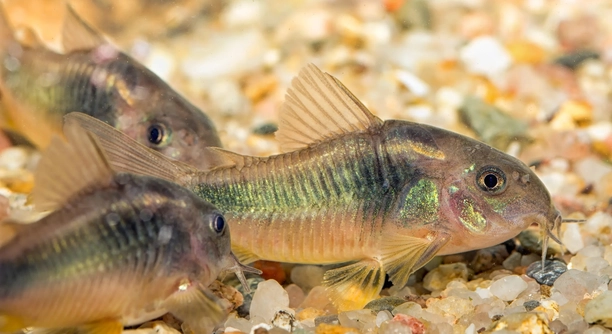
Corydoras catfish are beloved for their playful and peaceful nature. As aquarium enthusiasts, it’s important to make sure these little swimmers feel safe and comfortable in their homes. Here are some ways to ensure they thrive in your tank.
Creating a comfortable environment for your Corydoras catfish involves maintaining water quality, offering hiding spots, and providing the right substrate. These simple steps help your fish feel secure and promote their well-being.
Maintaining the proper environment ensures your Corydoras stay happy and healthy. Knowing how to meet their needs will lead to a more thriving tank, so let’s explore these tips to help you achieve the best conditions.
1. Maintain Clean and Stable Water Conditions
Corydoras catfish are very sensitive to water quality. They thrive in clean, stable water conditions with low to moderate flow. Regular water changes are essential to keep your fish healthy and comfortable. Test the water weekly to ensure the pH, ammonia, nitrite, and nitrate levels are balanced. Corydoras prefer slightly acidic to neutral water, so keeping these levels in check is key to their well-being. Avoid sudden fluctuations in water temperature as this can stress your catfish.
Even small changes in water quality can impact their health. A good filtration system is important, but make sure it doesn’t create a strong current. Corydoras enjoy calmer waters, so moderate filtration will work best. If you can, use a sponge filter as it is gentle and safe for their delicate barbels. Regular water testing will help you adjust the conditions before they become a problem.
Adding plants or decorations can help maintain water quality as well, as they absorb nutrients and provide natural filtration. Just remember to clean and trim them regularly.
2. Provide Hiding Spots and Safe Spaces
Corydoras catfish are shy, bottom-dwelling fish that need hiding places. They feel secure when they can retreat to a safe spot, especially during the daytime. Adding rocks, caves, or plants to the tank can create these spaces, giving them a place to rest and hide.
Creating these areas doesn’t have to be complicated. Use smooth rocks, driftwood, or aquarium-safe decorations to provide safe spots without disturbing the tank’s appearance. Corydoras will use these spaces when they feel stressed or during periods of rest. Offering them the option to hide helps reduce anxiety and lets them feel more secure in their environment. This simple addition will make a significant difference in how your fish behave and interact with their surroundings.
3. Choose the Right Substrate
The substrate in your aquarium plays a crucial role in the comfort of your Corydoras catfish. They are bottom feeders, and their sensitive barbels can be easily damaged if the substrate is too rough or sharp. Corydoras prefer soft, fine gravel or sand as it allows them to dig and search for food without risking injury.
Sand is often the best choice for these fish, as it provides a soft surface and gives them the freedom to dig as they naturally would in the wild. Make sure the substrate is smooth, and avoid using large rocks or rough materials that could harm their barbels. Also, check that the sand doesn’t compact too tightly; this will allow beneficial bacteria to thrive and reduce the chance of harmful toxins building up.
In addition to making your Corydoras feel at home, the right substrate can also improve the overall aesthetic of your tank. It allows you to recreate a more natural environment while making it easier to clean and maintain the tank. Proper substrate helps both the fish and the tank flourish.
4. Keep the Tank Size Appropriate
While Corydoras are small, they do need enough space to move around and swim comfortably. Overcrowding a tank can cause stress and health problems, so ensure your tank is large enough to accommodate your catfish and other aquarium inhabitants. A minimum of a 20-gallon tank is recommended for a small group of Corydoras, as they enjoy the company of their own kind.
Corydoras are peaceful fish and often do best in groups. With more space, they will have the room to interact with each other without feeling crowded. If you have other tankmates, be sure to check that they won’t cause stress or conflict. A larger tank allows you to create a better environment with more hiding spots, plants, and decorations.
Keeping the tank size appropriate is crucial for their mental and physical health. A spacious, well-stocked tank ensures that your Corydoras will feel safe, secure, and have plenty of room to explore. A smaller tank may be more convenient, but it can lead to stress and discomfort for your fish.
5. Keep the Temperature Stable
Corydoras catfish prefer a stable water temperature between 72°F and 78°F. Temperature fluctuations can stress your fish and make them more susceptible to disease. It’s important to keep the tank in a room with a consistent temperature, away from drafts or direct sunlight. Use a reliable aquarium heater to maintain the right temperature.
A good quality heater is essential for keeping the water at the ideal temperature. Ensure the heater is suitable for your tank size and place it near the filter for even distribution. Check the temperature regularly with a thermometer to avoid overheating or cooling. Sudden drops in temperature can weaken your fish’s immune system, making them more vulnerable to illness.
By keeping the water temperature stable, you provide your Corydoras with the environment they need to thrive. Maintaining this consistency is a simple yet crucial step to ensuring their health and happiness. Avoid large, rapid changes to the water temperature and monitor it daily for best results.
6. Feed a Balanced Diet
A balanced diet is key to your Corydoras catfish’s health. These bottom dwellers are omnivores, feeding on a variety of foods like sinking pellets, live or frozen foods, and small plants. Ensure you provide a well-rounded diet to keep them active and healthy.
Feeding them sinking pellets designed for bottom feeders is ideal, as it allows your Corydoras to search for food naturally. You can also supplement their diet with occasional treats, such as bloodworms, daphnia, or brine shrimp. Just be sure not to overfeed, as excess food can pollute the water.
A well-balanced diet promotes better coloration, growth, and overall health. It also keeps your fish active and less likely to be stressed. Offering a variety of food types ensures they receive the nutrients they need to thrive. However, monitor the amount of food you offer to avoid waste buildup in the tank.
7. Minimize Stressful Tankmates
Corydoras catfish are peaceful creatures and do best in a tank with non-aggressive tankmates. Avoid placing them with large, territorial fish that may intimidate or bully them. Stress from aggressive tankmates can lead to poor health and even death.
Smaller, peaceful species such as tetras, guppies, or other calm bottom dwellers make ideal companions for Corydoras. Ensure that the tank provides plenty of hiding spots for them to retreat to when necessary. Corydoras can be easily startled by more active or boisterous fish, so choosing the right tankmates is crucial for their well-being.
Keeping your Corydoras in a peaceful tank will reduce stress, allowing them to feel secure and thrive. Avoid adding aggressive fish that may harm or intimidate them, and always consider the temperament of any new tankmate before introducing them.
8. Regularly Clean the Tank
Cleaning your tank regularly is essential for maintaining a healthy environment for your Corydoras. Remove excess food, waste, and debris from the substrate to prevent water pollution. Clean the filter and change the water weekly to maintain proper water quality.
Tank cleaning involves more than just water changes; it’s important to clean the decorations, plants, and substrate as well. Use a siphon to vacuum the gravel or sand, especially in areas where debris can accumulate. Clean the glass and check for algae growth, as it can impact the water quality and appearance of your tank.
Keeping the tank clean not only prevents poor water conditions but also helps prevent diseases. Regular maintenance ensures your Corydoras can enjoy a healthy, comfortable environment without stress from dirty water or excess waste.
FAQ
How many Corydoras should I keep together?
Corydoras are social fish and should always be kept in groups. A small group of at least 4 to 6 is ideal, though more is often better. Keeping them in groups helps reduce stress and encourages natural behavior. They are known to feel safer and more confident when surrounded by their own kind. A larger group also allows them to interact and display their natural schooling tendencies, making for a more active and happy tank.
What is the ideal water temperature for Corydoras catfish?
Corydoras thrive in water temperatures between 72°F and 78°F. These fish do not handle drastic temperature changes well, so keeping the water temperature stable is crucial. Use an aquarium heater with a thermometer to ensure the water stays within this range. If the temperature drops or rises too much, it could cause stress and make them more vulnerable to illness.
Can Corydoras live with other fish?
Yes, Corydoras are peaceful and generally get along well with other non-aggressive fish. Ideal tankmates include small, calm fish like tetras, guppies, and other peaceful bottom dwellers. Avoid keeping them with large, territorial, or aggressive species that could intimidate or harm them. It’s also important to ensure that tankmates do not outcompete them for food, as Corydoras can be timid eaters.
Do Corydoras need a specific type of substrate?
Yes, Corydoras need a soft, fine substrate like sand or smooth gravel. Their barbels, which are sensitive and used for searching food, can be easily damaged by sharp or rough substrates. Sand is the best option as it allows them to dig and search for food naturally, while also preventing injury. Fine gravel can also work, but make sure the grains are smooth and not too large.
How often should I feed my Corydoras catfish?
Corydoras are bottom feeders and should be fed once or twice a day. Provide sinking pellets that are specifically designed for bottom dwellers, as these will allow your Corydoras to forage in a natural way. You can supplement their diet with occasional treats like live or frozen brine shrimp, bloodworms, or daphnia. Be careful not to overfeed, as uneaten food can pollute the water and cause health problems.
Are Corydoras catfish easy to care for?
Corydoras are relatively easy to care for, making them a great choice for beginners. However, they do have specific care requirements, like stable water conditions and a peaceful tank environment. Keeping their tank clean, maintaining appropriate water temperature, and providing proper food are the main aspects to focus on. As long as their basic needs are met, Corydoras will thrive in most aquariums.
Why are my Corydoras staying at the surface of the water?
If your Corydoras are staying near the surface, it could be a sign of stress or poor water quality. They may be gasping for oxygen if the water is low in dissolved oxygen or if there’s a high concentration of ammonia or nitrites. Check the water parameters immediately and ensure proper filtration and oxygenation. If the problem persists, consider adding a sponge filter or an air stone to increase water circulation.
How do I tell if my Corydoras is stressed?
Signs of stress in Corydoras include erratic swimming, hiding constantly, refusal to eat, or frequent scratching against tank surfaces. Stress can be caused by poor water quality, inappropriate tankmates, or sudden changes in their environment. To help reduce stress, make sure the water is clean, stable, and properly filtered. Also, ensure they have enough hiding spots and avoid introducing aggressive or disruptive tankmates.
Can Corydoras eat plants?
While Corydoras are omnivores, they typically do not eat plants as their main food source. They are more focused on scavenging for small invertebrates, detritus, and sinking food. However, they may nibble on softer plants if they run out of food or are feeling particularly hungry. It’s best to have hardy, fast-growing plants in the tank that can withstand occasional nibbling without being completely consumed.
What is the lifespan of a Corydoras catfish?
Corydoras catfish typically live for around 5 to 10 years, depending on their care and the quality of their environment. With proper water conditions, a balanced diet, and minimal stress, they can live to their full potential. Regular maintenance and keeping their environment stable will contribute to a longer and healthier life. Make sure to avoid sudden changes in temperature, water quality, or tankmates to help ensure a long lifespan.
Why are my Corydoras not eating?
If your Corydoras aren’t eating, there may be a problem with the water conditions or their environment. Check the water quality for any issues with ammonia, nitrites, or temperature fluctuations. Sometimes, fish can also be stressed from aggressive tankmates or poor hiding spots. Ensure the tank is peaceful, and the food provided is suitable for bottom feeders. Additionally, try offering different types of food to see if they have a preference.
Final Thoughts
Corydoras catfish are wonderful additions to any aquarium. They are peaceful, active, and relatively easy to care for, making them an excellent choice for both beginners and experienced fish keepers. However, like all fish, they have specific needs that must be met in order to keep them healthy and happy. Providing them with the right environment, including clean water, appropriate tankmates, and proper food, is essential for their well-being. Keeping their tank clean and maintaining stable water parameters will help avoid many common problems and ensure that they thrive in your aquarium.
Their social nature means that they do best when kept in groups. It’s important to have at least a small group of Corydoras, as they feel much safer and more comfortable when they have companions. In addition, providing a peaceful tank with gentle, non-aggressive fish will prevent stress and allow them to exhibit natural behaviors. With the right tank setup, your Corydoras will feel secure, and you’ll be able to enjoy their playful antics as they sift through the substrate or swim gracefully across the tank.
Remember that Corydoras are sensitive to changes in their environment, so it’s essential to monitor water quality and make necessary adjustments regularly. Overfeeding, poor filtration, or sudden temperature changes can lead to stress and health issues. By following these simple care guidelines, you can create a healthy and comfortable home for your Corydoras catfish, helping them live a long and happy life in your aquarium. With a little attention to their needs, these charming fish will become an enjoyable and fascinating part of your aquatic setup.

Hello,
If you enjoy the content that we create, please consider saying a "Thank You!" by leaving a tip.
Every little bit helps us continue crafting quality advice that supports the health, happiness, and well-being of pets around the world, for pets of all shapes, sizes, and species.
We really appreciate the kindness and support that you show us!