
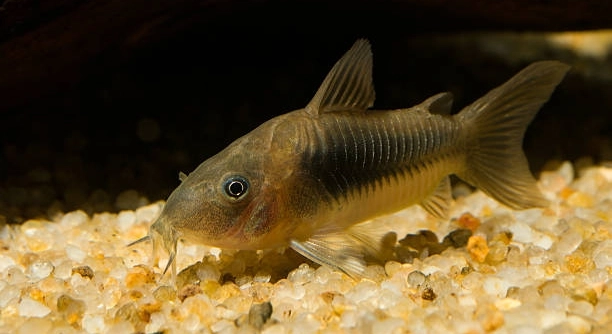
Corydoras catfish are often active and curious, but if you notice one resting on its side, it could be a sign of an issue. Understanding the causes can help ensure your fish stays healthy and comfortable in its environment.
There are several reasons why a Corydoras catfish may rest on its side. It could be due to stress, water quality issues, illness, or injury. Proper observation and care can help identify and address the underlying cause.
Addressing these possible causes will assist in managing your fish’s health, ensuring it returns to its normal behavior and wellbeing.
Stress and Anxiety
Stress is a common factor in why a Corydoras catfish may rest on its side. This can result from sudden changes in water conditions, temperature fluctuations, or overcrowding. When a fish experiences stress, it may lose its energy and become inactive. The catfish may not swim as much, and it could stay on its side, appearing lethargic. Monitoring the tank’s environment regularly is crucial to prevent this. Keeping the water parameters stable and introducing new fish gradually can help reduce stress levels.
Some signs of stress include excessive hiding, erratic swimming patterns, or rapid gill movement. If you notice these behaviors, consider examining the tank conditions. Stress may not always be obvious, but subtle changes can lead to significant health issues. When stress persists, it can weaken your catfish’s immune system, making it more susceptible to disease.
Ensuring your tank is adequately filtered and that your catfish has enough space can significantly reduce the risk of stress. Additionally, using plants or decorations to provide hiding spots can help them feel secure and comfortable.
Poor Water Quality
Poor water quality is another primary reason for your Corydoras catfish resting on its side. A buildup of toxins like ammonia, nitrites, or nitrates can irritate the fish and lead to abnormal behavior. If you notice that your catfish isn’t swimming or is spending a lot of time at the bottom of the tank, water quality may be the issue.
Regular water changes and maintaining proper filtration are essential to prevent this problem. Water testing kits are an easy way to measure the levels of harmful substances and make necessary adjustments. If the water quality is poor, your fish will likely show signs of stress or illness, and resting on its side could be one of the signs.
To maintain a healthy environment, test the water weekly. Keep the water temperature stable, and ensure the pH, ammonia, and nitrate levels are all within the recommended ranges for Corydoras catfish. This will not only help your catfish feel better but also improve the overall health of your tank.
Illness or Infection
Infections or illnesses can cause your Corydoras catfish to rest on its side. Bacterial, fungal, or parasitic infections often lead to abnormal behavior. If you notice visible signs such as white spots, swelling, or redness, it’s likely that an infection is present. Immediate treatment is needed to prevent further complications.
A common sign of illness in Corydoras catfish is lethargy. When sick, they often stop swimming and may stay on the substrate or on their side. Infected fish can also exhibit changes in their eating habits, either becoming more reclusive or showing a lack of appetite. If treatment is not started soon, it may worsen.
Properly diagnosing the infection is crucial. Visit a reputable aquarium store or consult a veterinarian for guidance on the correct medication. Quarantining the affected fish can prevent the infection from spreading to others. Make sure to follow all treatment instructions to avoid further stress to the fish.
Injury or Trauma
Physical injury is another reason why your Corydoras catfish may rest on its side. This could be caused by fighting with other tankmates, rough handling during maintenance, or accidents with tank decorations. Injuries often lead to discomfort, forcing the fish to stay still and rest.
If you see any visible wounds or bruises, the fish might be trying to recover. Resting on its side could help reduce the movement of the injured area. When a fish is injured, it’s vital to remove any sharp objects from the tank to prevent further harm. It’s also essential to monitor the behavior of other fish, as aggressive tankmates may cause ongoing stress and injury.
Provide a calm and stress-free environment for the injured catfish. You can also add salt to the water to help with healing and reduce the risk of infection. Regular monitoring will ensure the injury is properly treated, allowing the fish to recover fully.
Overfeeding
Overfeeding your Corydoras catfish can lead to digestive issues, causing it to rest more often. Excess food in the tank can decay, affecting water quality and contributing to poor health. Be mindful of the amount you feed your fish to prevent unnecessary stress.
When fish are overfed, they may experience bloating or difficulty swimming, resulting in them resting on their side. Uneaten food also creates an unhealthy environment by raising the ammonia levels in the tank, which can harm the fish. To avoid this, feed small amounts of food, and remove any excess after a few hours.
Improper Tank Temperature
If the tank temperature is too high or too low, it can cause your Corydoras catfish to become sluggish or stressed. Corydoras catfish thrive in a specific temperature range. Keeping it outside this range will result in discomfort, leading to abnormal behavior.
For Corydoras, the ideal temperature is between 72°F and 78°F. Temperatures too low can slow down their metabolism, making them inactive, while excessive heat can cause stress. Use a reliable thermometer to check the water temperature regularly and adjust the heater if necessary. Keeping the temperature stable ensures the fish stay healthy.
Lack of Oxygen
A lack of oxygen in the tank can force your Corydoras catfish to rest on its side. Inadequate oxygen levels often occur in tanks that are overcrowded or have poor filtration. This results in the fish struggling to get enough oxygen.
Corydoras are bottom-dwelling fish that may be more sensitive to low oxygen levels in the water. Make sure your filtration system is working properly, and avoid overcrowding your tank. Adding an air stone or additional filtration can improve oxygen circulation, allowing your fish to breathe easier and remain active.
FAQ
Why is my Corydoras catfish resting on its side and not swimming?
If your Corydoras catfish is resting on its side and not swimming, it could be due to several factors, such as poor water quality, stress, illness, or injury. Poor water conditions can cause lethargy and difficulty swimming, as the fish tries to conserve energy. Stress from sudden changes in the environment, such as temperature fluctuations or overcrowding, can also lead to this behavior. Additionally, an infection or injury could make swimming uncomfortable, prompting the catfish to rest more frequently.
How can I tell if my Corydoras catfish is sick?
Signs of illness in Corydoras catfish include lethargy, loss of appetite, abnormal swimming patterns, and visible changes in appearance like lesions, discoloration, or bloating. If your fish is resting more than usual or not responding to feeding, it may be unwell. Look for external signs such as fungal growth, white spots, or cloudy eyes. If you suspect an illness, it’s important to act quickly, quarantining the affected fish and administering the appropriate medication based on the diagnosis.
What temperature should my Corydoras catfish tank be?
Corydoras catfish thrive in water temperatures between 72°F and 78°F (22°C to 26°C). Keeping the water temperature within this range helps maintain their metabolism and activity levels. Temperatures that are too high or too low can stress the fish, making them lethargic or causing them to rest more frequently. Use a reliable aquarium heater and thermometer to ensure stable and consistent water temperature.
Can Corydoras catfish survive in cold water?
Corydoras catfish are tropical fish and prefer warm water temperatures, typically between 72°F and 78°F. Cold water, particularly temperatures below 68°F (20°C), can cause the fish to become sluggish or stressed. Prolonged exposure to cold water can weaken their immune system, making them more susceptible to disease. It’s best to avoid placing Corydoras in cold water environments.
What should I do if my Corydoras catfish is not eating?
If your Corydoras catfish is not eating, it could be due to water quality issues, stress, illness, or changes in diet. First, test the water for ammonia, nitrites, and nitrates to ensure it’s within the appropriate range. If the water quality is good, check for signs of stress or illness. Offer a variety of foods, such as sinking pellets or live foods, to entice the catfish. If it still refuses to eat, isolate the fish and consider consulting an aquarium specialist or vet.
How often should I feed my Corydoras catfish?
Corydoras catfish should be fed once or twice a day, with small amounts of food that they can consume within a few minutes. Overfeeding can cause water quality issues and stress the fish. Remove any uneaten food after 10 to 15 minutes to prevent decay. Offering a varied diet, including sinking pellets, live food, and occasional treats, ensures they receive the necessary nutrients.
What causes Corydoras catfish to hide?
Corydoras catfish are bottom dwellers that sometimes seek out hiding spots for security. Stress, illness, or environmental changes can lead to hiding behavior. They may also hide to avoid aggressive tankmates or if they feel unsafe. Make sure your tank has plenty of plants, rocks, and decorations to create secure hiding spots. If the hiding behavior persists or is accompanied by other signs like lack of appetite or lethargy, there may be an underlying health issue.
Can Corydoras catfish live with other fish?
Corydoras catfish are peaceful and social creatures, typically living well with other non-aggressive fish. They enjoy the company of their own species and other peaceful bottom-dwellers. However, avoid keeping them with large, aggressive fish that may harass them. It’s also important to ensure that the tank is large enough to accommodate all fish comfortably, providing enough space for each species to thrive.
How can I improve the water quality for my Corydoras catfish?
Improving water quality for Corydoras catfish involves regular water changes (about 25% weekly), using a good filtration system, and ensuring the tank is not overcrowded. Test the water regularly for ammonia, nitrites, and nitrates to maintain safe levels. Adding live plants can also help improve water quality by absorbing excess nutrients and providing oxygen. Use a water conditioner to remove harmful chemicals like chlorine or chloramine if you’re using tap water.
Why is my Corydoras catfish swimming upside down?
If your Corydoras catfish is swimming upside down, it may have a swim bladder disorder. This can occur due to overfeeding, infection, or injury. A damaged swim bladder can impair the fish’s ability to control buoyancy, causing it to float upside down or have difficulty staying upright. Reducing food intake and ensuring proper water quality can sometimes help resolve mild cases. If the condition persists, consider isolating the fish and seeking professional advice.
Is it normal for Corydoras catfish to be inactive at night?
Yes, Corydoras catfish are nocturnal creatures, meaning they are more active during the night. It’s normal for them to rest during the day and become more active in the evening or at night. However, if they seem unusually inactive or are spending a lot of time resting on their side, it could indicate stress, illness, or poor water quality. If this behavior continues, it’s worth investigating further.
Can Corydoras catfish handle strong water currents?
Corydoras catfish generally prefer calm water with gentle currents. Strong water flows can cause stress, making them less active and possibly causing them to rest on their side. If your tank has strong currents, consider adjusting the filter or adding plants or decorations to break up the flow. Ensuring the water movement is moderate will help your Corydoras feel more comfortable and active.
Final Thoughts
Corydoras catfish are generally hardy and peaceful creatures, but they can show signs of distress if their environment is not optimal. When they rest on their side, it is important to evaluate the water quality, temperature, and overall conditions of their tank. Problems such as poor water quality, incorrect temperatures, or overfeeding can lead to lethargy or other abnormal behaviors. Taking quick action to identify and resolve any issues is essential for maintaining their health. Regular monitoring and maintenance of the aquarium, such as water changes and checking the filtration system, can help prevent many common problems.
Providing a proper diet and a suitable tank environment is just as crucial for Corydoras. These fish need space to move freely, plenty of hiding spots, and a safe, stable environment. They do best in a peaceful community tank with other non-aggressive fish. It’s also vital to ensure they are not overcrowded and that they are not exposed to sudden changes in their environment. Stress from incompatible tankmates or constant changes can lead to them resting more frequently, potentially signaling health concerns. A proper setup can help reduce these stresses and encourage more natural, active behavior.
If your Corydoras catfish continues to show signs of distress or doesn’t recover from resting on its side, seeking advice from an aquarium professional or a veterinarian may be necessary. They can provide a proper diagnosis and recommend specific treatments for illnesses or infections that may be affecting your fish. Keeping a close eye on your Corydoras and understanding their needs will ensure they thrive in your care. With the right attention and care, they can live long, healthy lives, providing enjoyment to any aquarium owner.

Hello,
If you enjoy the content that we create, please consider saying a "Thank You!" by leaving a tip.
Every little bit helps us continue crafting quality advice that supports the health, happiness, and well-being of pets around the world, for pets of all shapes, sizes, and species.
We really appreciate the kindness and support that you show us!