
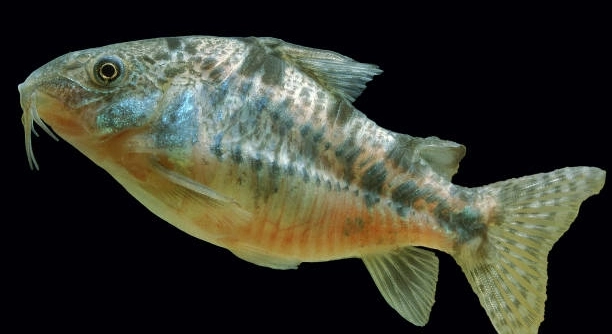
Corydoras catfish are a popular addition to many home aquariums. Knowing when they’re ready to breed can be tricky, but with some observation, you can spot the signs. This article helps you recognize those important cues.
The simplest way to tell if your Corydoras catfish is ready to breed is by observing physical changes and behavior. Female Corydoras may become rounder with eggs, while males may become more active, chasing the females.
Recognizing these signs will help you prepare for successful breeding. We’ll explore the key indicators to look for and what steps you can take to encourage a successful breeding experience.
Physical Appearance of Female Corydoras Catfish
When a female Corydoras catfish is ready to breed, her physical appearance will begin to change. One of the most noticeable signs is a rounder belly. As she develops eggs, her abdomen will become more pronounced, making it easier to identify her readiness for breeding. This swelling is especially evident when she is well-fed and healthy. The female will also appear plumper and more robust compared to males. This change in size is a sign that the fish is preparing for reproduction.
The female’s rounded belly is the primary visual indicator of her readiness to breed. It shows that she is carrying eggs, which can only be fertilized by a male during the breeding process.
You can often spot these changes after a few weeks of appropriate feeding. If you observe a female becoming noticeably round, it could mean she’s preparing to spawn. Keeping a close eye on her behavior and appearance will help ensure you’re ready for the breeding event.
Active Behavior in Males
Males are more active and energetic when they are ready to breed. This behavior may include chasing females or displaying different swimming patterns. Males will become more eager to find a mate and show interest in the female by following her around.
Males typically exhibit these behaviors when they sense that a female is ready to breed. They will become more persistent in trying to get the female’s attention. This activity is usually an indication that the mating process is near.
By observing the male’s increased energy levels, you can prepare for the breeding process. Understanding this behavior helps you anticipate the upcoming event, so you can ensure the best environment for the fish.
Increased Activity and Exploration
When Corydoras catfish are ready to breed, both males and females may show increased activity. This can include swimming around the tank more frequently, exploring new areas, or interacting with other fish. These behaviors suggest they are preparing to find suitable breeding spots.
This increase in movement is often seen in both sexes as they search for the right environment. Males, in particular, may start to be more aggressive or persistent in following the females. They might also make more frequent trips to areas where they feel they can deposit eggs, like plants or substrate.
If you observe these behaviors, it may be a sign that they are preparing to spawn. Keep an eye on the tank conditions to make sure they are favorable for breeding. If you have the right environment, the fish may breed sooner than expected.
Water Temperature and Quality
Water conditions play a crucial role in Corydoras catfish breeding. As they get ready to breed, the temperature in the aquarium often needs to be adjusted slightly. A stable water temperature of about 75-80°F (24-27°C) is ideal for encouraging breeding.
Keeping the water clean and free of toxins is essential for breeding. If the water quality is poor, it can discourage breeding or even harm the fish. Regular water changes, proper filtration, and monitoring water parameters like pH and hardness will ensure the right conditions.
Corydoras are sensitive to environmental changes, so maintaining stable, clean water is crucial. If the temperature rises slightly and the water stays clean, the fish will feel more comfortable and confident in their surroundings. This can lead to successful breeding behavior.
Feeding and Nutrition
When Corydoras catfish are ready to breed, their diet plays a big role. High-quality food that supports their health and energy levels can trigger breeding behavior. A nutritious, protein-rich diet will help the fish develop eggs and sperm.
Offering live or frozen food, such as bloodworms or brine shrimp, can boost their chances of breeding. It’s essential to provide varied meals to keep the fish in top condition. A balanced diet promotes reproductive health and ensures they are ready when the time comes.
Regular feeding with high-quality food will help ensure the fish are in optimal condition for breeding.
Tank Environment
Creating a suitable tank environment is critical for breeding Corydoras catfish. The tank should have plenty of hiding spots and flat surfaces where eggs can be laid. Live plants and smooth rocks are ideal.
A calm and secure environment encourages breeding. When the fish feel safe and comfortable, they are more likely to spawn.
FAQ
How do I know if my Corydoras catfish are breeding?
When Corydoras catfish are breeding, you will see clear signs. Females will have a noticeably rounded belly, indicating they are carrying eggs. Males will be more active, chasing females around the tank and showing interest. You may also see the fish spending time near plants or the tank substrate, where they will lay eggs. Sometimes, males will even nudge or push the females to encourage egg-laying. Once the eggs are deposited, you will notice small, translucent or white eggs stuck to surfaces in the tank.
Can Corydoras catfish breed in a community tank?
Yes, Corydoras catfish can breed in a community tank, but a few considerations should be made. It’s best to ensure that the tank is not too crowded or stressful. The water parameters should be stable, and the fish should have plenty of hiding spots. You should also monitor the behavior of the other fish to ensure they don’t disturb the breeding process. Some species may be aggressive or eat the eggs, so a breeding pair or a more peaceful tank setup is ideal for successful breeding.
Do Corydoras catfish need a mate to breed?
Yes, Corydoras catfish need a mate to breed. The breeding process involves the male fertilizing the eggs laid by the female. It’s important to have a healthy ratio of males to females to ensure successful breeding. Typically, one male can mate with several females. When choosing breeding pairs, it’s crucial to ensure both fish are in good health and physically mature.
How long does it take for Corydoras eggs to hatch?
Corydoras eggs usually take between 3 to 7 days to hatch, depending on the water temperature. Warmer temperatures can speed up the hatching process, while cooler water will slow it down. During this time, the eggs should be kept in stable, clean water to avoid any issues with fungal infections. After hatching, the baby catfish, or fry, will stay near the egg sac for a few days before they begin swimming freely.
What should I do if Corydoras eggs don’t hatch?
If Corydoras eggs don’t hatch, the first step is to check the water parameters, such as temperature, pH, and ammonia levels. Unfavorable water conditions can prevent successful hatching. You can also inspect the eggs for any signs of fungus or damage, as this may be another reason for failure. If the eggs appear to be fertilized and still don’t hatch, consider moving them to a separate breeding tank with optimal conditions for better chances.
What should I feed Corydoras fry?
Corydoras fry are small and delicate, so it’s important to feed them appropriately to support their growth. You can start by offering infusoria or liquid fry food, which is specially designed for very young fish. As they grow, you can introduce finely crushed flakes or baby brine shrimp. Make sure the food is small enough for their tiny mouths. Overfeeding can cause water quality issues, so feed them small amounts frequently throughout the day.
Is it normal for Corydoras catfish to lay eggs without fertilizing them?
Yes, it is common for Corydoras catfish to lay eggs without fertilizing them. Females may lay eggs whether or not a male is present. If the female is not paired with a male, the eggs will not be fertilized, and they won’t hatch. This is a natural behavior and doesn’t necessarily indicate a problem. However, if you want to ensure fertilization, it’s essential to have a healthy male-female pair in the tank.
Can I move Corydoras eggs to a separate tank?
Yes, you can move Corydoras eggs to a separate tank, especially if you want to protect them from being eaten by other fish in the main tank. Make sure the separate tank has similar water conditions (temperature, pH, etc.) to avoid stressing the eggs. You can use a small breeding box or a mesh net to transfer the eggs gently. Keep the water clean and monitor the eggs for any signs of fungal growth or other issues.
How often do Corydoras catfish breed?
Corydoras catfish typically breed every few weeks, but this can vary depending on their environment, diet, and water conditions. They usually breed in cycles, with female fish laying eggs in different locations of the tank. However, breeding frequency can be affected by temperature changes, lighting, and tank conditions. If the environment is ideal and the fish are healthy, they may breed more frequently.
Why do my Corydoras catfish seem to stop breeding?
There are several reasons why Corydoras catfish may stop breeding. Environmental factors such as poor water quality, incorrect temperature, or a lack of proper hiding spots can interfere with their breeding cycle. Stress from other fish or overcrowding can also prevent breeding. In some cases, if the fish are too young or not in optimal health, they may not breed as often. Ensuring that all tank conditions are suitable will encourage more frequent breeding.
Final Thoughts
Breeding Corydoras catfish can be a rewarding experience when you understand the signs and conditions needed for successful reproduction. By paying attention to the physical changes in the females, such as a rounder belly, and observing the males becoming more active, you can know when the fish are ready to breed. It’s also essential to create a comfortable tank environment with clean water, proper temperature, and suitable hiding spots. The right conditions will encourage natural breeding behaviors and ensure that the process goes smoothly.
Feeding plays a significant role in encouraging breeding. A balanced diet rich in protein and nutrients helps ensure that both male and female Corydoras are in top condition. Providing them with live or frozen foods, like bloodworms or brine shrimp, can stimulate breeding activity. Keeping the water conditions stable and making sure the tank is not too crowded will also help the fish feel secure and comfortable enough to breed. These simple yet important steps can make a big difference in whether or not your fish will breed successfully.
Finally, patience is key when breeding Corydoras. It might take some time for the fish to adjust to the breeding conditions and start spawning. Even with the right setup, things may not always go as planned. If the eggs don’t hatch or the fish don’t breed right away, don’t be discouraged. Sometimes it just takes a little time for the fish to get in the right state of mind. With a bit of effort and attention to detail, you can enjoy the rewarding experience of seeing your Corydoras catfish breed and grow.

Hello,
If you enjoy the content that we create, please consider saying a "Thank You!" by leaving a tip.
Every little bit helps us continue crafting quality advice that supports the health, happiness, and well-being of pets around the world, for pets of all shapes, sizes, and species.
We really appreciate the kindness and support that you show us!