
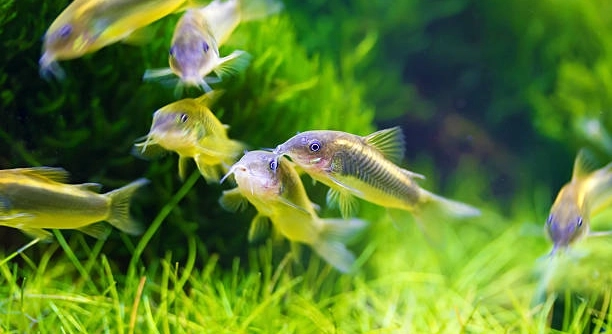
Corydoras catfish and angelfish are popular aquarium species, but their compatibility in a shared tank can be a concern for many. Understanding their behavior and needs is crucial for a peaceful cohabitation.
Corydoras catfish and angelfish can live together under certain conditions. Their compatibility largely depends on tank size, water parameters, and the individual personalities of the fish. Proper care and monitoring are necessary for a harmonious environment.
Factors like tank setup, behavior, and diet can affect their relationship. Understanding these aspects helps in creating a balanced habitat for both species.
Understanding the Needs of Corydoras Catfish
Corydoras catfish are peaceful bottom dwellers that thrive in well-planted tanks. They prefer a calm, stable environment with a substrate that won’t damage their sensitive barbels. Their water temperature should range between 72°F and 78°F, with a slightly acidic to neutral pH. They are social creatures and do best when kept in groups of at least five, as this helps reduce stress and encourages natural behaviors. These catfish are omnivores, feeding on a mix of plant matter and small invertebrates, which makes them easy to care for in most aquariums. They also require good filtration to keep the water clean, as they are sensitive to poor water quality.
While Corydoras are peaceful, they need space to roam and forage. Overcrowding or competition for food can cause stress, which impacts their health. It is also important to ensure that their tankmates are not aggressive or overly territorial.
Corydoras catfish adapt well to community tanks but must be housed with compatible species. Their gentle nature means that they can become stressed if placed with overly aggressive fish, which can affect their overall well-being.
Angelfish Behavior and Requirements
Angelfish are larger, more territorial fish that need room to swim and establish their own space. They thrive in tanks that are at least 20 gallons, with a temperature range of 76°F to 84°F and a pH between 6.5 and 7.5. Angelfish are omnivorous and enjoy a varied diet that includes both plant-based foods and small live or frozen foods. They can be aggressive, especially when protecting their territory or during breeding.
Angelfish may tolerate other fish as long as they don’t invade their space. However, they can be territorial, and tankmates that are small or slow-moving may become targets. With their long, graceful fins, angelfish are also prone to fin nipping, which can be a concern when housed with other fish.
These fish require a peaceful environment but should not be kept with overly passive species that might get bullied. Angelfish also need hiding spots and plants to reduce stress, especially when they feel threatened.
Compatibility of Corydoras Catfish and Angelfish
Corydoras catfish and angelfish can coexist, but only under specific conditions. The tank must be large enough to accommodate both species comfortably, ensuring they each have their own space. Compatibility relies heavily on the setup and tank environment.
The catfish’s peaceful nature means it can coexist with angelfish, provided the angelfish aren’t overly aggressive. Ensuring that each species has adequate space and resources reduces stress. Corydoras are more likely to thrive when placed in well-planted tanks that allow them to retreat and explore. Angelfish may occasionally chase or display territorial behavior, but usually only when they feel their space is threatened.
The key to a peaceful tank is avoiding overstocking and ensuring the water parameters suit both species. It’s important to observe their interactions closely, especially during feeding times, to prevent competition for food. Keeping a close eye on both species can help maintain balance and harmony in the tank.
Tank Setup for Both Species
A well-planted, spacious tank is ideal for housing both Corydoras and angelfish. These fish need a lot of room to move freely and establish territories. A tank of at least 30 gallons is recommended, with smooth substrates to prevent injury to the catfish’s barbels. Plants provide hiding spots and reduce stress.
To keep both species comfortable, create areas where the Corydoras can forage undisturbed while allowing the angelfish to establish territories. Providing hiding spots with plants or rocks will help both fish feel secure. Using a gentle filter ensures clean water without creating too much current, which could stress the fish.
It’s crucial to maintain stable water conditions, such as a consistent temperature and pH, to suit both species. Regular water changes will help keep the environment clean and healthy. With proper care and attention to their needs, Corydoras catfish and angelfish can live peacefully together in the right tank setup.
Feeding Compatibility
Corydoras catfish and angelfish have similar dietary needs, but they eat at different levels in the tank. The catfish feed at the bottom, while angelfish swim higher in the water column. This natural separation can help avoid competition for food.
Angelfish enjoy flakes, pellets, and live or frozen foods. Corydoras, on the other hand, prefer sinking pellets, small invertebrates, and plant matter. Offering a variety of foods and feeding at different levels ensures both species are well-fed. It’s important to avoid overfeeding, as leftover food can negatively impact water quality.
Feeding both species at different times or locations can reduce stress and competition for food, keeping them both healthy. Consistent feeding routines can help each fish get the nutrition it needs without conflicts.
Aggression and Behavior
Angelfish are known for their territorial nature, especially when breeding. They may chase or nip at other fish if they feel their space is being invaded. However, Corydoras are peaceful and spend most of their time on the tank floor, minimizing conflicts.
Corydoras tend to stay out of the angelfish’s way, as they are bottom dwellers and don’t compete for territory. Angelfish are less likely to see Corydoras as a threat, which helps reduce aggressive behavior. However, it’s still important to ensure enough space in the tank to prevent territorial disputes from escalating.
If aggression is noticed, rearranging tank decorations or adding more hiding spots for the Corydoras can help. This provides the catfish with a sense of security and reduces stress from the angelfish’s occasional territorial displays.
Tankmates to Avoid
Avoid placing Corydoras catfish and angelfish with overly aggressive species or larger predatory fish. Species like cichlids or aggressive barbs may stress both species and cause harm. Additionally, slow-moving fish may become targets of the angelfish’s territorial behavior.
Choosing peaceful and similar-sized fish will help maintain a balanced tank. Fish that dwell at different levels or have non-aggressive temperaments tend to work well. Consider species that share similar water parameter needs to keep all fish healthy and stress-free in the same environment.
FAQ
Can Corydoras Catfish Live with Angelfish?
Yes, Corydoras catfish can live with angelfish, but compatibility depends on several factors. The tank must be large enough for both species, and their individual needs must be met. Angelfish tend to be more territorial, while Corydoras are peaceful bottom dwellers. Providing plenty of space, hiding spots, and stable water conditions can help them coexist peacefully.
What Size Tank Do I Need for Corydoras and Angelfish?
A tank of at least 30 gallons is recommended for housing both Corydoras catfish and angelfish. This gives them enough space to establish territories and swim comfortably. Larger tanks are always better, especially if you want to add more fish to the community. The more space they have, the less likely territorial disputes will occur.
What Is the Best Tank Setup for Corydoras and Angelfish?
A well-planted tank with plenty of hiding spots is ideal for both species. Corydoras prefer a soft substrate, like sand, to prevent damage to their sensitive barbels. Angelfish enjoy having plants and decorations to claim as territory. Good filtration is essential to maintain water quality, but the flow should be gentle to accommodate both species.
What Should I Feed Corydoras and Angelfish?
Corydoras are bottom-feeding omnivores and prefer sinking pellets, small invertebrates, and plant matter. Angelfish, being omnivores as well, enjoy flakes, pellets, and occasional live or frozen foods. Offering food at different levels of the tank will ensure both species get their fair share. Avoid overfeeding to prevent water contamination.
Are Corydoras and Angelfish Compatible with Other Fish?
Corydoras and angelfish can live with a variety of other peaceful fish. Corydoras are especially good with species that don’t compete for the bottom of the tank, such as tetras and other peaceful bottom dwellers. Angelfish can be kept with other non-aggressive species, but avoid slow-moving fish or those with long fins that could trigger aggression.
Can Corydoras Live with Aggressive Fish?
Corydoras should not be kept with aggressive fish. These catfish are peaceful and can easily become stressed or injured if placed with overly territorial or aggressive species. It’s best to house Corydoras with other gentle fish that don’t pose a threat to their well-being. Avoid species like large cichlids or aggressive barbs.
What Is the Ideal Temperature for Corydoras and Angelfish?
Both Corydoras and angelfish prefer a water temperature between 72°F and 78°F. Angelfish can tolerate slightly warmer temperatures, but keeping the tank within this range ensures that both species remain comfortable and healthy. Consistent temperature regulation is important for their overall health and to avoid stress.
Do Corydoras Need a Group?
Yes, Corydoras are social fish and should be kept in groups of at least five individuals. A group helps reduce stress and encourages natural behaviors, like foraging and schooling. Keeping a larger group can also make them feel more secure, as they are less likely to get picked on by other fish.
How Often Should I Feed Corydoras and Angelfish?
Both Corydoras and angelfish should be fed once or twice a day. It’s important not to overfeed, as leftover food can pollute the water. Offering small amounts of food ensures that all fish are able to eat without waste accumulating in the tank. A balanced diet with varied foods will keep them healthy.
Can Corydoras Live with Other Catfish?
Corydoras can live with other catfish species, but it’s important to choose peaceful types that don’t compete for space or food. Avoid keeping them with larger or more aggressive catfish species, as they may bully the smaller Corydoras. Fish like Otocinclus catfish can be a good companion for them.
Do Corydoras and Angelfish Need Special Water Conditions?
Both Corydoras and angelfish prefer slightly acidic to neutral water. Corydoras thrive in a pH range of 6.5 to 7.5, while angelfish do well in the same range, although they can tolerate slightly higher pH levels. Regular water changes and monitoring water parameters will ensure both species stay healthy.
How Can I Reduce Aggression Between Corydoras and Angelfish?
To reduce aggression, provide plenty of hiding spots, plants, and decorations that allow both species to establish their territories. Avoid overstocking the tank, as this can lead to stress and competition for resources. If aggression persists, consider rearranging the tank or separating the fish temporarily.
Do Corydoras and Angelfish Need to Be Kept in Pairs?
Neither Corydoras nor angelfish need to be kept in pairs, but both species benefit from being housed with others of their kind. Corydoras should be kept in groups of five or more, while angelfish can live alone or in pairs, depending on their temperament.
Can I Keep Corydoras and Angelfish in a Small Tank?
It’s not recommended to keep Corydoras and angelfish in a small tank. Both species need space to swim and establish territories. A tank smaller than 30 gallons can lead to stress, aggression, and poor water quality. A larger tank will help ensure a more peaceful environment for both species.
What Are the Signs of Stress in Corydoras and Angelfish?
Signs of stress in Corydoras include lethargy, loss of appetite, and hiding for long periods. Angelfish may display erratic swimming, fin clamping, or become more aggressive. Stress can be caused by poor water conditions, lack of space, or incompatible tankmates. Regular water changes and a stable environment can help reduce stress.
Final Thoughts
Corydoras catfish and angelfish can live together in a well-maintained aquarium, provided the right conditions are met. Their peaceful nature and different swimming levels often help them avoid direct conflicts. Corydoras are bottom dwellers, and angelfish usually swim in the middle to top regions of the tank. This separation minimizes the chances of competition for space. However, some considerations should be taken into account to ensure they both thrive. Adequate tank size, water quality, and proper feeding routines are all essential to creating a suitable environment for both species.
The key to keeping Corydoras and angelfish together is providing a stable and peaceful tank environment. They both thrive in similar water parameters, with a temperature range of 72°F to 78°F, and a pH between 6.5 and 7.5. Ensuring there is enough space for each species to establish their territories is important. Corydoras should be kept in groups of at least five, as they are social creatures. The angelfish can live alone or in pairs, depending on their temperament, but a larger tank is recommended for both species. Proper filtration, along with regular water changes, will help maintain the water quality and prevent stress.
While both species are compatible in many ways, monitoring their behavior regularly is crucial. Angelfish can be territorial, particularly during breeding, and may exhibit aggression toward other fish. Corydoras, being peaceful, are unlikely to provoke conflict, but they still need a stress-free environment. Providing enough hiding spots and tank decorations can help prevent any potential issues. With proper care and attention to their needs, Corydoras and angelfish can coexist peacefully and make a beautiful addition to a community tank.

Hello,
If you enjoy the content that we create, please consider saying a "Thank You!" by leaving a tip.
Every little bit helps us continue crafting quality advice that supports the health, happiness, and well-being of pets around the world, for pets of all shapes, sizes, and species.
We really appreciate the kindness and support that you show us!