
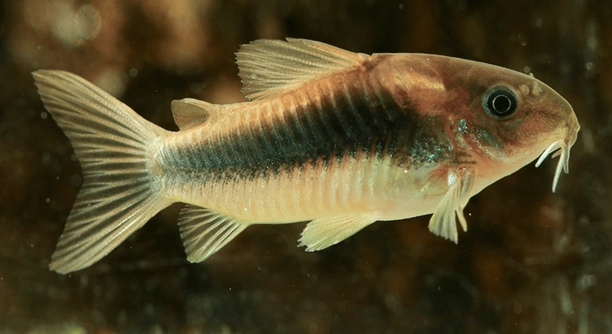
Corydoras catfish are social creatures that thrive in groups, making their reluctance to school a puzzling issue. Understanding the reasons behind this behavior can help you ensure a healthy and happy environment for them.
The lack of schooling in Corydoras catfish can be caused by factors like stress, inadequate tank conditions, or health issues. Environmental factors such as water temperature, tank mates, and the presence of hiding spots can also influence their social behavior.
Several key factors affect your Corydoras’ behavior, and understanding them can help resolve this issue and improve their social interactions.
Stress and Anxiety in Corydoras Catfish
Stress can be a significant reason your Corydoras catfish aren’t schooling. These fish are sensitive to changes in their environment. Factors like sudden water temperature shifts, loud noises, or changes in tank mates can cause them to feel anxious, which might make them less likely to group together. Additionally, when Corydoras feel threatened or unsafe, they may retreat to hiding spots rather than staying with the group.
Creating a calm, stable environment can help alleviate stress and encourage schooling. Consider minimizing loud disturbances, such as loud aquarium pumps or outside noise. Also, providing plenty of hiding spaces can help your fish feel secure, especially when they need a break from social interactions.
A peaceful tank environment ensures your Corydoras feel comfortable and more likely to school with others. Stress reduction is crucial for their overall health and well-being.
Inadequate Tank Size or Layout
A tank that’s too small or poorly designed can prevent Corydoras from schooling. These fish need ample space to move freely. A cramped tank leads to territorial disputes or overcrowding, causing anxiety and disrupting their natural behavior.
Ensuring your tank is large enough for the number of Corydoras you have is important. A tank size of at least 20 gallons is generally recommended for a small group. Additionally, a well-planned layout with hiding spots, plants, and open swimming spaces will encourage the fish to explore while still feeling safe. The layout should include areas where the fish can retreat to if they feel stressed but also offer enough space for them to swim freely in groups.
Creating the right environment for your Corydoras requires attention to both tank size and layout. A larger, well-planned tank gives these fish the freedom they need to exhibit natural schooling behavior.
Health Issues Affecting Corydoras Catfish
Health problems can also affect your Corydoras catfish’s ability to school. If a fish is sick or injured, it might separate itself from the group for safety and rest. Illnesses like parasites, infections, or fin damage can cause stress, making it less social.
Check for any signs of disease, such as changes in behavior, color, or physical appearance. If one fish seems weak or lethargic, isolate it in a separate tank for treatment. Proper water quality and regular tank maintenance will help reduce the risk of health problems.
If you notice any signs of sickness, addressing it early is crucial to prevent the spread of illness to other fish. A healthy Corydoras catfish will be more likely to engage in schooling behavior and interact with its group.
Water Quality Problems
Water quality is a key factor for Corydoras catfish to thrive and school. Poor water conditions, such as incorrect pH, high ammonia levels, or low oxygen, can stress these fish. Even subtle changes can cause discomfort and prevent them from grouping together.
Regular water changes and proper filtration are essential for keeping your tank clean and stable. Test the water frequently to ensure it stays within the appropriate ranges for your fish. Corydoras prefer slightly acidic to neutral water, and oxygenated environments encourage active behavior. Keeping the water temperature stable is also vital. When the water quality is optimal, the fish will feel more at ease, encouraging natural schooling behavior.
Maintaining water quality goes beyond just water changes; it includes making sure that the right temperature and parameters are consistently met. This promotes a healthier environment, making your Corydoras feel secure and more likely to engage with others.
Poor Tank Mates
The presence of incompatible tank mates can discourage Corydoras from schooling. Aggressive fish or those that occupy the same bottom layer of the tank can cause stress, pushing Corydoras to stay apart from their group. Peaceful community fish are the best companions.
Make sure to choose tank mates that are calm and avoid those that could intimidate or chase your Corydoras. Fish like tetras, small gouramis, or other peaceful catfish are ideal. This ensures your Corydoras feel comfortable and secure enough to interact with each other.
Corydoras thrive in peaceful, non-competitive environments. Avoid aggressive species that may disrupt their natural behavior, causing your fish to isolate themselves. A harmonious community tank will encourage schooling.
Temperature Fluctuations
Corydoras catfish are sensitive to temperature changes. Sudden shifts in water temperature can cause them distress, leading them to seek shelter rather than interact with their group. Consistency is key.
Keeping the tank temperature stable within the recommended range (72-78°F) helps prevent stress and encourages social behavior. Temperature fluctuations, whether due to the environment or equipment issues, can disturb their natural patterns. Using a reliable heater and thermometer will help you maintain a consistent and comfortable environment.
Proper temperature control is essential for ensuring your Corydoras feel secure and able to engage with the group. Even small changes can negatively impact their behavior.
Overcrowding
Overcrowding is another factor that can lead to a lack of schooling. If too many fish are placed in a tank without enough space, Corydoras may feel cramped and isolated, causing stress. This affects their social behavior.
Make sure to provide enough space for each fish, as well as hiding spots and areas to swim freely. Overcrowding increases the chances of territorial disputes, which can disrupt the peaceful nature of Corydoras. A good rule of thumb is to have at least 5 gallons of water per Corydoras fish in the tank.
Providing a spacious environment ensures that Corydoras have room to move around comfortably and interact with each other. This will help promote healthy social behavior and schooling.
FAQ
Why aren’t my Corydoras catfish schooling?
If your Corydoras aren’t schooling, it could be due to several factors. Stress, health issues, poor water quality, tank mates, or even overcrowding can all disrupt their natural behavior. Corydoras are social fish, so if they’re not in the right environment, they’ll avoid grouping up. Check the water quality, make sure they have peaceful tank mates, and ensure the tank size is suitable. Addressing these issues can encourage them to school more naturally.
How do I know if my Corydoras are stressed?
Stressed Corydoras may display behaviors like staying at the bottom of the tank, hiding more often, or swimming erratically. They might also show signs of lethargy or reluctance to eat. If they seem to avoid other fish or are not swimming with the group, stress could be the cause. Pay attention to water quality, temperature, and tank conditions to reduce stress.
Can Corydoras school with other species of fish?
While Corydoras are social fish, they generally prefer to school with others of their own species. However, they can sometimes school with other peaceful bottom-dwelling species. Tetras or other non-aggressive fish that share the same temperament may cohabit with Corydoras but won’t necessarily school with them. For optimal schooling, it’s best to keep a group of Corydoras together.
What is the best tank size for Corydoras catfish?
For a small group of Corydoras, a tank size of at least 20 gallons is recommended. This gives them enough space to swim freely and interact with each other. If you plan to keep more than a few Corydoras, consider upgrading the tank size to accommodate their active nature and prevent overcrowding. A larger tank also helps maintain stable water conditions, which are crucial for their well-being.
Do Corydoras need a filter?
Yes, Corydoras need a reliable filtration system. They are sensitive to poor water quality, and a good filter helps keep the water clean and oxygenated. Make sure the filter is gentle enough not to create strong currents, as Corydoras prefer calm waters. Regular water changes and maintenance are also key to ensuring good water quality.
What temperature do Corydoras catfish prefer?
Corydoras thrive in a temperature range of 72-78°F (22-26°C). Maintaining a consistent temperature within this range helps reduce stress and supports healthy behavior. Temperatures that are too high or too low can cause health problems and prevent them from schooling. Using a heater with a thermometer can help keep the water temperature stable.
How often should I clean my Corydoras’ tank?
Cleaning frequency depends on the tank size and the number of fish, but a good rule of thumb is to perform partial water changes (about 25%) every two weeks. This helps maintain good water quality. In addition to water changes, you should also clean the substrate and check for excess waste or uneaten food. Regular maintenance prevents water quality issues that could stress your Corydoras.
Why do my Corydoras hide so much?
Corydoras are naturally shy fish and may hide if they feel stressed, threatened, or if their tank environment is not ideal. They may also hide when they’re not feeling well or when there’s an issue with water quality. If they’re hiding too much, check the water parameters and ensure they have enough hiding spots, as well as suitable tank mates.
Can Corydoras live with other bottom-dwellers?
Corydoras can live with other bottom-dwellers, as long as they are peaceful and non-aggressive. Species such as loaches or peaceful plecos are good companions. However, it’s essential to ensure that there is enough space for everyone to avoid territorial behavior. Avoid keeping aggressive species that may compete for the bottom space or chase your Corydoras.
How many Corydoras should I keep together?
Corydoras are social fish and should be kept in groups of at least 4 to 6 individuals. Keeping a small group allows them to feel secure and encourages natural schooling behavior. Larger groups are even better, as Corydoras naturally prefer to be around their own kind for both social interaction and protection.
Do Corydoras need a lot of plants in their tank?
While Corydoras do not require excessive plants, having a few plants or decorations can make them feel more comfortable. Plants provide hiding spots and break up the tank’s layout, offering your Corydoras a sense of security. Be sure to leave enough open swimming space, as Corydoras are active bottom dwellers.
How can I encourage my Corydoras to school?
To encourage schooling, ensure your Corydoras are in a calm, stress-free environment. Keep the water clean, maintain stable temperatures, and provide plenty of space. A larger group will naturally encourage the fish to school more. Avoid overcrowding and choose tank mates that won’t intimidate them.
Why do my Corydoras swim separately?
Corydoras may swim separately if they’re stressed, unwell, or feel unsafe. It can also happen if their environment is not suitable for schooling. If they’re not in a comfortable environment, they will seek shelter or swim alone. Improving the tank conditions, ensuring proper tank mates, and addressing health issues can help them socialize more.
Are Corydoras active at night?
Corydoras are often more active during the evening or night, especially in a dimly lit tank. They are nocturnal to some degree and will explore the substrate for food during these times. If your Corydoras seem less active during the day, this might be due to the lighting or tank environment.
Do Corydoras need to be in a tank with other fish?
While Corydoras can live alone, they are happiest and healthiest when kept in groups of their own species. They are social fish that rely on the presence of other Corydoras to feel secure. Keeping them with compatible, non-aggressive tank mates can also benefit their behavior and well-being.
Final Thoughts
Corydoras catfish are peaceful, social fish that thrive in groups. Their schooling behavior is an important part of their natural instincts, helping them feel secure and comfortable in their environment. If your Corydoras aren’t schooling, it may be due to various factors such as stress, poor water quality, incompatible tank mates, or overcrowding. Addressing these issues can encourage them to school and lead to a healthier, happier tank. Ensuring a stable environment is key for their well-being.
Maintaining the proper tank conditions, such as temperature, water quality, and space, is essential for Corydoras. They require clean, well-oxygenated water with consistent temperatures between 72-78°F (22-26°C). This helps reduce stress and supports their natural behavior. A peaceful community of tank mates also plays a vital role. Corydoras prefer calm, non-aggressive companions. Avoid overcrowding, and ensure your fish have enough space to swim and interact freely. Proper tank setup is crucial for helping your Corydoras feel safe and secure.
By providing the right environment and understanding the needs of Corydoras, you can ensure they live a healthy and fulfilling life. Remember, these fish are naturally social, and they will thrive when housed with their own kind. A well-maintained tank, with careful attention to water parameters and tank mates, will allow your Corydoras to show their natural schooling behavior. Keeping an eye on their needs and adjusting their environment as needed will lead to a more active and engaged group of Corydoras, enhancing the overall beauty of your aquarium.

Hello,
If you enjoy the content that we create, please consider saying a "Thank You!" by leaving a tip.
Every little bit helps us continue crafting quality advice that supports the health, happiness, and well-being of pets around the world, for pets of all shapes, sizes, and species.
We really appreciate the kindness and support that you show us!