
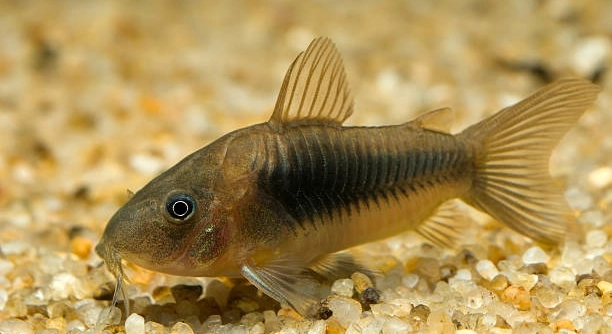
Corydoras catfish are popular aquarium fish known for their peaceful nature. If your catfish isn’t growing as expected, there could be several underlying causes. These factors can often be addressed with a few simple adjustments.
The primary reasons for slow growth in Corydoras catfish include poor water quality, inadequate diet, and suboptimal tank conditions. These factors hinder their development and prevent them from reaching their full size potential. Addressing these issues can promote growth.
Making the right changes to the environment can help restore growth to your Corydoras catfish. Identifying and correcting these factors ensures healthier, more active fish in your aquarium.
Poor Water Quality Can Stunt Growth
Corydoras catfish are sensitive to water quality, which is one of the most common reasons for slow growth. Ammonia, nitrites, and high nitrates can all have a negative impact. Poor filtration, infrequent water changes, and overcrowded tanks contribute to these problems. The water needs to be clean and stable for the catfish to thrive. Regular water testing and adjustments are key to providing a healthy environment. Maintaining a consistent temperature between 72°F and 79°F is also crucial. If the water quality is compromised, growth will be slow and the fish may become stressed.
A filter that properly circulates and cleans the water is essential. Always ensure the filter is rated for the size of your tank.
To keep your Corydoras catfish growing well, invest time in regular water changes. Cleaning the tank and removing debris will prevent toxic buildup. Additionally, adding live plants can help naturally filter the water. Keeping water parameters stable ensures your catfish have the best chance to grow to their full size.
Insufficient Diet
A poor diet will directly affect your Corydoras’ growth. They require a balanced diet, rich in proteins, to grow properly. Avoid offering only one type of food. Include a variety of sinking pellets, live or frozen foods, and occasional vegetables. Feeding them a well-rounded diet mimics what they would eat in the wild, promoting healthier development.
Fish that don’t receive enough variety in their food often become malnourished, slowing their growth rate. A feeding schedule with the right amounts is important. Avoid overfeeding, as this can also cause water quality issues.
By offering a varied diet, you give your Corydoras the nutrients they need to grow at a healthy rate. Supplementing their diet with fresh or frozen foods like brine shrimp, daphnia, or bloodworms can provide the essential protein they need. Additionally, a higher-quality pellet or flake food will ensure they’re getting the vitamins and minerals necessary for growth.
Inadequate Tank Space
Corydoras catfish need space to move and grow properly. An overcrowded tank can cause stress, affecting their health and growth. A tank that is too small doesn’t allow for natural behavior and can lead to territorial issues. Providing enough space is essential for their well-being and development.
A tank of at least 20 gallons is recommended for a group of Corydoras catfish. This ensures they have enough room to swim and explore, which encourages better physical growth. Overcrowding can also lead to poor water quality, which we already know slows their growth.
In a spacious environment, Corydoras catfish can grow without the added stress of competing for space or oxygen. A larger tank also allows for more plants and hiding spots, which can help reduce anxiety. Giving them space to live naturally is a simple but effective way to promote their growth. A comfortable habitat leads to happier, healthier fish.
Improper Water Temperature
Corydoras catfish are sensitive to temperature fluctuations. If the water is too cold or too warm, their metabolism slows down, affecting their growth rate. Maintaining a stable temperature between 72°F and 79°F is essential for optimal development. Extreme temperature changes can lead to stress and health issues.
Invest in a reliable aquarium heater to maintain a constant temperature. Regularly check the tank’s temperature with an aquarium thermometer to ensure it stays within the right range. Sudden shifts in temperature can cause shock, so make adjustments gradually.
Corydoras catfish are native to warmer waters, so consistent warmth helps them digest food and grow. If the water is too cold, they may stop eating or become lethargic, delaying growth. Keeping the tank temperature stable ensures they remain active, healthy, and able to develop to their full potential.
Stress from Tank Mates
Aggressive or overly active tank mates can stress your Corydoras catfish, hindering their growth. Corydoras prefer peaceful environments, and any form of aggression can affect their health. A calm tank environment allows them to grow without the added pressure of constant fear.
Choose tank mates carefully to avoid aggression. Avoid keeping them with large or overly aggressive fish, which can bully the Corydoras. Fish like tetras, gouramis, or peaceful rasboras are good choices for cohabitation.
When tank mates are compatible, Corydoras catfish feel safer, which encourages healthy growth. A calm environment allows them to spend more energy on eating and growing rather than protecting themselves from stress. Healthy interactions with other fish make a noticeable difference in their overall development.
Inconsistent Feeding Schedule
An inconsistent feeding schedule can affect your Corydoras’ growth. If they aren’t fed regularly, they may become malnourished, leading to slower development. Stick to a daily feeding routine to ensure they get enough nutrition at the right time.
A regular feeding schedule also helps maintain water quality, as uneaten food can cause pollution. By feeding consistently, you also help your Corydoras develop a healthy routine and avoid stress. Regular meals ensure they are getting enough energy to grow properly.
Low Oxygen Levels
Corydoras catfish thrive in well-oxygenated water. If the oxygen level in the tank is too low, their growth can slow down, and they may appear lethargic. Aeration equipment like air pumps or sponge filters can help maintain optimal oxygen levels.
FAQ
Why isn’t my Corydoras catfish growing?
There are several reasons why your Corydoras catfish may not be growing. Poor water quality, insufficient diet, inadequate tank space, improper water temperature, stress from tank mates, and low oxygen levels can all contribute to stunted growth. Ensuring clean water, a balanced diet, proper tank size, and stable environmental conditions is key to promoting growth.
What is the ideal tank size for Corydoras catfish?
A tank of at least 20 gallons is recommended for Corydoras catfish, especially if you plan to keep more than one. They are social fish and do best in groups, so providing enough space will help them thrive. Overcrowding can lead to stress and poor growth.
How often should I change the water for my Corydoras catfish?
It is recommended to change 20-25% of the water weekly. This will help maintain clean, stable water conditions and reduce harmful toxins. Regular water changes are essential for Corydoras catfish, as they are sensitive to poor water quality, which can slow their growth.
What is the best temperature for Corydoras catfish?
Corydoras catfish thrive in temperatures between 72°F and 79°F. Keeping the tank within this range is crucial for their health and growth. Fluctuating temperatures can cause stress and metabolic issues, so a consistent, stable temperature is important.
What do Corydoras catfish eat?
Corydoras are omnivores and require a varied diet. Their diet should consist of high-quality sinking pellets, live or frozen foods like bloodworms or brine shrimp, and occasional plant-based foods such as blanched vegetables. A balanced diet ensures they get the necessary nutrients for growth.
How can I reduce stress for my Corydoras catfish?
To reduce stress, keep Corydoras with peaceful tank mates and provide plenty of hiding spots. Avoid aggressive fish that may bully them. Also, ensure the tank is well-maintained with clean water, proper oxygen levels, and a consistent temperature.
Can Corydoras catfish live alone?
While Corydoras can live alone, they are social fish and thrive in groups. Keeping at least three or more in a tank promotes natural behavior and reduces stress. A group setting also encourages better growth and health.
How do I know if my Corydoras catfish is healthy?
A healthy Corydoras catfish will have a smooth, shiny body and be active in the tank. They should swim around the tank, often scavenging for food. If your Corydoras is lethargic, has faded coloring, or is not eating, it may be a sign of stress or illness.
Can I feed Corydoras catfish too much?
Yes, overfeeding can lead to water quality issues, as uneaten food will break down and pollute the water. Additionally, it can cause obesity and other health issues for your Corydoras catfish. Stick to feeding them the right amount of food once or twice a day.
What are the signs of poor water quality in my Corydoras tank?
Signs of poor water quality include cloudy water, visible algae growth, and an increase in ammonia, nitrites, or nitrates. If your Corydoras are gasping at the surface, showing lethargy, or not eating, it could also be a sign of poor water quality. Regular water tests can help identify any issues.
Can I add live plants to my Corydoras tank?
Yes, adding live plants to your Corydoras tank is beneficial. Plants provide hiding spots and help maintain water quality by absorbing excess nutrients. They also mimic the natural habitat of Corydoras, making them feel more comfortable. Just ensure that the plants do not overcrowd the tank.
How long does it take for Corydoras catfish to reach full size?
Corydoras catfish typically reach full size within 1-2 years. However, growth rates can vary depending on water conditions, diet, and overall care. Maintaining optimal conditions will help them grow at a healthy and consistent pace.
Do Corydoras catfish require a filter?
Yes, a good filtration system is necessary for maintaining clean water in the tank. Corydoras catfish are sensitive to poor water quality, and a filter helps remove toxins like ammonia and nitrites. A sponge filter is ideal, as it provides gentle water movement, which Corydoras prefer.
How can I tell if my Corydoras catfish is sick?
Signs of illness in Corydoras catfish include faded colors, abnormal swimming patterns, loss of appetite, or visible signs of injury. If you notice these signs, check the water parameters and consider isolating the sick fish in a quarantine tank. Early intervention can prevent the spread of disease.
Are Corydoras catfish good for beginner aquarium owners?
Corydoras catfish are generally considered good for beginners due to their peaceful nature and ease of care. However, they do require clean water, a stable environment, and a proper diet. Beginners should ensure they can meet these basic needs to help the fish thrive.
What tank mates are best for Corydoras catfish?
Peaceful, non-aggressive fish make the best tank mates for Corydoras catfish. Good options include tetras, guppies, and rasboras. Avoid keeping them with aggressive species, as stress can hinder their growth. Also, consider fish that prefer similar water parameters for a harmonious tank environment.
How do I clean my Corydoras catfish tank?
To clean your Corydoras tank, perform regular water changes of 20-25% weekly, vacuum the substrate to remove waste, and clean the filter as needed. Avoid disturbing the catfish too much while cleaning. A clean tank promotes healthier fish and improves overall water quality.
Do Corydoras catfish need a lot of attention?
Corydoras catfish do not require constant attention but benefit from regular maintenance. Ensure their tank environment is stable and clean, and provide them with a varied diet. They will be content as long as their basic needs are met.
Final Thoughts
Corydoras catfish are relatively easy to care for when their basic needs are met. Ensuring that they have clean water, a stable temperature, and a balanced diet will go a long way in promoting healthy growth. They are social creatures, so keeping them in groups of at least three or more is important for their well-being. A peaceful environment, free from aggressive tank mates, also contributes to a stress-free atmosphere that helps them thrive. With attention to their needs, Corydoras can be long-lived and active members of your aquarium.
Growth issues with Corydoras catfish often stem from environmental stressors such as poor water quality, inadequate diet, or incompatible tank mates. It’s important to regularly monitor the water conditions in the tank, especially ammonia, nitrite, and nitrate levels, to prevent stunted growth. An inconsistent feeding schedule or low-quality food can also hinder their development, so sticking to a nutritious, varied diet is essential. Regular maintenance, including water changes and cleaning the substrate, ensures that the catfish stay healthy and continue to grow at a proper rate.
In the end, understanding what makes Corydoras catfish thrive is key to keeping them healthy and happy. Addressing any environmental factors that could contribute to stress or poor growth will make a noticeable difference in their development. Whether you’re a new or experienced aquarium owner, knowing the specific care requirements for Corydoras catfish will help them reach their full potential. Proper care, regular monitoring, and a well-maintained tank are all crucial elements in helping these charming fish flourish.

Hello,
If you enjoy the content that we create, please consider saying a "Thank You!" by leaving a tip.
Every little bit helps us continue crafting quality advice that supports the health, happiness, and well-being of pets around the world, for pets of all shapes, sizes, and species.
We really appreciate the kindness and support that you show us!