
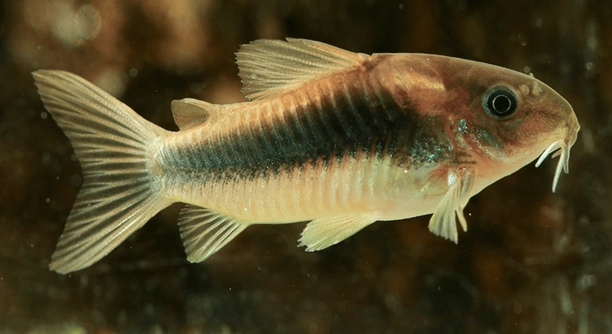
Corydoras catfish are a popular choice for aquarium enthusiasts, known for their peaceful nature and distinct appearance. However, in a busy tank, these catfish can face challenges that impact their comfort and well-being.
To ensure your Corydoras catfish thrive in a busy tank, it’s important to create an environment with plenty of hiding spaces, maintain stable water parameters, and reduce stressors like aggressive tankmates. A calm, safe habitat promotes their health and comfort.
By following these tips, you can help your Corydoras feel more at ease in a bustling aquarium environment.
Providing Adequate Hiding Spaces
Corydoras catfish are naturally shy and like to have places where they can retreat when they feel threatened. In a busy tank, with various fish swimming around, it’s important to create hiding spaces. Adding plants, rocks, or caves in various spots gives them the option to seek shelter. Corydoras are bottom dwellers, so having structures near the substrate will make them feel safer. These hiding spots can help reduce their stress levels and allow them to feed and rest comfortably without constantly being exposed.
Without sufficient hiding spaces, Corydoras may become stressed, leading to poor health and even a weakened immune system. A few well-placed rocks or driftwood can go a long way in creating a more secure environment for them. By offering multiple hiding spots, you also give your catfish the chance to explore different areas of the tank. It can improve their overall behavior, ensuring they remain active and healthy.
Providing hiding places doesn’t just benefit Corydoras; it can also help maintain a peaceful atmosphere in your tank. By reducing stress, you’ll help keep all fish in your aquarium calm and more cooperative. In addition to boosting comfort, hiding spaces allow each fish to maintain its territory and avoid unwanted conflicts.
Stable Water Parameters
Maintaining stable water conditions is crucial for Corydoras catfish. These fish are sensitive to fluctuations in temperature, pH, and water hardness. Sudden changes can cause stress, weakening their immune system and making them vulnerable to diseases.
You should monitor the water regularly and ensure the tank’s temperature stays within the optimal range for Corydoras, typically between 72-78°F. Regular water changes and the use of a good filtration system will help keep water parameters stable. Furthermore, test the water for pH and hardness, making adjustments when necessary to ensure a consistent environment for your catfish.
The water’s quality is directly linked to the comfort and well-being of Corydoras. Poor water quality can lead to reduced appetite, lethargy, and even death. By maintaining a stable and clean environment, you not only enhance your Corydoras’ health but also prevent other fish from becoming stressed. This ultimately creates a more harmonious tank, where every fish feels secure and comfortable.
Reduce Aggressive Tankmates
Corydoras catfish thrive in peaceful environments. Aggressive or overly active fish can stress them out. It’s essential to select tankmates that are calm and won’t harass them. Avoid fish that may nip at their fins or chase them around.
Fish like tetras, peaceful rasboras, or guppies are great companions for Corydoras. These fish won’t pose a threat, allowing your catfish to move around without constant fear. Aggressive species, like certain cichlids, can make your Corydoras hide most of the time, leading to stress and poor health.
By maintaining a harmonious community tank, Corydoras will be able to swim and forage without constant stress. Fish that are too active or territorial can cause Corydoras to retreat and miss out on food, which can lead to malnutrition. Avoiding aggression keeps your catfish happy, healthy, and comfortable.
Feed Properly
Corydoras catfish are bottom feeders, often scavenging for food. However, in a busy tank, food can be quickly consumed by other fish. It’s important to ensure that your Corydoras are receiving enough food. Offering sinking pellets or tablets will make sure they get their share.
Feed your Corydoras small amounts of food a few times per day, rather than overfeeding them. This helps prevent waste buildup and keeps the water quality stable. Always remove uneaten food promptly to avoid water contamination.
It’s also beneficial to occasionally supplement their diet with frozen or live food, such as bloodworms or brine shrimp. These treats add variety and are rich in nutrients, helping to keep your catfish healthy and active. Proper feeding is key to ensuring their comfort in a busy tank, especially if other fish are competing for food.
Maintain Good Tank Conditions
A clean tank environment is crucial for the health and comfort of your Corydoras. Regular water changes and filter maintenance ensure a stable habitat. Removing excess debris and waste from the substrate prevents harmful buildups that could stress your catfish.
Be sure to vacuum the substrate regularly, as Corydoras spend most of their time on the tank floor. This will help keep the tank clean and reduce the risk of algae or harmful bacteria growth. Proper filtration is also key, ensuring good water flow without causing stress from strong currents. A well-maintained tank supports a healthier, more comfortable living space.
Avoid Strong Currents
Corydoras catfish prefer slow-moving water. In a busy tank, strong currents can make it difficult for them to swim and find food. Choose a filter with adjustable flow settings to control the water movement. A calmer environment helps your catfish feel more secure.
A gentle current allows Corydoras to move freely without expending too much energy. Using a sponge filter or adjusting the intake on your filtration system can minimize water movement while still providing proper filtration. By creating a more peaceful water flow, your Corydoras can explore the tank without being pushed around.
Keep Tank Temperature Stable
Corydoras thrive in a specific temperature range, usually between 72-78°F. Sudden changes in temperature can cause stress and weaken their immune system. Use a reliable heater to maintain a steady temperature in the tank.
It’s important to monitor the temperature regularly with an aquarium thermometer. This ensures your Corydoras are in a comfortable and stable environment. Sudden temperature swings, especially in a busy tank, can lead to health issues like lethargy or susceptibility to disease. Consistent warmth allows your catfish to stay active and comfortable, reducing stress.
FAQ
How can I tell if my Corydoras catfish is stressed?
Signs of stress in Corydoras include hiding more than usual, reduced appetite, rapid breathing, and erratic swimming behavior. If your catfish is staying in one spot or not coming out to feed, it may be stressed. Changes in behavior, such as swimming near the surface or constantly darting around the tank, can also indicate discomfort. Observe your catfish for any sudden shifts in activity levels or appearance, such as fading colors or damaged fins, which can point to stress or poor health. Regularly check water parameters, as poor conditions can also cause these symptoms.
Can Corydoras catfish live with other species?
Yes, Corydoras are peaceful fish and generally get along well with other calm, non-aggressive species. Tetras, guppies, and small rasboras are good tankmates. Avoid keeping them with larger or more aggressive fish that might intimidate or harm them. Since Corydoras are bottom dwellers, they tend to focus on foraging for food, making them less likely to interact aggressively with other species. However, it’s important to ensure that their tankmates do not outcompete them for food or space. Creating a peaceful and balanced community tank helps Corydoras feel more at ease.
What is the best tank setup for Corydoras catfish?
Corydoras thrive in a tank with plenty of hiding spots, smooth substrates, and good filtration. They prefer soft, slightly acidic to neutral water and a stable temperature between 72-78°F. Adding plants, caves, or rocks allows them to retreat when needed. Make sure the substrate is fine-gravel or sand, as sharp or rough surfaces can damage their delicate barbels. Use a filter that provides gentle water flow, as strong currents can stress them. Also, maintaining stable water conditions is key to their health, so regular water changes and monitoring of water parameters are essential.
How often should I feed my Corydoras catfish?
Feed your Corydoras small amounts of food two to three times a day. Since they are bottom feeders, sinking pellets or tablets are ideal. It’s important to not overfeed them, as uneaten food can pollute the tank. Remove any leftover food after about 10-15 minutes to maintain water quality. In addition to pellets, you can offer frozen or live food like bloodworms, brine shrimp, or daphnia. A varied diet is essential for their health and helps keep them active and strong. Monitor their eating habits to ensure they are getting enough nutrients without overfeeding.
Can Corydoras live in cold water?
Corydoras catfish prefer warmer water and are not well-suited for cold-water tanks. Their ideal temperature range is 72-78°F. In colder water, they may become lethargic and more susceptible to diseases. If your aquarium is too cold, you should invest in a reliable heater to maintain a consistent and appropriate temperature. Sudden drops in temperature can cause stress and potentially harm your Corydoras. Always ensure your tank’s temperature remains stable and falls within the range that suits your fish.
Do Corydoras need a heater?
Yes, Corydoras need a heater to maintain a stable temperature within their preferred range of 72-78°F. A heater is essential, especially in rooms where temperature fluctuations are common. Without a consistent temperature, Corydoras can become stressed, and their immune systems may weaken, making them more prone to illness. Use an aquarium thermometer to monitor the temperature regularly, ensuring it stays within the recommended range. A reliable heater helps provide a comfortable environment and supports the long-term health of your catfish.
Why do Corydoras bury themselves in the substrate?
Corydoras are bottom-dwelling fish that naturally seek shelter in the substrate. They often bury themselves in the sand or gravel to forage for food, as they have specialized barbels that help them detect food on the tank floor. This behavior is entirely normal and part of their feeding process. Corydoras use the substrate to hide from any potential threats, offering them a sense of security. It also provides them with a space to rest and feel safe when they are not actively swimming or foraging.
How long do Corydoras catfish live?
Corydoras catfish typically live for around 5-10 years, depending on their care and tank conditions. With proper maintenance, a well-balanced diet, and stable water parameters, they can live longer. Providing a stress-free environment also plays a significant role in their longevity. Regular water changes, appropriate tank mates, and monitoring for any signs of illness can help extend their lifespan. Keep in mind that Corydoras are sensitive to poor water conditions, and a stable, healthy tank is key to ensuring they live a long and happy life.
What type of water do Corydoras catfish prefer?
Corydoras catfish thrive in soft to moderately hard water with a pH between 6.0 and 7.5. It’s essential to avoid sudden changes in water parameters, as Corydoras are sensitive to rapid fluctuations. The water should be clear, clean, and free from toxins like ammonia and nitrites. Regular water changes, proper filtration, and careful monitoring of the water quality are necessary to maintain ideal conditions. The soft water of a well-maintained aquarium helps prevent stress and ensures the overall well-being of your Corydoras.
Do Corydoras need to be kept in groups?
Yes, Corydoras are social creatures and should be kept in groups of at least 3-5 individuals. Keeping them in groups helps reduce their stress levels and allows them to exhibit their natural behavior. They feel safer when surrounded by their own kind, which reduces their tendency to hide or become overly shy. A group also allows them to interact with each other, improving their overall health and well-being. If you keep Corydoras alone, they may become stressed and less active, which can affect their lifespan.
Final Thoughts
Caring for Corydoras catfish in a busy tank requires attention to their specific needs. These peaceful, bottom-dwelling fish thrive in calm and stable environments. A proper tank setup with smooth substrate, consistent water temperature, and gentle filtration can make a significant difference in their comfort and health. By ensuring that their environment mimics their natural habitat, you provide them with the best chance for a long, happy life. Keeping the water clean and free of strong currents is key to their well-being.
While Corydoras are hardy and adaptable fish, they do require proper care. Overfeeding, improper water conditions, and unsuitable tank mates can all lead to stress, which affects their behavior and health. It is essential to maintain a regular cleaning routine and check the water parameters regularly. A stable environment, combined with a varied diet, helps keep them active and healthy. Monitor their behavior closely to ensure that they are not showing signs of stress or illness.
Ultimately, keeping Corydoras in a busy tank can be a rewarding experience. These fish are peaceful and fascinating to observe, and with the right care, they can live for many years. By considering their specific needs and making small adjustments to the tank, you create a space where they feel secure and comfortable. This not only benefits the Corydoras but also contributes to the overall harmony of your aquarium. With attention to detail and a little patience, your Corydoras catfish will thrive alongside their tankmates.

Hello,
If you enjoy the content that we create, please consider saying a "Thank You!" by leaving a tip.
Every little bit helps us continue crafting quality advice that supports the health, happiness, and well-being of pets around the world, for pets of all shapes, sizes, and species.
We really appreciate the kindness and support that you show us!