
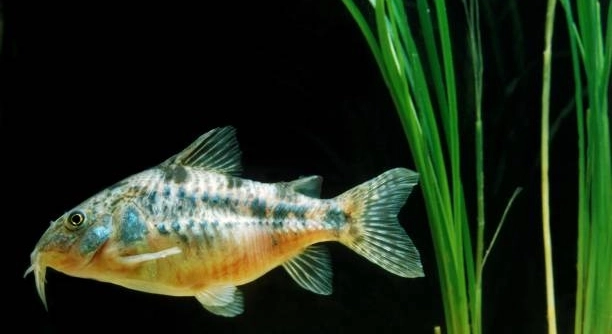
Corydoras catfish are fascinating creatures, often showing increased activity during the morning hours. Observing their behavior can help aquarium owners better understand their needs and habits. If you’ve noticed your Corydoras active in the mornings, you’re not alone.
The main reason why your Corydoras catfish may be more active in the mornings is due to their natural behavior patterns. These fish are crepuscular, meaning they are most active during dawn and dusk, and mornings align with their active periods.
Several factors influence their morning activity, such as environmental conditions and feeding schedules. Understanding these aspects can help optimize their habitat and daily routine for better health and well-being.
Natural Behavior of Corydoras Catfish
Corydoras catfish are naturally more active during the early morning hours. This behavior is tied to their instincts as crepuscular creatures, meaning they are most active during twilight hours, including dawn. In the wild, this activity pattern helps them avoid predators, as they are more vulnerable during the brighter parts of the day. By being more active at dawn, Corydoras can feed and interact in a safer, less exposed environment.
This behavior in aquariums can also be influenced by the lighting conditions. Dimmer morning light mimics their natural environment and encourages activity. If your aquarium light is set to gradually brighten during the morning, it may stimulate their instinctual activity.
It’s important to note that the morning hours provide a calmer, less stressful environment for these fish. The quieter time in the aquarium can lead to more relaxed, confident behavior. This means the Corydoras will be less likely to hide and more likely to swim around, search for food, or engage in social behavior with other tank mates.
Feeding Schedules
One of the main factors affecting morning activity in Corydoras catfish is their feeding schedule. These fish are bottom feeders, often searching for food at dawn. When you feed them early in the day, it aligns with their natural routines. This encourages them to be more active, knowing food is available. Their feeding behavior is highly linked to their daily rhythm.
Morning feeding is especially effective when combined with dim lighting in the aquarium. As the tank lights gradually increase in intensity, Corydoras become more aware that it’s time to forage. Over time, they may adjust their activity pattern to match your feeding routine.
The frequency and timing of feedings can help regulate your catfish’s activity and improve their overall health. For example, feeding them once in the morning, after the lights start to brighten, may create a predictable routine that keeps them energized and active.
Water Temperature
Corydoras catfish are sensitive to temperature changes, and the morning hours can see slight shifts in water temperature as your aquarium lights come on. These changes can encourage them to become more active. A slightly cooler tank in the early morning might stimulate them to search for food and explore their surroundings.
In the wild, Corydoras experience gradual temperature fluctuations due to natural daylight changes. By mimicking this environment in your aquarium, you’re giving them a more natural habitat. If your tank temperature drops at night and rises in the morning, it can signal to your Corydoras that it’s time to start foraging.
If the temperature difference is too extreme, it could stress your fish. Consistency is key in maintaining a healthy environment. Use a reliable aquarium heater and a thermometer to monitor fluctuations, ensuring a comfortable range for your fish, typically between 72-78°F (22-26°C).
Lighting Conditions
Lighting plays a significant role in Corydoras’ morning activity. These fish are more likely to be active during the early morning hours when the light is dim or gradually brightening. Artificial lighting in aquariums that mimics sunrise can help trigger their natural behavior. A gradual increase in light can provide them with a cue that it’s time to start moving and foraging.
While they are crepuscular, Corydoras also rely on lighting to regulate their internal clocks. The right lighting schedule helps your catfish develop a predictable routine. If your aquarium light is too bright or inconsistent, it can cause confusion and disrupt their natural patterns. For best results, try to replicate dawn and dusk by setting up a timer for your tank’s lights to gradually brighten and dim throughout the day. This will keep your Corydoras in sync with their natural rhythms.
Tank Mates
Corydoras catfish are social fish and enjoy being active with their tank mates, especially in the morning when they feel safe. If they are housed with peaceful species, they tend to explore more. A calm tank environment supports their natural routines and encourages them to stay active during the early hours.
Fish that are more aggressive or territorial may cause stress, which results in less activity. Corydoras will usually retreat to hiding spots if they feel threatened. To ensure your catfish remain active, choose non-aggressive tank mates that won’t disrupt their morning activity.
Tank Maintenance
Regular tank maintenance can impact the activity level of your Corydoras catfish. Clean water and proper filtration are essential for their well-being. Dirty water, especially in the morning, can affect their health and make them less active. Frequent water changes and cleaning help maintain an environment where Corydoras feel safe to explore.
Ensuring that your tank is free from debris or leftover food will also help your catfish remain active during the morning hours. Excess waste or uneaten food can pollute the water and cause stress, lowering their activity levels. A clean tank gives them the freedom to move around and forage comfortably.
Health Factors
The health of your Corydoras catfish plays a large role in their morning activity. If they are unwell or stressed, they may not display the typical early morning behavior. Common signs of stress or illness in Corydoras include lethargy, lack of appetite, and hiding.
Stress factors like poor water quality, high temperatures, or aggressive tank mates can affect their behavior. If your Corydoras are not as active as usual, it’s important to check the water conditions, ensure proper feeding, and monitor any changes in their environment. Regular health checkups and proper care can help keep them active and healthy.
FAQ
Why are Corydoras catfish more active in the morning?
Corydoras catfish are naturally crepuscular, meaning they are most active at dawn and dusk. The early morning hours align with their instinctual behaviors in the wild, where they forage for food and interact with their environment. Mimicking these conditions in an aquarium encourages them to follow similar activity patterns.
Can I adjust my Corydoras’ morning activity by changing the light schedule?
Yes, adjusting the lighting schedule can help regulate their behavior. Corydoras are sensitive to light cues, and a gradual increase in light during the morning hours can stimulate their natural activity. Set your aquarium light to slowly brighten in the morning to replicate the sunrise effect. This helps synchronize their activity with the dawn, encouraging movement and foraging.
Do Corydoras catfish need to be fed in the morning to stay active?
Feeding your Corydoras in the morning can definitely enhance their activity levels. Since they are bottom feeders, they naturally seek food during the early hours. A well-timed feeding routine aligns with their instincts and encourages them to be more active, as they associate the start of the day with food availability.
Can water temperature affect how active my Corydoras are?
Yes, water temperature can impact their behavior. Corydoras are most active when the water temperature is in their ideal range, typically between 72-78°F (22-26°C). If the temperature fluctuates too much, it can stress them out, causing them to be less active. Maintaining stable water temperatures encourages a more predictable activity pattern, especially in the mornings when they are most active.
What should I do if my Corydoras aren’t active in the morning?
If your Corydoras aren’t active, check the water conditions, tank mates, and lighting. Poor water quality, aggressive tank mates, or inconsistent lighting could be factors affecting their behavior. Ensure the water is clean, and the temperature is stable. Consider adjusting the light cycle to better match their natural rhythm, and avoid overcrowding or introducing stress-inducing tank mates.
How do Corydoras interact with other fish in the morning?
Corydoras are peaceful and social fish, often interacting with their tank mates in the morning. They are likely to explore the bottom of the tank and interact with other peaceful species. However, if there are aggressive fish in the tank, Corydoras may become less active or retreat to hiding spots. It’s best to house them with non-aggressive species to encourage their morning activity.
Can Corydoras catfish get too active?
Corydoras typically don’t get “too active” unless there are external factors like stress or poor water quality. If they seem overly active or are swimming erratically, it could indicate issues such as water quality problems or illness. If this happens, it’s important to check the tank for signs of stress and address the underlying issue to ensure their well-being.
Is there a best time to feed Corydoras for optimal activity?
The best time to feed Corydoras is in the early morning, shortly after the lights have started to brighten. This aligns with their natural foraging habits. Feeding them during this time helps reinforce their activity pattern, and they will be more inclined to search for food, which in turn boosts their overall activity.
Can the presence of other fish influence Corydoras’ morning activity?
Yes, the presence of other fish can influence Corydoras’ behavior. In a tank with peaceful species, Corydoras will feel comfortable enough to be active during the morning hours. However, if there are aggressive or territorial fish, Corydoras may become stressed and reduce their activity. Ensuring a peaceful tank environment helps maintain their natural activity patterns.
How often should I clean my tank to keep Corydoras active?
Keeping your tank clean is essential to maintaining the health and activity levels of your Corydoras. Regular water changes, filter cleaning, and debris removal help ensure the water quality remains high. Poor water conditions can stress out your fish and make them less active. Aim for weekly water changes of 20-30%, and remove any uneaten food to prevent waste buildup.
What are the best tank mates for Corydoras to maintain morning activity?
Corydoras do best with peaceful tank mates. Small, non-aggressive fish like tetras, guppies, and peaceful barbs are great companions. These species will not disrupt the Corydoras’ natural behavior and will encourage a calm, active environment. Avoid placing Corydoras with large or territorial fish, as this can stress them out and reduce their morning activity.
Final Thoughts
Corydoras catfish are fascinating creatures with unique behaviors, especially in the mornings. Their early activity is deeply connected to their natural instincts and the environment you provide for them. Whether it’s the water temperature, lighting, or the presence of tank mates, each factor plays a role in how active they are. These little fish rely on subtle cues to guide their behavior, and understanding these can help you create an environment that encourages their natural patterns.
Maintaining a stable and clean environment for your Corydoras is key. Water quality and temperature, as well as proper tank lighting, are essential for their health and activity levels. A well-maintained tank with peaceful tank mates helps ensure that your Corydoras feel safe enough to be active in the morning. Regular tank cleaning, proper feeding, and careful monitoring of the aquarium’s conditions will contribute to their overall well-being and natural behavior.
By observing your Corydoras closely, you can learn how to fine-tune their environment to meet their specific needs. This way, they will not only be more active in the morning but also thrive in the long run. When you create an environment that mimics their natural habitat, you give them the best chance to live a healthy, fulfilling life. Keeping things consistent will help you enjoy the playful, lively nature of these delightful fish for years to come.

Hello,
If you enjoy the content that we create, please consider saying a "Thank You!" by leaving a tip.
Every little bit helps us continue crafting quality advice that supports the health, happiness, and well-being of pets around the world, for pets of all shapes, sizes, and species.
We really appreciate the kindness and support that you show us!