
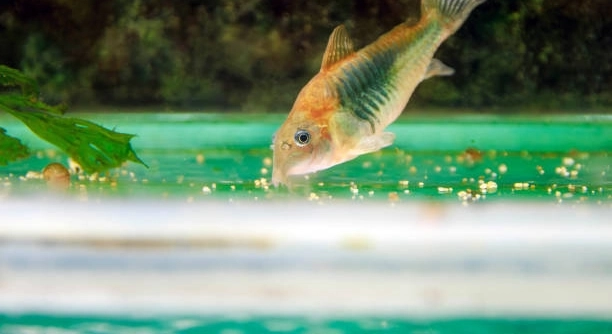
Corydoras catfish are beloved for their calm demeanor and attractive appearance, making them a popular choice for freshwater aquariums. However, when they begin to lose color, it can be worrying for fish owners. This article will explore the potential causes of this issue.
Corydoras catfish can lose their color due to various factors, including stress, water quality issues, and poor nutrition. Underlying health problems such as infections or genetic factors may also contribute to their color loss.
Several possible reasons exist for your corydoras catfish losing color, but understanding these causes can help you resolve the issue and maintain your fish’s health. By knowing what to look for, you’ll be able to make the right adjustments in their care.
Stress from Environment Changes
Stress can cause your corydoras catfish to lose its color. Changes in their environment, like sudden shifts in water temperature or new tankmates, may unsettle them. Fish thrive in stable conditions, so sudden changes can lead to anxiety, affecting their appearance. Additionally, overcrowding can increase stress levels. When fish feel overwhelmed, their immune system weakens, making them more prone to health issues. It’s important to maintain a consistent and calm environment for your catfish, which can help them stay vibrant and healthy. Regularly check water parameters, such as pH, temperature, and ammonia levels, to avoid unnecessary stress.
A consistent routine is key to preventing stress. Fish need stability in their environment to feel secure and avoid stress-related color loss.
To reduce stress, ensure the tank is well-maintained. Avoid drastic water changes, and monitor the fish’s behavior for signs of distress. If you’re introducing new fish, do it slowly, giving everyone time to adjust. Healthy fish usually exhibit brighter colors, so ensuring a peaceful environment is essential for their wellbeing. Stress-related color loss often clears up once the stress is removed, but maintaining consistency can help prevent future issues.
Poor Water Quality
Water quality plays a significant role in the health of your corydoras catfish. When water parameters, such as ammonia, nitrites, or nitrates, are too high, it can cause health problems, including color loss. Dirty water can irritate the fish’s skin and gills, leading to stress and weakened immune systems. Regular water changes are crucial in keeping the tank’s environment clean and safe.
Proper filtration and water testing should be part of your routine.
Ammonia and nitrites should always read zero, while nitrates should be kept below 20 ppm. Regular water changes help keep the tank’s conditions stable, ensuring your fish stay healthy. It’s also important to clean the substrate, as uneaten food and waste can accumulate, causing water quality issues. By keeping the water clean, you minimize the risk of your fish losing color due to environmental factors. This simple step is one of the easiest ways to maintain the vibrancy of your corydoras catfish.
Poor Nutrition
If your corydoras catfish is not getting the right nutrients, it can affect its color. A lack of essential vitamins and minerals, especially carotenoids, may lead to fading. A well-balanced diet is important for maintaining vibrant color and overall health. Feeding them quality, varied food can prevent these issues.
Make sure to offer a variety of food, such as sinking pellets, frozen or live foods, and occasional plant matter. A diet that includes high-quality ingredients provides the necessary nutrients to keep their colors bright. Overfeeding, however, can lead to poor water quality, so be mindful of the amount offered.
Some corydoras may also require supplemental foods rich in carotenoids, like spirulina or beta-carotene, to maintain their natural colors. If your catfish is lacking these nutrients, their hues may appear dull or faded. Providing a well-rounded diet helps avoid nutritional deficiencies, ensuring your catfish stays healthy and colorful. Consistently offering proper nutrition is one of the simplest ways to promote a vibrant appearance.
Health Issues
Infections or parasites can cause your corydoras catfish to lose color. Illnesses such as fungal infections or external parasites can damage their skin, leading to color fading. When your fish is sick, it may become lethargic, have visible lesions, or show abnormal behavior. Immediate attention to these symptoms is crucial.
If you suspect an infection, isolate the affected fish and assess water quality. Poor water conditions often make fish more susceptible to diseases. A thorough examination of the fish can help you identify the type of issue, whether it’s a bacterial infection, parasitic outbreak, or another health problem. If you’re unsure, consulting with an aquatic veterinarian is recommended.
Treating health problems early is key to preventing further damage. Proper medication and a clean environment will help your corydoras recover. Once the illness is resolved, you should notice their colors returning to normal. Always monitor your fish closely to spot any signs of illness, as early intervention can make a significant difference.
Genetics
Some corydoras catfish may naturally have lighter or duller colors due to their genetics. This can happen if they come from a breed with less intense pigmentation. Genetic variations can impact their color, making them more susceptible to fading.
While you can’t change genetics, understanding it helps set expectations. Fish from certain lines or species may have inherently duller colors than others. If your catfish is naturally pale, it’s likely not a result of poor care but just part of its genetic makeup.
Lighting
Improper lighting in the tank can lead to color loss. If your aquarium lights are too bright or too dim, it may affect the colors of your corydoras. Some fish rely on specific light conditions to maintain their vibrant hues.
A balanced light schedule is key to keeping your fish’s colors at their best. Ensure the tank receives about 10-12 hours of light daily, with the proper spectrum for fish health. Too much light can also lead to algae growth, which can make the tank appear murky, causing stress for your fish.
Tankmates
Aggressive or overly active tankmates can stress your corydoras catfish, leading to a loss of color. If other fish are constantly bothering or chasing them, it can cause them to feel threatened. This stress, in turn, impacts their appearance.
It’s essential to choose peaceful tankmates that won’t harass your catfish. Corydoras are peaceful fish that thrive in calm environments. By selecting compatible species, you can reduce stress and help your fish maintain their natural colors.
FAQ
Why is my corydoras catfish losing its color?
Corydoras catfish can lose color for several reasons. Stress, poor water quality, inadequate nutrition, health issues, genetics, lighting, and tankmate aggression can all contribute to a loss of vibrancy. Maintaining a stable environment, proper diet, and good tank hygiene are essential to help prevent this problem. Regular observation can help identify any specific cause and allow for appropriate action.
Can poor water quality cause my corydoras to lose color?
Yes, poor water quality is one of the most common reasons why your corydoras catfish may lose its color. Elevated levels of ammonia, nitrites, or nitrates in the water can harm your fish, leading to stress and fading color. Regular water changes, proper filtration, and maintaining balanced water parameters can help prevent this.
What type of food should I feed my corydoras to maintain its color?
Corydoras need a balanced diet to keep their colors bright. High-quality sinking pellets, frozen or live foods like brine shrimp, bloodworms, and occasional plant matter will provide essential nutrients. Foods rich in carotenoids, such as spirulina, can also enhance pigmentation. Ensure your fish gets a variety of foods for optimal health.
Can tankmates affect my corydoras’ color?
Aggressive or overly active tankmates can stress your corydoras catfish, leading to color loss. If other fish constantly chase, nip, or bully your catfish, it can cause stress and make them lose their color. Choosing peaceful, compatible tankmates will help maintain a calm environment and keep your corydoras vibrant.
What role does lighting play in my corydoras catfish’s color?
Lighting affects the appearance of your corydoras catfish. Too much bright light can cause stress, while too little can dull their colors. Proper lighting helps maintain a natural day/night cycle and brings out the fish’s natural hues. Ensure your tank is lit for about 10-12 hours a day with the right spectrum of light.
Is it normal for corydoras catfish to lose color with age?
As corydoras catfish age, it’s natural for them to lose some vibrancy. This can be due to the slowing of metabolism or changes in their environment. However, if you notice a sudden or dramatic color change, it could indicate stress or a health issue that needs attention.
Can I prevent my corydoras from losing color?
Yes, there are several ways to help prevent your corydoras from losing color. Providing a stable and clean environment, ensuring good water quality, feeding a balanced diet, and avoiding aggressive tankmates are all key factors. Regular tank maintenance and close monitoring of your fish can help detect potential issues early.
How often should I change the water to prevent color loss?
Water changes should be done regularly to keep water quality high and prevent issues that can cause color loss. A good rule of thumb is to change 25-30% of the water every week. This helps remove toxins, maintain stable parameters, and keep your fish healthy. Always test water levels to ensure proper conditions.
Can stress alone make my corydoras lose color?
Yes, stress can definitely cause your corydoras to lose color. Stress can be caused by various factors, including poor water quality, environmental changes, or aggressive tankmates. By reducing stressors, your catfish will feel more secure, and their color should improve. A calm, stable environment is essential for maintaining healthy and vibrant fish.
Do all corydoras catfish species have the same color patterns?
No, not all corydoras species have the same color patterns. Different species have different natural colorations and patterns. For example, some may have bright metallic hues, while others have a more muted tone. It’s important to note that the genetics of each species can also affect how vibrant their colors are.
Is there a way to improve my corydoras’ color naturally?
Yes, a good diet can significantly improve your corydoras’ color naturally. Foods that are rich in carotenoids, like spirulina or algae-based products, can boost pigmentation. Maintaining optimal water conditions and providing a stress-free environment will also help your catfish display its best colors. Avoiding excessive light and ensuring adequate hiding spots can also contribute to a healthier and more vibrant fish.
Final Thoughts
When your corydoras catfish starts losing color, it can be concerning. However, understanding the various factors that contribute to color fading can help you identify the problem and take the necessary steps to address it. Stress, poor water quality, and inadequate nutrition are some of the most common reasons for this issue. By maintaining a stable and clean environment for your fish, you can significantly reduce the chances of color loss. Regular water changes, proper tank maintenance, and ensuring the right diet are key to supporting your corydoras’ health and vibrant appearance.
Another important aspect to consider is the tankmates. Corydoras catfish are peaceful and enjoy a calm environment, so aggressive or overly active fish can cause stress and lead to color fading. It’s essential to choose compatible fish that won’t disturb or intimidate your corydoras. Also, be mindful of the lighting in your aquarium. Too much light can stress your fish, while too little light can cause their colors to appear dull. Aim for balanced lighting that mimics a natural day and night cycle, which will help keep your fish healthy and vibrant.
Lastly, remember that color loss can sometimes be a sign of health issues or genetic factors. If the color fading persists despite maintaining good water conditions and providing proper care, it may be worth consulting a veterinarian who specializes in fish health. By addressing the possible causes of color loss and taking preventive measures, you can ensure your corydoras catfish remains healthy, happy, and colorful. Regularly observing your fish and being proactive about their care will help them thrive in your aquarium for a long time.

Hello,
If you enjoy the content that we create, please consider saying a "Thank You!" by leaving a tip.
Every little bit helps us continue crafting quality advice that supports the health, happiness, and well-being of pets around the world, for pets of all shapes, sizes, and species.
We really appreciate the kindness and support that you show us!