
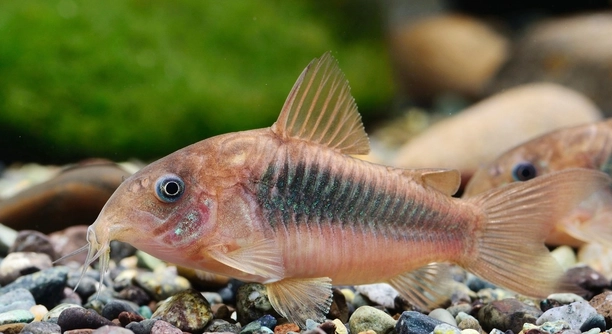
Corydoras catfish are popular in aquariums, but if your fish keeps surfacing for air too often, it can signal an issue. Understanding the possible causes can help ensure your fish stays healthy and comfortable in its environment.
The most common reasons your Corydoras catfish surfaces frequently include poor water quality, low oxygen levels, water temperature changes, or stress. These factors can impact the fish’s ability to breathe properly, prompting them to seek air at the surface.
Identifying and addressing these issues will help maintain a stable environment for your catfish and prevent unnecessary stress.
Poor Water Quality
Your Corydoras catfish can be very sensitive to changes in water quality. If the water has high levels of ammonia or nitrites, it can irritate the gills, causing the fish to swim to the surface more often. Dirty water not only impacts their breathing but also their overall health. It’s essential to maintain proper filtration and perform regular water changes to keep the environment safe. Make sure your filter is functioning correctly and that water parameters, such as pH, hardness, and salinity, stay stable.
Testing your water regularly is crucial for identifying any potential problems before they escalate. Water changes should be done consistently to prevent the buildup of harmful substances. If you notice frequent air-surfacing in your catfish, test the water immediately to check for harmful chemicals.
A sudden increase in ammonia or nitrite levels is one of the most significant triggers for stress in fish. If the levels are too high, your Corydoras catfish will struggle to breathe properly, which leads to them seeking air at the surface. Monitoring your water quality regularly is the most effective way to ensure your fish stays healthy.
Low Oxygen Levels
Another possible reason your Corydoras catfish may keep surfacing for air is a drop in oxygen levels. If the water becomes too still or the oxygen supply is inadequate, your fish may have trouble getting enough air. You can remedy this by increasing water movement, adding an air stone, or investing in a more powerful filter.
Improving water circulation can help oxygenate the tank, reducing the likelihood of your fish having to reach the surface for air.
Temperature Fluctuations
Temperature changes in your tank can stress your Corydoras catfish, causing them to surface more frequently. If the water temperature is too high or low, it can affect their breathing patterns. Make sure the tank maintains a stable temperature, ideally between 72°F and 78°F, to keep your fish comfortable.
Rapid fluctuations, whether from a malfunctioning heater or the surrounding environment, can force your fish to adjust by swimming up for air. A stable temperature is essential for maintaining the overall health of your fish, ensuring they do not experience unnecessary stress. You can use a reliable aquarium heater and thermometer to monitor and regulate the water temperature.
If temperature swings are frequent in your tank, the catfish may not get enough oxygen, which is why they seek the surface. Consistent temperature control prevents such stress, helping your fish thrive without needing to come up for air as often. Investing in proper equipment is vital to maintaining a healthy tank.
Stress
Stress can play a major role in your Corydoras catfish surfacing for air. Factors like overcrowding, aggressive tankmates, or even changes in the tank environment can make them anxious. When they’re stressed, they tend to breathe more rapidly and may move to the surface for relief.
Minimizing stress is key to ensuring your Corydoras catfish stays healthy. Providing a peaceful environment with appropriate tankmates and enough hiding spots will reduce their anxiety. Additionally, sudden changes to the tank setup can trigger stress, so it’s best to make any changes gradually to avoid alarming your fish.
When a Corydoras catfish is stressed, its normal breathing pattern is disrupted, causing it to seek oxygen at the surface. Stress reduction strategies like maintaining tank harmony, ensuring proper space, and avoiding sudden changes can help prevent this issue. Creating a calm environment contributes to their overall well-being, allowing them to thrive in your tank.
Water Contaminants
Chemicals like chlorine or chloramine can be harmful to your Corydoras catfish. These contaminants irritate their gills, forcing them to surface for air. Always use a water conditioner to neutralize chlorine before adding tap water to your tank. Avoid using untreated water to maintain a healthy environment.
Even small amounts of chlorine or chloramine can cause stress in fish, leading to erratic behavior like surfacing for air. A properly conditioned tank will help your catfish breathe more comfortably. Make sure your water conditioner is effective for removing harmful chemicals that might linger in your tap water.
Regular water testing is essential to spot any contaminants that may be causing issues for your fish. Adding a filtration system that targets chemical pollutants will also improve water quality. Keeping the water clean and free from contaminants is a vital part of supporting the health of your Corydoras catfish.
Overfeeding
Overfeeding can lead to poor water quality, which indirectly causes your Corydoras catfish to surface for air. Leftover food decomposes, increasing ammonia levels in the tank. Stick to a feeding schedule to prevent overfeeding and keep the water clean. Only feed as much as your fish can consume in a few minutes.
Excess food in the tank leads to a buildup of organic waste. This increases the nitrogen levels in the water, ultimately making it more difficult for your catfish to breathe properly. Overfeeding can also encourage the growth of harmful bacteria and algae, which further stress the fish.
Illness
If your Corydoras catfish is sick, it may surface for air more often. Conditions like gill infections or parasites can impair their breathing ability. Symptoms of illness include lethargy, loss of appetite, or irregular swimming patterns. A healthy catfish should swim smoothly at the bottom of the tank.
FAQ
Why is my Corydoras catfish swimming at the surface all the time?
Corydoras catfish are typically bottom dwellers, so if they’re spending more time near the surface, it usually signals an issue. Poor water quality, low oxygen levels, or temperature fluctuations can cause them to seek air at the surface. Stress from overcrowding, aggression from tankmates, or an improper environment can also lead to this behavior. Regular maintenance of water quality and monitoring of temperature can help resolve the issue.
Can Corydoras catfish die from surfacing too often?
If the problem persists and isn’t addressed, yes, excessive surfacing can cause harm. Stress and inadequate oxygen intake can weaken the fish’s immune system, making it more susceptible to diseases. Ensuring good water quality, proper filtration, and maintaining stable conditions will prevent this. If the fish continues to surface frequently, it’s crucial to check water parameters and temperature right away.
How often should I clean the tank to avoid water issues?
Cleaning your tank regularly is essential for maintaining a healthy environment. It’s best to perform partial water changes (about 25%) every two weeks to prevent a buildup of toxins like ammonia or nitrites. Along with this, vacuuming the substrate to remove excess debris and uneaten food is important. A clean tank helps prevent conditions that might cause your Corydoras catfish to surface more often.
Is my Corydoras catfish stressed? How can I tell?
Stress in Corydoras catfish can manifest through behavior such as excessive surfacing, hiding, or erratic swimming patterns. Look for signs like reduced appetite, aggressive tankmate interactions, or changes in swimming behavior. If the fish becomes unusually active near the surface or is hiding more than usual, stress is likely the cause. Stress reduction is key to maintaining your fish’s health.
What should I do if the water quality is poor?
If water quality is poor, immediate action is needed. Start by checking the ammonia, nitrite, and nitrate levels using an aquarium testing kit. Perform a partial water change to dilute harmful chemicals, and make sure your filter is running properly. Invest in a good filtration system if necessary. Regular water testing and maintenance can prevent issues from escalating.
How can I improve oxygen levels in my aquarium?
To increase oxygen levels, improve water movement and ensure proper filtration. You can add an air pump or air stone to help circulate the water and increase oxygen exchange. In heavily stocked aquariums, aeration becomes especially important to ensure all fish have access to enough oxygen. Oxygenating your water is key for maintaining a healthy tank.
Should I adjust the temperature for my Corydoras catfish?
Corydoras catfish prefer stable water temperatures between 72°F and 78°F (22°C to 25°C). If your water temperature fluctuates too much, it could cause stress and lead to them surfacing more frequently. Ensure your heater is working correctly, and consider investing in a quality thermometer to monitor the water temperature. A steady temperature helps keep your fish comfortable and less stressed.
Can I keep Corydoras catfish with other species?
Corydoras catfish are peaceful and do well in community tanks. Avoid housing them with aggressive fish, as this will stress them out and may lead to excessive surfacing. Choose tankmates that are calm and non-territorial, ensuring there is enough space for everyone. Proper tank setup and compatible fish selection will help your Corydoras catfish thrive.
What are the best water conditions for Corydoras catfish?
Corydoras catfish do best in slightly acidic to neutral water, with a pH between 6.0 and 7.5. They also prefer soft to moderately hard water. Keeping the tank clean, filtering the water regularly, and ensuring stable conditions will help maintain the optimal environment for your fish. Test the water parameters regularly to ensure they stay within the ideal range.
What are the signs of illness in Corydoras catfish?
Sick Corydoras catfish may show signs such as lethargy, loss of appetite, abnormal swimming behavior, or visible lesions. Their gills may appear swollen or discolored, and they may have difficulty breathing. If you notice any of these symptoms, it’s essential to act quickly. Isolate the affected fish, treat the tank for potential diseases, and monitor water quality closely.
Final Thoughts
Understanding the reasons behind your Corydoras catfish surfacing for air too often is key to providing a healthy environment for your fish. Whether it’s due to poor water quality, stress, or temperature fluctuations, recognizing the signs early can help you address the issue before it becomes a bigger problem. Consistent water testing, temperature control, and maintaining a clean tank are essential steps in keeping your fish comfortable and healthy. Ensuring proper filtration and aeration will also contribute to a well-balanced environment for your catfish.
It’s also important to monitor your fish for other signs of illness or stress. Corydoras catfish are generally peaceful and resilient, but they can be sensitive to changes in their environment. Excessive surfacing can often point to issues like low oxygen levels, overcrowding, or the presence of harmful contaminants. In these cases, making gradual adjustments and offering a stress-free environment can go a long way in helping your catfish thrive. Keeping your tank properly maintained is vital not only for the health of your Corydoras but for all the other species living in the same environment.
By paying attention to your Corydoras catfish’s behavior and responding appropriately to changes in their environment, you can ensure they live a long, healthy life. A peaceful, stable tank will allow them to engage in their natural behaviors without the need to surface for air constantly. Regular maintenance, monitoring, and a calm atmosphere are the keys to keeping your fish in optimal condition.

Hello,
If you enjoy the content that we create, please consider saying a "Thank You!" by leaving a tip.
Every little bit helps us continue crafting quality advice that supports the health, happiness, and well-being of pets around the world, for pets of all shapes, sizes, and species.
We really appreciate the kindness and support that you show us!