
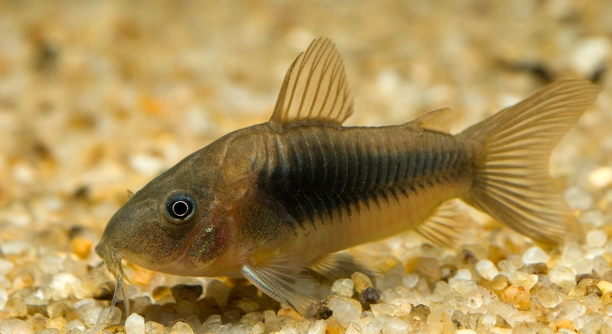
Is your Corydoras catfish spending most of its time near the filter intake instead of swimming around the tank like usual? This behavior may seem harmless at first but could indicate something more important.
Corydoras catfish often hang around the filter intake due to factors like water quality issues, strong currents, low oxygen levels, stress, or illness. The filter’s location might also offer a sense of security or cooler water temperatures.
Understanding these possible causes will help you take the right steps to improve your catfish’s environment and overall well-being.
Common Reasons Your Corydoras Stays Near the Filter
Corydoras catfish are known for their playful and active behavior, but when they begin to linger around the filter intake, it can mean something has changed in their environment. One common reason is low oxygen levels in the tank. Corydoras breathe through both their gills and a specialized gut process, often surfacing for air when needed. If the water lacks proper oxygenation, they may stay near the filter where water movement is strongest and oxygen is higher. Other times, stress from poor water quality or sudden changes in temperature can push them to retreat to areas they feel are safer or more stable. It’s also worth noting that illness or discomfort may cause lethargy, prompting them to seek out calmer, quieter spots. Lastly, the filter intake may offer a cooler or more soothing current that feels comfortable when the rest of the tank feels overwhelming.
Watch their activity patterns and tank behavior closely.
In some cases, the filter intake creates a small pocket of calm that feels protective. If your Corydoras is overwhelmed by tank mates or constant movement, this space may seem like a quiet escape.
Water Conditions and Tank Setup
A healthy tank setup is essential.
Poor water conditions are often the root of unusual Corydoras behavior. These fish are sensitive to ammonia, nitrite, and nitrate levels, and even slight imbalances can trigger stress responses. Regular testing and water changes help maintain safe parameters. Also, sudden temperature shifts or incorrect pH levels can impact their comfort. If your filter area provides better flow and cleaner water, your Corydoras may stick to that spot simply because it feels better. Tank layout matters too—if hiding spots are limited or other fish dominate certain areas, they may feel pushed toward the filter for relief. A strong current might also tire them out, especially if they have no calm areas to rest. To help, aim for a balanced current, clean water, and enough plant coverage or decorations to reduce stress and promote normal movement across the tank.
Stress and Illness
Stress can cause your Corydoras to act differently, including hiding near the filter. Loud noises, frequent tank disturbances, or aggressive tank mates may lead to this behavior. Even something as simple as rearranging decorations can affect how safe they feel.
Illness is another factor to consider if your Corydoras is less active and sticking close to the filter. Watch for signs like clamped fins, rapid breathing, or loss of appetite. These could point to internal infections, parasites, or skin issues. The filter area may feel more secure to a sick fish trying to avoid attention or exertion. It’s important to observe other fish in the tank for similar behavior or symptoms, as many illnesses can spread. Keeping your tank clean and stable, while quarantining new fish before adding them, helps reduce the risk of infections that could be driving this change in behavior.
Stress and illness often go hand-in-hand, making it harder to tell what started the behavior. Long-term stress weakens your fish’s immune system, increasing the chances of illness. Take note of tank conditions, recent changes, and any aggression from other fish. Monitoring consistently will help you find out whether this behavior is temporary or something that needs intervention.
Temperature and Water Flow
Warm water holds less oxygen, which may push your Corydoras toward the filter. If the tank is too warm, the filter area might offer cooler, more oxygen-rich water. High temperatures can also increase stress and illness risk.
Water flow around the filter can offer comfort or act as a resting spot. In some setups, the current helps fish breathe easier and feel calm, especially if the rest of the tank has strong movement. On the other hand, if the flow is too strong, it can be exhausting, forcing them to stay near the filter where the current may be gentler or more predictable. Adjusting the filter output or adding sponge baffles can help create a balanced flow. Make sure your tank isn’t too turbulent, especially if your Corydoras seem tired or withdrawn. A good setup should offer both active zones and resting areas so they can move freely and comfortably.
Lack of Hiding Spots
If your tank doesn’t offer enough hiding spots, your Corydoras may settle near the filter for comfort. That area might feel like the safest place available when decorations or plants are limited or poorly placed.
They naturally prefer shaded or covered spaces. Without them, the filter intake becomes a substitute shelter. Adding caves, driftwood, or plants can encourage more natural behavior and movement across the tank.
Territorial Behavior in the Tank
Sometimes other fish can act territorial, making certain areas of the tank feel off-limits. Your Corydoras might avoid open spaces if more dominant tank mates chase or harass them. This can push them into corners or near the filter. Ensuring a peaceful mix of fish is important, especially with bottom dwellers. Choosing compatible species and keeping the right group size for your Corydoras helps reduce stress and encourage social behavior. If they feel safe and unbothered, they’ll explore more of the tank instead of staying in one spot for long periods of time.
Natural Curiosity
Corydoras are naturally curious and may simply enjoy exploring the filter intake. The movement and vibration of the water can attract their attention and offer stimulation.
FAQ
Is it normal for Corydoras to stay near the filter?
It’s not unusual for Corydoras to spend time near the filter, especially if something in the tank is off. The filter intake area may have higher oxygen, lower light, or less current, making it more comfortable when they feel stressed or tired. However, if this behavior continues for several days and is paired with signs of illness, it may be time to check water quality and overall tank conditions. Occasional visits to the filter area aren’t a problem, but constant hiding can signal something else is wrong.
Can poor water quality make Corydoras act strangely?
Yes, Corydoras are very sensitive to poor water conditions. High ammonia, nitrite, or nitrate levels can cause stress, breathing issues, and sluggish behavior. They may retreat to the filter intake where the water is cleaner or the oxygen levels are slightly better. Frequent water testing and regular water changes help keep the tank healthy and reduce the chance of behavioral changes. If your fish suddenly become inactive or stay in one place, checking your water parameters is always a good first step.
Do Corydoras need a strong current?
Corydoras prefer gentle water flow. A current that’s too strong can cause them to tire out quickly or avoid large areas of the tank. They usually enjoy calm zones where they can dig through the substrate and rest without effort. If the filter intake area offers a softer current or feels more manageable, they might choose to stay there. Adjusting your filter’s outflow or adding baffles can help balance the flow and make the tank more comfortable for them.
Should I be worried if only one Corydoras hides?
If only one fish is hiding near the filter, observe closely for other signs. Illness, injury, or bullying from other tank mates could be the reason. Corydoras are social fish and usually stick together, so isolation is often a red flag. Look for signs like labored breathing, pale color, or damaged fins. If nothing seems wrong, it could just be a temporary behavior. But if it lasts more than a day or two, it’s worth checking the tank setup and possibly moving the fish to a quarantine tank for observation.
How many Corydoras should be kept together?
Corydoras are schooling fish and feel safer in groups. Keeping at least six of the same species is recommended. When kept in smaller numbers, they may become timid or hide more often. In a group, they behave more naturally, explore the tank, and show more activity. A larger group can also reduce the chances of one fish becoming overly stressed or isolated. If your lone Corydoras is hiding near the filter, consider whether they have enough companions to feel comfortable in the tank.
Could filter noise stress out my Corydoras?
It’s possible. Some filters are louder than others, and sensitive fish might respond to constant vibration or sound. If the noise is too strong or if the tank vibrates a lot, it might make certain spots uncomfortable. At the same time, some Corydoras may find the white noise of the filter calming. Every fish reacts differently, but if you notice odd behavior only when the filter is running, test the noise levels by briefly turning it off and observing the reaction. Be sure to turn it back on quickly to avoid water quality issues.
Is it okay for Corydoras to rest during the day?
Yes, Corydoras are more active during dawn and dusk. They may rest or stay still during the brighter hours of the day, often under plants, decorations, or near the filter. This is normal and not usually a sign of illness. However, if resting turns into complete inactivity, or they stop eating, breathing becomes labored, or they isolate from the group, then it’s worth checking for stress or health concerns. A healthy Corydoras will rest but still respond to feeding times and interactions with tank mates.
How can I encourage my Corydoras to explore more?
Make sure they have a calm, safe tank with plenty of hiding spaces like plants, driftwood, and caves. Keep the substrate soft to allow natural digging behavior. Avoid fast-moving or aggressive tank mates that might scare them into hiding. Keep them in a group, maintain clean water, and monitor the temperature and pH. When they feel secure, they’ll become more active and explore the whole tank, not just hang around the filter. A few small changes in layout or water flow can make a noticeable difference in their confidence.
Final Thoughts
When a Corydoras catfish spends too much time near the filter intake, it usually means something in the tank needs attention. This behavior may be linked to stress, poor water quality, lack of oxygen, or changes in the environment. It can also be a sign that the fish is feeling unwell or uncomfortable. Sometimes, the filter area simply offers shelter or a place with calmer water, but consistent hiding is not always a good sign. Paying attention to this habit can help you catch small problems before they turn into something serious.
The best way to help your Corydoras feel safe is to maintain a clean tank and provide a stable environment. Make sure there are no sudden temperature changes, loud noises, or strong currents that could cause stress. Test your water regularly for ammonia, nitrites, and nitrates. Use gentle filtration and add extra aeration if needed. Keep at least six Corydoras together so they can feel secure and behave more naturally. Hiding is less common in a comfortable, well-maintained tank. Adding live plants, smooth decorations, and soft substrate also helps them settle in better.
Watching your fish closely is the easiest way to notice any changes. If one of them starts acting differently, it may be the first sign that something isn’t right. While it’s not always a reason to worry, it’s worth checking your tank conditions if your Corydoras is spending too much time by the filter. Small changes, like adjusting the flow or improving water quality, can quickly improve your fish’s behavior. Creating a peaceful, balanced tank makes a big difference. Once things are in place, your Corydoras will feel more confident exploring their surroundings again.

Hello,
If you enjoy the content that we create, please consider saying a "Thank You!" by leaving a tip.
Every little bit helps us continue crafting quality advice that supports the health, happiness, and well-being of pets around the world, for pets of all shapes, sizes, and species.
We really appreciate the kindness and support that you show us!